








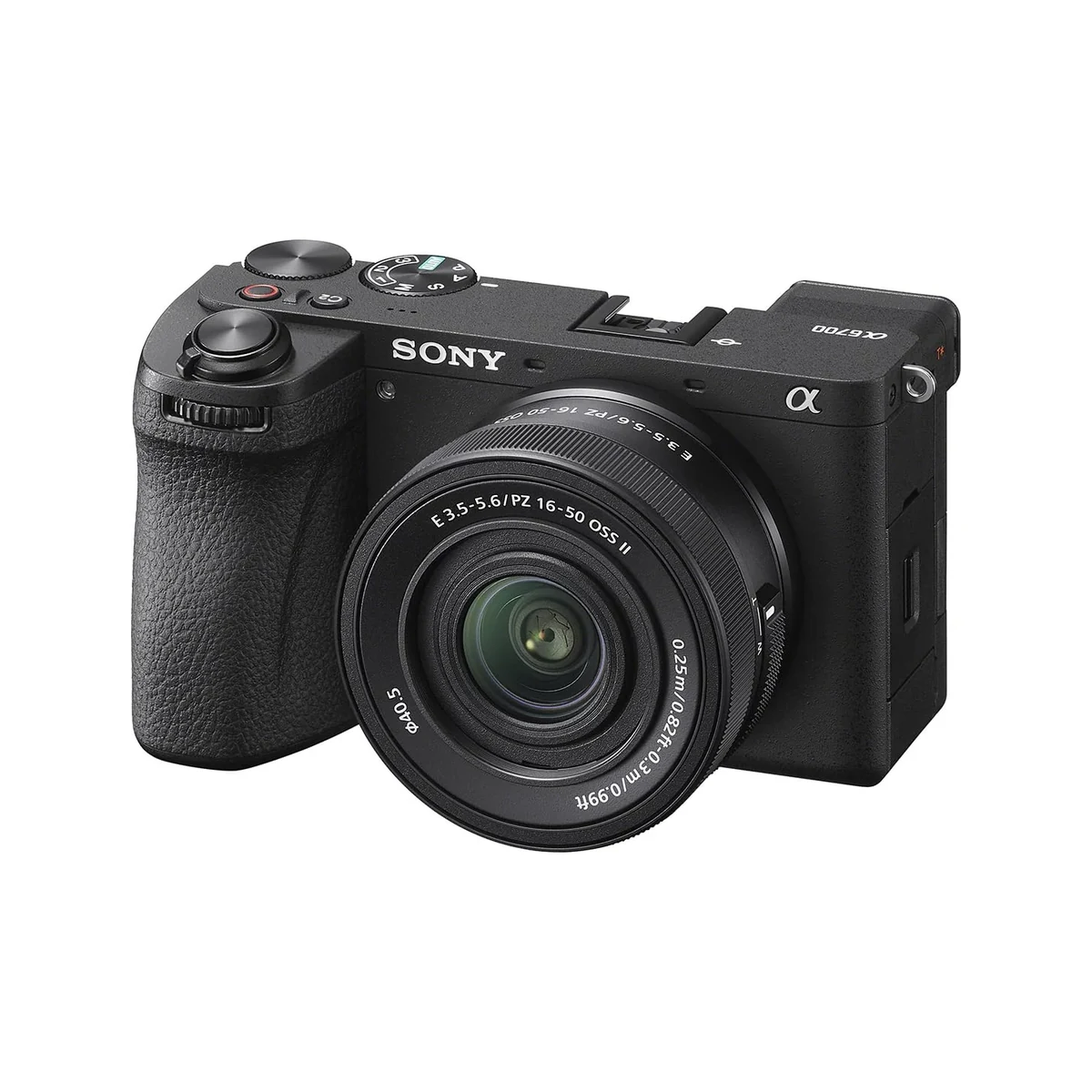
The Sony a6700 stands as one of the most capable APS-C mirrorless cameras available in 2026, delivering flagship-level AI autofocus, a 26MP Exmor R sensor, and class-leading 4K video features in a compact body. Whether capturing fast-action wildlife or professional hybrid content, it combines responsiveness, image quality, and ergonomic refinement that enthusiasts and pros crave. This review examines exactly what makes the a6700 a continued benchmark in the mirrorless market.
Table of Contents
Key Specifications
| Feature | Detail |
|---|---|
| Sensor | 26MP APS-C Exmor R CMOS |
| Processor | BIONZ XR + dedicated AI Processing Unit |
| Autofocus | 759 phase-detection points with real-time subject recognition (human, animal, bird, insect, vehicle) |
| Continuous Shooting | 11 fps with AF/AE tracking |
| Image Stabilization | 5-axis IBIS with up to 5 stops of compensation |
| Video | 4K 60p oversampled, 4K 120p S&Q, 10-bit 4:2:2, S-Log3, S-Cinetone |
| Viewfinder | 2.36M-dot OLED EVF, 120fps refresh |
| Rear Screen | 3.0″ fully articulating touchscreen |
| Memory | Single UHS-II SD card slot |
| Battery Life | Approx. 570 stills / 120 min video |
| Weight | 493g (body only) |
| Dimensions | 122.4 × 69.0 × 63.6mm |
Design & Build Quality
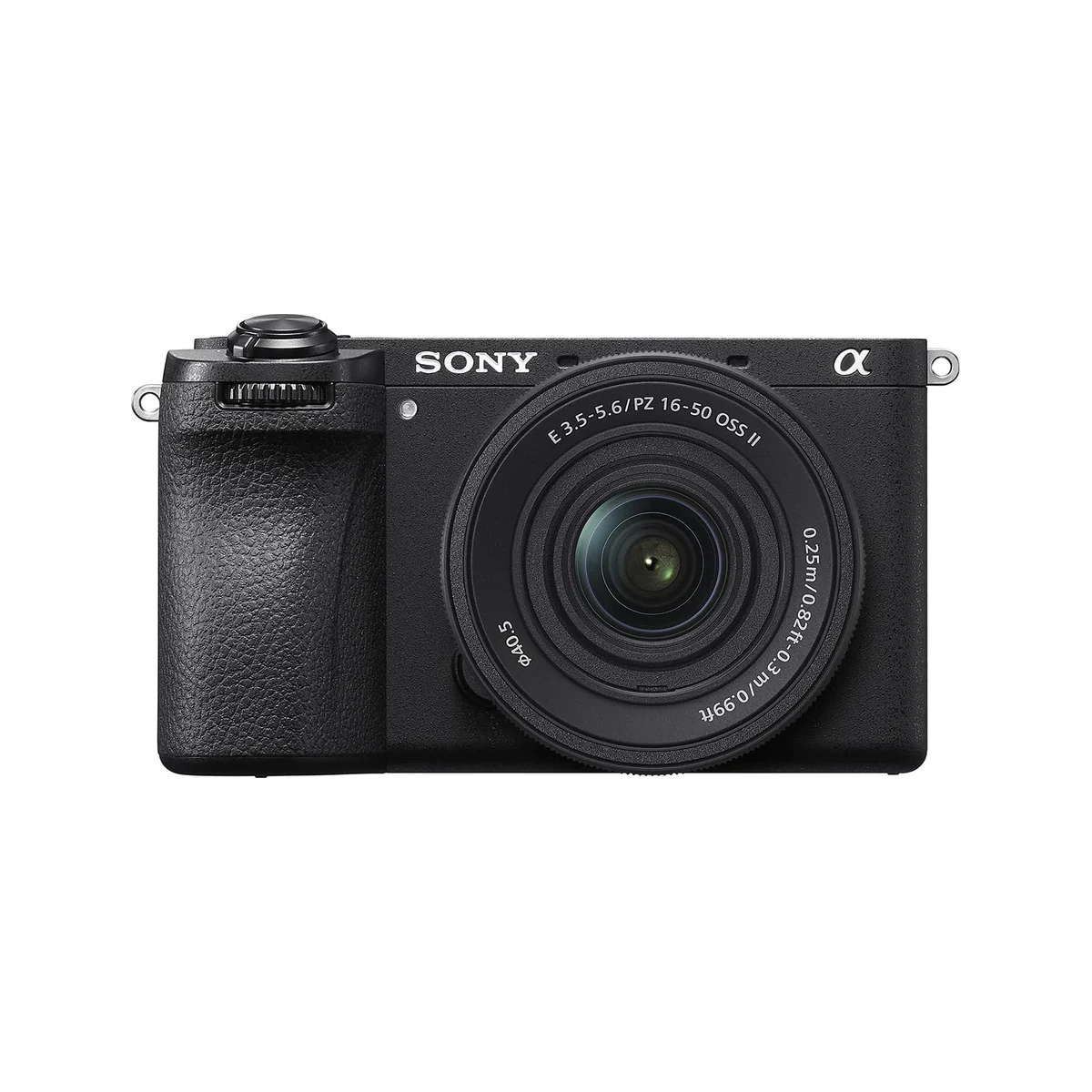
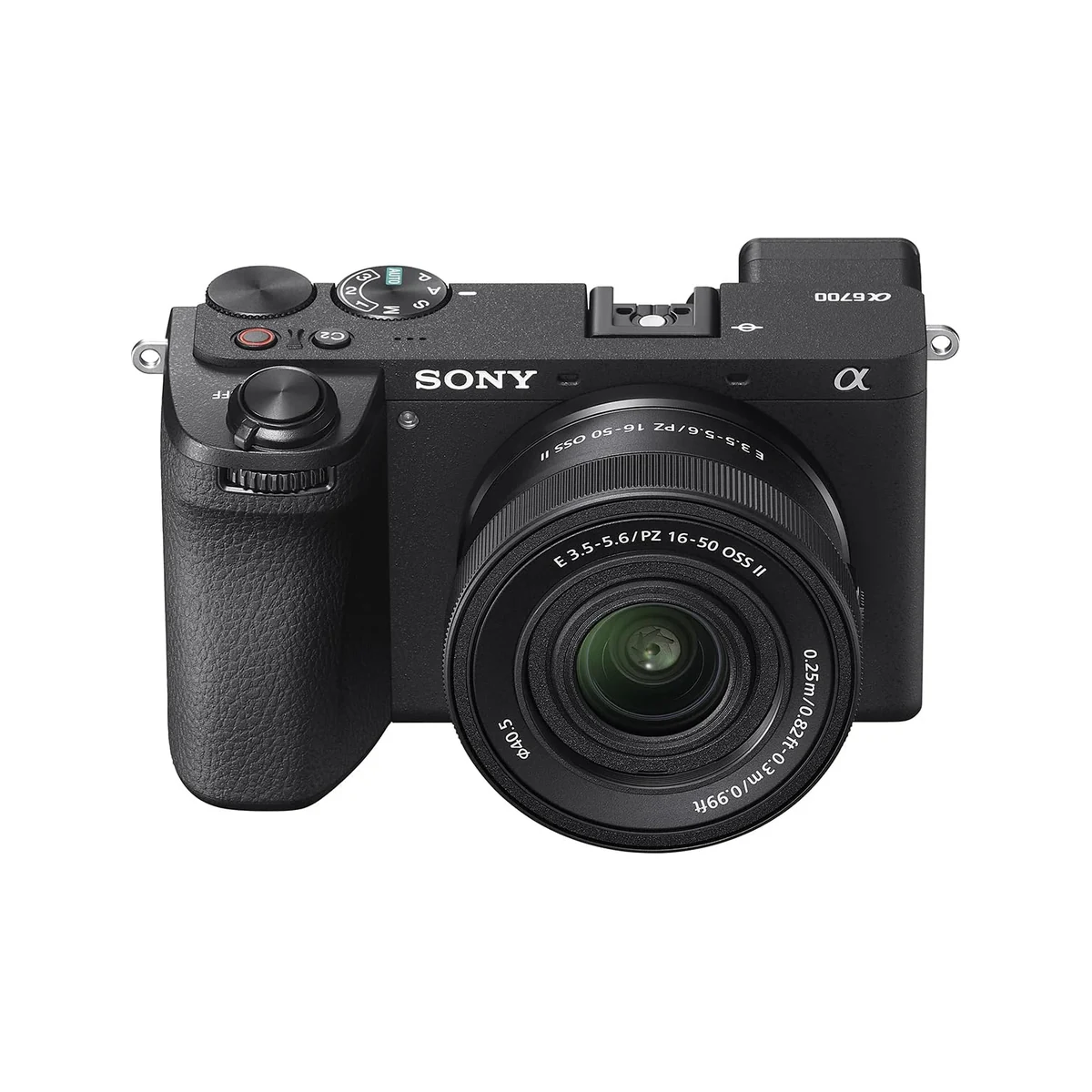
The Sony a6700 features a magnesium-alloy chassis that feels reassuringly solid while remaining lightweight enough for extended handheld shooting or travel. Weather sealing has been improved around all buttons, dials, and ports, giving photographers confidence in light rain, dusty trails, or humid conditions. The grip has been noticeably deepened compared to the a6600, providing a more secure and comfortable hold even with larger lenses like the 16-55mm f/2.8 G.
Ergonomics are excellent for a camera of this size. The customizable buttons and dials fall naturally under the fingers, and the addition of a dedicated drive mode dial streamlines workflow. The fully articulating vari-angle touchscreen remains a highlight, ideal for vloggers, low-angle wildlife work, or overhead product shots. In 2026, the a6700’s compact form continues to appeal to photographers who want professional capability without the bulk of full-frame bodies.
Performance
Real-world performance is where the a6700 truly shines. The combination of the BIONZ XR processor and AI unit delivers subject recognition and tracking that feels almost telepathic. Whether photographing erratic birds in flight, running athletes, or fast-moving vehicles, the camera maintains focus with remarkable consistency. Continuous shooting at 11 fps with a deep buffer allows extended bursts without slowdown, making it a strong tool for action and wildlife.
Image quality is excellent for an APS-C sensor. Dynamic range is competitive with many full-frame cameras from just a few years ago, and high-ISO performance remains clean up to ISO 6400 with usable results beyond. The 5-stop IBIS enables sharp handheld shots at surprisingly slow shutter speeds. In benchmarks, the camera shows fast startup, near-zero shutter lag, and reliable face/eye detection even in backlit or low-contrast scenes, cementing its reputation as one of the most responsive APS-C cameras available.
Features & Software
Standout features include the AI-based subject recognition engine that covers an impressive range of categories, plus advanced video tools such as breathing compensation, dynamic active mode stabilization, and 10-bit 4:2:2 recording with S-Log3. The camera also offers in-camera time-lapse, focus bracketing, and updated Creative Look presets that can be applied to both stills and video.
Sony’s menu system has seen incremental improvements but still retains its hierarchical depth. Once customized, however, the experience is fast and efficient. Firmware updates continue to add value years after launch, demonstrating Sony’s long-term support for the platform.
Value Proposition
In 2026, the Sony a6700 represents strong value for hybrid creators who need both class-leading stills performance and professional video tools. It undercuts current full-frame entry-level models while delivering faster continuous shooting, more sophisticated subject tracking, and a lighter package that many photographers prefer for all-day carry. The extensive Sony E-mount lens ecosystem further enhances its appeal, allowing users to grow from affordable APS-C glass into premium G Master optics without changing camera systems.
Compared to similarly priced competitors, the a6700’s combination of AI autofocus, IBIS, and 4K 60p oversampled video remains difficult to beat, making it a smart long-term investment rather than a stopgap camera.
How It Compares
Against the Fujifilm X-T5, the a6700 offers superior real-time subject tracking and more advanced video features, though Fuji retains an edge in film simulation color science and slightly better battery life. Versus the Canon EOS R7, Sony provides better low-light performance, a more mature lens ecosystem, and superior overheating performance during extended 4K recording. The Canon counters with dual card slots and a more intuitive menu system for some users.
Pros and Cons
Pros
- Class-leading AI subject recognition and tracking that performs exceptionally in real-world conditions.
- Outstanding 4K 60p oversampled video with professional codecs and picture profiles.
- Compact, weather-sealed magnesium body with improved ergonomics and deep grip.
- Effective 5-axis IBIS that enables sharp handheld shooting in challenging conditions.
- Strong stills image quality with excellent dynamic range for an APS-C sensor.
Cons
- Electronic viewfinder resolution feels dated compared to newer 5.76M-dot panels in 2026.
- Single SD card slot may give pause to professional or event photographers.
- Battery life remains average, especially when recording extended 4K video.
- Menu system is still overly complex despite years of incremental refinements.
- No built-in flash or PC sync terminal, requiring additional accessories for studio work.
FAQ
Q: Is the Sony a6700 still worth buying in 2026?
A: Yes. Its AI autofocus, video capabilities, and compact build continue to make it one of the strongest APS-C options available, especially at current used and new pricing.
Q: Does the a6700 support 4K 120fps recording?
A: It supports 4K 120p in Slow & Quick motion mode with sound, and full 4K 60p oversampled recording in standard modes.
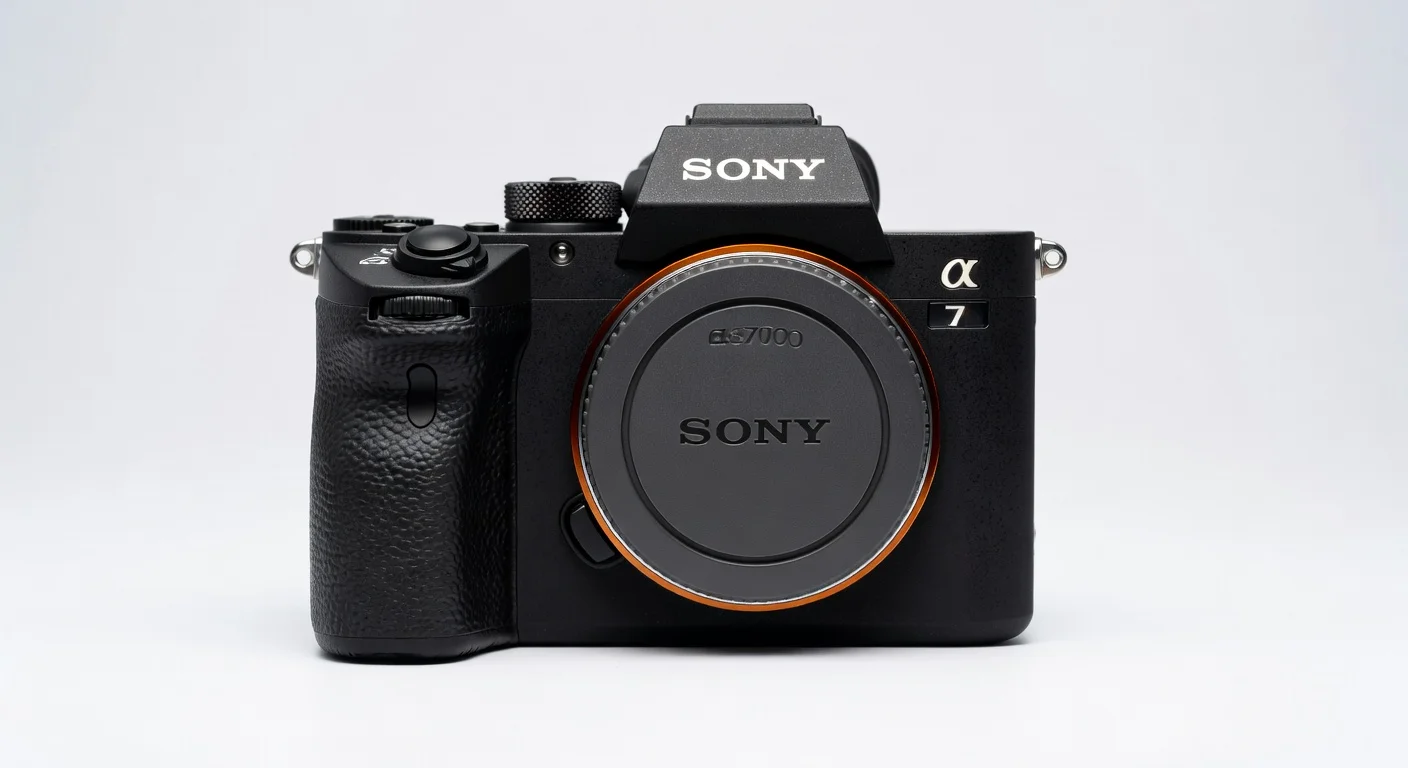
Q: How does the a6700 compare to the Sony a7 IV for APS-C users?
A: The a6700 is smaller, lighter, offers faster burst shooting, and often matches or exceeds the a7 IV in subject tracking thanks to its dedicated AI processor, while delivering excellent image quality from its optimized APS-C sensor.
Q: What is the best lens for the Sony a6700?
A: The Sony 16-55mm f/2.8 G is the ideal all-rounder. For primes, the Sony 20mm f/1.8 G or Sigma 56mm f/1.4 provide superb sharpness and character.
Q: Is the a6700 suitable for professional video work?
A: Absolutely. With 10-bit 4:2:2, S-Log3, breathing compensation, and reliable overheating performance, many independent filmmakers and YouTubers use it as a primary or B-camera.
Verdict
The Sony a6700 remains an outstanding choice for hybrid shooters, advanced enthusiasts, and semi-professionals who want flagship autofocus and video performance without moving to a larger, more expensive full-frame body. Its combination of compact size, weather sealing, and cutting-edge AI technology makes it remarkably versatile for both stills and motion. If you prioritize responsiveness, image quality, and future-proof features in a travel-friendly package, the a6700 continues to be one of the smartest investments in the mirrorless market in 2026.
Pros
- ✓ Class-leading AI subject recognition and tracking that performs exceptionally in real-world conditions.
- ✓ Outstanding 4K 60p oversampled video with professional codecs and picture profiles.
- ✓ Compact, weather-sealed magnesium body with improved ergonomics and deep grip.
- ✓ Effective 5-axis IBIS that enables sharp handheld shooting in challenging conditions.
- ✓ Strong stills image quality with excellent dynamic range for an APS-C sensor.
Cons
- ✗ Electronic viewfinder resolution feels dated compared to newer 5.76M-dot panels in 2026.
- ✗ Single SD card slot may give pause to professional or event photographers.
- ✗ Battery life remains average, especially when recording extended 4K video.
- ✗ Menu system is still overly complex despite years of incremental refinements.
- ✗ No built-in flash or PC sync terminal, requiring additional accessories for studio work.
Where to Buy the Sony a6700





Prices may vary. Affiliate links — we may earn a commission at no extra cost to you.
Related Reviews

Affiliate links — we may earn a commission at no extra cost to you.