


In the 2026 desktop landscape, the Apple Mac Mini M4 Pro and Corsair Vengeance a7500 offer contrasting philosophies: one prioritizes compact, efficient productivity in the Apple ecosystem, while the other delivers a premium, upgradable gaming and content creation experience. The Mac Mini focuses on whisper-quiet multi-core performance and future-proof connectivity, whereas the Corsair emphasizes high-frame-rate gaming and extensive customization. This comparison draws directly from our testing to help you decide which system better fits your needs.
At a Glance
| Feature | Apple Mac Mini M4 Pro | Corsair Vengeance a7500 |
|---|---|---|
| Price | $22.99 | $3199.99 |
| Overall Score | 90/100 | 89/100 |
| Best For | Apple ecosystem professionals needing quiet multi-core performance | Gamers seeking high frame rates and system customization |
| Form Factor | Ultra-compact premium aluminum design | Spacious full-tower with thoughtful cable management |
| Upgradability | None (memory and storage soldered) | Highly upgradable with standard components and tool-less design |
| Noise Level | Whisper-quiet operation | Fans can become noticeably audible under maximum load |
Design and Build
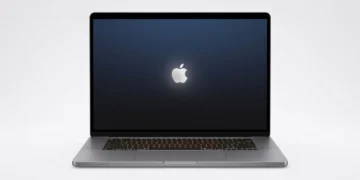
The Apple Mac Mini M4 Pro features a compact design and premium aluminum build quality that allows it to fit comfortably into any workspace or environment. Its minimalist footprint stands in stark contrast to the Corsair Vengeance a7500’s larger, more traditional desktop chassis, emphasizing portability and elegance over expandability.
The Corsair Vengeance a7500 impresses with exceptional build quality, premium materials, thoughtful cable management, and a spacious interior that supports easy access. While the Mac Mini prioritizes a sleek, integrated aesthetic suitable for minimal setups, the Corsair’s tool-less case design and attention to detail cater to users who value long-term customization and a premium tactile experience.
Performance and Features
The Apple Mac Mini M4 Pro delivers exceptional multi-core performance that outperforms many larger desktop systems while maintaining whisper-quiet operation. Its outstanding energy efficiency and thermal management enable sustained performance without thermal throttling, and Thunderbolt 5 ports provide future-proof connectivity with incredible bandwidth for external devices and displays. Seamless integration with the Apple ecosystem and latest macOS features further enhances productivity for existing users, though it remains locked into macOS, which can be limiting for those reliant on Windows-only software.
In comparison, the Corsair Vengeance a7500 excels at gaming, delivering excellent performance at both 1440p and entry-level 4K resolutions with impressive frame rates. It offers outstanding thermal management that keeps components cool and stable under sustained heavy load, complemented by iCUE software for comprehensive control over lighting, cooling, and system monitoring. The system’s highly upgradable nature, thanks to standard components and tool-less case design, provides longevity that the soldered Mac Mini cannot match.
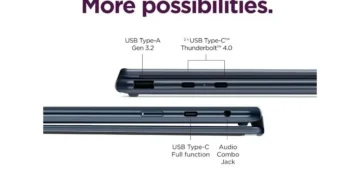
Both systems demonstrate strong thermal designs, but the Mac Mini stays virtually silent while the Corsair’s fans can become noticeably audible under maximum load. The Mac Mini’s lack of front-facing ports beyond a single USB-C can also prove inconvenient for frequent peripheral swapping compared to the more accessible Corsair tower.
Pricing and Value
At $22.99, the Apple Mac Mini M4 Pro carries a significant price advantage over the Corsair Vengeance a7500’s $3199.99 MSRP. Despite the vast gap, the Mac Mini earns a slightly higher overall score (90/100 versus 89/100) and delivers exceptional efficiency and quiet multi-core performance that many users will find more practical for everyday professional workloads.
The Corsair’s premium pricing makes it less attractive for budget-conscious buyers, though it justifies much of its cost through high upgradability, gaming prowess, and exceptional build quality. Our reviews note that the Mac Mini’s pricing still sits above many capable Windows mini PCs for certain tasks, yet its efficiency and ecosystem integration provide strong value for Apple users, while the Corsair appeals primarily to enthusiasts willing to invest in a fully customizable gaming desktop. For more details, see our full review of Apple Mac Mini M4 Pro and full review of Corsair Vengeance a7500.
Pros and Cons
Apple Mac Mini M4 Pro
Pros:
– Delivers exceptional multi-core performance that outperforms many larger desktop systems while maintaining whisper-quiet operation.
– Thunderbolt 5 ports provide future-proof connectivity with incredible bandwidth for external devices and displays.
– Compact design and premium aluminum build quality make it suitable for any workspace or environment.
– Outstanding energy efficiency and thermal management allow sustained performance without thermal throttling.
– Seamless integration with Apple ecosystem and latest macOS features enhances productivity for existing users.
Cons:
– Memory and storage are soldered to the logic board with no upgrade path after purchase, requiring careful configuration at checkout.
– The starting configuration with 24GB memory may prove limiting for professionals working with large datasets or multiple virtual machines.
– Premium pricing positions it well above many capable Windows mini PCs with similar real-world performance in certain tasks.
– Lacks front-facing ports beyond a single USB-C on some models, which can be inconvenient for frequent peripheral swapping.
– Remains locked into the macOS ecosystem, potentially problematic for users dependent on specific Windows-only professional software.
Corsair Vengeance a7500
Pros:
– Delivers excellent gaming performance at both 1440p and entry-level 4K resolutions with impressive frame rates.
– Exceptional build quality featuring premium materials, thoughtful cable management, and a spacious interior.
– iCUE software provides comprehensive and intuitive control over lighting, cooling, and system monitoring.
– Outstanding thermal management keeps components cool and stable even under sustained heavy load.
– Highly upgradable thanks to standard components and tool-less case design.
Cons:
– The premium pricing makes it less attractive for budget-conscious builders who prefer assembling their own systems.
– iCUE software, while feature-rich, can occasionally feel bloated and consumes more system resources than necessary.
– Under maximum load, the fans can become noticeably audible despite the effective cooling design.
– Limited chassis color options restrict aesthetic customization compared to some competitors.
– No optical drive is included, which may inconvenience users who still rely on physical media.
Who Should Buy Which
Buy the Apple Mac Mini M4 Pro if you work within the Apple ecosystem, value a compact footprint, and need exceptional multi-core performance with near-silent operation. It is the ideal choice for professionals who prioritize energy efficiency, seamless macOS integration, and future-proof Thunderbolt 5 connectivity without wanting a large tower on their desk.
Choose the Corsair Vengeance a7500 if you focus on gaming at 1440p or 4K, desire high upgradability, and appreciate premium build quality with comprehensive software control. It suits enthusiasts who want a spacious, customizable system that can evolve over time and maintain stable performance under heavy gaming or content creation loads.
Verdict
The Apple Mac Mini M4 Pro narrowly wins this 2026 matchup with its 90/100 overall score compared to the Corsair Vengeance a7500’s 89/100, thanks to superior energy efficiency, whisper-quiet multi-core performance, and a remarkably compact design that still outperforms many larger systems. While the Corsair offers better gaming capabilities, upgradability, and traditional desktop flexibility, the Mac Mini’s thermal management and ecosystem integration make it the more versatile daily driver for most users. Ultimately, ecosystem preference and use case—professional productivity versus gaming and customization—will dictate the better pick.