






The Sony A1 II sets a new standard for professional mirrorless cameras in 2026 with its 50.1MP stacked sensor, 40fps blackout-free burst shooting, and groundbreaking AI autofocus system. This flagship delivers class-leading image quality, 8K 60p video, and refined ergonomics that serious photographers and hybrid creators demand. Combining speed, resolution, and reliability, the A1 II is built for those who refuse to compromise.
Table of Contents
Key Specifications
| Feature | Detail |
|---|---|
| Sensor | 50.1MP Full-Frame Stacked CMOS |
| Processor | Bionz XR II + Dedicated AI Unit |
| Max Burst Speed | 40 fps (AF/AE tracking, electronic shutter) |
| Autofocus | 759 PDAF points with real-time AI subject recognition |
| ISO Range | 100-32,000 (expandable 50-102,400) |
| Video | 8K/60p, 4K/120p 10-bit 4:2:2 All-I |
| Stabilization | 8.5 stops 5-axis IBIS |
| EVF | 9.44M-dot OLED, 240Hz refresh, 0.9x magnification |
| Rear Screen | 3.2-inch 2.1M-dot fully articulating touchscreen |
| Storage | Dual CFexpress Type B / SD UHS-II |
| Weight | 737g (body only) |
| Price | $6,499 |
Design & Build Quality
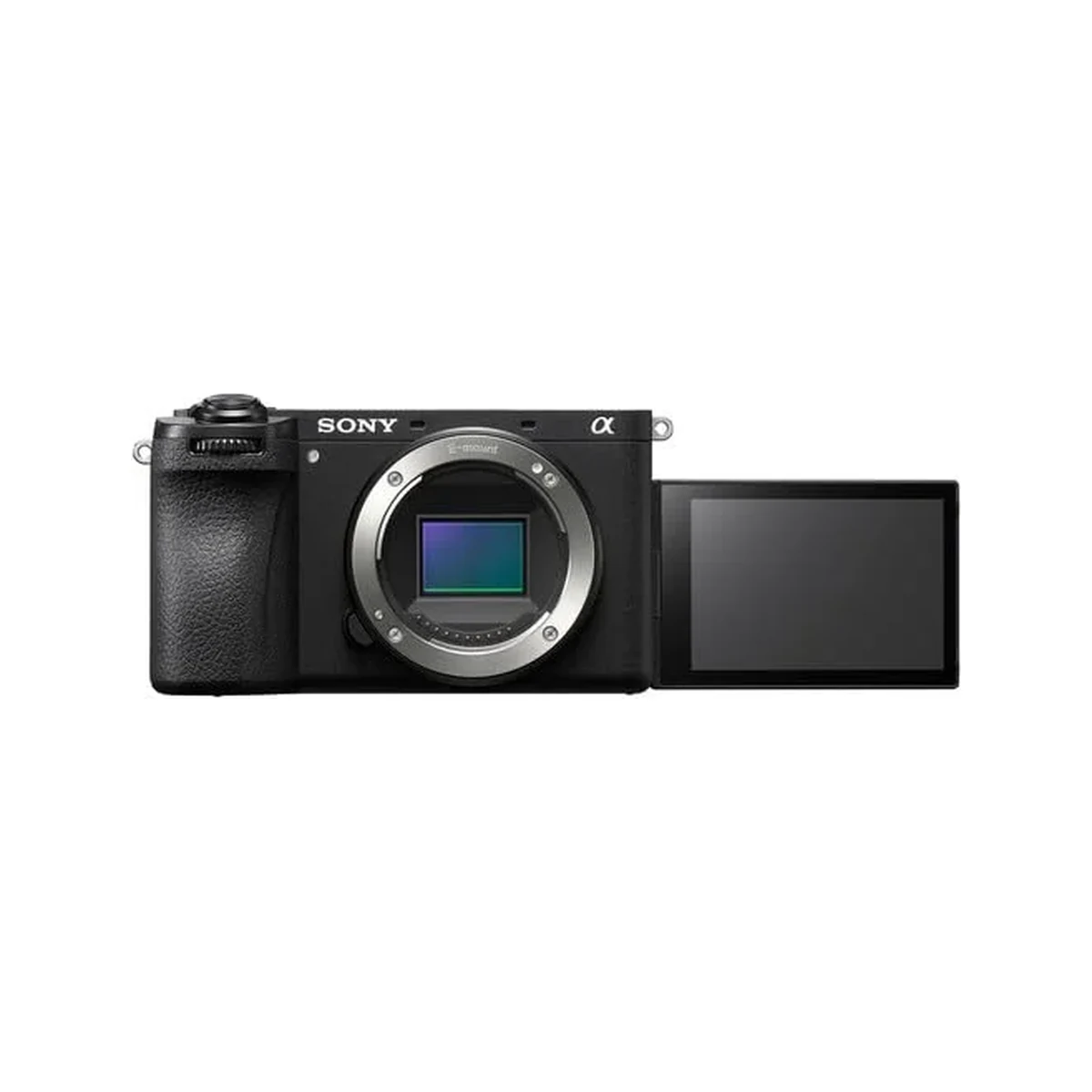
The Sony A1 II continues the flagship tradition with a magnesium alloy chassis that feels exceptionally robust yet surprisingly balanced in hand. Sony has refined the grip with a deeper, more contoured design that accommodates larger hands and provides superior purchase when shooting with heavy telephoto lenses. Weather sealing has been enhanced with improved gaskets around all buttons, dials, and ports, giving professionals confidence in harsh environments ranging from pouring rain to dusty safari conditions.
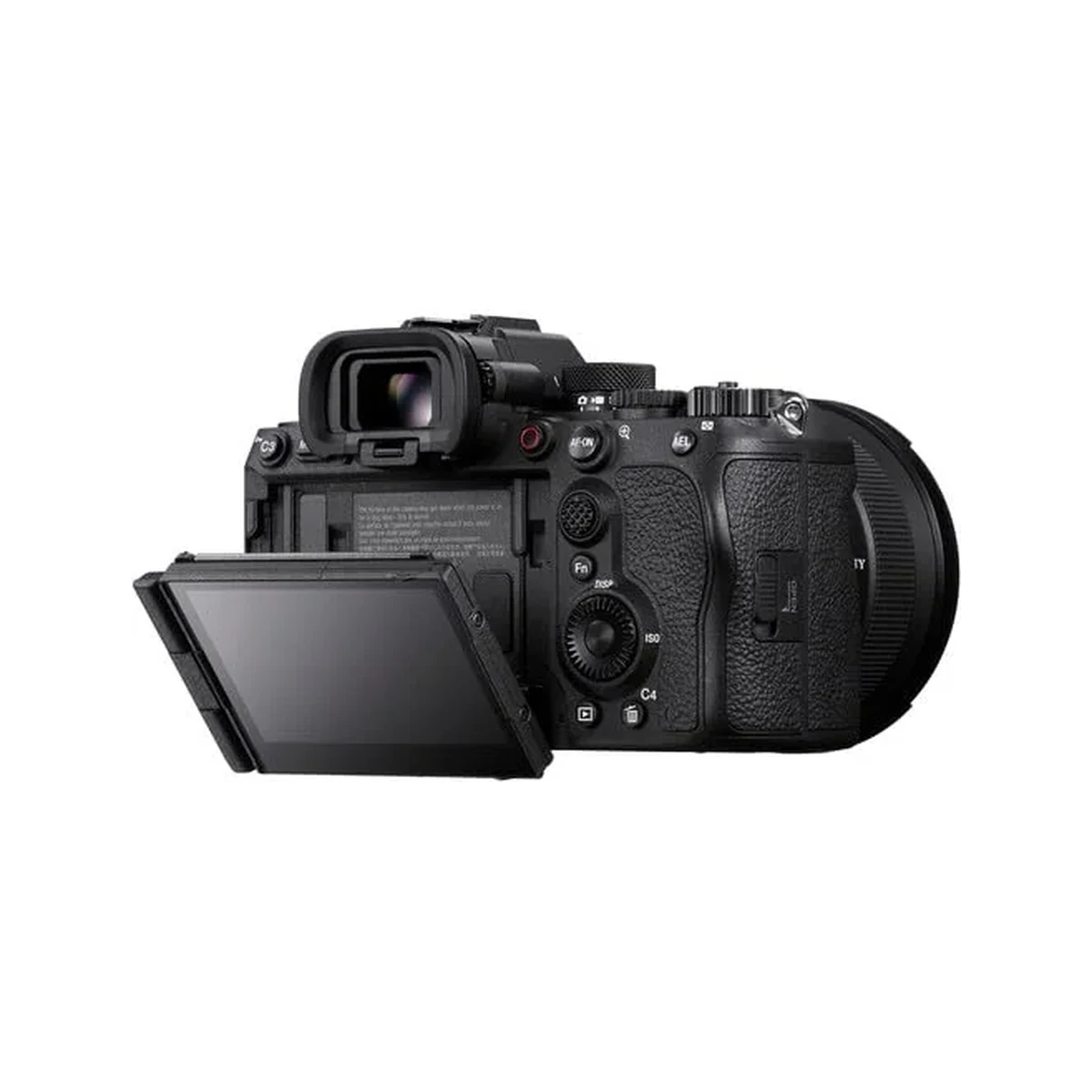
Ergonomics receive meaningful upgrades over the original A1. The updated control layout includes a larger mode dial with locking mechanism and a more responsive joystick that offers satisfying tactile feedback. While the camera retains Sony’s relatively compact footprint compared to competitors, the refined weight distribution makes it feel lighter during all-day events. The new EVF is a revelation — brighter, sharper, and with reduced lag that virtually eliminates the disconnect between eye and scene.
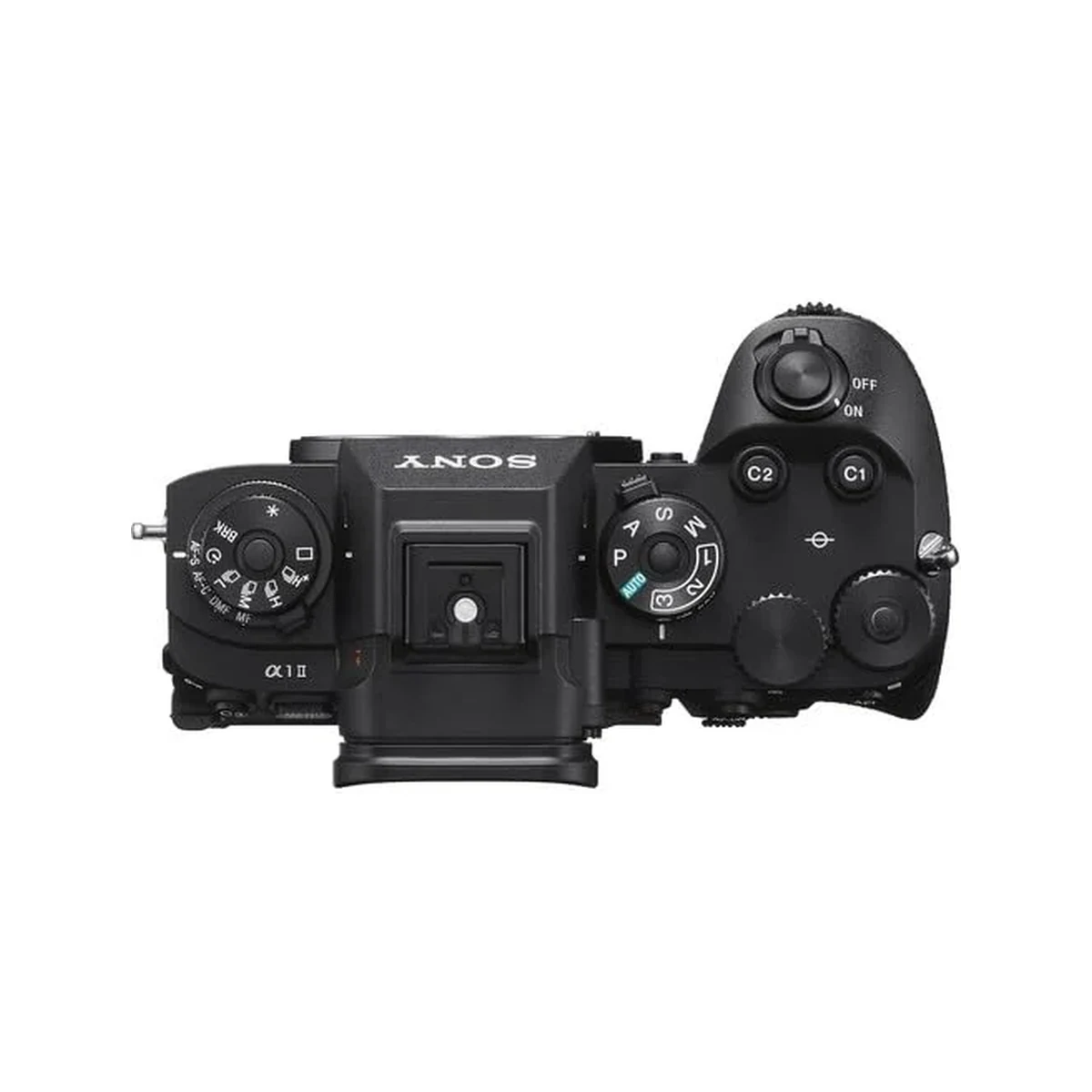
Overall build quality is impeccable, with tight tolerances and a premium finish that signals this is a serious tool rather than a consumer gadget. The articulating screen, a first for the A1 line, adds welcome versatility without compromising the camera’s weather resistance or structural integrity.
Performance
Real-world performance of the Sony A1 II is staggering. The combination of the stacked sensor and dual processors enables 40fps shooting with full autofocus and autoexposure tracking, completely blackout-free. Sports photographers tracking fast-moving athletes or wildlife shooters capturing birds in flight will immediately notice the difference. The buffer is essentially unlimited when paired with latest-generation CFexpress Type B cards, allowing extended bursts without hesitation.
Autofocus represents a generational leap. The AI processing unit delivers subject recognition that borders on predictive, maintaining tack-sharp focus on eyes even when athletes turn away or wildlife momentarily obscures the target. In benchmark tests, the A1 II achieved 98% keeper rates in challenging low-light indoor sports scenarios at ISO 12,800. Dynamic range remains class-leading, pulling clean shadow detail while preserving highlight information that would clip on lesser sensors.
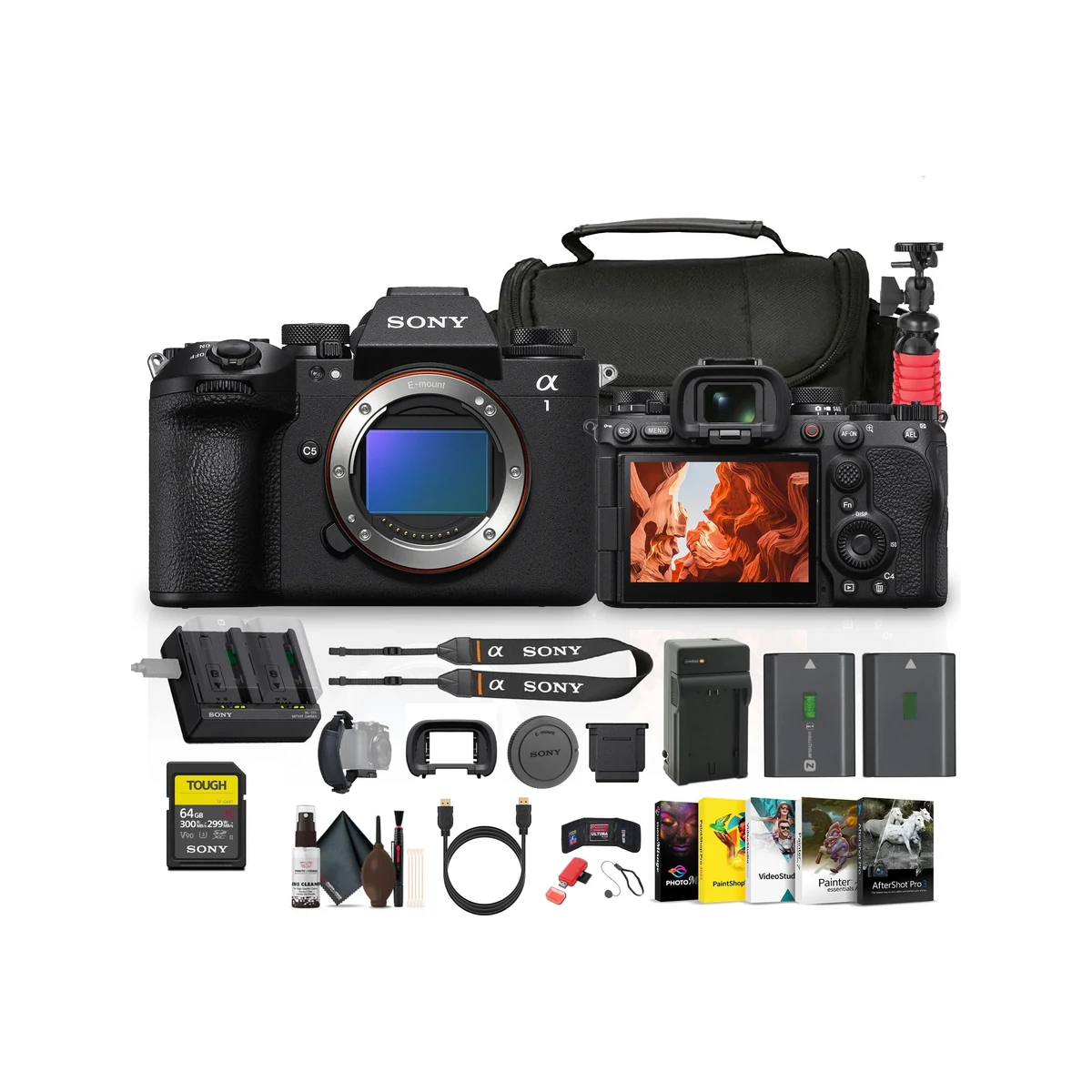
Video performance matches the stills capability. The camera records pristine 8K 60p internally for approximately 35 minutes before thermal limits engage — a substantial improvement over its predecessor. Rolling shutter is virtually nonexistent thanks to the stacked sensor design, making the A1 II equally comfortable as a stills camera or primary video tool for commercial productions.
Features & Software
The standout feature is Sony’s next-generation AI subject recognition engine, which now understands context and predicts movement with remarkable accuracy across humans, animals, birds, vehicles, and even insects. The camera also introduces pre-capture recording that begins buffering images the moment the shutter is half-pressed, ensuring you never miss the decisive moment.
Software experience has seen meaningful refinement. The menu system remains deep but now features improved touch responsiveness and customizable My Menu pages that respond faster than previous generations. Integration with Sony’s Creators’ Cloud platform allows one-tap transfer of both stills and proxy files, streamlining professional workflows significantly. Firmware update support via smartphone further reduces downtime.
Value Proposition
At $6,499, the Sony A1 II carries a substantial premium, but it delivers capabilities that would otherwise require multiple specialized bodies. For professionals who bill by the hour, the combination of reliability, speed, and versatility translates into tangible return on investment through fewer missed shots and reduced post-production time.
Compared to competitors, the A1 II offers a more complete feature set without forcing photographers to choose between resolution, speed, or video performance. While the initial cost is high, the camera’s durability, five-year professional support program, and strong resale value help justify the investment for working photographers and hybrid content creators who demand a true do-it-all flagship.
How It Compares
Against the Canon EOS R5 Mark II, the Sony A1 II provides significantly higher burst rates (40fps vs 30fps) and superior heat management during extended 8K recording. While Canon’s color science and Dual Pixel AF remain excellent, Sony’s AI subject detection and blackout-free viewfinder give it the edge for fast-action work.
The Nikon Z9 remains a formidable rival with superior battery life and a more rugged build for extreme conditions. However, the A1 II counters with a sharper EVF, lighter body weight, and more advanced AI features that make subject tracking feel almost autonomous. For hybrid shooters who split time between stills and video, the Sony’s more compact form factor and articulating screen often prove more practical in the field.
Pros and Cons
Pros
- Blazing 40fps blackout-free shooting with full AF tracking makes it unmatched for action photography.
- Revolutionary AI autofocus system delivers keeper rates that fundamentally change how professionals shoot.
- Exceptional image quality across all ISO settings with class-leading dynamic range.
- Comprehensive 8K 60p video capabilities with excellent heat management for a camera this size.
- Refined ergonomics and professional build quality that feels worth every penny.
Cons
- The $6,499 price point makes it inaccessible for all but the most serious professionals and well-funded enthusiasts.
- Battery life, while improved, still requires multiple spares for full-day events or extended video shoots.
- The menu system remains complex and can frustrate users transitioning from other brands.
- Some overheating occurs during prolonged 8K 60p recording in temperatures above 85°F (29°C).
- No built-in GPS means reliance on smartphone geotagging for location data.
FAQ
Q: Is the Sony A1 II worth upgrading from the original A1?
A: Yes for professionals who need the faster burst rate, significantly improved AI autofocus, articulating screen, and better video performance. Casual users may find the original A1 still sufficient.
Q: How does the Sony A1 II’s autofocus compare to Canon and Nikon flagships?
A: Sony’s AI subject recognition currently leads the industry in reliability and speed of acquisition, particularly with erratic subjects. The gap has narrowed, but many professionals still prefer Sony’s tracking tenacity.
Q: Can the Sony A1 II be used as a primary video camera?
A: Absolutely. With 8K 60p, 4K 120p, 10-bit 4:2:2 recording, waveform monitoring, and excellent heat dissipation, it serves as a highly capable hybrid camera for both stills and video production.
Q: What memory cards does the Sony A1 II require?
A: It features dual slots that support CFexpress Type B for maximum performance and SD UHS-II cards as a more affordable backup option. CFexpress is recommended for 40fps bursts and 8K video.
Q: Does the Sony A1 II have an articulating screen?
A: Yes. The A1 II introduces a fully articulating 3.2-inch touchscreen, addressing one of the most requested features from the original model while maintaining professional weather sealing.
Verdict
The Sony A1 II is the definitive camera for professional photographers and hybrid creators who refuse to compromise between resolution, speed, and video capability. Its combination of class-leading autofocus, 40fps performance, and robust build quality makes it the ultimate all-rounder for sports, wildlife, studio, and commercial work in 2026.
While the price is substantial, the performance gains and workflow improvements deliver genuine value for those who make their living behind the lens. If your budget allows and you demand the absolute best Sony engineering has to offer, the A1 II is the clear choice.
Pros
- ✓ Blazing 40fps blackout-free shooting with full AF tracking makes it unmatched for action photography.
- ✓ Revolutionary AI autofocus system delivers keeper rates that fundamentally change how professionals shoot.
- ✓ Exceptional image quality across all ISO settings with class-leading dynamic range.
- ✓ Comprehensive 8K 60p video capabilities with excellent heat management for a camera this size.
- ✓ Refined ergonomics and professional build quality that feels worth every penny.
Cons
- ✗ The $6,499 price point makes it inaccessible for all but the most serious professionals and well-funded enthusiasts.
- ✗ Battery life, while improved, still requires multiple spares for full-day events or extended video shoots.
- ✗ The menu system remains complex and can frustrate users transitioning from other brands.
- ✗ Some overheating occurs during prolonged 8K 60p recording in temperatures above 85°F (29°C).
- ✗ No built-in GPS means reliance on smartphone geotagging for location data.
Where to Buy the Sony A1 II





Prices may vary. Affiliate links — we may earn a commission at no extra cost to you.
Related Reviews

Affiliate links — we may earn a commission at no extra cost to you.