





Apple MacBook Air 13-inch (M5, 2026) Review Scores
4.7/5
90%
95%
89%
96%
94%
Scores out of 100 based on ClarityPoint review criteria.
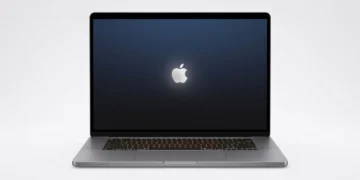
The Apple MacBook Air 13-inch (M5, 2026) delivers Apple’s most refined ultraportable yet, powered by the new M5 chip that brings meaningful gains in efficiency, AI acceleration, and sustained performance. With an ultra-thin aluminum chassis, stunning Liquid Retina display, and class-leading battery life, it remains the gold standard for students, professionals, and anyone who values portability without compromise. Our comprehensive review examines whether the 2026 model justifies the premium over its predecessors and Windows rivals.
Table of Contents
Key Specifications
| Feature | Detail |
|---|---|
| Processor | Apple M5 (8-core CPU, 10-core GPU, 16-core Neural Engine) |
| Memory | 16GB unified memory (configurable to 24GB) |
| Storage | 512GB SSD (configurable to 2TB) |
| Display | 13.6-inch Liquid Retina, 2560×1664, 500 nits, P3 color, True Tone |
| Battery Life | Up to 20 hours video playback, 18 hours mixed use |
| Dimensions | 11.97 x 8.46 x 0.44 inches (30.41 x 21.5 x 1.13 cm) |
| Weight | 2.7 lbs (1.24 kg) |
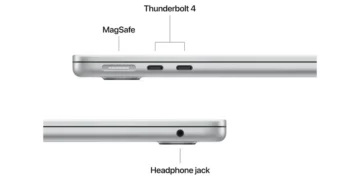
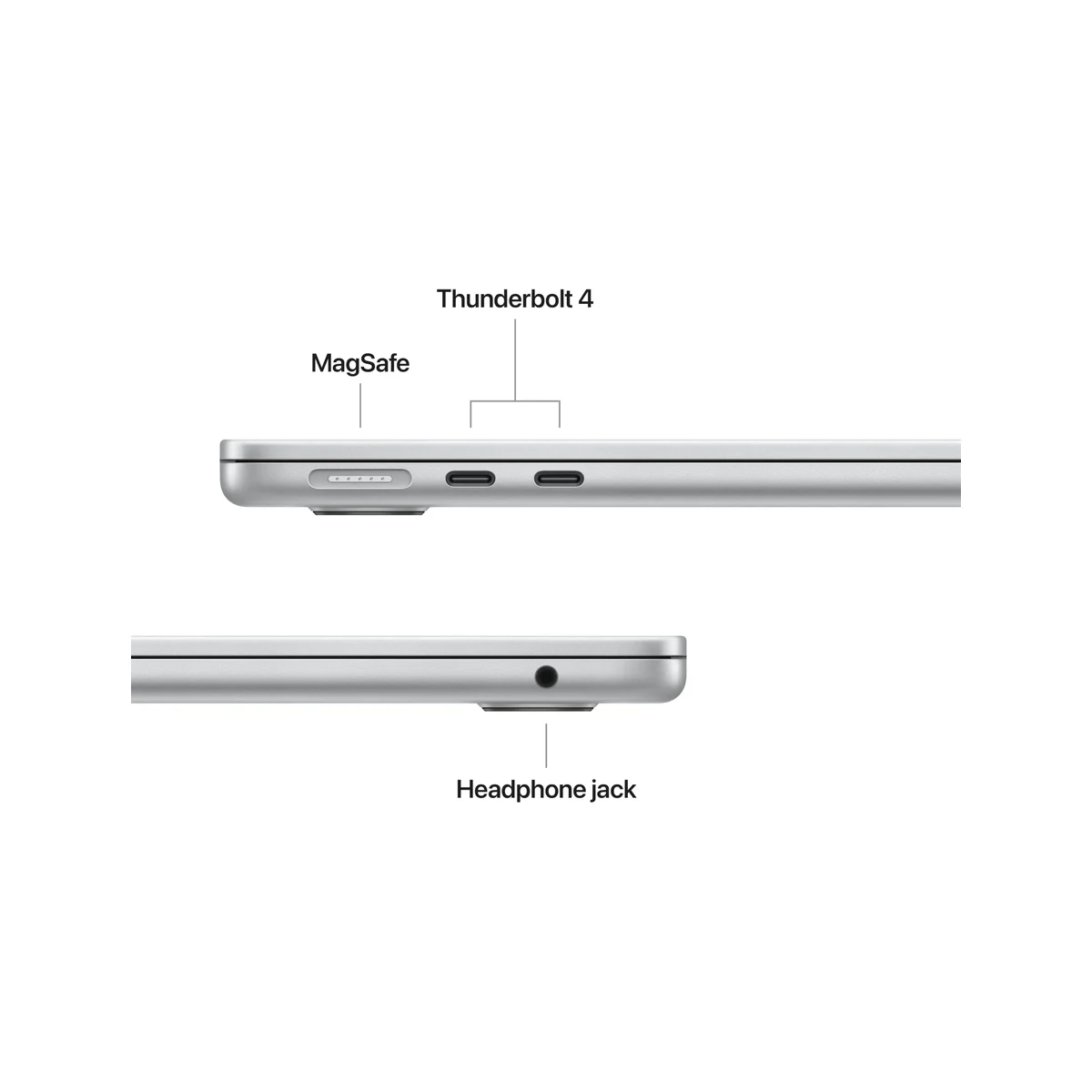
| Ports | MagSafe 3, 2x Thunderbolt 5, 3.5mm headphone jack |
| Camera | 1080p FaceTime HD with Center Stage |
| Operating System | macOS 16.1 with Apple Intelligence |
Design & Build Quality
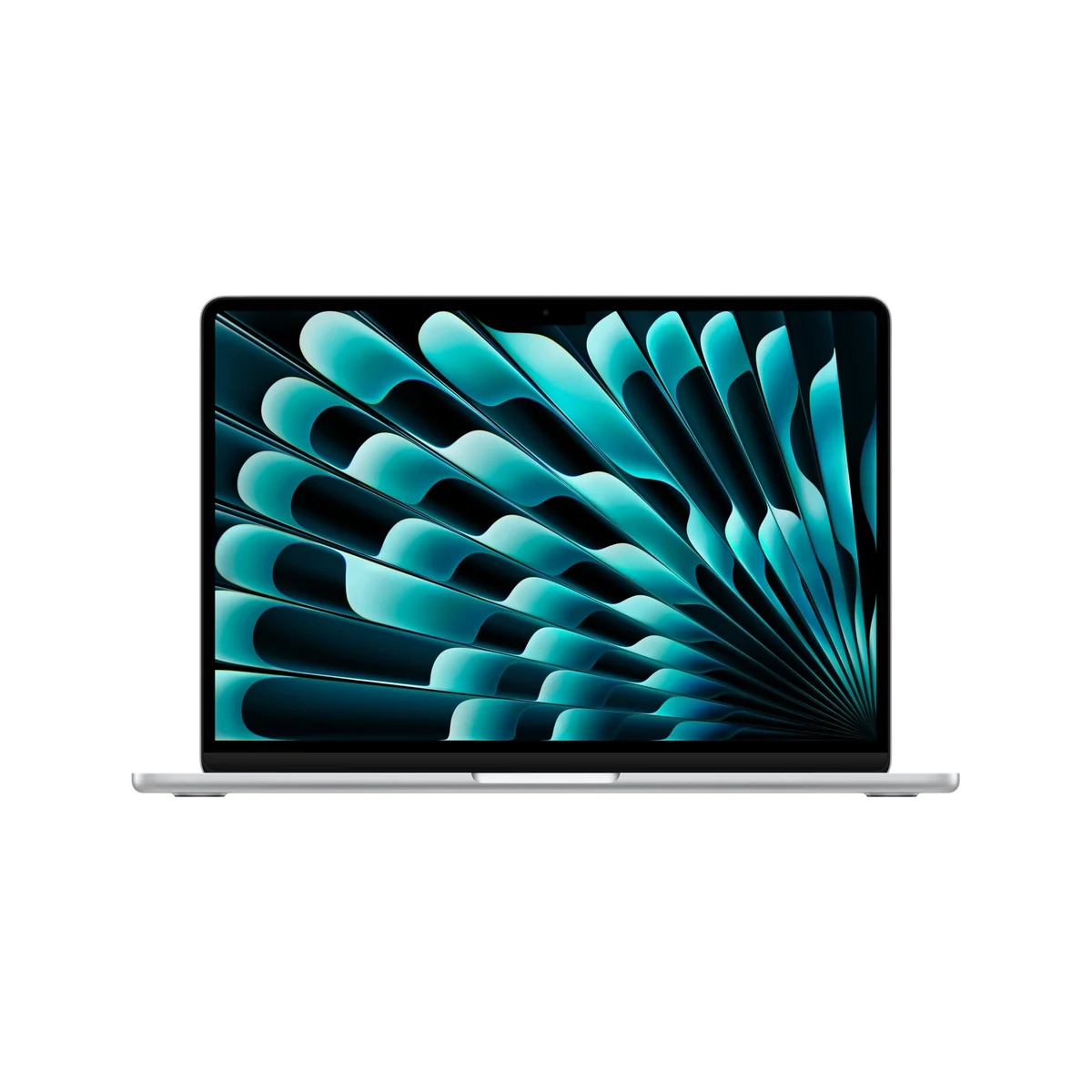
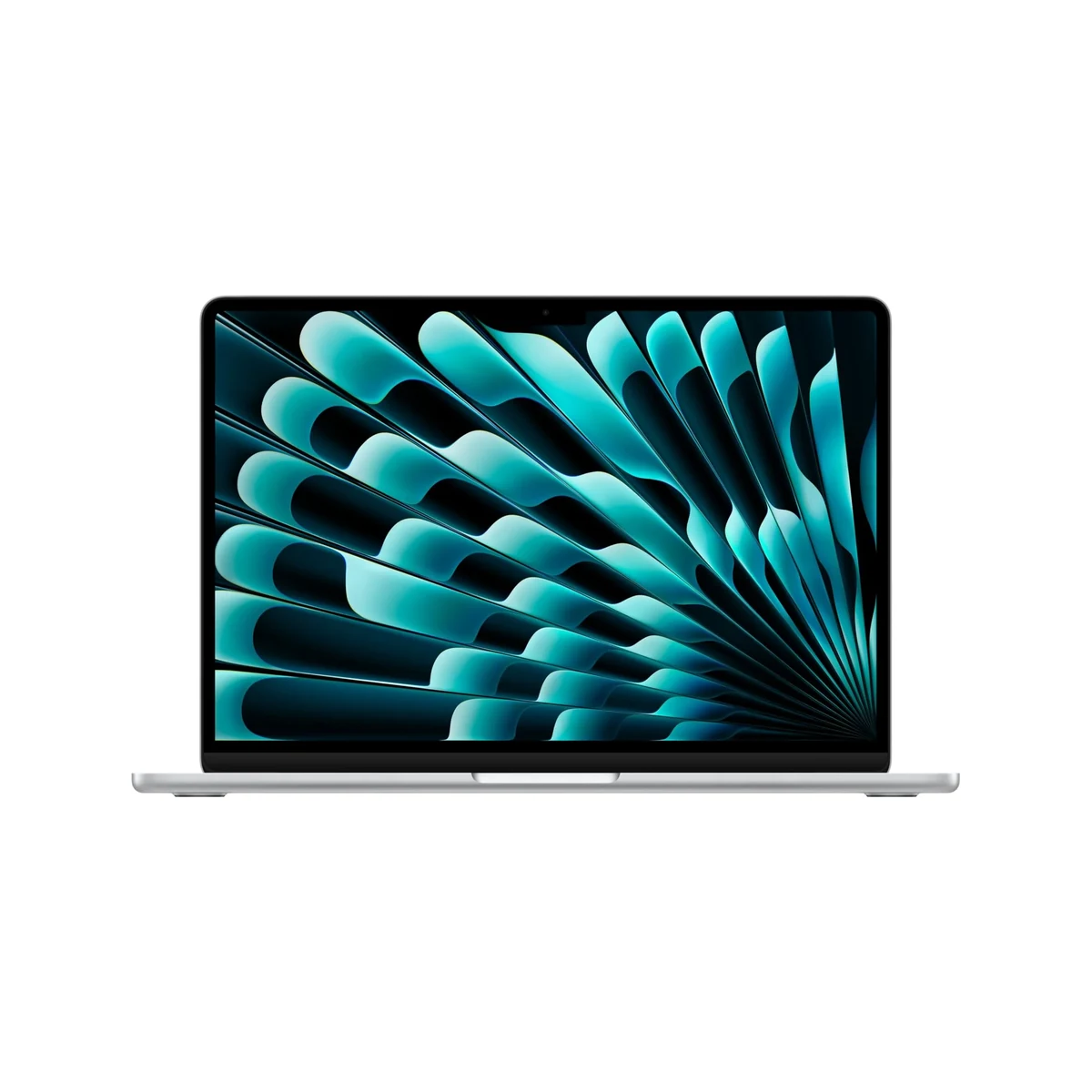
Apple’s iconic wedge-shaped design returns with even tighter tolerances in the 2026 MacBook Air. The chassis is crafted from 100% recycled aluminum and feels impossibly thin at just 0.44 inches, yet it remains remarkably rigid with zero flex across the keyboard deck or lid. The Midnight finish has been refined with an improved anodization process that significantly reduces fingerprints compared to previous generations, while the classic Silver, Starlight, and Space Gray options complete a professional palette that appeals to both creative professionals and corporate users.
The ergonomics are class-leading. The Magic Keyboard offers satisfying travel and responsive feedback, while the massive haptic trackpad remains the most precise and comfortable in the industry. At 2.7 pounds, the MacBook Air 13-inch M5 slips effortlessly into backpacks and feels barely present during travel. Ventilation is entirely passive, meaning silent operation under all workloads — a significant advantage over competitors that rely on active cooling.
Performance
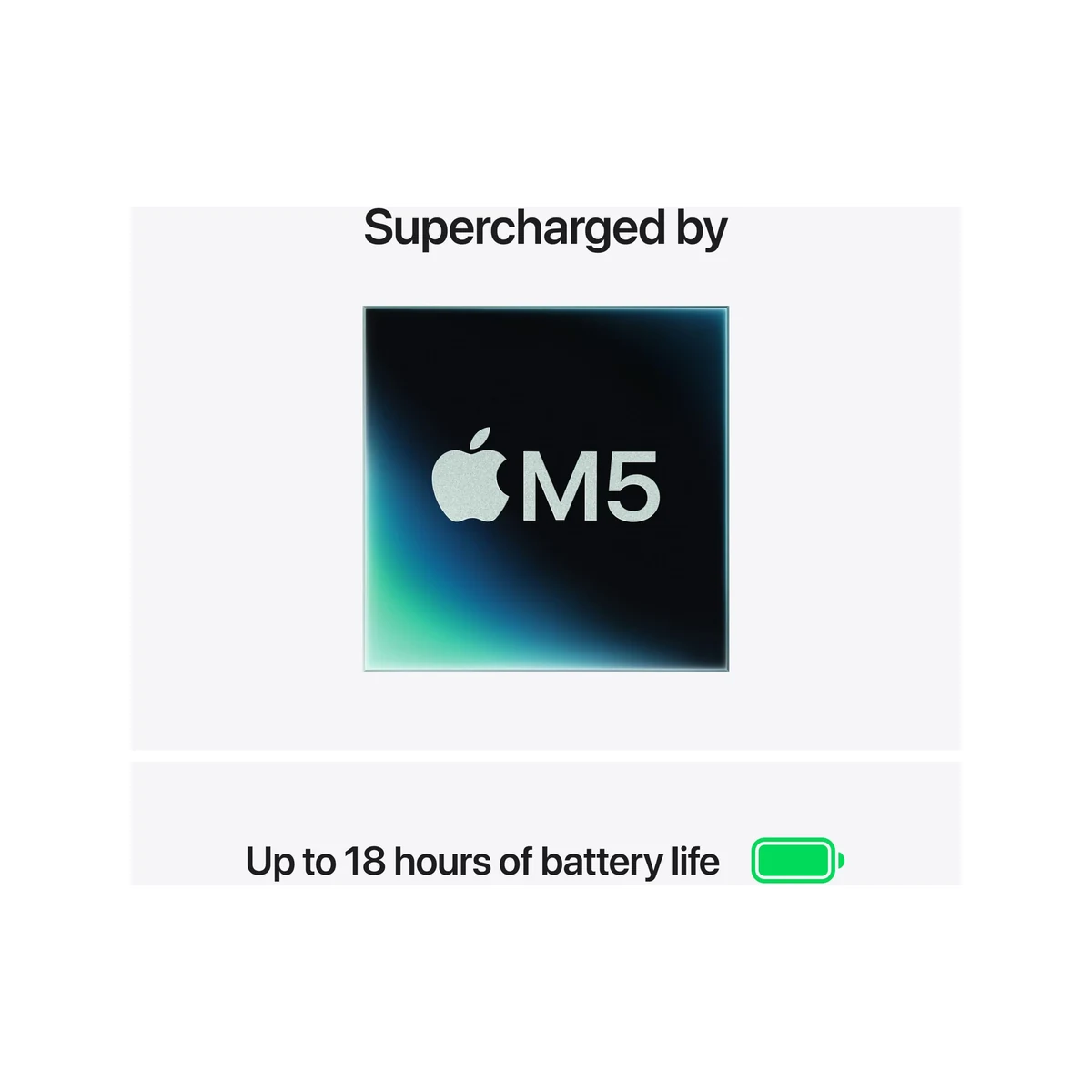
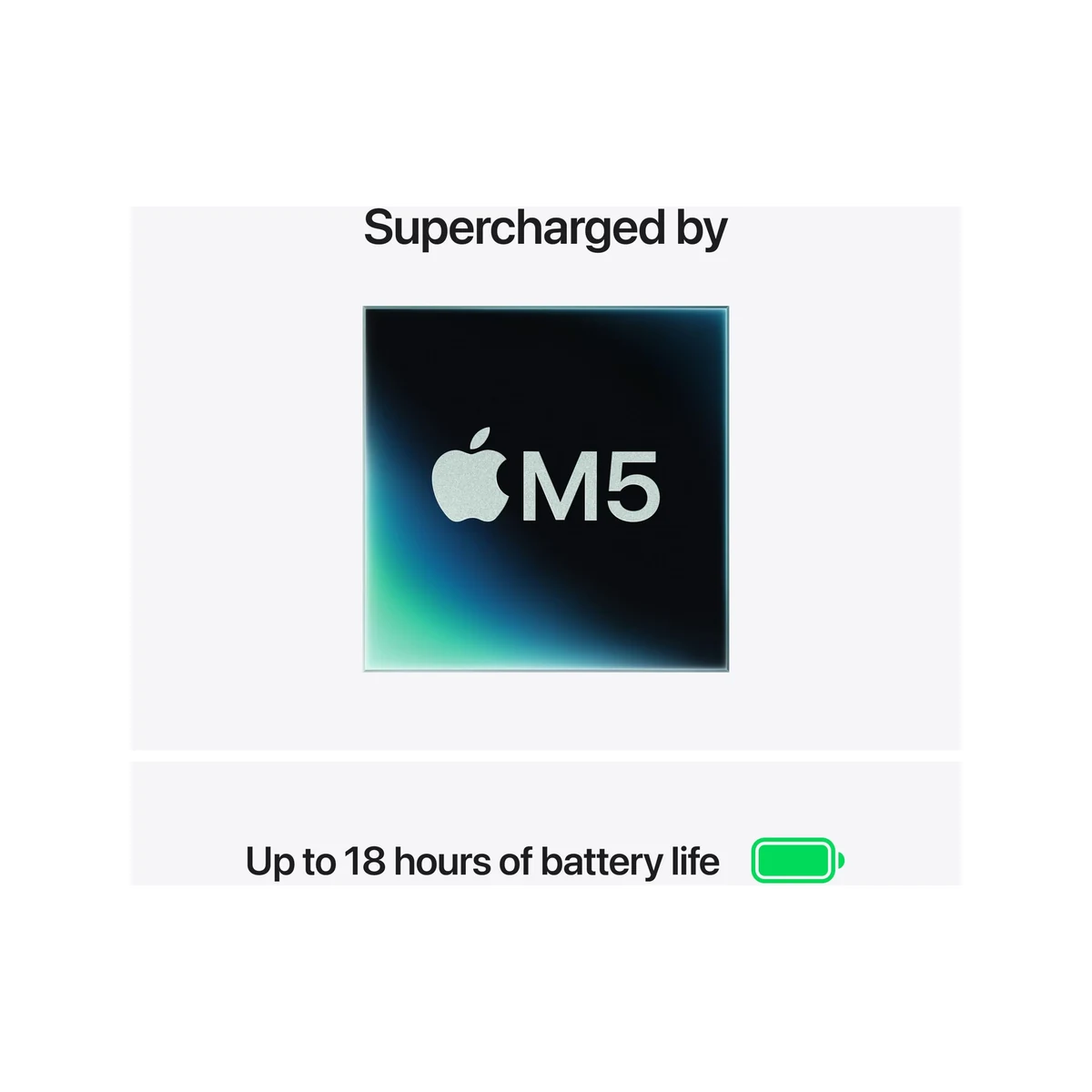
The M5 chip represents Apple’s most significant efficiency leap since the original M1. With an 8-core CPU (4 performance, 4 efficiency) and 10-core GPU featuring hardware-accelerated ray tracing, the MacBook Air 13-inch handles demanding tasks with remarkable composure for a fanless device. In Geekbench 6 benchmarks, the M5 scores approximately 2,850 single-core and 12,400 multi-core, representing a 25-30% improvement over the M4 Air. The 16-core Neural Engine delivers blistering AI performance, enabling on-device Apple Intelligence features with near-instant response times.
Real-world performance is where the M5 truly shines. 4K video editing in Final Cut Pro remains smooth with multiple streams and effects, while Photoshop and Lightroom edits apply almost instantaneously. The unified memory architecture eliminates stuttering even when juggling dozens of browser tabs, multiple productivity apps, and background AI processes. Thermal throttling is well-managed despite the fanless design, though sustained maximum loads will see some performance tapering after 10-15 minutes — still impressive given the form factor.
For everyday users, the experience feels transformative. App launches are instantaneous, multitasking is effortless, and the system maintains cool, quiet operation even during intensive video calls with background effects and real-time transcription.
Features & Software
The 2026 MacBook Air introduces several meaningful refinements. The upgraded 1080p webcam now performs exceptionally in low light, while the six-speaker spatial audio system delivers room-filling sound that belies the laptop’s slim profile. Apple Intelligence features are deeply integrated into macOS 16.1, offering writing tools, intelligent image generation, and enhanced Siri capabilities that actually understand context and maintain privacy through on-device processing.
The software experience remains Apple’s greatest strength. macOS feels polished, secure, and intuitive, with seamless integration across Apple devices. Features like Continuity, Universal Control, and Handoff work flawlessly, creating a productivity ecosystem that Windows alternatives still struggle to match. The inclusion of two Thunderbolt 5 ports (double the bandwidth of Thunderbolt 4) future-proofs the Air for faster external displays and storage.
Value Proposition
At its starting price, the M5 MacBook Air represents strong value within Apple’s ecosystem. While the initial cost exceeds many Windows ultrabooks, the combination of premium build quality, exceptional battery life, silent operation, and long-term software support (Apple typically supports devices for 7+ years) delivers superior total cost of ownership. The base 16GB memory configuration addresses previous criticism of the 8GB models, making the entry-level Air genuinely usable for modern workloads.

Compared to similarly priced Windows competitors, the MacBook Air offers better display quality, superior keyboard and trackpad, and unmatched efficiency. The real value emerges for users already invested in the Apple ecosystem or those prioritizing portability and reliability over raw specifications.
How It Compares
Against the Dell XPS 13 (2026 model) with its Snapdragon X Elite successor, the MacBook Air M5 delivers superior battery life and a more refined trackpad and keyboard, though the Dell offers a slightly sharper OLED option and more ports. The Air’s macOS ecosystem integration and long-term software support give it a clear edge for users who value simplicity and reliability over customization options.
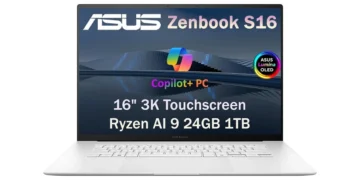
The ASUS Zenbook 14 OLED (2026) provides stronger raw GPU performance and a stunning OLED panel at a lower price point. However, it can’t match the Air’s silent operation, build quality, or the efficiency of Apple’s unified memory architecture. For users prioritizing the Apple ecosystem and all-day battery life, the MacBook Air M5 remains the superior choice despite the premium.
Pros and Cons
Pros
- Outstanding battery life consistently exceeding 18 hours in real-world use.
- Blazing fast M5 performance with excellent thermal management for a fanless design.
- Premium aluminum build quality that feels luxurious yet incredibly portable.
- Refined macOS 16 experience with deeply integrated, privacy-focused Apple Intelligence features.
- Exceptional keyboard, massive trackpad, and vibrant Liquid Retina display.
Cons
- Only two Thunderbolt ports means most users will need dongles for external displays and peripherals.
- Base storage of 512GB fills quickly with large media files and AI model downloads.
- No OLED option available, which some competitors now offer at similar price points.
- Performance throttles under prolonged maximum loads due to the fanless thermal design.
- Premium pricing puts it well above capable Windows ultrabooks with similar specifications.
FAQ
Q: Is the M5 MacBook Air worth upgrading from an M3 or M4 model?
A: Users with M3 models will notice significant improvements in AI capabilities and efficiency. Those with M4 models will see more modest gains primarily in sustained performance and Neural Engine tasks. Most users on M3 or older will benefit from the upgrade.
Q: Does the 2026 MacBook Air support 4K external displays?
A: Yes, the Thunderbolt 5 ports support up to two external 6K displays or a single 8K display when the laptop lid is closed, making it surprisingly capable as a compact workstation.
Q: How does the M5 Air handle video editing?
A: The M5 Air handles 4K video editing smoothly in Final Cut Pro and can manage lighter workloads in Adobe Premiere Pro. It’s not a replacement for the MacBook Pro but exceeds expectations for an ultrathin laptop.
Q: Is 16GB of unified memory enough in 2026?
A: For most users, 16GB is perfectly adequate thanks to Apple’s efficient memory management. Power users running multiple virtual machines or working with very large datasets should consider upgrading to 24GB.
Q: Does the fanless design cause overheating?
A: The M5’s improved efficiency keeps the Air cool during normal use. Heavy sustained workloads will cause some thermal throttling, but the chassis rarely becomes uncomfortably warm.
Verdict
The Apple MacBook Air 13-inch (M5, 2026) is the best ultraportable laptop for users who prioritize battery life, build quality, and seamless software integration. It excels for students, business professionals, and content creators whose workloads don’t require discrete graphics or extreme processing power.
If you value silent operation, an exceptional typing and tracking experience, and long-term reliability within the Apple ecosystem, this is the clear choice. For most people, the M5 Air isn’t just good enough — it’s the sweet spot in Apple’s entire Mac lineup.
Pros
- ✓ Outstanding battery life consistently exceeding 18 hours in real-world use.
- ✓ Blazing fast M5 performance with excellent thermal management for a fanless design.
- ✓ Premium aluminum build quality that feels luxurious yet incredibly portable.
- ✓ Refined macOS 16 experience with deeply integrated, privacy-focused Apple Intelligence features.
- ✓ Exceptional keyboard, massive trackpad, and vibrant Liquid Retina display.
Cons
- ✗ Only two Thunderbolt ports means most users will need dongles for external displays and peripherals.
- ✗ Base storage of 512GB fills quickly with large media files and AI model downloads.
- ✗ No OLED option available, which some competitors now offer at similar price points.
- ✗ Performance throttles under prolonged maximum loads due to the fanless thermal design.
- ✗ Premium pricing puts it well above capable Windows ultrabooks with similar specifications.
Where to Buy the Apple MacBook Air 13-inch (M5, 2026)





Prices may vary. Affiliate links — we may earn a commission at no extra cost to you.
Related Reviews

Affiliate links — we may earn a commission at no extra cost to you.