








The Nikon Z6 III represents a significant leap forward in Nikon’s mirrorless lineup, combining a revolutionary partially stacked sensor with class-leading autofocus and video capabilities. This hybrid powerhouse delivers 20 frames per second shooting with virtually no blackout, making it ideal for sports, wildlife, and event photography while offering cinematic 6K RAW video. In our comprehensive review, we explore whether the Z6 III finally delivers the perfect balance of performance, portability, and price that enthusiasts and professionals have been waiting for.
Table of Contents
Key Specifications
| Feature | Detail |
|---|---|
| Sensor | 24.5MP Full-Frame Partially Stacked BSI CMOS |
| Processor | EXPEED 8 |
| Autofocus | 5,000+ point 3D Tracking with AI Subject Detection (People, Animals, Birds, Vehicles, Aircraft) |
| Continuous Shooting | 20 fps (electronic, AF/AE tracking), 12 fps (mechanical) |
| ISO Range | 100-64,000 (expandable 50-204,800) |
| Video | 6K/60p 12-bit N-RAW, 4K/120p, 1080/240p |
| Image Stabilization | 8.5 stops 5-axis IBIS with Focus Point VR |
| Viewfinder | 5.76M-dot OLED, 120Hz, 0.8x magnification |
| Rear Screen | 3.2″ 2.1M-dot fully articulating touchscreen |
| Storage | 1x CFexpress Type B + 1x SD UHS-II |
| Battery Life | 550 shots (CIPA), improved USB-PD charging |
| Weight | 760g (body only) |
Design & Build Quality
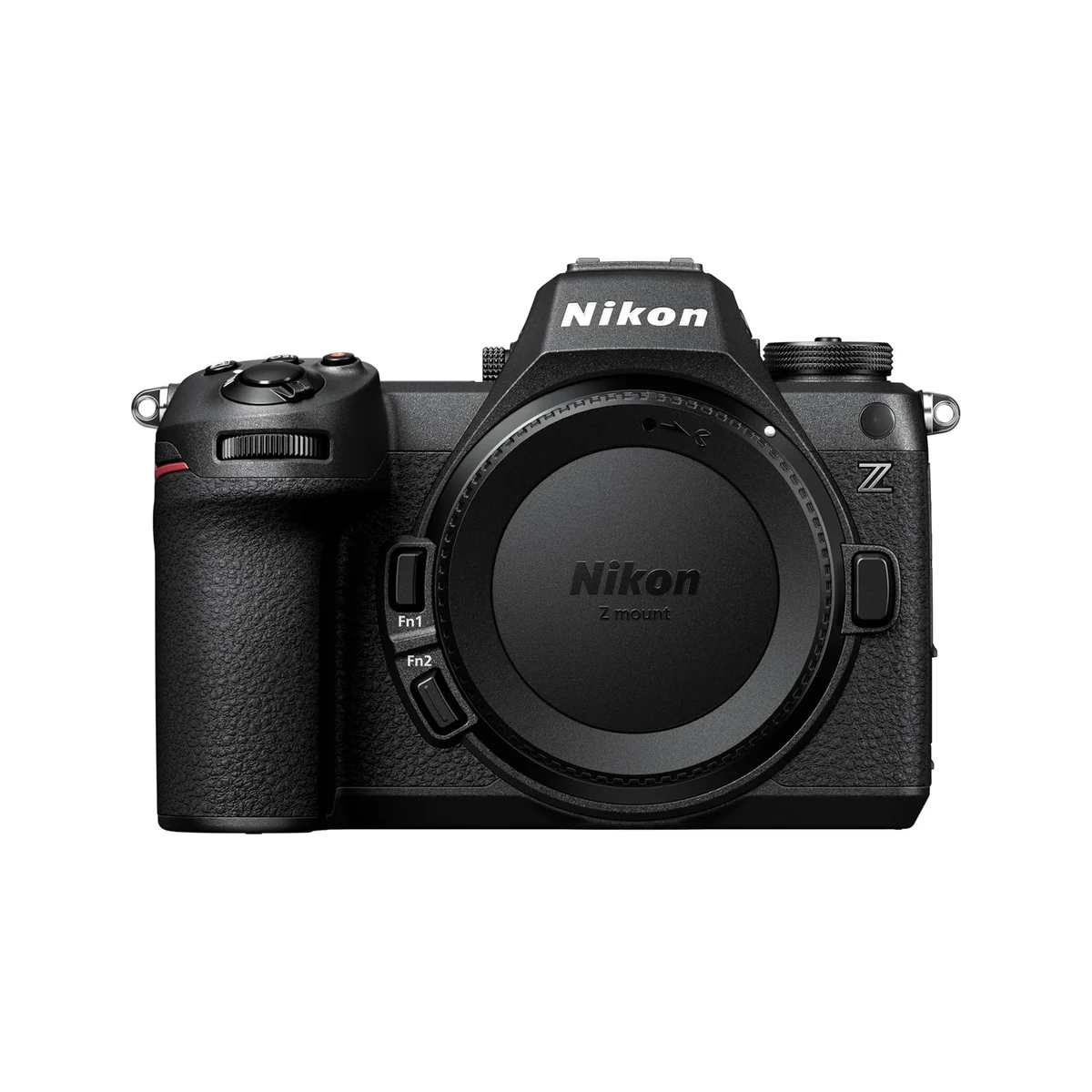
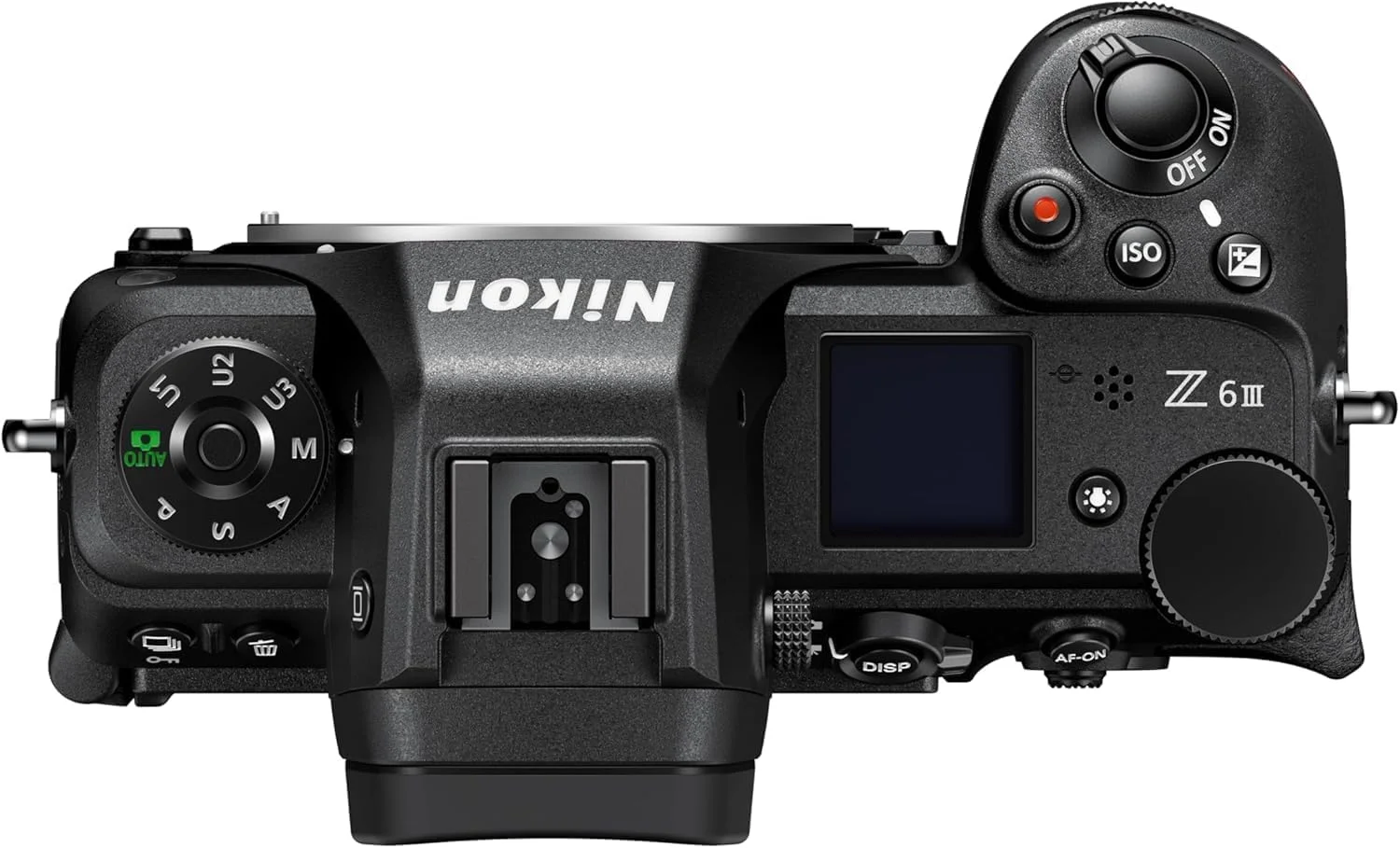
The Nikon Z6 III continues the refined industrial design of the Z series but feels noticeably more substantial thanks to extensive magnesium alloy construction throughout the chassis. Weather sealing has been upgraded to withstand heavy rain, freezing temperatures, and dusty environments with confidence. The deep, contoured grip features improved texturing that provides exceptional purchase even when shooting with large telephoto lenses or in wet conditions for extended periods.
Ergonomics have seen meaningful refinements. The placement of the AF-ON button, joystick, and custom function buttons falls more naturally under the thumb, while the addition of a dedicated switch for stills/video modes streamlines hybrid workflows. The fully articulating 3.2-inch touchscreen is a welcome upgrade over the tilting screen of its predecessor, making it far more practical for vlogging, overhead shots, and awkward angles. The electronic viewfinder is class-leading, delivering a bright, lag-free experience with realistic color and 120Hz refresh rate that makes tracking erratic subjects effortless.
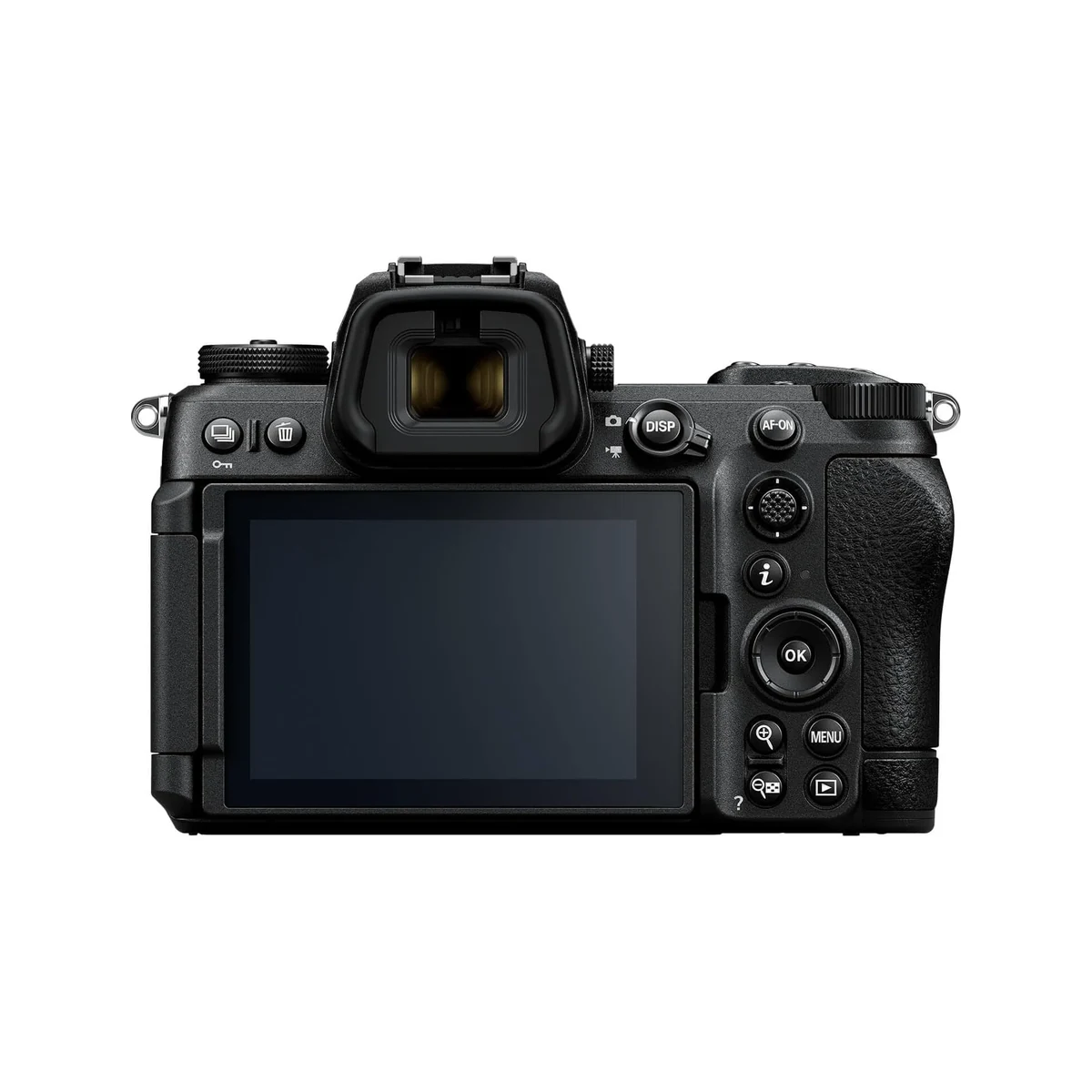
Overall build quality sits comfortably between the enthusiast Z6 II and the flagship Z9. While it lacks the integrated vertical grip of the Z8, the Z6 III strikes an excellent balance between portability and professional durability that will appeal to documentary shooters, event photographers, and solo videographers who need to travel light.
Performance
Real-world performance of the Nikon Z6 III is transformative. The partially stacked sensor paired with the new EXPEED 8 processor enables 20fps blackout-free shooting with full autofocus and autoexposure tracking. The buffer is massive, easily handling over 200 uncompressed RAW files before slowing. In field tests with fast-moving subjects like birds in flight and sports action, the camera maintains focus with remarkable consistency even in challenging backlit or low-contrast scenarios.
Autofocus performance stands out as the biggest leap from the Z6 II. The AI-driven subject detection recognizes and tracks human eyes, animal eyes, birds, vehicles, and aircraft with impressive tenacity. Low-light AF sensitivity reaches an impressive -10EV, allowing reliable operation in near-darkness. Dynamic range tests reveal approximately 14.5 stops at base ISO, while high-ISO performance remains clean through ISO 12,800 with usable results up to ISO 51,200 for most applications.
The 8.5-stop IBIS system works exceptionally well, enabling sharp handheld shots at shutter speeds as slow as 1/2 second with wide-angle lenses. Write speeds benefit from the CFexpress slot, allowing near-instantaneous clearing of the buffer. Startup time is virtually instantaneous, and the camera wakes from sleep almost immediately, making it responsive enough for decisive wildlife moments.
Features & Software
The Z6 III introduces several standout features that enhance both stills and video workflows. Internal 6K/60p RAW recording in Nikon’s N-RAW format provides tremendous grading flexibility, while the camera also offers 4K/120p for slow-motion work and advanced monitoring tools including waveform, vectorscope, and zebras. The Pre-Release Capture function, borrowed from the Z9, helps ensure you never miss the peak moment in unpredictable action.
Nikon’s color science remains class-leading, delivering pleasing skin tones and natural-looking foliage straight out of camera. The menu system has received a modest refresh with better categorization, though it still requires some familiarization for users coming from Sony or Canon systems. SnapBridge wireless connectivity is reliable for transferring stills and offers basic remote control, though it lacks the depth of some competitors’ apps. Firmware updates have already addressed early overheating concerns, demonstrating Nikon’s commitment to supporting the platform.
Value Proposition
At its current price point in 2026, the Nikon Z6 III offers compelling value for hybrid shooters who need professional stills performance and serious video capabilities without stepping up to the significantly more expensive Z8 or Z9. The combination of 20fps shooting, class-leading autofocus, and internal 6K RAW in a weather-sealed body under 800g represents excellent performance-per-dollar compared to similarly specified competitors.
While the Z6 II remains a capable and more affordable option for those primarily shooting stills, the Z6 III’s sensor, processor, and AF improvements justify the premium for users who regularly shoot action or require advanced video features. The growing Z-mount lens ecosystem, including excellent third-party options from Sigma and Tamron, further enhances the camera’s long-term value proposition.
How It Compares
Against the Canon EOS R6 Mark II, the Nikon Z6 III offers superior viewfinder resolution and refresh rate along with better subject detection for birds and aircraft. While Canon edges ahead in battery life and some video codecs, Nikon provides internal RAW recording and a more intuitive control layout for many users. The Z6 III’s ergonomics and lens rendering are often preferred by photographers who value Nikon’s color science.
Compared to the Sony A7 IV, the Z6 III delivers faster burst rates with a deeper buffer, significantly better viewfinder experience, and superior ergonomics. Sony maintains advantages in lens selection and certain computational features, but the Nikon feels more refined for extended shooting sessions and offers better weather sealing and dual card slot implementation for professional reliability.
Pros and Cons
Pros
- Blazing 20fps blackout-free shooting with reliable subject tracking that excels in sports and wildlife photography.
- Outstanding 6K/60p RAW video capabilities with comprehensive monitoring tools for serious hybrid creators.
- Exceptional build quality with improved ergonomics and a class-leading electronic viewfinder.
- Beautiful Nikon color science paired with excellent dynamic range and high-ISO performance.
- Versatile dual card slots and thoughtful hybrid stills/video control layout.
Cons
- The 24.5MP resolution may disappoint landscape and commercial photographers who need higher detail for large prints or heavy cropping.
- Menu system, while improved, remains more convoluted than Sony’s latest interface and has a learning curve for newcomers.
- Video recording in 6K mode can still trigger overheating warnings after approximately 25-35 minutes in warm conditions.
- Premium price represents a significant jump from the Z6 II, potentially pricing out some enthusiasts.
- No pixel-shift high-resolution mode, unlike several competitors in this price range.
FAQ
Q: Is the Nikon Z6 III worth upgrading from the Z6 II?
A: Yes for action, wildlife, or video shooters who will benefit from the dramatically improved autofocus, faster burst rates, and 6K RAW capabilities. Still photographers primarily shooting landscapes may find the upgrade less compelling.
Q: How does the Nikon Z6 III perform for wildlife photography?
A: Exceptionally well. The combination of 20fps shooting, class-leading bird and animal eye AF, 8.5-stop IBIS, and weather sealing makes it one of the strongest options in its price range for wildlife and bird photography.
Q: Can the Nikon Z6 III record 6K video internally?
A: Yes, it supports internal 6K/60p 12-bit N-RAW recording as well as ProRes 422 HQ, giving filmmakers tremendous flexibility without requiring an external recorder.
Q: Does the Z6 III have better battery life than its predecessor?
A: Yes. Nikon has improved efficiency, delivering approximately 550 shots per charge compared to the Z6 II’s 410 shots, though intensive video use will still benefit from spare batteries.
Q: Is the Nikon Z6 III suitable for professional video work?
A: Absolutely. With 6K RAW, waveform monitoring, false color, 4K/120p, and excellent IBIS, it serves as a capable B-camera or even primary camera for many documentary and corporate productions.
Verdict
The Nikon Z6 III is an outstanding hybrid camera that successfully bridges professional stills and video performance in a compact, weather-sealed body. It excels for photographers and videographers who need speed, reliable autofocus, and cinematic video capabilities without the size and cost of flagship models like the Z9.
This is the camera serious enthusiasts and working professionals should consider in 2026 if they value ergonomics, color science, and a balanced feature set. For hybrid creators who shoot both stills and motion, the Z6 III is currently one of the most compelling options available.
Pros
- ✓ Blazing 20fps blackout-free shooting with reliable subject tracking that excels in sports and wildlife photography.
- ✓ Outstanding 6K/60p RAW video capabilities with comprehensive monitoring tools for serious hybrid creators.
- ✓ Exceptional build quality with improved ergonomics and a class-leading electronic viewfinder.
- ✓ Beautiful Nikon color science paired with excellent dynamic range and high-ISO performance.
- ✓ Versatile dual card slots and thoughtful hybrid stills/video control layout.
Cons
- ✗ The 24.5MP resolution may disappoint landscape and commercial photographers who need higher detail for large prints or heavy cropping.
- ✗ Menu system, while improved, remains more convoluted than Sony’s latest interface and has a learning curve for newcomers.
- ✗ Video recording in 6K mode can still trigger overheating warnings after approximately 25-35 minutes in warm conditions.
- ✗ Premium price represents a significant jump from the Z6 II, potentially pricing out some enthusiasts.
- ✗ No pixel-shift high-resolution mode, unlike several competitors in this price range.
Where to Buy the Nikon Z6 III





Prices may vary. Affiliate links — we may earn a commission at no extra cost to you.
Related Reviews

Affiliate links — we may earn a commission at no extra cost to you.