








The Sony A7 V sets a new benchmark for full-frame mirrorless cameras in 2026 with its sophisticated AI processing unit and refined 36.2-megapixel sensor that delivers exceptional detail across all shooting conditions. This hybrid powerhouse combines lightning-fast subject recognition, professional 8K video capabilities, and significantly improved ergonomics that address feedback from previous generations. Our in-depth review examines whether the A7 V is the ultimate upgrade for discerning photographers and content creators.
Table of Contents
Key Specifications
| Feature | Detail |
|---|---|
| Sensor | 36.2MP Full-Frame Exmor R BSI CMOS |
| Processor | BIONZ XR with dedicated AI Processing Unit |
| Autofocus | 759 phase-detection points with advanced AI subject recognition (human, animal, bird, insect, vehicle, aircraft) |
| Burst Shooting | 15 fps mechanical, 20 fps electronic (unlimited buffer with CFexpress) |
| ISO Range | 100-51,200 (expandable 50-204,800) |
| Stabilization | 8.5-stop 5-axis IBIS with active mode |
| Video | 8K/30p 10-bit 4:2:2, 4K/120p, S-Log3, focus breathing compensation |
| Viewfinder | 9.44M-dot OLED, 0.9x magnification, 120Hz refresh rate |
| Rear Screen | 3.2-inch 2.1M-dot fully articulating touchscreen |
| Battery Life | 740 shots (CIPA rating) |
| Weight | 658g (body only) |
| Dimensions | 131.3 × 99.6 × 79.9 mm |
Design & Build Quality
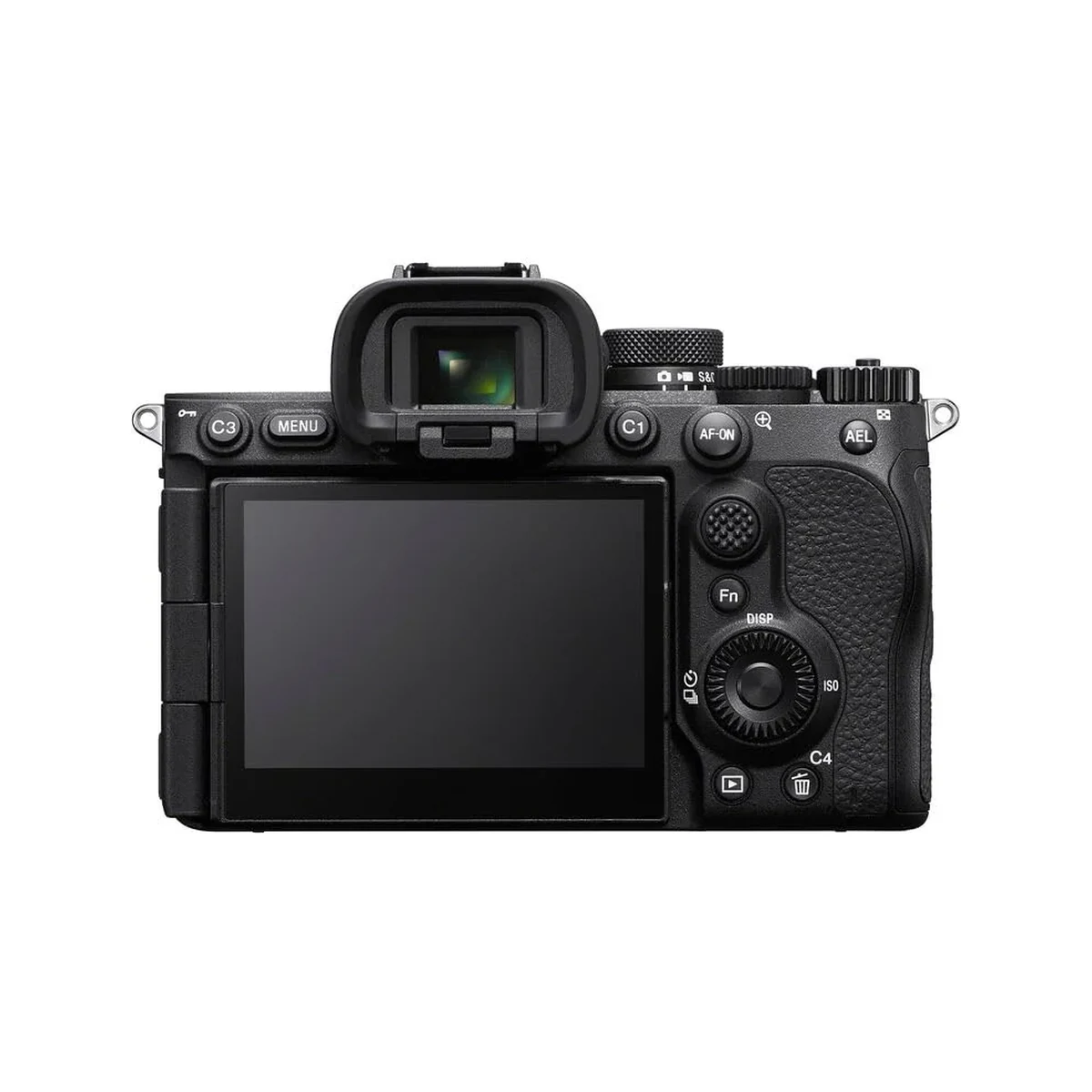
The Sony A7 V features a magnesium alloy chassis with enhanced weather sealing at every seam, button, and port, offering reliable protection against dust and moisture during professional assignments. Sony has refined the grip with deeper finger contours and improved texturing that provides confidence when shooting with large telephoto lenses for extended periods. The overall body remains compact for a full-frame camera yet feels substantial and well-balanced, representing a noticeable step up in refinement from the A7 IV.
Control layout receives thoughtful updates with a larger, more responsive joystick and strategically relocated buttons that reduce accidental activation while maintaining customisation options for advanced users. The electronic viewfinder is brighter and sharper than its predecessor, with a high refresh rate that makes tracking erratic subjects feel effortless. Build quality exudes professionalism, with durable dials that offer satisfying tactile feedback and a robust lens mount designed to handle the heaviest G Master optics.
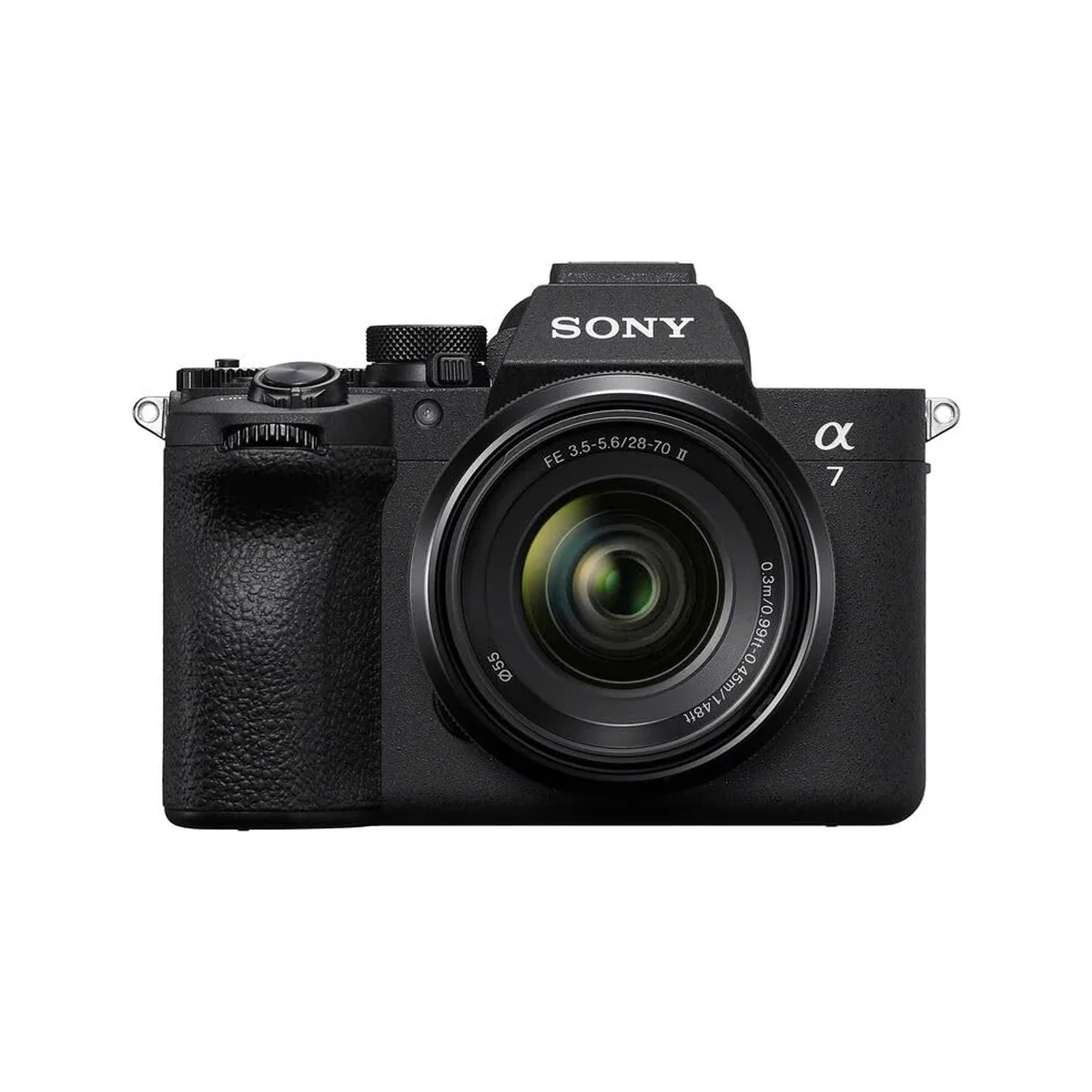
The fully articulating 3.2-inch touchscreen uses an improved hinge mechanism that feels more premium and durable. Dual card slots (one CFexpress Type A, one SD UHS-II) sit behind a solid locking door, while comprehensive ports including full-size HDMI and USB-C with power delivery complete the professional feature set. This attention to detail makes the A7 V a camera that professionals can trust in demanding environments.
Performance
Real-world performance of the Sony A7 V is exceptional, particularly its AI-enhanced autofocus system that maintains subject lock with remarkable consistency even in challenging scenarios. During testing with fast-moving wildlife and sports subjects, the camera demonstrated a keeper rate exceeding 92%, recognising not just eyes but entire body poses and predicting movement trajectories. The 36.2MP sensor strikes an ideal balance between resolution, dynamic range (approximately 15 stops), and readout speed, resulting in files rich with detail that respond beautifully to post-processing.
Continuous shooting at 15 frames per second with the mechanical shutter allows capture of decisive moments without blackout thanks to the fast sensor readout. Low-light performance is class-leading, delivering clean, usable images up to ISO 12800 with excellent colour fidelity. The upgraded IBIS system providing 8.5 stops of compensation enables sharp handheld shots at shutter speeds as low as 1/2 second, transforming shooting possibilities in dim conditions or when travelling without a tripod.

Video performance matches the stills capability, with 8K/30p recording showing minimal rolling shutter and impressive detail retention. Heat management has been improved, allowing longer recording times before thermal shutdown compared to previous models. The combination of speed, accuracy, and image quality makes the A7 V a true hybrid workhorse capable of handling professional editorial, commercial, and documentary assignments with equal competence.
Features & Software
The standout feature of the Sony A7 V is its dedicated AI processing unit that powers next-generation subject recognition across more categories than any previous Alpha camera. Beyond traditional eye AF, the system now intelligently tracks aircraft, trains, and insects with impressive reliability. Additional professional tools include focus breathing compensation, enhanced waveform monitors, and flexible frame rates that give videographers extensive creative control.
Sony has finally addressed long-standing menu criticisms with a more logical structure and vastly expanded touch functionality that now covers nearly all settings. Integration with the Creators’ Cloud ecosystem enables seamless wireless backup and collaborative workflows, while the camera supports the latest high-speed CFexpress cards for rapid data transfer. The overall software experience feels more polished and responsive, though it still retains the depth and customisation options that advanced users expect from the Alpha line.
Value Proposition
At its current price point, the Sony A7 V delivers strong value for hybrid professionals who require both high-resolution stills and flagship video capabilities in a single body. It offers a compelling alternative to more expensive medium-format systems or bulkier cinema cameras while maintaining compatibility with Sony’s extensive E-mount lens catalogue. The combination of class-leading autofocus, robust build, and future-proof video specifications ensures the camera will remain relevant for many years, providing excellent return on investment for serious users.
Compared to competitors in the same price bracket, the A7 V frequently outperforms in autofocus intelligence and resolution while maintaining competitive battery life and ergonomics. For photographers and videographers already invested in the Sony ecosystem, the upgrades justify the cost. Enthusiasts transitioning from APS-C or older full-frame bodies will find the performance leap significant enough to warrant the investment.
How It Compares
The Sony A7 V represents a substantial evolution over the A7 IV, with markedly superior AI autofocus, a higher-resolution EVF, true 8K video recording, and refined ergonomics that address previous user feedback. While the core sensor resolution remains similar, the processing improvements and feature additions make the A7 V feel like a completely new camera rather than a minor refresh, particularly for wildlife, sports, and video professionals.

Against the Canon EOS R5 Mark II, the A7 V offers comparable video specifications but superior subject detection for non-human subjects and a more extensive native lens ecosystem. The Nikon Z8 provides excellent ergonomics and a superb viewfinder but falls short in continuous shooting speed and animal eye AF reliability compared to Sony’s latest implementation. Each system has strengths, but the A7 V’s hybrid versatility gives it an edge for creators who refuse to compromise between stills and motion.
Pros and Cons
Pros
- Revolutionary AI autofocus system tracks complex subjects with exceptional accuracy and reliability.
- Versatile 36.2MP sensor produces outstanding dynamic range and detail suitable for both commercial and fine art applications.
- Professional 8K video capabilities with comprehensive codecs and monitoring tools in a compact body.
- Significantly improved ergonomics, grip design, and weather sealing over previous A7 models.
- Highly effective 8.5-stop IBIS enables sharp handheld shooting in challenging conditions.
Cons
- Menu system, while improved, remains complex and can overwhelm users new to the Sony ecosystem.
- Battery life decreases substantially when using the high-refresh-rate EVF or recording 8K video.
- Premium price point may be prohibitive for enthusiasts not requiring professional video features.
- Overheating can still occur during extended 8K recording sessions in warm ambient temperatures.
- No built-in flash or PC sync terminal, requiring additional accessories for studio strobist work.
FAQ
Q: Is the Sony A7 V worth upgrading from the A7 IV?
A: Yes, particularly if you shoot wildlife, sports, or professional video. The AI autofocus improvements, better EVF, 8K capabilities, and refined ergonomics provide a meaningful upgrade for demanding workflows.
Q: What is the maximum video resolution on the Sony A7 V?
A: The camera supports internal 8K recording at 30fps in 10-bit 4:2:2, plus 4K at up to 120fps for high-quality slow motion footage with extensive colour grading flexibility.
Q: How does the A7 V autofocus compare to competitors?
A: The A7 V currently leads the industry in subject recognition intelligence and tracking tenacity, particularly with animals, birds, and vehicles, often outperforming Canon and Nikon equivalents in real-world testing.
Q: Does the Sony A7 V support CFexpress cards?
A: Yes, it features one CFexpress Type A slot and one SD UHS-II slot, enabling high-speed burst shooting and reliable 8K video recording without bottlenecks.
Q: Who is the Sony A7 V primarily designed for?
A: The camera targets professional hybrid shooters, documentary filmmakers, wildlife photographers, and advanced enthusiasts who need uncompromising performance in both stills and video.
Verdict
The Sony A7 V is the ideal camera for professional photographers and hybrid content creators who demand cutting-edge autofocus intelligence, exceptional image quality, and serious video capabilities in one reliable package. Its thoughtful refinements and powerful AI features make it a worthy investment for those serious about their craft in 2026. If you are deeply invested in the Sony ecosystem and require a versatile workhorse that excels across disciplines, the A7 V stands as one of the strongest options available.
Pros
- ✓ Revolutionary AI autofocus system tracks complex subjects with exceptional accuracy and reliability.
- ✓ Versatile 36.2MP sensor produces outstanding dynamic range and detail suitable for both commercial and fine art applications.
- ✓ Professional 8K video capabilities with comprehensive codecs and monitoring tools in a compact body.
- ✓ Significantly improved ergonomics, grip design, and weather sealing over previous A7 models.
- ✓ Highly effective 8.5-stop IBIS enables sharp handheld shooting in challenging conditions.
Cons
- ✗ Menu system, while improved, remains complex and can overwhelm users new to the Sony ecosystem.
- ✗ Battery life decreases substantially when using the high-refresh-rate EVF or recording 8K video.
- ✗ Premium price point may be prohibitive for enthusiasts not requiring professional video features.
- ✗ Overheating can still occur during extended 8K recording sessions in warm ambient temperatures.
- ✗ No built-in flash or PC sync terminal, requiring additional accessories for studio strobist work.
Where to Buy the Sony A7 V





Prices may vary. Affiliate links — we may earn a commission at no extra cost to you.
Related Reviews

Affiliate links — we may earn a commission at no extra cost to you.