
The Fitbit Charge 6 remains a compelling choice in the crowded fitness tracker market, bridging the gap between a basic band and a full-fledged smartwatch. With the integration of advanced Google features and highly accurate heart rate tracking, it caters to data-driven fitness enthusiasts who prefer a minimalist profile. Read on to discover if this sleek wearable deserves a spot on your wrist this year.
Table of Contents
Key Specifications
| Feature | Detail |
|---|---|
| Display | 1.04-inch AMOLED Color Touchscreen |
| Weight | 15g (without band), 37g (with band) |
| Battery Life | Up to 7 days (Always-on display off) |
| Sensors | Optical heart rate, SpO2, ECG, EDA, GPS, GLONASS |
| Water Resistance | 5 ATM (up to 50 meters) |
| Connectivity | Bluetooth 5.0, NFC (Google Wallet) |
| Compatibility | Android 9.0+ / iOS 15+ |
Design & Build Quality
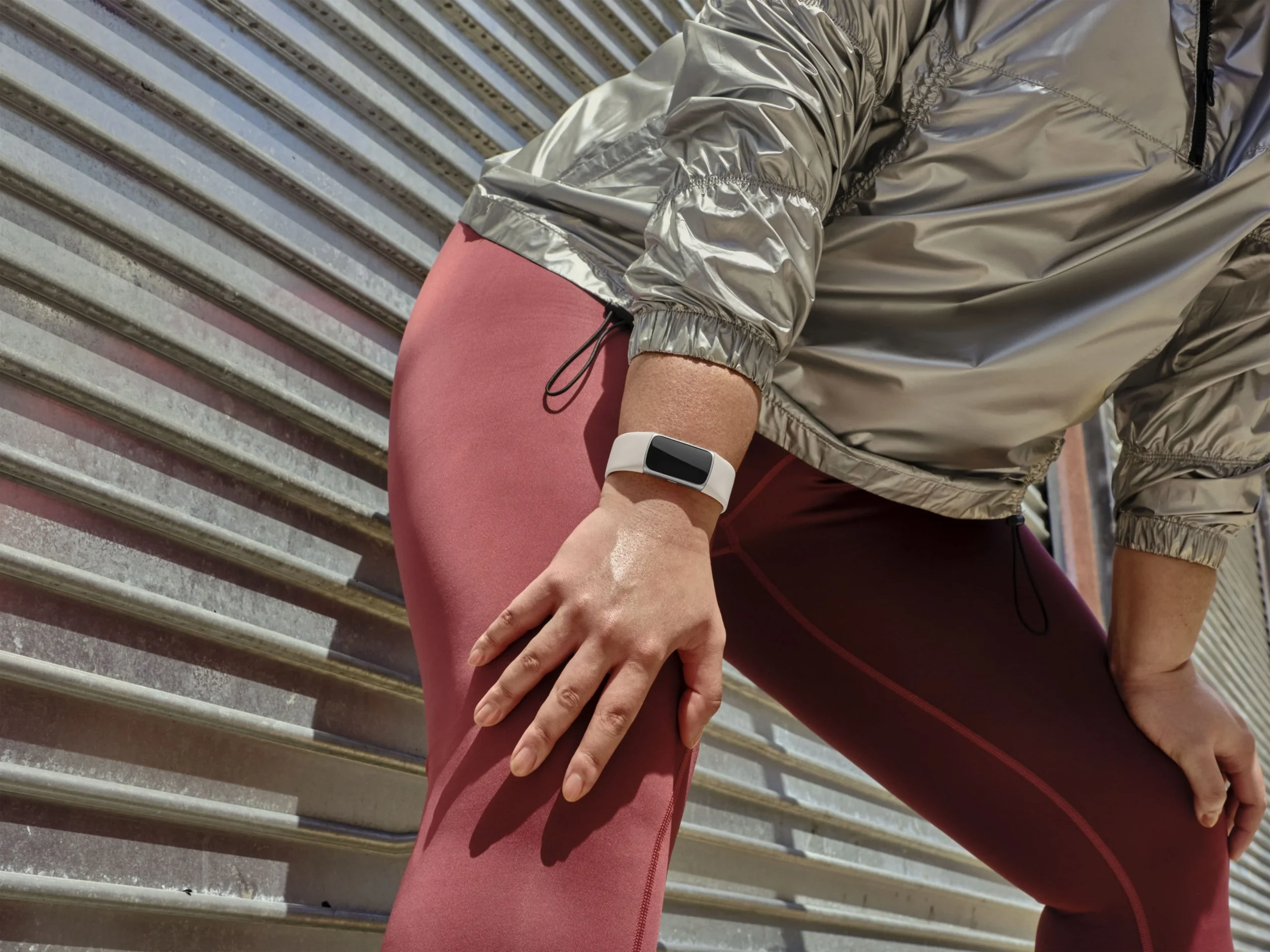
The Fitbit Charge 6 retains the sleek, minimalist design language that made its predecessor so popular, but introduces a crucial physical upgrade: the return of the tactile haptic side button. This addresses one of the most significant gripes of the Charge 5, providing users with a much more reliable way to wake the device, return to the home screen, or navigate menus during sweaty workouts where touchscreens often fail. The casing is constructed from 100% recycled aluminum, giving it a premium feel while remaining astonishingly light at just 15 grams without the band.
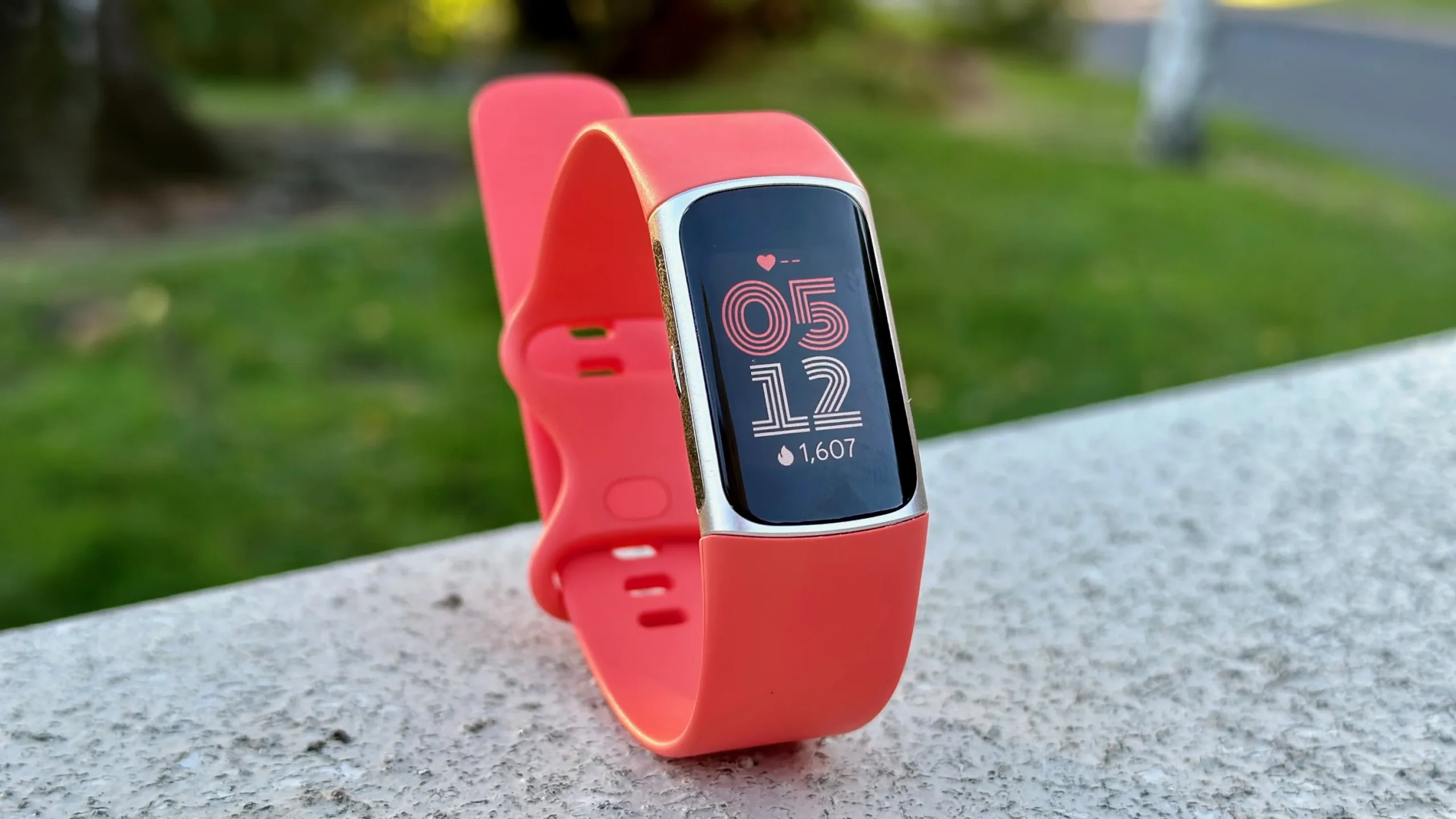
The 1.04-inch AMOLED display remains vibrant and sharp, easily visible under direct sunlight thanks to its ambient light sensor. While the bezels are still slightly thicker than we would like to see on a premium 2026 fitness tracker, the deep blacks of the AMOLED panel cleverly mask them when using darker watch faces. The proprietary band attachment system is secure, and Fitbit includes both small and large infinity bands in the box, made from a comfortable, sweat-resistant silicone that causes zero irritation during extended continuous wear.
Performance
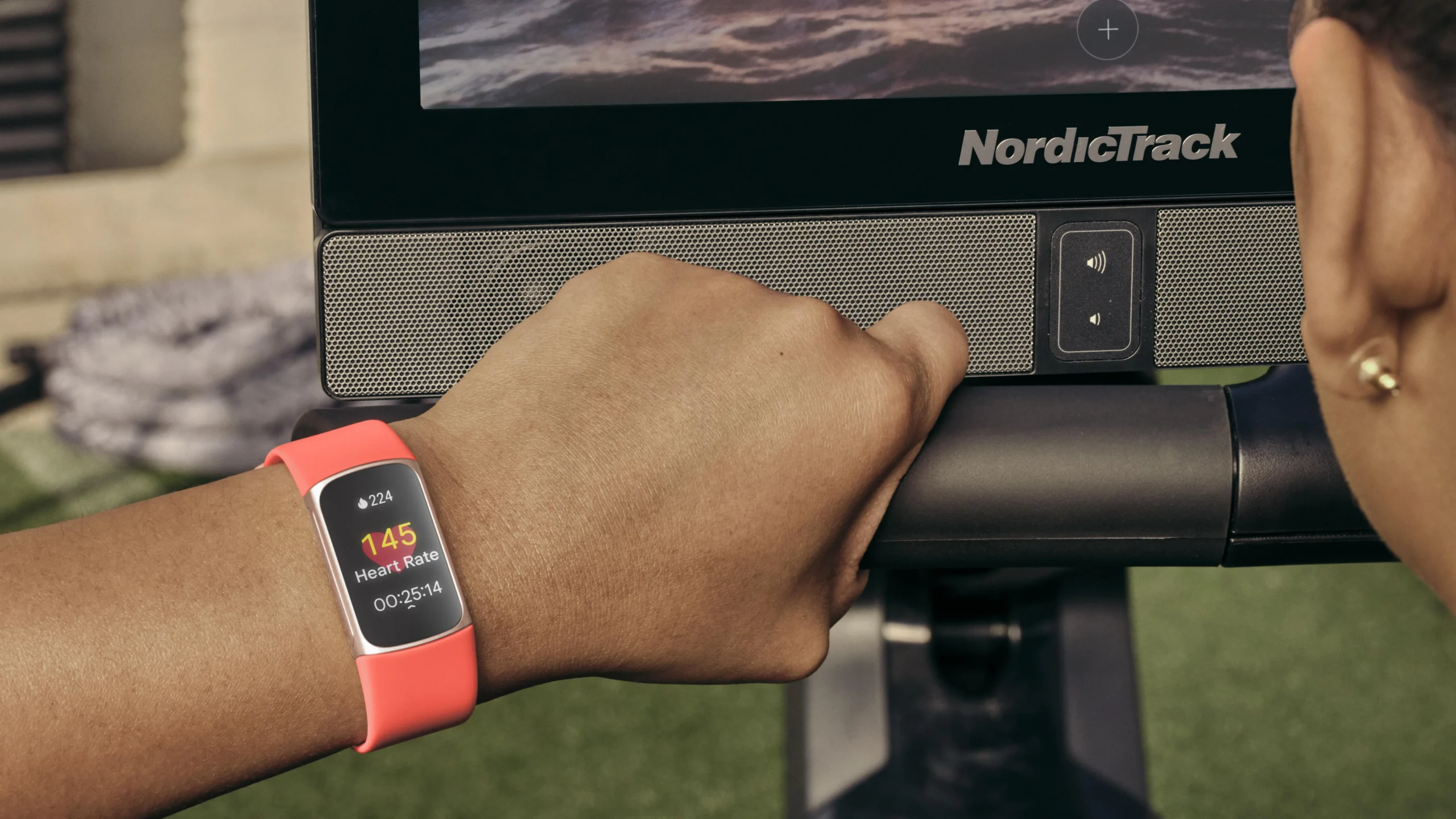
Under the hood, the Charge 6 delivers the most accurate biometric tracking we have seen in the Charge lineage, largely thanks to a revamped machine learning algorithm borrowed from the Pixel Watch line. Real-world testing against dedicated chest straps reveals an impressive correlation in heart rate accuracy, even during rapid shifts in high-intensity interval training (HIIT) where optical sensors historically struggle. The built-in GPS connects significantly faster than previous generations, locking on within 15 seconds in open areas, though it can still falter slightly in dense urban canyons compared to heavier dual-band GPS smartwatches.
Battery life is a strong suit, consistently hitting the promised seven-day mark with standard usage and regular workouts. However, users should temper their expectations if they enable the always-on display (AOD) and utilize daily GPS tracking, which drastically cuts endurance down to about three or four days. Navigating the UI is relatively fluid, though you will occasionally encounter minor stuttering when swiping rapidly through complex data screens, indicating that the internal processor is optimized more for battery efficiency than raw graphical speed.
Features & Software
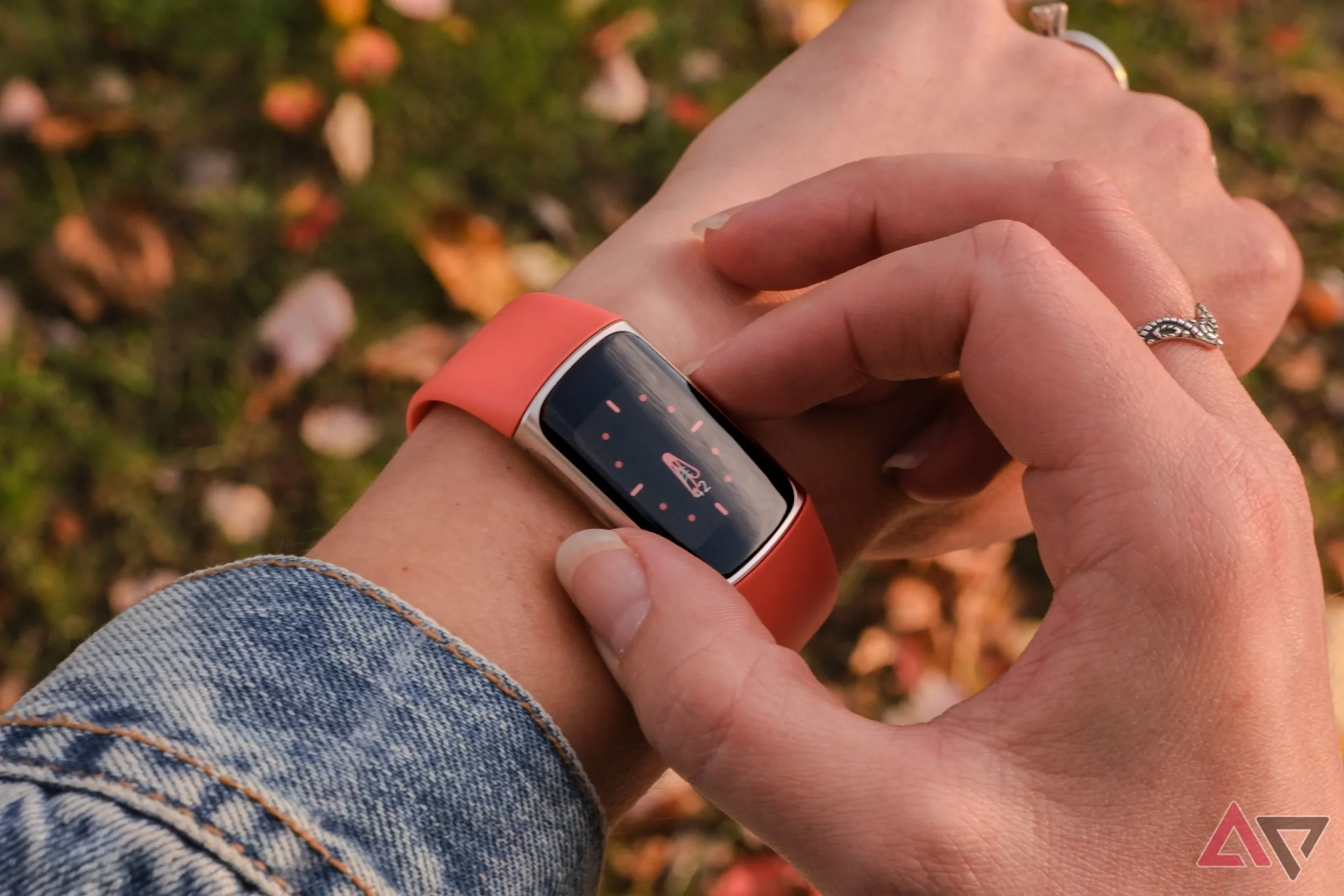
The standout software evolution in the Charge 6 is its deep integration with the Google ecosystem. Out of the box, users gain access to Google Maps for turn-by-turn navigation (when tethered to a phone), Google Wallet for seamless contactless payments, and YouTube Music controls. This drastically elevates the utility of the band, pushing it closer to smartwatch territory without the bulk. On the health side, the Charge 6 carries over the excellent EDA (Electrodermal Activity) sensor for stress management, an ECG app for detecting atrial fibrillation, and comprehensive sleep staging that remains the gold standard in the wearable industry.
However, it is worth noting that Fitbit’s software ecosystem still heavily pushes the Fitbit Premium subscription. While daily readiness scores, detailed sleep profiles, and advanced historical data are incredibly insightful, locking these metrics behind a recurring paywall remains a frustrating experience for users who have already paid a premium price for the hardware.
Value Proposition
In the current 2026 wearable landscape, the Fitbit Charge 6 sits in an interesting middle ground. It commands a higher price tag than budget fitness bands from brands like Xiaomi or Amazfit, but costs significantly less than a flagship Apple Watch or Samsung Galaxy Watch. For the asking price, you are investing in Fitbit’s highly refined companion app, unmatched sleep analytics, and the modern convenience of Google services.
If you view it strictly as a dedicated fitness tracker, the value proposition is incredibly strong. It offers 90% of the health-tracking capabilities of a high-end smartwatch in a form factor that will not get in the way of barbell squats or a good night’s sleep. Buyers must simply factor in the ongoing cost of Fitbit Premium if they want to unlock the absolute maximum value from the data the device collects.
How It Compares
When pitted against the Garmin Vivosmart 5, the Charge 6 emerges victorious in display quality and smart features. The Garmin relies on a monochromatic OLED screen and lacks native GPS, whereas the Charge 6 offers a brilliant color AMOLED and built-in tracking. However, Garmin’s entirely subscription-free app makes it a better long-term value for serious data nerds. Compared to the Apple Watch SE (2nd Gen), the Charge 6 is vastly superior in battery life—lasting a week rather than a day—and offers a less intrusive profile for sleep tracking. Conversely, the Apple Watch SE delivers a much smoother UI, a massive third-party app ecosystem, and better messaging support, making it the better choice if smart features are your top priority.
Pros and Cons
Pros
- The return of the physical side button vastly improves UI navigation during active workouts.
- Heart rate tracking accuracy is exceptional, rivaling much more expensive smartwatches.
- Native integration with Google Wallet and Google Maps adds genuine daily utility to the band.
- Sleep tracking and deep rest analysis remain the best in the fitness wearable class.
Cons
- The built-in GPS can occasionally be slow to connect and lose signal in dense urban environments.
- Crucial advanced health metrics, like the Daily Readiness Score, are locked behind a Fitbit Premium paywall.
- The display bezels are noticeably thick by modern hardware standards.
- Music control is strictly limited to YouTube Music, alienating Spotify and Apple Music users.
FAQ
Q: Does the Fitbit Charge 6 work with iPhones?
A: Yes, the Fitbit Charge 6 is fully compatible with iOS 15 or higher, though certain features like quick replies to text messages are exclusive to Android devices.
Q: Can I swim with the Fitbit Charge 6?
A: Absolutely. The device has a 5 ATM water resistance rating, meaning it is safe for surface swimming and showering up to 50 meters deep.
Q: Do I need to carry my phone to use GPS on the Charge 6?
A: No, the Charge 6 has built-in GPS, allowing you to accurately track the pace and distance of your outdoor runs or cycles while leaving your smartphone at home.
Q: Is a Fitbit Premium subscription mandatory to use the device?
A: It is not mandatory to use the device. Basic activity tracking, heart rate, and standard sleep metrics are free, but advanced analytics and specialized workout classes require the subscription.
Verdict
The Fitbit Charge 6 is the definitive fitness tracker for users who want sophisticated health and sleep analytics without the bulk and battery anxiety of a traditional smartwatch. With its refined heart rate algorithm and highly useful Google integrations, it perfectly balances everyday smarts with hardcore fitness tracking. It is highly recommended for Android and iOS users alike who prioritize discrete, reliable health monitoring over third-party apps and constant notifications.
Where to Buy
Pros
- ✓ The return of the physical side button vastly improves UI navigation during active workouts.
- ✓ Heart rate tracking accuracy is exceptional, rivaling much more expensive smartwatches.
- ✓ Native integration with Google Wallet and Google Maps adds genuine daily utility to the band.
- ✓ Sleep tracking and deep rest analysis remain the best in the fitness wearable class.
Cons
- ✗ The built-in GPS can occasionally be slow to connect and lose signal in dense urban environments.
- ✗ Crucial advanced health metrics, like the Daily Readiness Score, are locked behind a Fitbit Premium paywall.
- ✗ The display bezels are noticeably thick by modern hardware standards.
- ✗ Music control is strictly limited to YouTube Music, alienating Spotify and Apple Music users.
Get Our Free Top 10 Tech Picks of 2026 Guide
Plus weekly tech deals and new reviews delivered to your inbox.
[cp_email_signup]
No spam. Unsubscribe anytime.
Ready to buy the Fitbit Charge 6?
Affiliate link — we may earn a commission at no extra cost to you.