



The Fitbit Versa 4 remains a popular choice for fitness enthusiasts in 2026, offering a sleek redesign and robust health tracking. But does its focus on basics over smartwatch smarts hold up against an increasingly competitive wearable market? We break down its performance, features, and value to see if it deserves a spot on your wrist.
Table of Contents
Key Specifications
| Feature | Detail |
|---|---|
| Display | 1.58-inch AMOLED Touchscreen |
| Dimensions | 38.1 x 38.1 x 11.4 mm |
| Weight | 37.6g (with strap) |
| Battery Life | Up to 6 days (3 days with AOD) |
| Water Resistance | 50 meters (5 ATM) |
| Connectivity | Bluetooth 5.0, NFC, Built-in GPS |
| Sensors | Optical heart rate, SpO2, Altimeter, Accelerometer |
| Compatibility | Android 9.0+, iOS 14+ |
Design & Build Quality
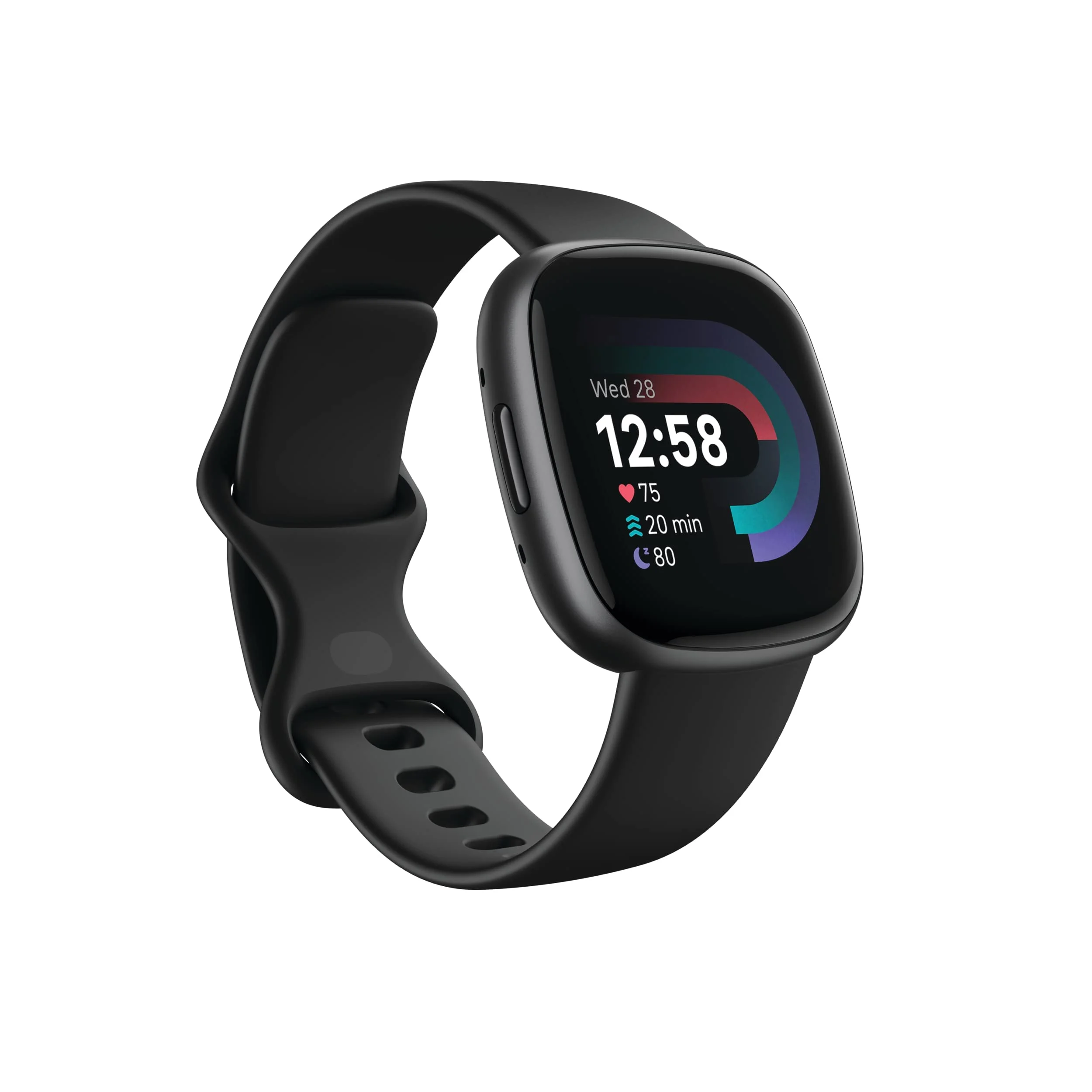
Fitbit has always excelled at creating approachable, lifestyle-friendly wearables, and the Versa 4 refines this design philosophy beautifully. Compared to its predecessor, the Versa 4 boasts a slimmer, lighter aluminium chassis that sits flush against the wrist. This subtle reduction in bulk makes a tremendous difference for a device meant to be worn 24/7, effectively eliminating the cumbersome feeling often associated with sleep tracking.
Perhaps the most universally welcomed design change is the return of the tactile physical side button. Fitbit experimented with a capacitive groove on the Versa 3, which proved frustratingly inconsistent, especially during sweaty workouts or while wearing gloves. The physical button on the Versa 4 restores intuitive, reliable navigation, proving that sometimes traditional hardware is superior to touch-sensitive innovations.
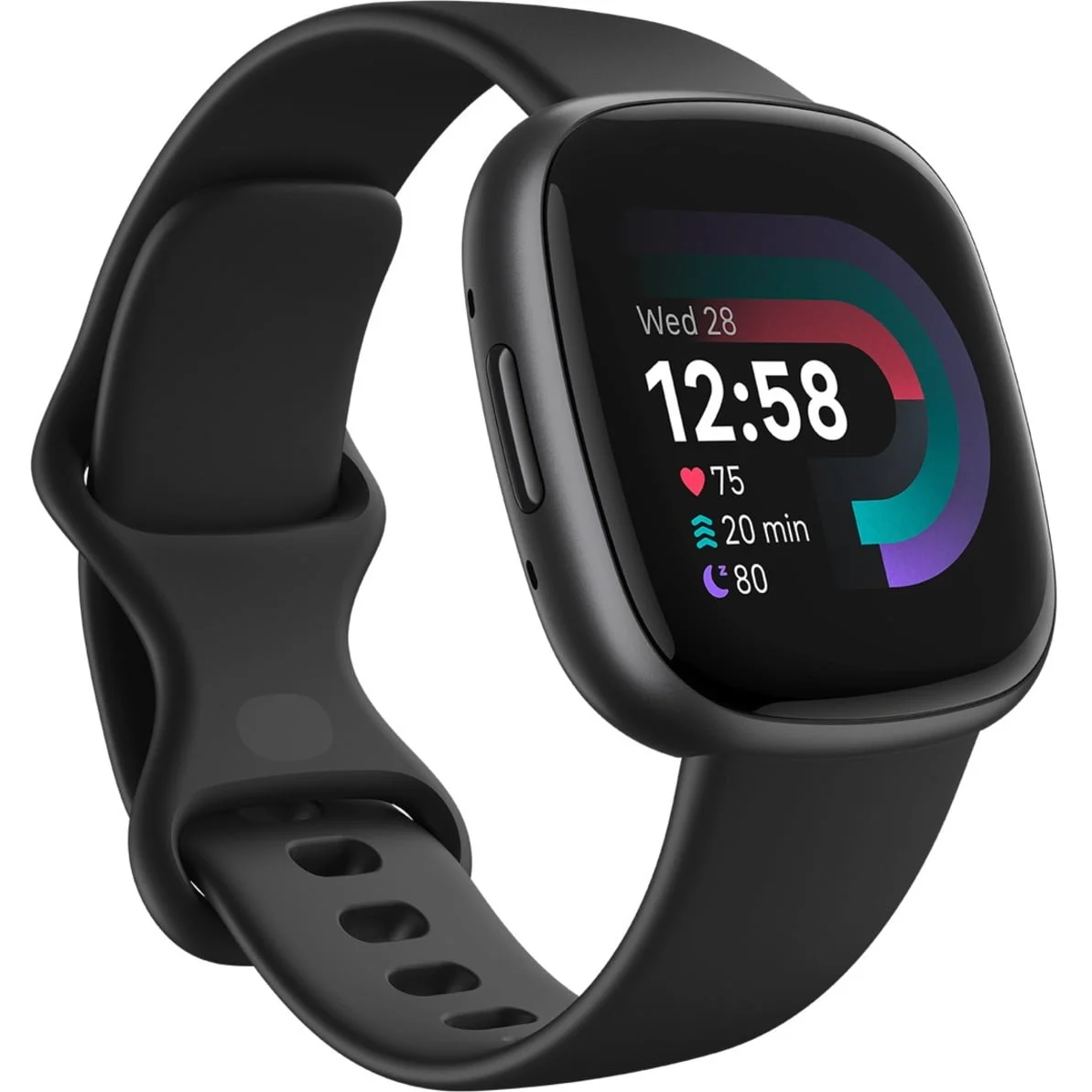
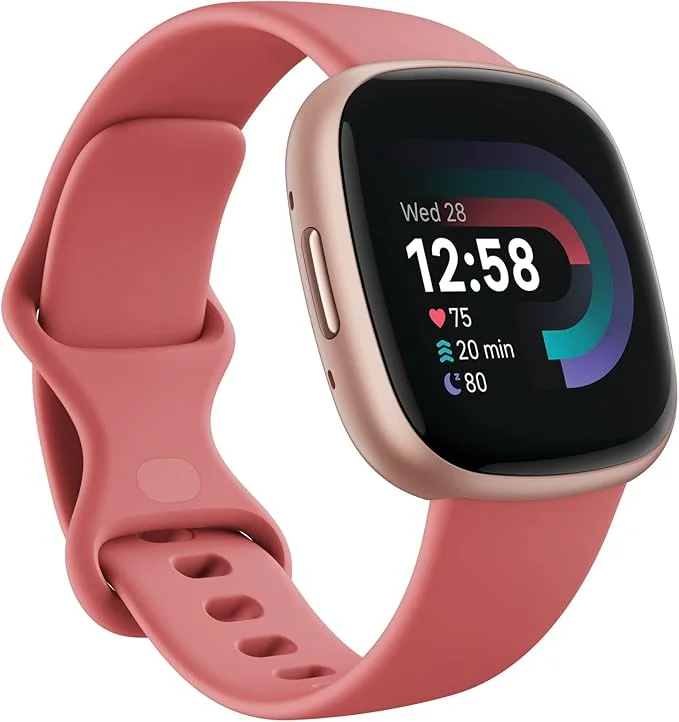
The 1.58-inch AMOLED display remains a standout feature of the hardware. It is vibrant, sharp, and sufficiently bright to remain legible under direct sunlight. The curved glass seamlessly bleeds into the metal casing, giving the watch a premium aesthetic that punches slightly above its price bracket. Combined with the soft, flexible infinity band, the Versa 4 offers exceptional ergonomics for both the boardroom and the gym.
Performance
When evaluating real-world performance, the Fitbit Versa 4 is a tale of two halves. Day-to-day UI navigation is generally fluid, thanks to the streamlined Fitbit OS. Swiping through widgets to check your daily step count, sleep score, or heart rate is responsive, though you may occasionally notice minor frame drops if you rapidly cycle through menus. It isn’t quite as buttery smooth as flagship smartwatches, but it is more than adequate for its intended use case.
Fitness tracking performance is where the device truly shows its pedigree. The optical heart rate sensor delivers highly consistent data during steady-state cardio activities like running, cycling, and rowing. However, like many wrist-based optical sensors, it can exhibit a slight lag when tracking rapid heart rate spikes during intense High-Intensity Interval Training (HIIT) or heavy weightlifting. The built-in GPS is relatively accurate for mapping suburban runs, though it can sometimes take up to a minute to establish a solid lock in densely populated urban environments with tall buildings.
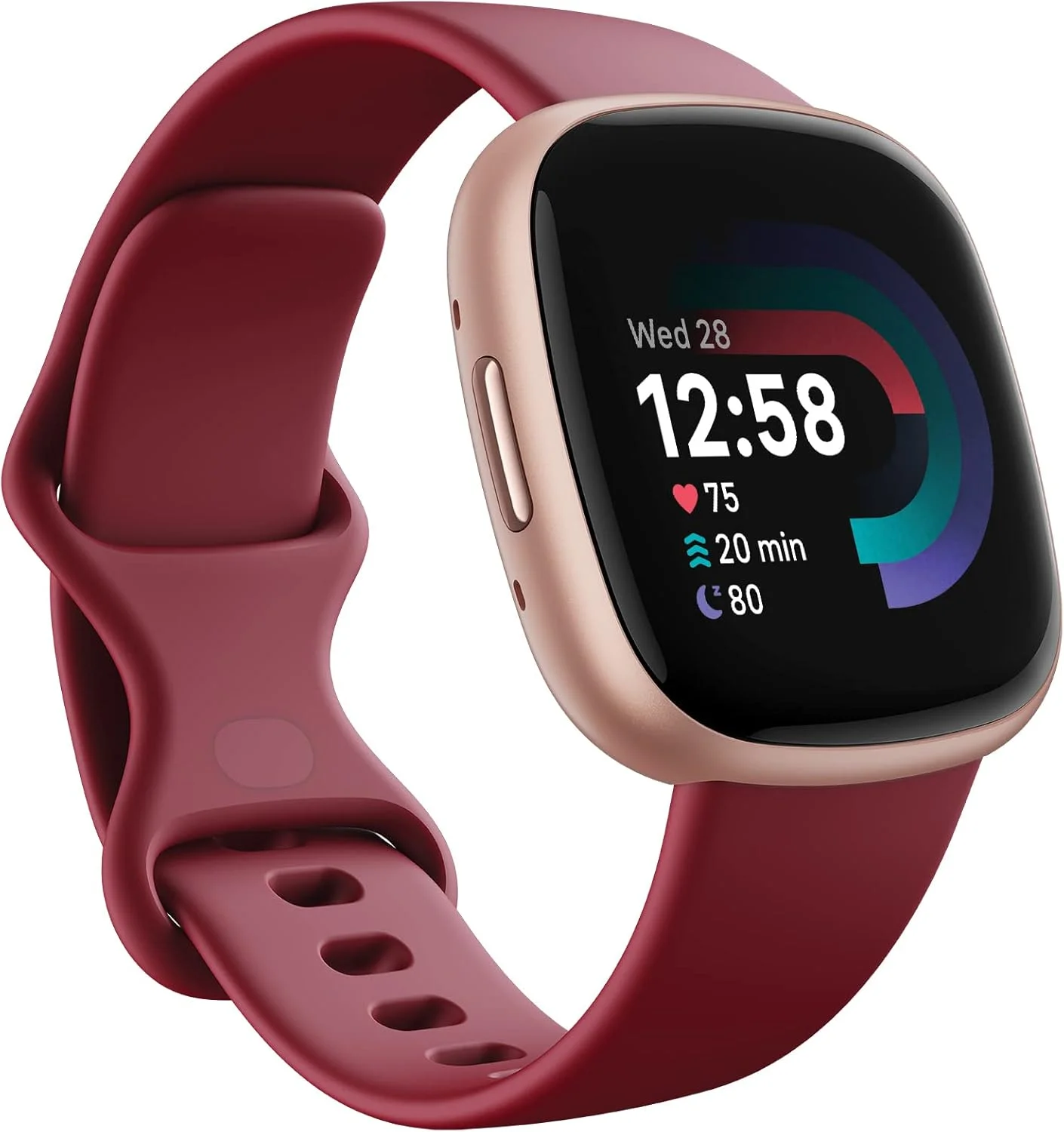
Battery longevity remains one of the Versa 4’s most compelling selling points. Fitbit advertises up to six days of battery life, and in our testing, this claim holds true under normal usage conditions. Even with the Always-On Display (AOD) activated and tracking a one-hour GPS-enabled run every other day, the watch comfortably lasts between three and four days. When you do run out of juice, the fast-charging feature provides a full day’s worth of battery in just 12 minutes, making battery anxiety a thing of the past.
Features & Software
The Versa 4 operates on a pared-down version of Fitbit OS, pivoting away from a true smartwatch experience to focus heavily on core health tracking. Standard metrics like SpO2 tracking, continuous heart rate monitoring, and Fitbit’s industry-leading sleep staging are all present and exceptionally detailed. The integration of Google Wallet and Google Maps brings genuine everyday utility to your wrist, allowing for easy contactless payments and turn-by-turn walking directions without needing to pull out your smartphone.
However, the software experience comes with notable caveats. Fitbit has entirely removed support for third-party applications and Wi-Fi connectivity, effectively turning the Versa 4 into an advanced fitness tracker rather than a versatile smartwatch. Furthermore, while the Fitbit app remains one of the most user-friendly platforms on the market, many of the most actionable insights—such as the Daily Readiness Score and in-depth sleep profiles—are locked behind the Fitbit Premium paywall.
Value Proposition
In 2026, the smartwatch market is highly saturated, but the Fitbit Versa 4 manages to carve out a distinct value proposition by doubling down on battery life and health basics. Its launch price has settled to a highly competitive rate, making it an attractive option for buyers who suffer from feature fatigue and simply want a reliable health companion.
That being said, the long-term value is somewhat hampered by the ongoing cost of Fitbit Premium. If you choose not to subscribe after the initial trial period, you are left with a slightly gated experience. For those who strictly want to monitor their steps, sleep, and casual workouts without worrying about daily charging, the upfront hardware cost still justifies the investment.
How It Compares
When positioned against the Apple Watch SE (2nd Gen), the Versa 4 wins easily on battery life and native sleep tracking, but the Apple Watch decimates it in terms of third-party app support, UI fluidity, and ecosystem integration. If you are an iOS user who wants a true smartwatch, the Apple Watch SE remains the better buy.
Compared to the Garmin Venu Sq 2, the competition is fiercer. Both are fitness-first devices with AMOLED displays and excellent battery life. However, Garmin offers a wealth of deep, actionable training metrics (like Body Battery) with absolutely no recurring subscription fees. While Fitbit’s companion app is arguably more intuitive for beginners, the Garmin Venu Sq 2 presents a better long-term value for serious data-driven athletes.
Pros and Cons
Pros
- The lightweight, slim design makes it incredibly comfortable for 24/7 wear and sleep tracking.
- Battery life reliably lasts up to six days, outperforming many dedicated smartwatches on the market.
- The return of the physical side button greatly improves UI navigation during sweaty workouts.
- Native integration with Google Maps and Google Wallet adds genuine everyday convenience.
Cons
- The removal of third-party app support severely limits its capabilities as a true smartwatch.
- Many of the most actionable health insights require a recurring Fitbit Premium subscription.
- The built-in GPS can occasionally be sluggish to lock on in densely populated areas.
- There is no support for offline music playback, meaning you must carry your phone on runs.
FAQ
Q: Can the Fitbit Versa 4 take phone calls?
A: Yes, the Versa 4 has a built-in microphone and speaker, allowing you to answer Bluetooth calls directly from your wrist as long as your connected smartphone is nearby.
Q: Does the Versa 4 track blood pressure or ECG?
A: No, the Fitbit Versa 4 does not feature an ECG sensor or blood pressure monitoring capabilities. For ECG functionality, you would need to look at the Fitbit Sense 2.
Q: Do I need Fitbit Premium to use the Versa 4?
A: No, Fitbit Premium is not required for basic functionality. You can track steps, heart rate, workouts, and basic sleep data for free. However, advanced metrics like the Daily Readiness Score and detailed sleep profiles require a subscription.
Q: Is the Fitbit Versa 4 waterproof?
A: The Versa 4 is water-resistant up to 50 meters (5 ATM). This means it is perfectly safe for swimming, showering, and sweating, but it should not be used for high-velocity water sports or scuba diving.
Verdict
The Fitbit Versa 4 is an excellent choice for casual fitness enthusiasts who prioritise long battery life, in-depth sleep tracking, and a comfortable, lightweight design. However, power users might find its reliance on a Premium subscription and complete lack of third-party applications too restrictive for the price. If you want a reliable, aesthetically pleasing health companion that only needs charging once a week, it remains a highly competent tracker in 2026.
Where to Buy
Pros
- ✓ The lightweight, slim design makes it incredibly comfortable for 24/7 wear and sleep tracking.
- ✓ Battery life reliably lasts up to six days, outperforming many dedicated smartwatches on the market.
- ✓ The return of the physical side button greatly improves UI navigation during sweaty workouts.
- ✓ Native integration with Google Maps and Google Wallet adds genuine everyday convenience.
Cons
- ✗ The removal of third-party app support severely limits its capabilities as a true smartwatch.
- ✗ Many of the most actionable health insights require a recurring Fitbit Premium subscription.
- ✗ The built-in GPS can occasionally be sluggish to lock on in densely populated areas.
- ✗ There is no support for offline music playback, meaning you must carry your phone on runs.
Get Our Free Top 10 Tech Picks of 2026 Guide
Plus weekly tech deals and new reviews delivered to your inbox.
[cp_email_signup]
No spam. Unsubscribe anytime.
Ready to buy the Fitbit Versa 4?
Affiliate link — we may earn a commission at no extra cost to you.