



The Apple Watch SE (2nd Gen) remains a staple in the wearable market, blending essential smartwatch features with an accessible price point. While newer premium models have debuted by 2026, this budget-friendly powerhouse still delivers the core Apple experience without cutting critical corners. Discover if this reliable entry-level wearable is the right fit for your wrist and your wallet.
Table of Contents
Key Specifications
| Feature | Detail |
|---|---|
| Processor | S8 SiP with 64-bit dual-core processor |
| Display | Retina LTPO OLED (Up to 1,000 nits) |
| Sizes | 40mm, 44mm |
| Weight | 26.4g (40mm) / 32.9g (44mm) |
| Battery Life | Up to 18 hours |
| Water Resistance | 50 meters (Swimproof) |
| Connectivity | Wi-Fi 802.11b/g/n, Bluetooth 5.3, GPS (Optional Cellular) |
| Sensors | Optical heart sensor, accelerometer, gyroscope, altimeter |
Design & Build Quality
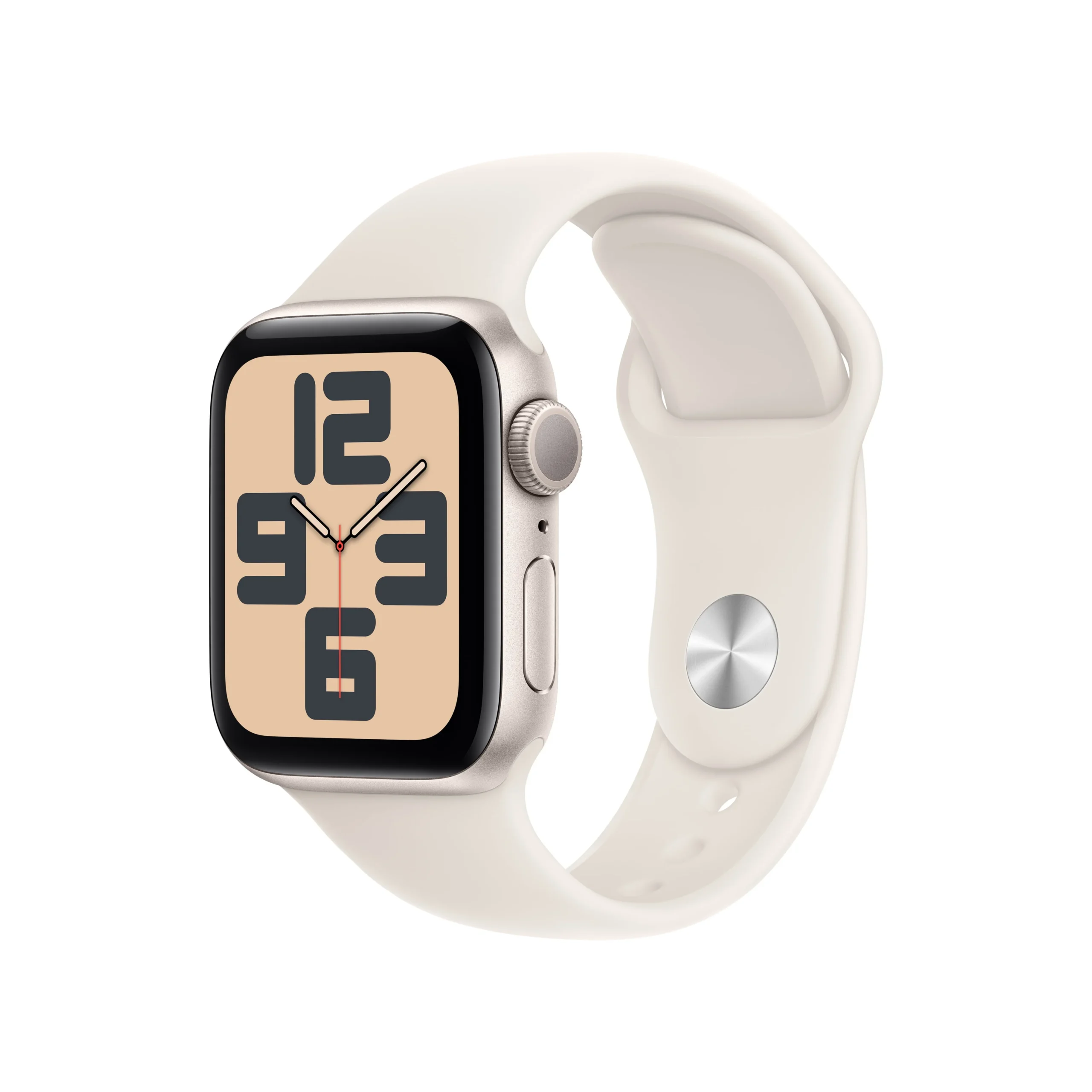
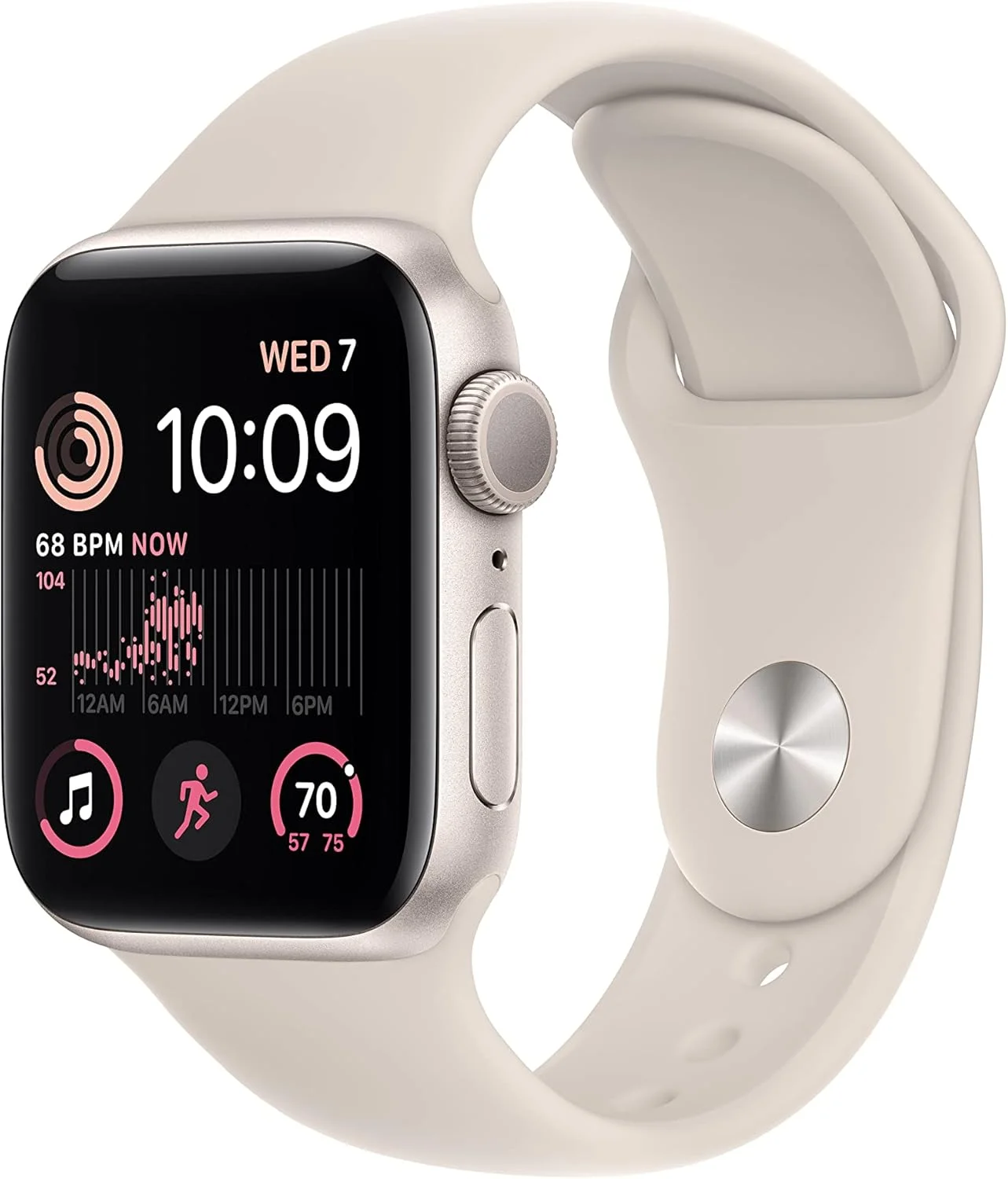
The Apple Watch SE (2nd Gen) retains the iconic squircle aesthetic that has defined Apple’s wearable lineup for nearly a decade. Available in 40mm and 44mm case sizes, the watch features a 100% recycled aluminum chassis that feels incredibly premium despite its budget-tier positioning. While the bezels surrounding the Retina LTPO OLED display are noticeably thicker than those on the flagship models circulating in 2026, the overall design remains sleek, unobtrusive, and exceptionally comfortable for all-day wear.
One of the subtle yet significant design improvements on this second-generation SE is the color-matched nylon composite back case. Not only does this reduce the device’s carbon footprint during manufacturing, but it also shaves off a few grams of weight, making the 40mm model an astonishingly light 26.4 grams. This ergonomic triumph ensures the watch practically disappears on your wrist, whether you are typing at a desk or tracking a grueling high-intensity interval training session.
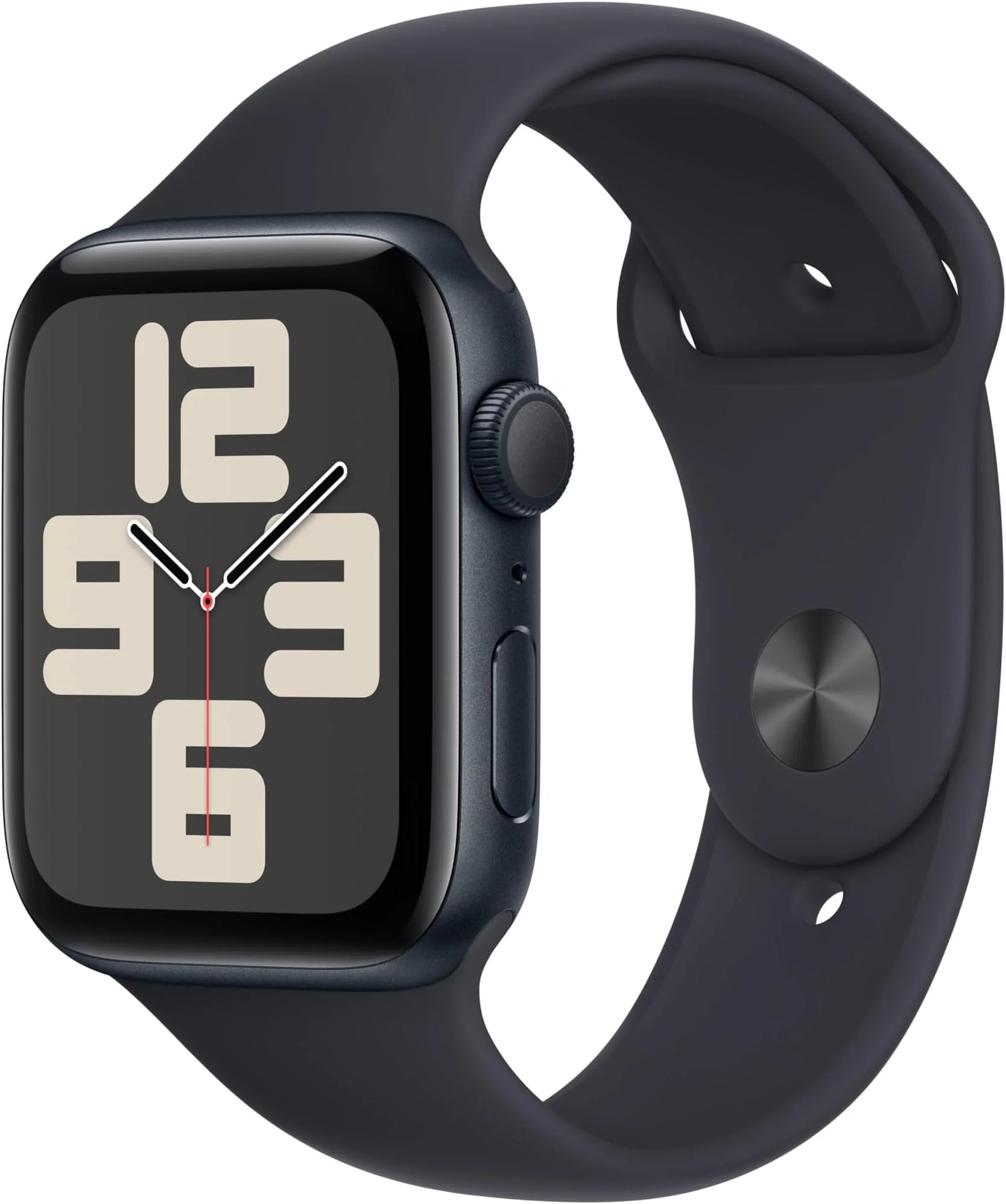
The display itself peaks at 1,000 nits of brightness. While it lacks the Always-On display technology found in higher-end models—a concession necessary to hit this specific price point—the screen is remarkably crisp and perfectly legible under direct sunlight. The digital crown and side button retain their satisfying tactile feedback, proving that Apple hasn’t sacrificed underlying build quality to cater to the entry-level market.
Performance
Under the hood, the Apple Watch SE (2nd Gen) is powered by the S8 System in Package (SiP), the exact same dual-core processor utilized in the Apple Watch Series 8 and the original Apple Watch Ultra. Even in 2026, this silicon remains incredibly capable. App launches are instantaneous, fluidly navigating the increasingly complex watchOS interface without a hint of stutter or lag. Whether you are dictating a text message, loading a streaming playlist, or pulling up Apple Maps for turn-by-turn walking directions, the SE delivers flagship-level responsiveness.
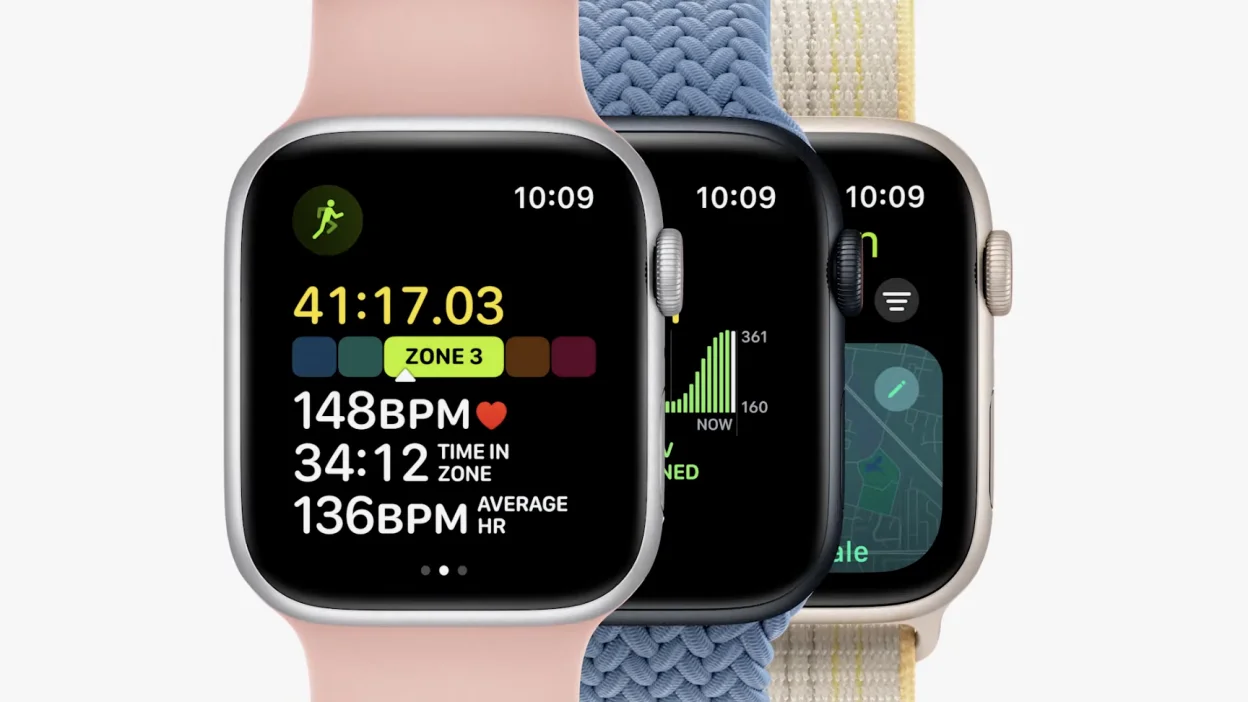
Real-world performance extends beyond just UI fluidity; the sensor array operates with impressive precision. The second-generation optical heart sensor locks onto your pulse quickly during workouts, and the GPS accuracy is more than adequate for urban running and cycling. Furthermore, the inclusion of a high-g accelerometer and an improved gyroscope enables Crash Detection—a potentially life-saving feature that processes motion data in real-time without bottlenecking the system.
Battery life is exactly what we have come to expect from the standard Apple Watch lineup: up to 18 hours on a single charge. In our testing, the SE (2nd Gen) easily survived a full day of typical usage, including a 45-minute GPS-tracked run, continuous heart rate monitoring, and a barrage of push notifications. However, heavy users will still need to adhere to a nightly charging routine, as the SE does not support the fast-charging capabilities reserved for Apple’s premium tiers.
Features & Software
Running on the latest iterations of watchOS, the SE (2nd Gen) benefits from Apple’s continuous software refinement. The Smart Stack widget interface, comprehensive workout views, and advanced sleep staging all run flawlessly on this hardware. Fitness enthusiasts will appreciate the vast array of tracking metrics, from custom heart rate zones to running power, integrating seamlessly with the highly secure Apple Health ecosystem.
Where the SE (2nd Gen) shows its budget nature is by omission. You will not find an ECG app, a blood oxygen sensor, or a skin temperature sensor here. However, for the vast majority of mainstream users, these clinical-grade features are rarely used novelties rather than daily necessities. The core experience—delivering notifications, tracking activity rings, facilitating Apple Pay, and running third-party applications—is completely uncompromised.
Value Proposition
Priced significantly lower than the flagship Apple Watch models, the SE (2nd Gen) represents the sweet spot of value in Apple’s 2026 wearable ecosystem. You are essentially getting 85% of the flagship smartwatch experience for roughly half the initial investment. When you factor in the robust build quality, the unmatched third-party app ecosystem, and the lengthy longevity of Apple’s software support, the return on investment for the SE is exceptionally high.
When compared to the broader smartwatch market, the SE (2nd Gen) easily outclasses budget alternatives from competitors in terms of functional fluidity and ecosystem integration. While specialized fitness brands dominate the hardcore athletic niche, the Apple Watch SE offers a vastly superior generalized smartwatch experience for iPhone users, striking an ideal balance between lifestyle convenience and health tracking.
How It Compares
Apple Watch SE (2nd Gen) vs. Apple Watch Series 9:
While the Series 9 boasts an Always-On display, advanced health sensors, a newer chip, and a much brighter screen, the SE matches its day-to-day fluidity and core health tracking capabilities. If you do not mind waking the screen with a wrist raise and don’t require in-depth medical metrics like ECG readings, the SE saves you a significant amount of money while delivering a nearly identical user experience.
Apple Watch SE (2nd Gen) vs. Garmin Venu Sq 2:
The Garmin Venu Sq 2 is a strong competitor at a similar price point, boasting an impressive multi-day battery life and deeper, more granular athletic recovery metrics out of the box. However, the Apple Watch SE severely outpaces the Garmin when it comes to third-party app support, UI smoothness, and seamless integration with the iOS ecosystem. If you are an athlete first, choose Garmin; if you want the best all-around smart wearable, the SE wins out.
Pros and Cons
Pros
- Features the same powerful S8 processor as higher-end models for smooth, lag-free performance.
- Exceptionally lightweight and comfortable design makes it ideal for sleep tracking and intense workouts.
- Offers unbeatable value and seamless integration for anyone deep in the Apple ecosystem.
- Includes critical safety features like Crash Detection, Fall Detection, and Emergency SOS.
Cons
- Lacks an Always-On display, meaning you must deliberately raise your wrist to check the time.
- Missing advanced health sensors such as ECG, blood oxygen, and skin temperature monitoring.
- Does not support fast charging, requiring more time on the magnetic puck to reach 100%.
- Battery life is still limited to roughly 18 hours, mandating a strict daily charging routine.
FAQ
Q: Does the Apple Watch SE (2nd Gen) have an Always-On display?
A: No, the SE (2nd Gen) requires you to raise your wrist or tap the screen to view the time and your watch face complications.
Q: Can I swim with the Apple Watch SE (2nd Gen)?
A: Yes, it is water-resistant up to 50 meters and features dedicated pool and open water swimming workout tracking modes.
Q: Does it accurately track sleep?
A: Absolutely. Utilizing the latest watchOS updates, the SE accurately tracks your time asleep, wake times, and specific sleep stages including REM, Core, and Deep sleep.
Q: Will the Apple Watch SE work with an Android phone?
A: No, the Apple Watch SE requires an iPhone running the latest compatible version of iOS to set up and operate.
Verdict
The Apple Watch SE (2nd Gen) remains the definitive entry-level smartwatch for iPhone users in 2026, offering an unbeatable blend of performance, essential fitness tracking, and affordability. Unless you absolutely need an Always-On display or advanced medical-grade health sensors, there is little reason to spend more. It delivers the quintessential Apple wearable experience without breaking the bank.
Where to Buy
Pros
- ✓ Features the same powerful S8 processor as higher-end models for smooth, lag-free performance.
- ✓ Exceptionally lightweight and comfortable design makes it ideal for sleep tracking and intense workouts.
- ✓ Offers unbeatable value and seamless integration for anyone deep in the Apple ecosystem.
- ✓ Includes critical safety features like Crash Detection, Fall Detection, and Emergency SOS.
Cons
- ✗ Lacks an Always-On display, meaning you must deliberately raise your wrist to check the time.
- ✗ Missing advanced health sensors such as ECG, blood oxygen, and skin temperature monitoring.
- ✗ Does not support fast charging, requiring more time on the magnetic puck to reach 100%.
- ✗ Battery life is still limited to roughly 18 hours, mandating a strict daily charging routine.
Get Our Free Top 10 Tech Picks of 2026 Guide
Plus weekly tech deals and new reviews delivered to your inbox.
[cp_email_signup]
No spam. Unsubscribe anytime.
Ready to buy the Apple Watch SE (2nd Gen)?
Affiliate link — we may earn a commission at no extra cost to you.