







The Nikon Z8 continues to dominate the mirrorless camera landscape in 2026 by condensing the flagship power of the Z9 into a significantly smaller form factor. Packed with a 45.7MP stacked sensor and unparalleled autofocus capabilities, it represents a sweet spot for hybrid shooters demanding uncompromising performance. Whether you are capturing high-speed sports or cinematic 8K video, the Z8 is engineered to exceed professional expectations.
Table of Contents
Key Specifications
| Feature | Detail |
|---|---|
| Sensor | 45.7MP FX-Format Stacked CMOS |
| Processor | EXPEED 7 |
| Autofocus | 493-point phase-detection with Deep Learning AI |
| Continuous Shooting | 20 fps RAW, up to 120 fps JPEG |
| Video Resolution | 8K/60p and 4K/120p internal recording |
| Viewfinder | 3.69m-dot OLED EVF (Blackout-free) |
| Storage | 1x CFexpress Type B, 1x SD UHS-II |
| Weight | Approx. 910g (body only) |
Design & Build Quality
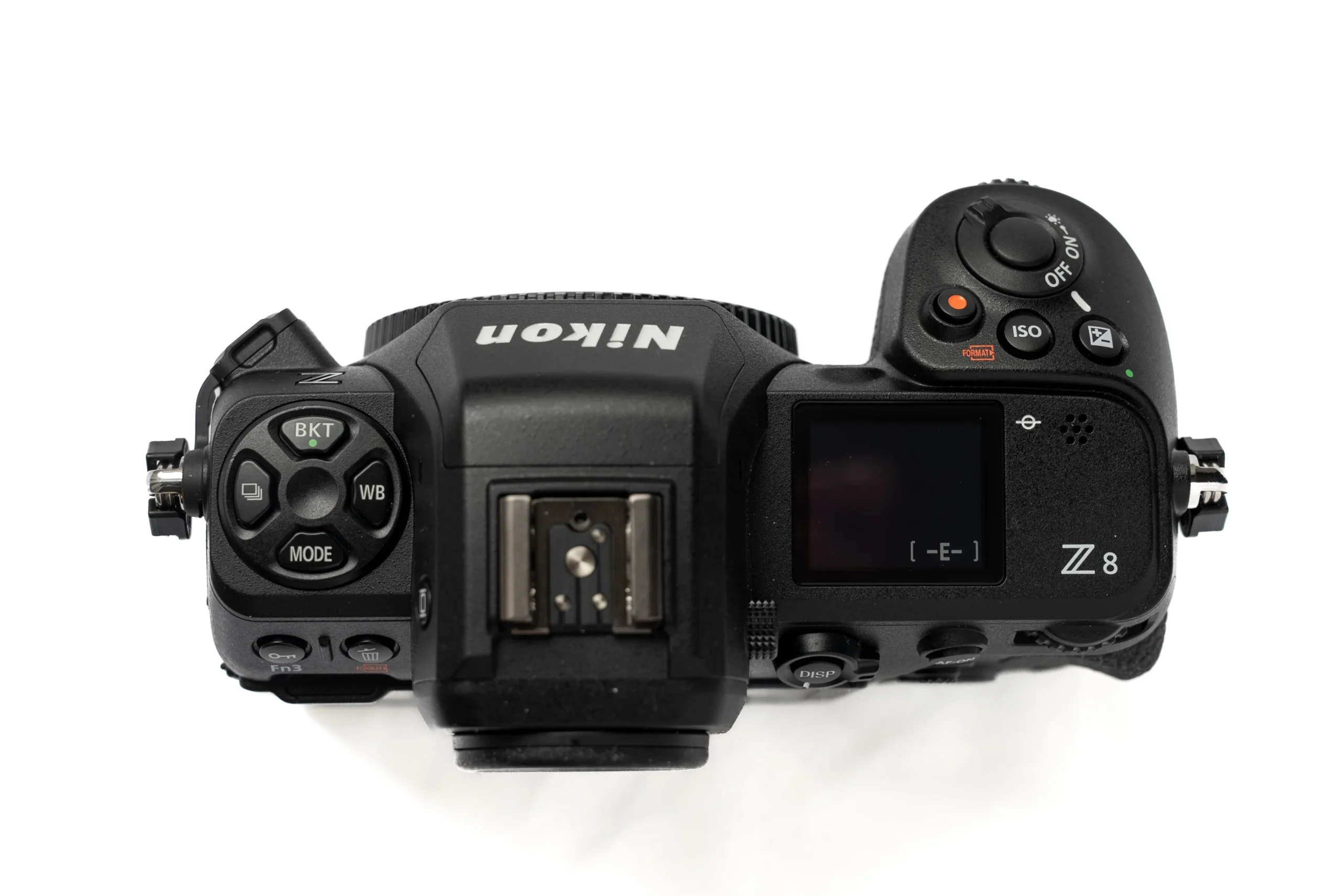
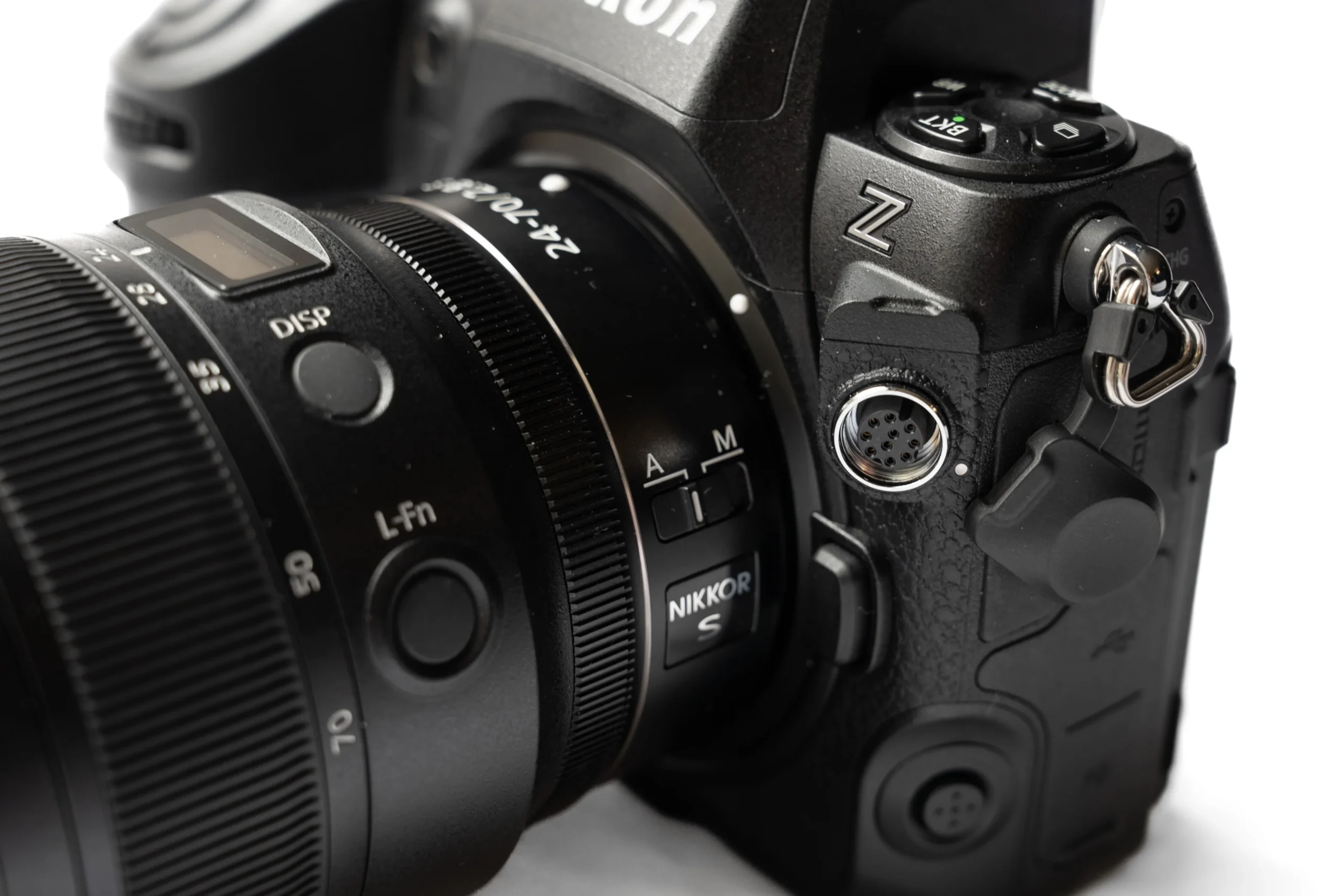
Nikon has long been celebrated for its ergonomic mastery, and the Z8 inherits this legacy beautifully. It essentially takes the robust, weather-sealed magnesium alloy chassis of the flagship Z9 and shaves off the integrated vertical battery grip, resulting in a body that is roughly 30% smaller. Despite the diet, it retains a deep, comfortable grip that feels incredibly secure in the hand, even when paired with heavy telephoto glass like the NIKKOR Z 70-200mm f/2.8.
The physical control layout is a dream for professional and enthusiast shooters alike. Tactile, well-placed buttons allow for rapid adjustments via muscle memory without taking your eye off the blackout-free EVF. The inclusion of the four-axis articulating touchscreen LCD remains a massive usability win, making high and low-angle shooting effortless for both landscape photographers and videographers who need framing flexibility.
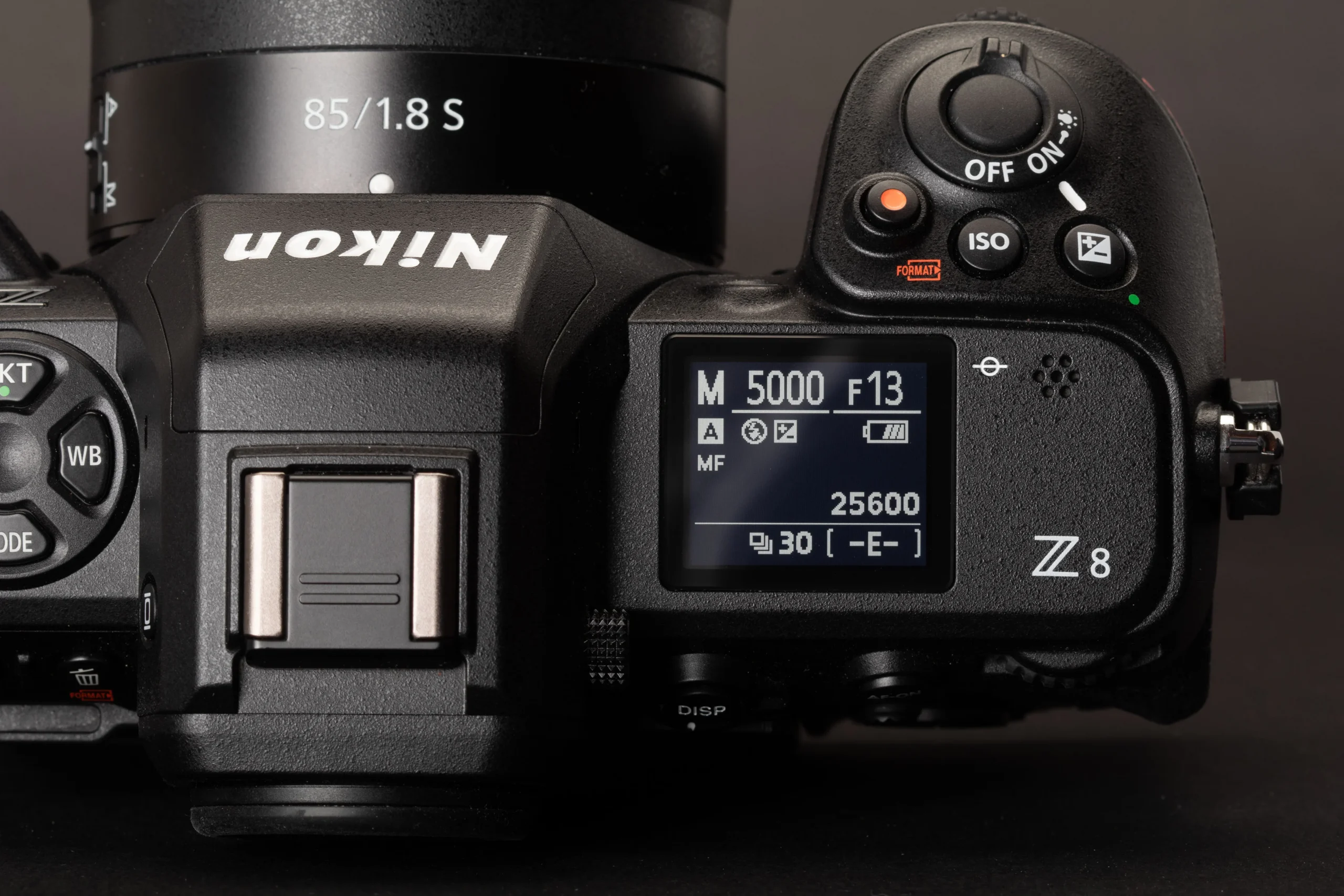
Build quality is undeniably premium. It boasts weather-sealing on par with the venerable D850, ensuring it can withstand harsh environments, dust, and moisture. The dual card slots—one CFexpress Type B and one SD UHS-II—offer a practical balance for users transitioning from older systems while still providing the blistering write speeds necessary for high-bitrate 8K recording on the primary slot.
Performance
When it comes to real-world performance, the Nikon Z8 is an absolute powerhouse. Driven by the EXPEED 7 processor and a 45.7-megapixel stacked CMOS sensor, the camera delivers blistering speeds with zero viewfinder blackout. Shooting at 20 frames per second in uncompressed RAW—or a staggering 120 fps in 11MP JPEG mode—means you will rarely miss a critical moment in sports or wildlife scenarios. The absence of a mechanical shutter entirely eliminates shutter shock, allowing for a completely silent, vibration-free shooting experience.
The autofocus system is where the Z8 truly shines against older generations. Nikon’s 493-point phase-detection AF system, augmented by deep learning AI, effortlessly recognizes and tracks humans, animals, birds, and vehicles. In 2026, subsequent firmware updates have refined this tracking to be remarkably sticky; once the 3D-tracking box locks onto a subject’s eye, it simply does not let go, even when the subject is moving erratically or is briefly obscured by foreground elements.
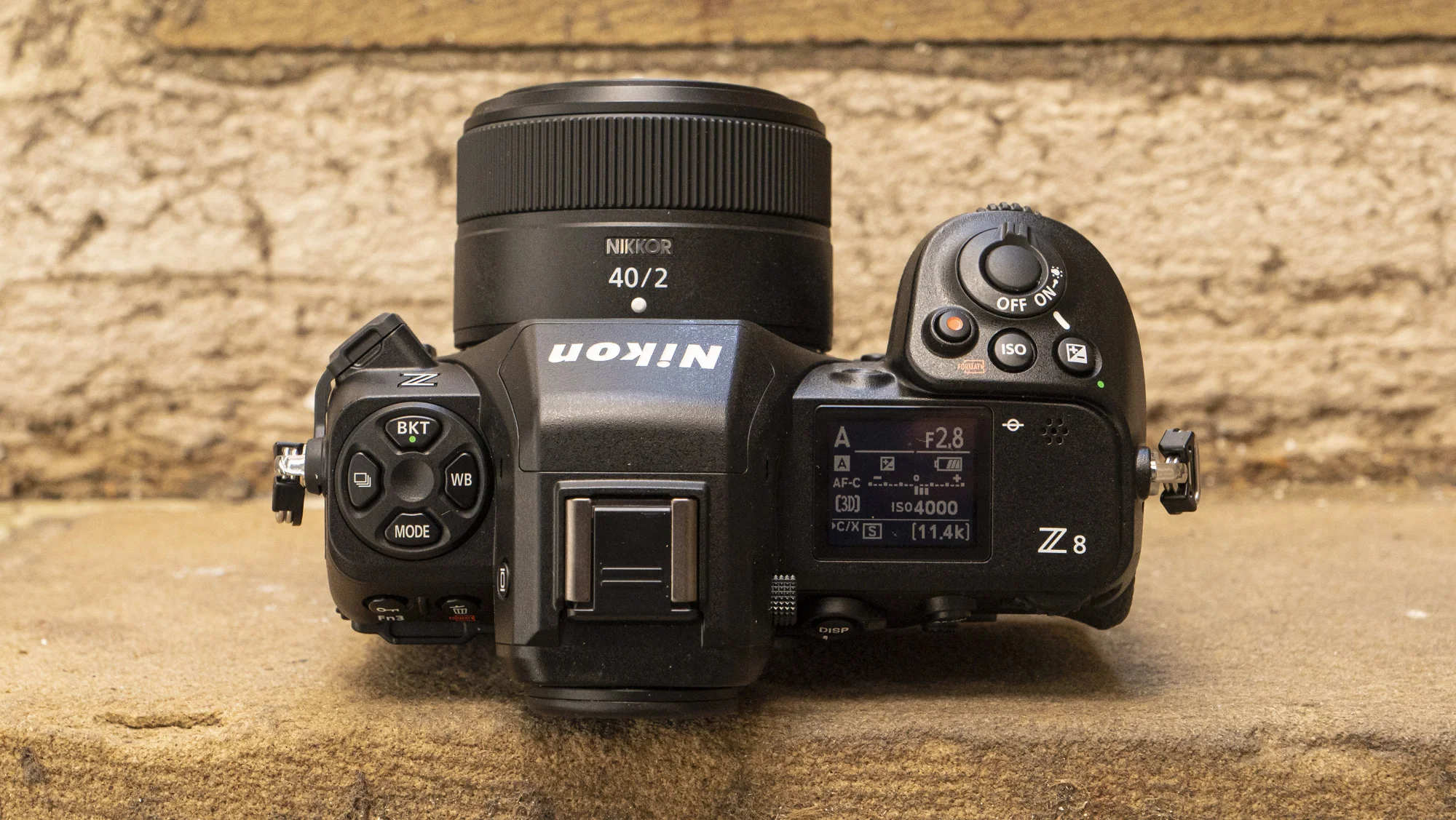
Thermals and buffer management are equally impressive. Thanks to the CFexpress Type B slot, the buffer feels practically bottomless for most continuous shooting needs. Video shooters will appreciate that the Z8 can record 8K/60p N-RAW internally for extended periods. While it doesn’t have the massive heat-dissipation surface area of the larger Z9, it manages heat exceptionally well, easily handling standard documentary or wedding workflows without triggering early thermal shutdowns.
Features & Software
The Z8 is brimming with cutting-edge features designed to streamline the hybrid workflow. It offers 12-bit internal RAW video recording (both N-RAW and ProRes RAW HQ), which provides immense latitude in post-production color grading without the cumbersome need for an external monitor/recorder. Furthermore, the camera includes specialized tools like a waveform monitor, a red frame indicator for active recording, and fine ISO control, solidifying its status as a serious cinematic tool.
On the software front, Nikon’s menu system remains logical and highly customizable. The custom settings banks allow users to switch between completely different camera setups—from a slow-shutter landscape profile to a high-speed bird-in-flight configuration—with a single button press. Recent advanced firmware updates have also bolstered the auto-capture features, allowing the camera to trigger automatically when a subject meets specific motion, distance, or subject-recognition criteria.
Value Proposition
At its price point, the Nikon Z8 represents one of the most compelling value propositions in the high-end mirrorless market. By packing 95% of the flagship Nikon Z9’s capabilities into a much more accessible body, Nikon has effectively democratized elite performance. You are getting top-tier resolution, 8K video, and class-leading autofocus in a package that doesn’t require a professional sports photographer’s budget.
For D850 upgraders or users currently shooting on a Z6II or Z7II, the Z8 is the logical, no-compromise upgrade path. While the initial investment is substantial, the sheer versatility of the Z8—capable of shooting a high-end commercial photo campaign one day and a run-and-gun 8K documentary the next—means it offers an exceptional return on investment for working professionals and serious enthusiasts.
How It Compares
When pitted against the Sony a8RV, the Nikon Z8 trades a bit of outright resolution (45.7MP vs Sony’s 61MP) for dramatically faster sensor readout speeds, resulting in much better rolling shutter performance and faster burst rates. For hybrid shooters, the Z8’s video specs are noticeably superior, offering internal 8K/60p RAW compared to Sony’s heavily cropped 8K/24p standard recording.
Compared to the Canon EOS R5 Mark II, the Z8 holds its own beautifully. While the Canon offers excellent Dual Pixel autofocus and a slightly lighter footprint, the Z8’s completely electronic, mechanical-shutter-free design provides a distinct durability edge with fewer moving parts. Additionally, Nikon’s inclusion of a CFexpress Type B slot combined with a standard SD slot makes memory management slightly more flexible and cost-effective for legacy users than Canon’s dual-CFexpress setups.
Pros and Cons
Pros
- Delivers identical flagship-level image and video quality to the much larger Nikon Z9.
- Features a lightning-fast stacked sensor that effectively eliminates blackout and rolling shutter.
- Offers best-in-class internal 8K/60p and 4K/120p RAW video recording for filmmakers.
- Boasts incredible deep-learning autofocus tracking for humans, animals, birds, and vehicles.
Cons
- Battery life is noticeably shorter than the Z9 due to relying on the smaller EN-EL15c battery.
- Weighing 910g, it remains quite heavy and bulky compared to rival mirrorless bodies from Sony and Canon.
- Lacks a mechanical shutter entirely, which can occasionally cause sync quirks with older, third-party flash triggers.
FAQ
Q: Does the Nikon Z8 have a mechanical shutter?
A: No, the Nikon Z8 features an entirely electronic shutter, relying on the ultra-fast readout speed of its stacked sensor to eliminate rolling shutter issues and shutter shock.
Q: How does the Z8’s battery life hold up?
A: The Z8 uses the EN-EL15c battery, which yields around 330-340 shots per charge according to strict CIPA ratings. In real-world use, you will get significantly more, but carrying spare batteries is highly recommended for long shoots or extensive video recording.
Q: Can the Nikon Z8 record 8K video without overheating?
A: Yes, the Z8 manages heat very well and can record 8K/30p for up to 90 minutes, or 8K/60p for around 30-40 minutes at standard room temperature before thermal limits are reached.
Q: What memory cards does the Nikon Z8 take?
A: The camera features dual card slots: one for extremely fast CFexpress Type B (or XQD) cards, and a second slot for standard SD UHS-II cards.
Verdict
The Nikon Z8 is the ultimate hybrid mirrorless camera for professional photographers, advanced enthusiasts, and videographers who demand top-tier speed and resolution without the bulk of a vertically gripped body. Whether upgrading from a legendary DSLR like the D850 or looking for a lighter B-cam to pair with a Z9, the Z8 delivers an uncompromising, future-proof feature set. It easily earns its place as one of the most capable, versatile, and highly recommended cameras available in 2026.
Where to Buy
Pros
- ✓ Delivers identical flagship-level image and video quality to the much larger Nikon Z9.
- ✓ Features a lightning-fast stacked sensor that effectively eliminates blackout and rolling shutter.
- ✓ Offers best-in-class internal 8K/60p and 4K/120p RAW video recording for filmmakers.
- ✓ Boasts incredible deep-learning autofocus tracking for humans, animals, birds, and vehicles.
Cons
- ✗ Battery life is noticeably shorter than the Z9 due to relying on the smaller EN-EL15c battery.
- ✗ Weighing 910g, it remains quite heavy and bulky compared to rival mirrorless bodies from Sony and Canon.
- ✗ Lacks a mechanical shutter entirely, which can occasionally cause sync quirks with older, third-party flash triggers.
Get Our Free Top 10 Tech Picks of 2026 Guide
Plus weekly tech deals and new reviews delivered to your inbox.
[cp_email_signup]
No spam. Unsubscribe anytime.
Ready to buy the Nikon Z8?
Affiliate link — we may earn a commission at no extra cost to you.