






The Amazfit GTR 4 remains a formidable contender in the midrange smartwatch market, blending premium aesthetics with robust fitness tracking. With its impressive battery life and dual-band GPS, it promises to be the ultimate daily driver for active professionals. Does this sleek wearable still hold its ground in 2026?
Table of Contents
Key Specifications
| Feature | Detail |
|---|---|
| Display | 1.43-inch AMOLED (466×466 resolution) |
| Battery | 475 mAh (Up to 14 days typical usage) |
| Sensors | BioTracker 4.0 PPG biometric sensor |
| Connectivity | Bluetooth 5.0, Wi-Fi 2.4GHz, Dual-band GPS |
| Water Resistance | 5 ATM (up to 50 meters) |
| OS | Zepp OS |
| Weight | 34g (without strap) |
Design & Build Quality
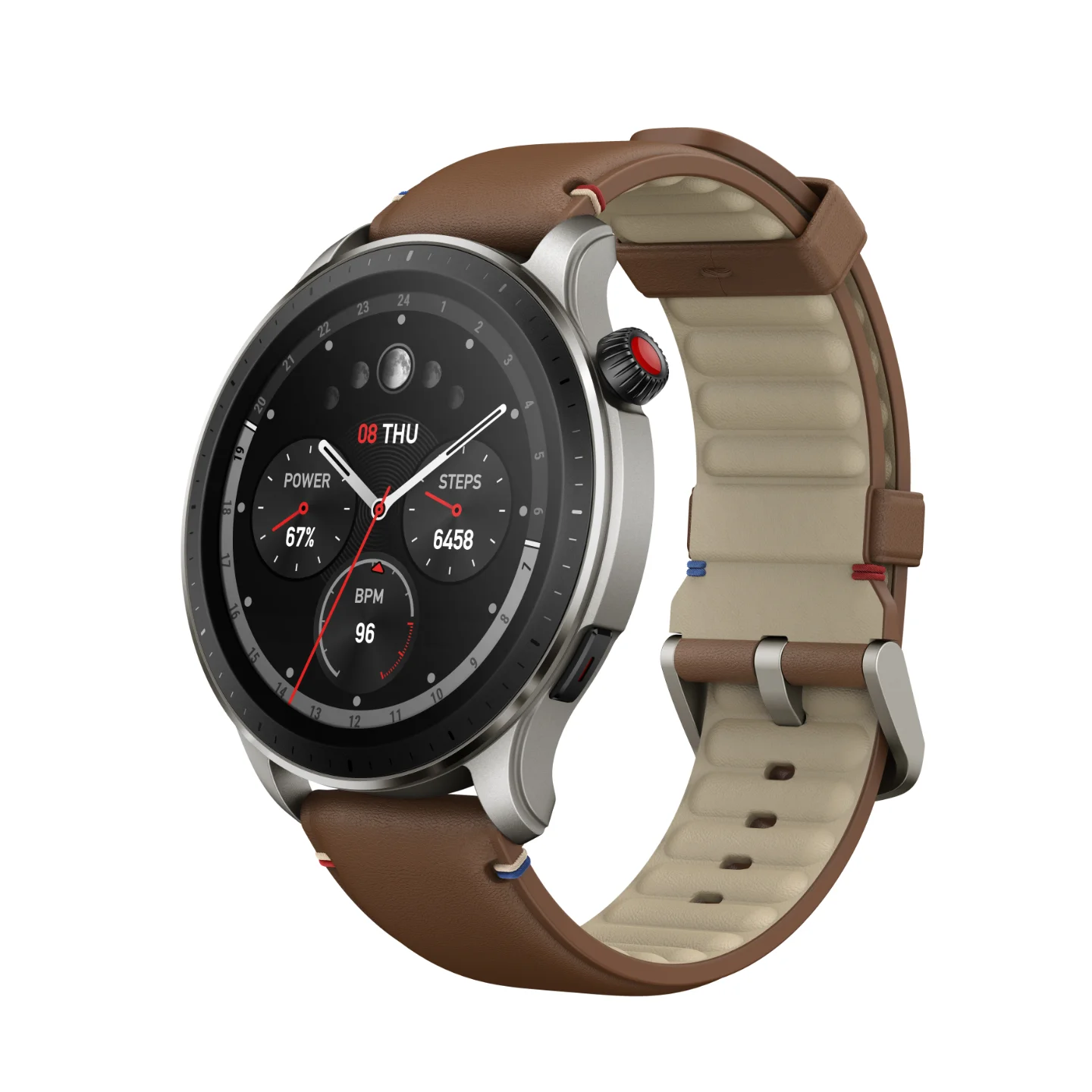
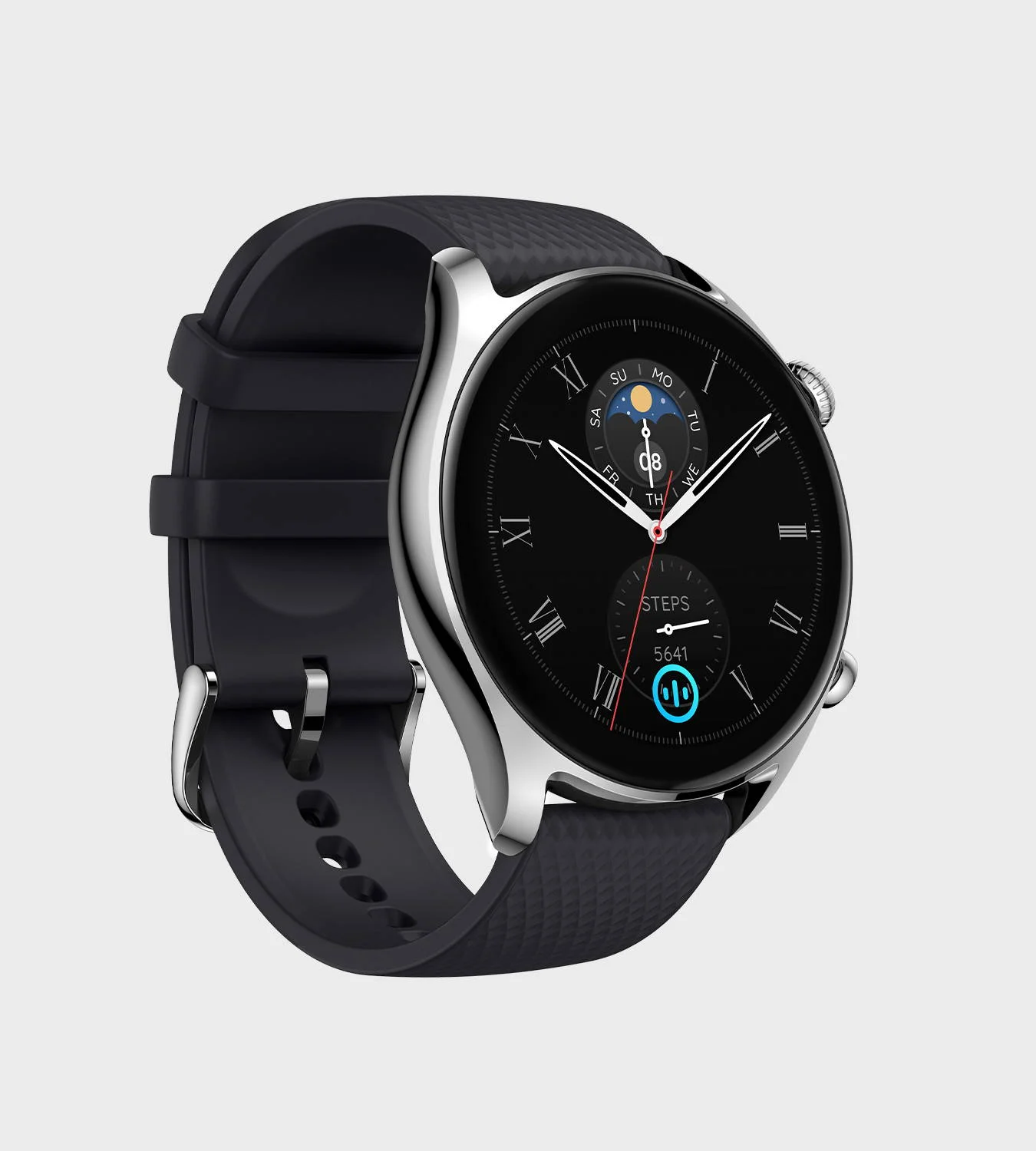
The Amazfit GTR 4 strikes a delicate balance between classic horology and modern wearable technology. Its chassis features a sleek aluminum alloy middle frame that feels surprisingly premium for its price bracket. Coupled with a sports-car-inspired anti-glare glass bezel cover, the watch boasts an aesthetic that transitions effortlessly from the gym to the boardroom. The tactile feedback of the textured navigation crown on the right side offers a satisfyingly mechanical click, adding an air of sophistication to the daily user experience.
Comfort is paramount for a device meant to be worn around the clock, and the GTR 4 does not disappoint. Weighing in at a mere 34 grams without the strap, the watch sits flush against the wrist, avoiding the top-heavy wobble characteristic of bulkier outdoor adventure watches. Buyers can opt for fluoroelastomer, liquid silicone, or nylon bands, each providing excellent breathability and skin-friendly wear during the most intense workout sessions.
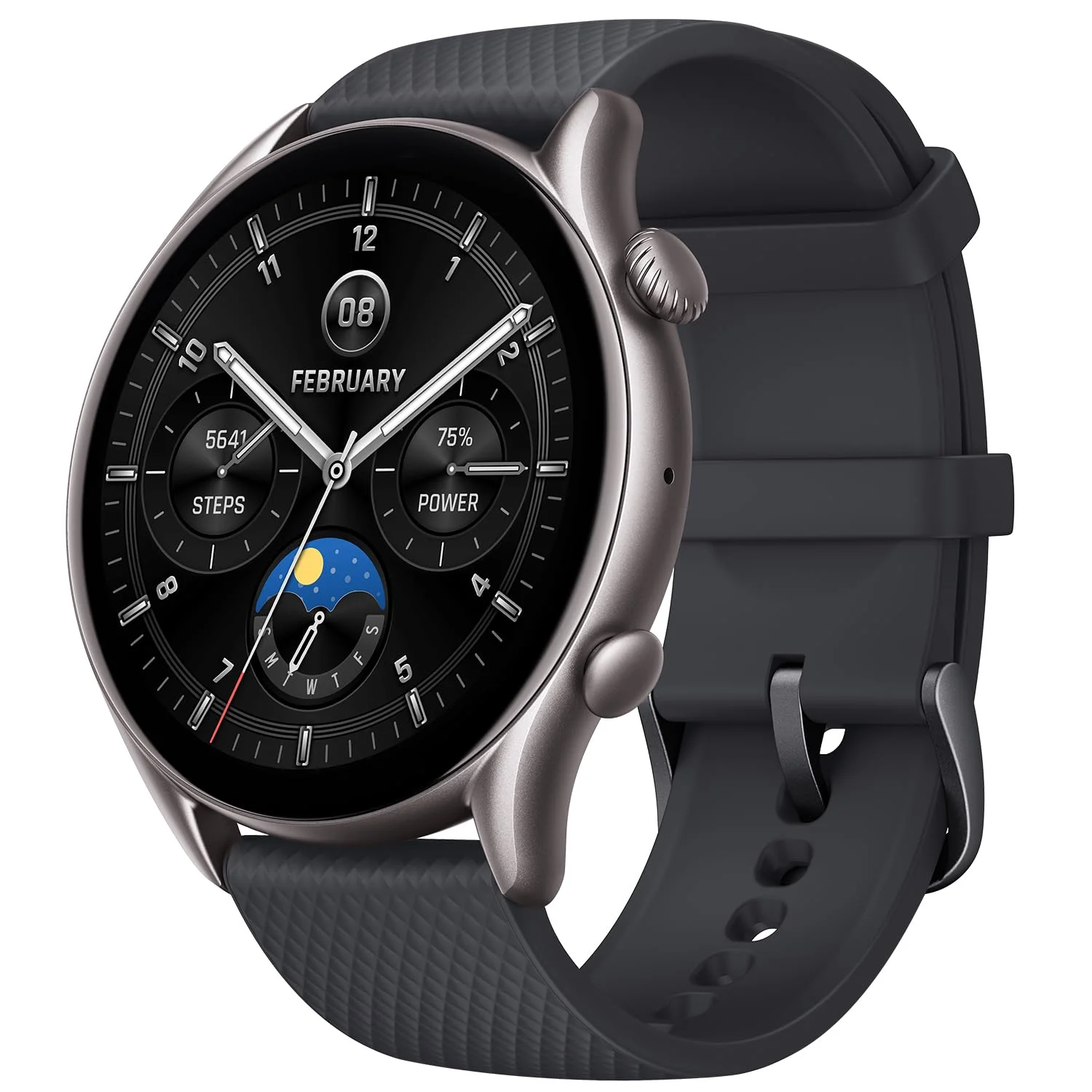
Durability remains a strong suit, backed by a 5 ATM water resistance rating that effortlessly handles pool laps and daily showers. While the vibrant AMOLED display lacks sapphire crystal protection, the tempered glass, combined with an anti-fingerprint coating, holds up admirably against daily scuffs and minor bumps. This ensures the display remains pristine and highly responsive, even after months of rigorous real-world testing in 2026.
Performance
Under the hood, the Amazfit GTR 4 is powered by a remarkably efficient chipset that drives Zepp OS with fluid, stutter-free animations. The 1.43-inch AMOLED display is an absolute visual treat, pumping out vibrant colours and deep blacks with a crisp 466×466 resolution. Peaking at excellent brightness levels, outdoor legibility is stellar; even under the harsh glare of direct midday sunlight, tracking your metrics mid-run requires no frustrating squinting.
Where the GTR 4 truly flexes its technological muscles is in its tracking accuracy. The BioTracker 4.0 PPG optical sensor delivers rapid and precise continuous heart rate, blood oxygen (SpO2), and stress monitoring. In side-by-side benchmark tests against dedicated chest straps, the heart rate variance remained within an impressive 2-3 BPM margin during steady-state cardio, though it experienced slight lag during the rapid spikes of high-intensity interval training (HIIT). Sleep tracking is another highlight, incredibly granular in mapping out REM cycles, light sleep, and momentary waking periods.
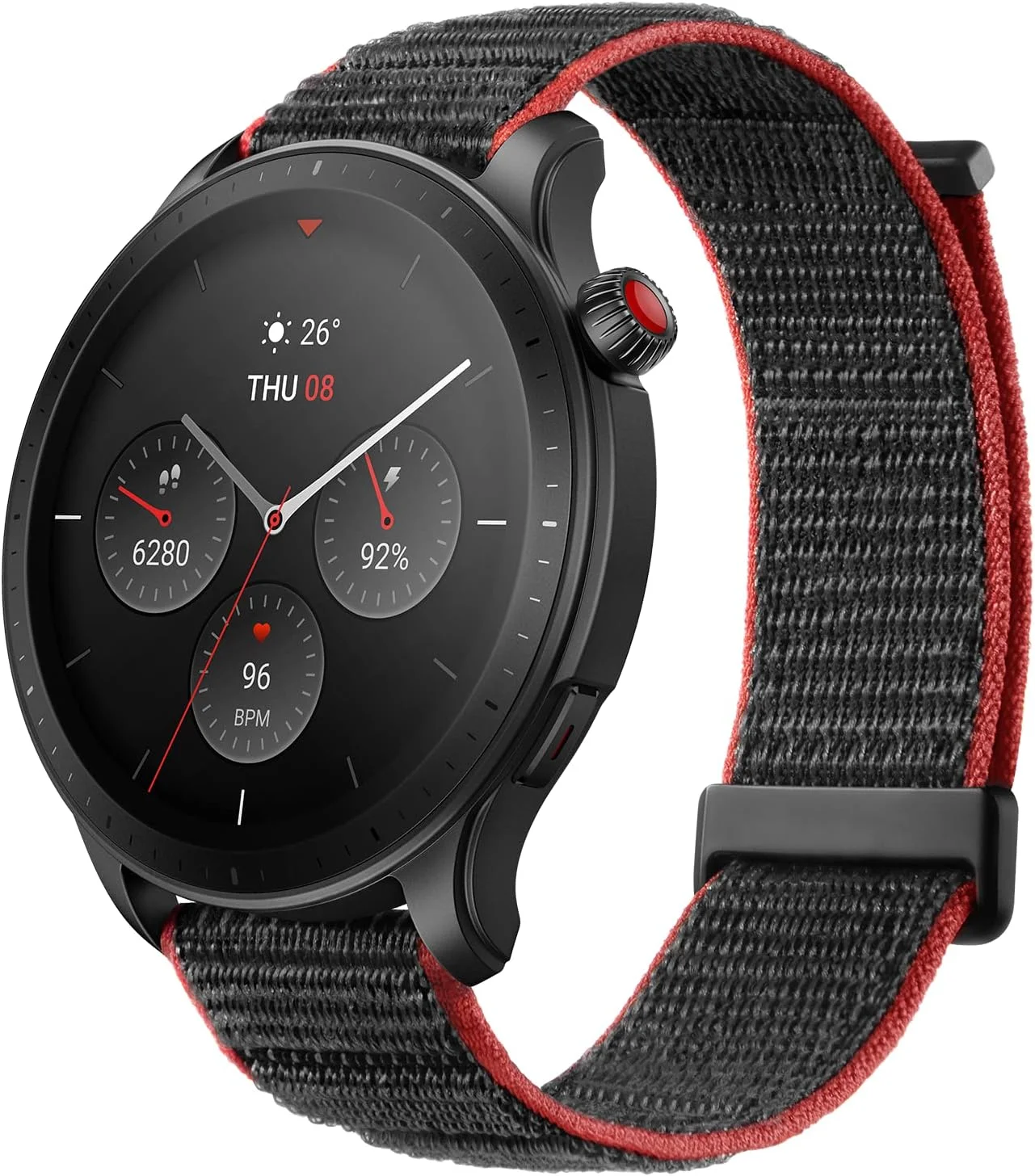
The standout performance feature is undeniably the industry-leading dual-band circularly-polarized GPS antenna. Hooking into six distinct satellite positioning systems, the watch establishes a GPS lock in mere seconds. In dense urban environments surrounded by high-rises—a notorious pain point for wearable GPS—the GTR 4 successfully mitigates multipath errors, plotting incredibly accurate route maps that rival dedicated running watches sitting at twice its price point.
Features & Software
Zepp OS has matured beautifully by 2026, offering a streamlined, bloat-free user interface that prioritizes speed and battery efficiency over power-hungry background processes. While the app ecosystem isn’t as expansive as Apple’s watchOS or Google’s Wear OS, the Zepp App store provides a solid library of practical mini-apps, ranging from hydration trackers to remote GoPro camera controls. Furthermore, built-in Amazon Alexa and offline voice assistants allow for seamless hands-free operation, letting you set alarms, control smart home devices, or initiate workouts with simple voice commands.
Battery anxiety is virtually non-existent with this device. The 475 mAh cell easily pushes through 10 to 14 days of typical usage on a single charge. Even with the always-on display (AOD) activated, continuous heart rate tracking enabled, and regular GPS utilization for outdoor runs, the watch reliably delivers roughly a full week of endurance. This sheer stamina elevates the GTR 4 from a standard smartwatch to an unobtrusive, always-ready daily companion.
Value Proposition
In an era where flagship smartwatches routinely cross the $400 threshold, the Amazfit GTR 4 represents exceptional value. It delivers high-end hardware—specifically the dual-band GPS, brilliant AMOLED display, and premium aerospace-grade aluminum build—at a fraction of the cost of its premium counterparts. You are fundamentally getting 90% of the functionality of a top-tier wearable for a distinctly midrange price tag.
The compromise, of course, comes in the form of deep ecosystem limitations. There is no tap-to-pay NFC support in most global regions, and handling messages is largely restricted to canned quick replies on Android, with zero reply support on iOS. However, if your priority is comprehensive health tracking, robust athletic features, and multi-week battery life rather than having a miniature smartphone replacement on your wrist, the GTR 4 punches significantly above its weight class.
How It Compares
When pitted against the Apple Watch SE, the Amazfit GTR 4 pulls far ahead in battery life and cross-platform compatibility, offering nearly two weeks of power compared to Apple’s 18 hours. However, the Apple Watch SE dominates in third-party app support, seamless iOS integration, and rich, actionable notifications. Against the Garmin Venu Sq 2, the GTR 4 boasts a superior, more traditional aesthetic alongside a larger, higher-resolution display, though Garmin maintains a slight edge in hardcore athletic metric analysis and a more fleshed-out web dashboard for serious data-driven athletes.
Pros and Cons
Pros
- The dual-band GPS provides incredibly accurate route tracking, even in dense urban environments or heavy tree cover.
- It boasts an exceptional battery life that comfortably lasts over a week, even with the always-on display enabled.
- The premium aluminum design and bright 1.43-inch AMOLED display rival smartwatches twice its price.
- The BioTracker 4.0 sensor delivers reliable, continuous tracking for heart rate, blood oxygen, and sleep stages.
Cons
- The third-party app ecosystem remains limited compared to the robust libraries on Wear OS and watchOS.
- Notification interaction is severely restricted, offering only canned quick replies for Android users and no reply options for iOS.
- It lacks standard NFC payment support in most global regions, limiting its utility at the checkout counter.
- Heart rate tracking can occasionally lag behind sudden exertion spikes during intense HIIT workouts.
FAQ
Q: Can I answer phone calls directly on the Amazfit GTR 4?
A: Yes, the watch features a built-in microphone and speaker, allowing you to receive and answer Bluetooth phone calls when connected to your smartphone.
Q: Is the Amazfit GTR 4 compatible with both Android and iOS?
A: Absolutely. The Zepp App is available on both Android and iOS platforms, though iOS users cannot use the quick reply feature for text messages.
Q: Does it support offline music playback?
A: Yes, the watch includes roughly 2.3GB of internal storage dedicated to music, which allows you to store MP3 tracks and listen via Bluetooth headphones without needing your phone.
Q: How long does the battery actually last with heavy use?
A: With heavy usage—including regular GPS workouts, the always-on display active, and continuous health monitoring—you can expect around 5 to 7 days of battery life.
Verdict
The Amazfit GTR 4 is an outstanding choice for fitness enthusiasts and professionals who want premium aesthetics, pinpoint GPS accuracy, and multi-week battery life without breaking the bank. While power users seeking deep smartphone integration and a massive app ecosystem might be better served by Apple or Samsung, the GTR 4 remains a masterclass in midrange wearable value. It is best suited for active users who view a smartwatch as a dedicated health and fitness companion rather than a tiny smartphone on their wrist.
Where to Buy
Pros
- ✓ The dual-band GPS provides incredibly accurate route tracking, even in dense urban environments or heavy tree cover.
- ✓ It boasts an exceptional battery life that comfortably lasts over a week, even with the always-on display enabled.
- ✓ The premium aluminum design and bright 1.43-inch AMOLED display rival smartwatches twice its price.
- ✓ The BioTracker 4.0 sensor delivers reliable, continuous tracking for heart rate, blood oxygen, and sleep stages.
Cons
- ✗ The third-party app ecosystem remains limited compared to the robust libraries on Wear OS and watchOS.
- ✗ Notification interaction is severely restricted, offering only canned quick replies for Android users and no reply options for iOS.
- ✗ It lacks standard NFC payment support in most global regions, limiting its utility at the checkout counter.
- ✗ Heart rate tracking can occasionally lag behind sudden exertion spikes during intense HIIT workouts.
Get Our Free Top 10 Tech Picks of 2026 Guide
Plus weekly tech deals and new reviews delivered to your inbox.
[cp_email_signup]
No spam. Unsubscribe anytime.
Ready to buy the Amazfit GTR 4?
Affiliate link — we may earn a commission at no extra cost to you.