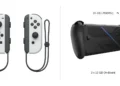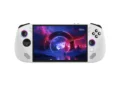




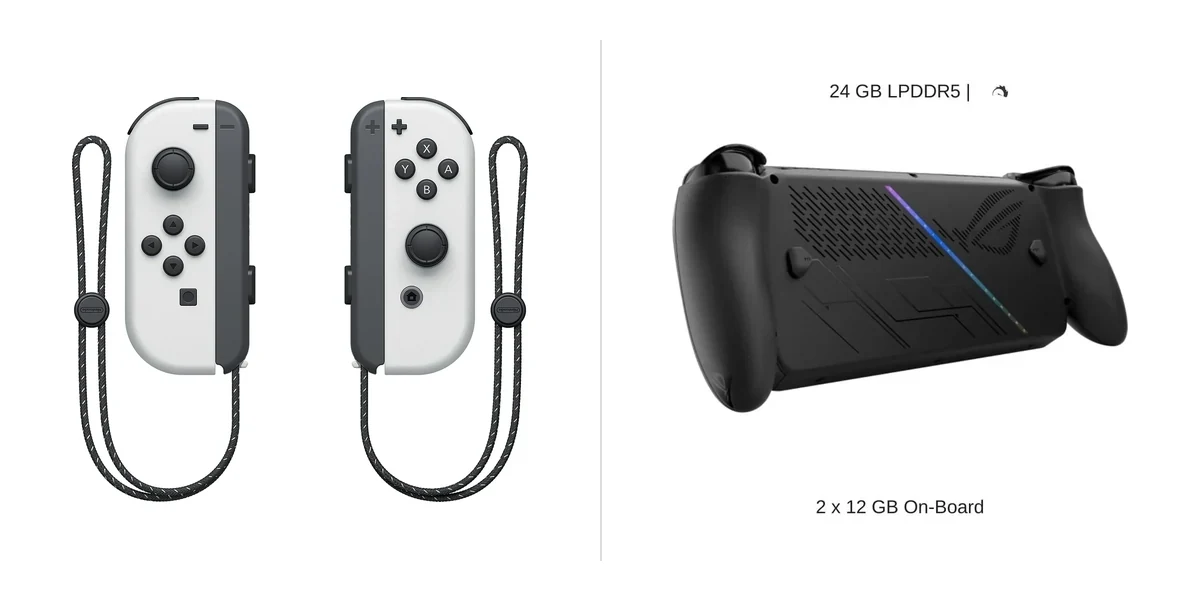
The Nintendo Switch OLED Model and ASUS ROG Ally X represent two distinct philosophies in the 2026 gaming handheld market. Nintendo delivers a versatile hybrid system centered on a vibrant OLED display and an exceptional first-party library, while ASUS offers a powerful Windows 11 device capable of running demanding AAA titles. This head-to-head examines how their designs, performance, and value propositions compare for different types of gamers.
At a Glance
| Feature | Nintendo Switch OLED Model | ASUS ROG Ally X |
|---|---|---|
| Price | $362.99 | $1238.49 |
| Overall Score | 85/100 | 84/100 |
| Best For | Nintendo enthusiasts and hybrid gaming | PC gamers seeking AAA performance |
| Display | Vibrant 7-inch OLED with perfect blacks | Vibrant 120Hz with excellent color and VRR |
| Game Library | Exceptional optimized Nintendo first-party titles | Full Windows 11 access to all PC games |
| Ergonomics | Premium build with refined comfort | Refined with Hall Effect controls |
Design and Build
The Nintendo Switch OLED Model impresses with its premium build quality and refined ergonomics that remain comfortable during extended gaming sessions. Its hybrid design seamlessly transitions between handheld, tabletop, and TV modes without compromise, supported by a significantly improved kickstand and dock that now includes an Ethernet port for enhanced online play. These refinements make it exceptionally versatile for different play scenarios.
By comparison, the ASUS ROG Ally X adopts a more traditional handheld approach with refined ergonomics and Hall Effect controls that provide a solid feel. However, it is noticeably heavier than some competing devices, which can cause fatigue in very long sessions. The device can also become warm during intensive gameplay with audible fan noise, creating a different tactile experience from Nintendo’s lighter and more adaptable form factor.
Performance and Features
The Nintendo Switch OLED Model’s vibrant 7-inch OLED display transforms visual quality with perfect blacks and stunning color reproduction, though its 720p resolution in handheld mode looks soft compared to modern competitors. Its exceptional Nintendo first-party library continues to receive new releases and feels perfectly optimized for the hardware. However, the 2017-era Tegra X1 hardware shows its age in 2026 when compared to modern PC handhelds, internal storage is limited to 64GB, and full online multiplayer requires a paid Nintendo Switch Online subscription. Joy-Con drift also remains a persistent reliability concern. For a deeper look, read our full review of Nintendo Switch OLED Model.
The ASUS ROG Ally X counters with exceptional performance for a handheld device, capable of running demanding AAA titles at playable frame rates. Its significantly improved 80Wh battery delivers double the playtime compared to the original model, while the vibrant 120Hz display offers excellent color reproduction and variable refresh rate support. Full Windows 11 compatibility provides unrestricted access to all PC game libraries, though the interface still requires manual tweaks and third-party software for optimal handheld navigation. Users must adjust settings per game for the best experience. See our full review of ASUS ROG Ally X for detailed testing.
Pricing and Value
At $362.99, the Nintendo Switch OLED Model delivers significantly better value for most consumers. Its lower price point combined with a versatile hybrid design, premium build, and steady stream of optimized first-party games makes it accessible and satisfying without demanding a large investment.
The ASUS ROG Ally X, priced at $1238.49, positions itself as a premium option that may not appeal to casual gamers. While its superior performance and Windows flexibility justify the cost for enthusiasts who want AAA PC games on the go, the high price creates a steep barrier compared to the more affordable and broadly appealing Switch OLED.
Pros and Cons
Nintendo Switch OLED Model
Pros:
– The vibrant 7-inch OLED display transforms visual quality with perfect blacks and stunning color reproduction.
– Significantly improved kickstand and dock with Ethernet port enhance versatility for tabletop and online play.
– Exceptional Nintendo first-party library continues to receive new releases and feels perfectly optimized for the hardware.
– Hybrid design seamlessly transitions between handheld, tabletop, and TV modes without compromise.
– Premium build quality and refined ergonomics make it comfortable for extended gaming sessions.
Cons:
– The 2017-era Tegra X1 hardware shows its age in 2026 when compared to modern PC handhelds.
– Joy-Con drift remains a persistent issue that can affect long-term reliability and require repairs.
– Only 64GB of internal storage fills up quickly with modern game installs, requiring additional microSD investment.
– 720p resolution in handheld mode looks soft compared to higher-resolution displays on competing devices.
– Full online multiplayer and access to classic games requires a paid Nintendo Switch Online subscription.
ASUS ROG Ally X
Pros:
– Exceptional performance for a handheld device capable of running demanding AAA titles at playable frame rates.
– Significantly improved 80Wh battery delivers double the playtime compared to the original ROG Ally.
– Refined ergonomics and Hall Effect controls make it comfortable for extended gaming sessions.
– Vibrant 120Hz display with excellent color reproduction and variable refresh rate support.
– Full Windows 11 compatibility provides unrestricted access to all PC game libraries and applications.
Cons:
– Premium pricing positions it as an expensive option that may not appeal to casual gamers.
– The device can become noticeably warm during intensive gameplay sessions with audible fan noise.
– Windows 11 interface still requires manual tweaks and third-party software for optimal handheld navigation.
– Heavier weight compared to some competing handhelds may cause fatigue during very long sessions.
– Limited exclusive optimizations mean users must adjust settings per game for the best experience.
Who Should Buy Which
Gamers who prioritize Nintendo’s first-party titles, versatile hybrid play, and strong value should choose the Nintendo Switch OLED Model. Its OLED screen, comfortable ergonomics, and seamless transitions between handheld, tabletop, and TV modes make it ideal for families, Nintendo fans, and anyone seeking polished, long-term entertainment without complexity.
PC enthusiasts who want to play demanding AAA games and access their full Steam and Epic libraries on a portable device should buy the ASUS ROG Ally X. Despite its higher cost and need for occasional tweaks, its powerful performance, improved battery life, and Windows 11 flexibility suit power users willing to invest in a premium handheld experience.
Verdict
The Nintendo Switch OLED Model wins overall in 2026 thanks to its higher 85/100 score, vastly superior value at $362.99, and exceptional Nintendo first-party library that remains perfectly optimized. Its hybrid design and vibrant OLED display deliver a more polished and versatile experience for the majority of users. The ASUS ROG Ally X is best for the specific use case of running demanding AAA PC titles on the go, where its performance and Windows compatibility have no equal. Choose based on whether you want accessible Nintendo magic or high-end PC power.