

















The Sony Alpha 1 II arrives in 2026 as an unparalleled powerhouse, seamlessly blending high-resolution imaging with blistering speed. Building upon the legacy of its predecessor, this flagship mirrorless camera redefines what professional photographers and hybrid shooters can expect from a single body. Discover whether its steep price tag is justified by its groundbreaking AI autofocus and 8K video capabilities.
Table of Contents
Key Specifications
| Feature | Detail |
|---|---|
| Sensor | 50.1MP Full-Frame Exmor RS BSI CMOS |
| Processor | Dual BIONZ XR with Dedicated AI Processing Unit |
| Continuous Shooting | Up to 30 fps (Electronic), 10 fps (Mechanical) |
| Video Resolution | 8K at 60p, 4K at 120p (10-bit 4:2:2) |
| Autofocus | 759-Point Phase-Detection with AI Subject Recognition |
| Viewfinder | 9.44m-Dot OLED EVF with 240 fps Refresh Rate |
| Stabilization | 8.5-Stop In-Body Image Stabilization (IBIS) |
| Weight | 745g (with battery and memory card) |
Design & Build Quality
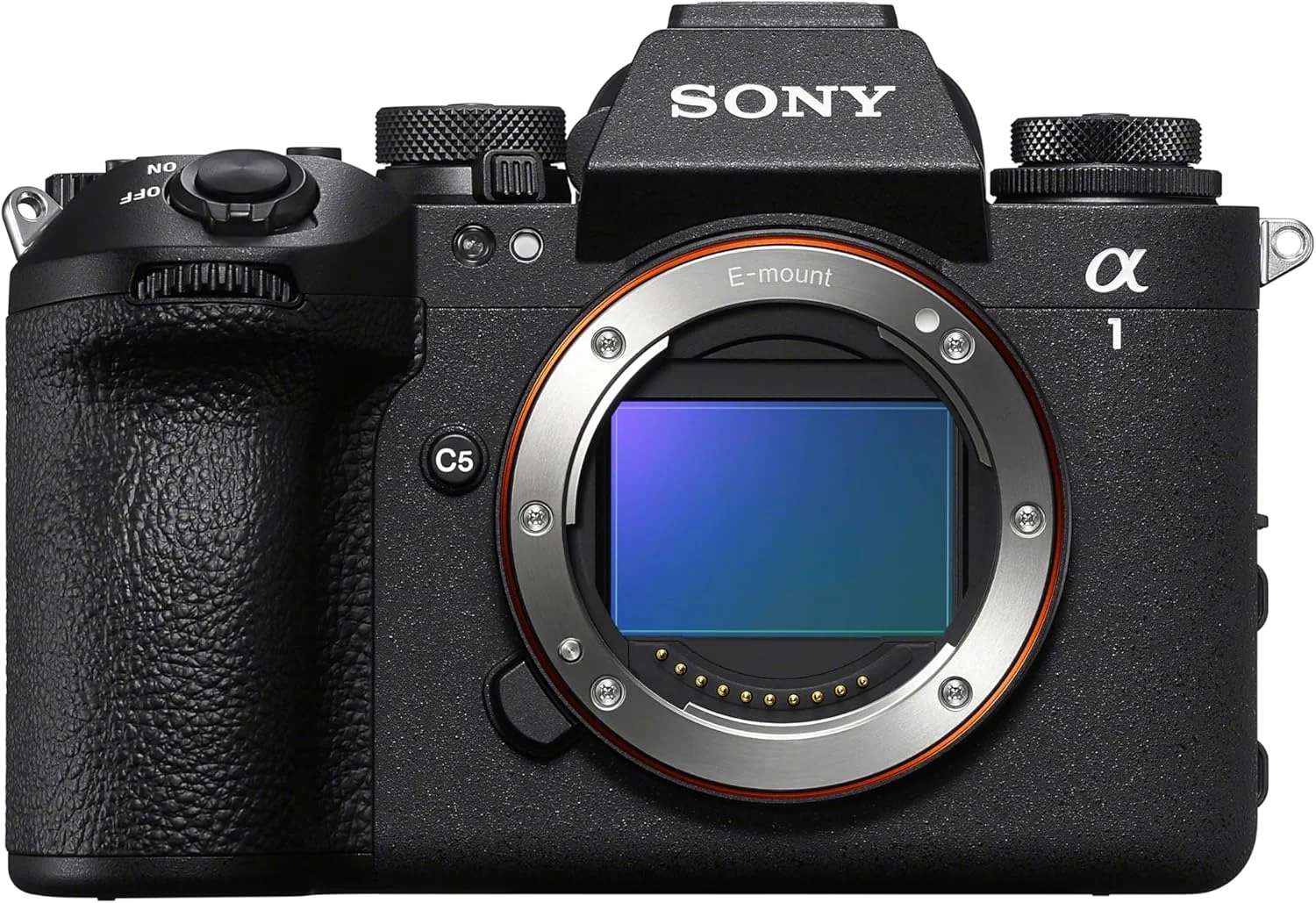
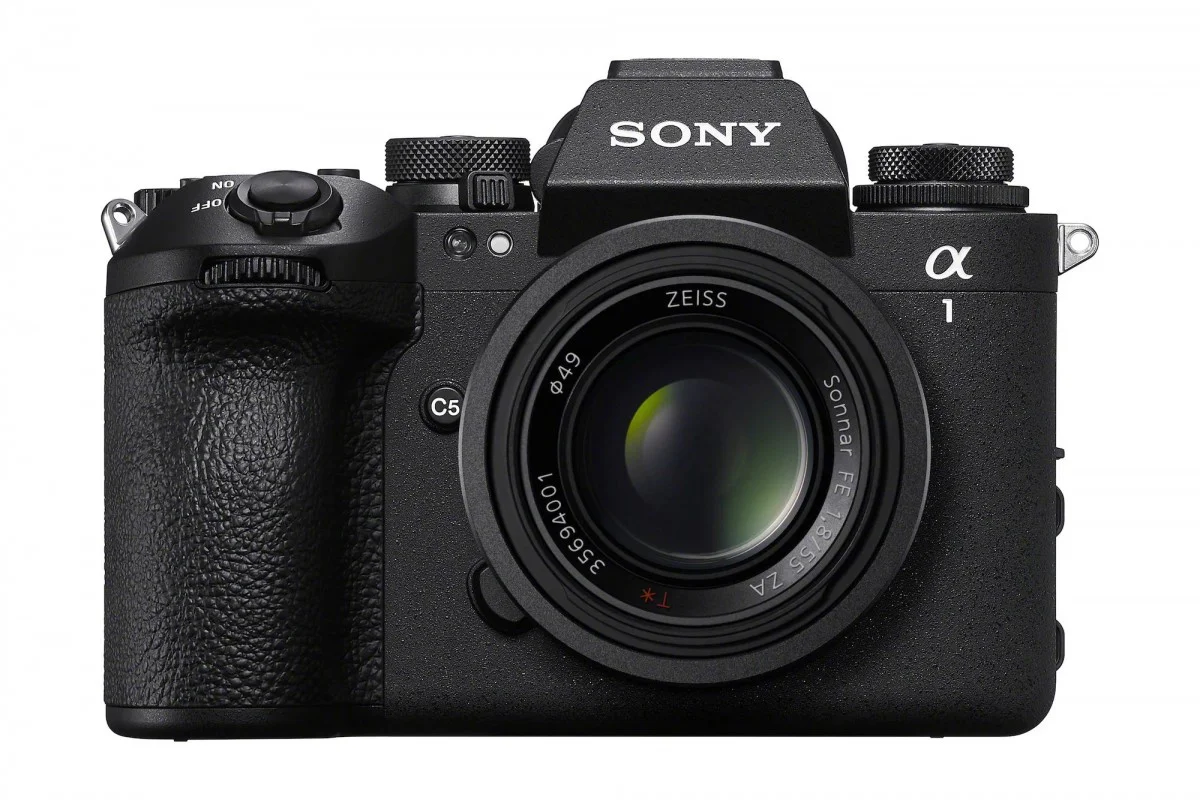
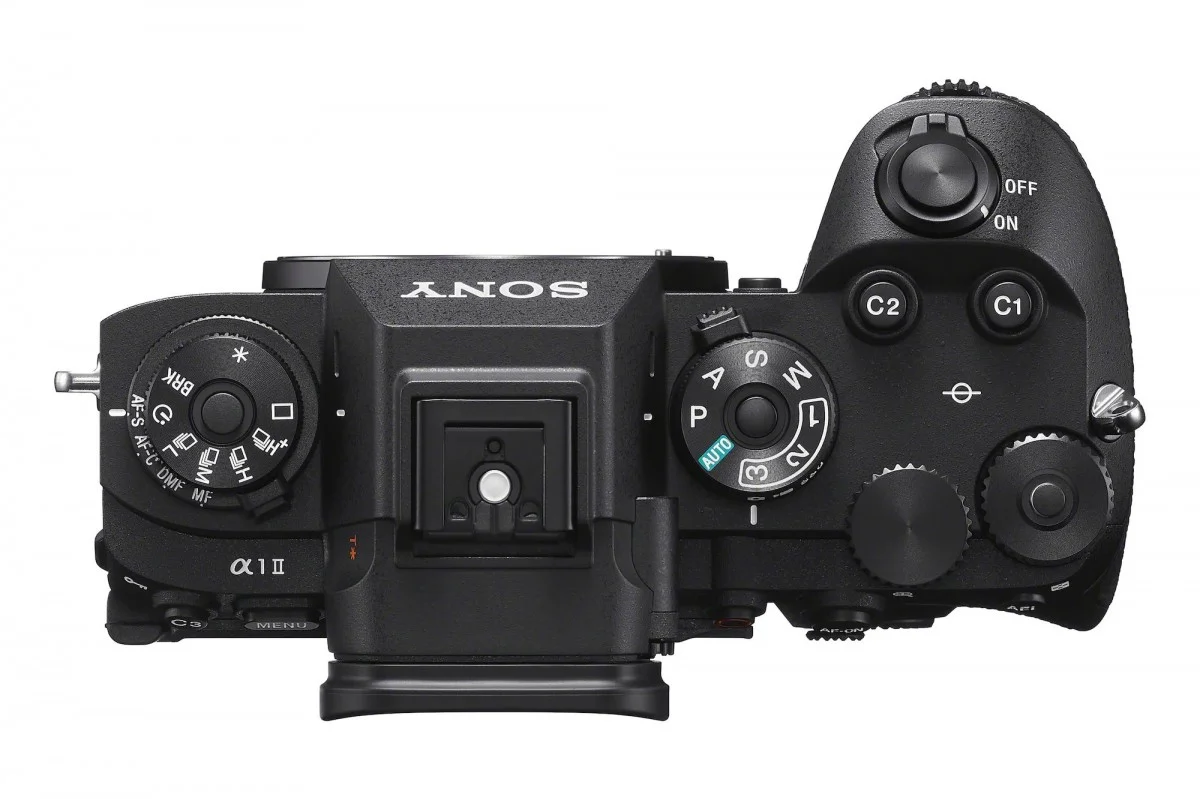
Sony has masterfully refined the physical architecture of the Alpha 1 II, borrowing the highly praised ergonomic enhancements introduced in recent Alpha iterations. The grip is noticeably deeper and more contoured than the original A1, catering directly to professionals who wield heavy telephoto lenses for hours on end. Crafted from a robust magnesium alloy, the chassis feels indestructible while maintaining a relatively lightweight profile at just 745 grams. Extensive weather sealing ensures that shooting in torrential downpours or dusty safaris remains entirely stress-free.
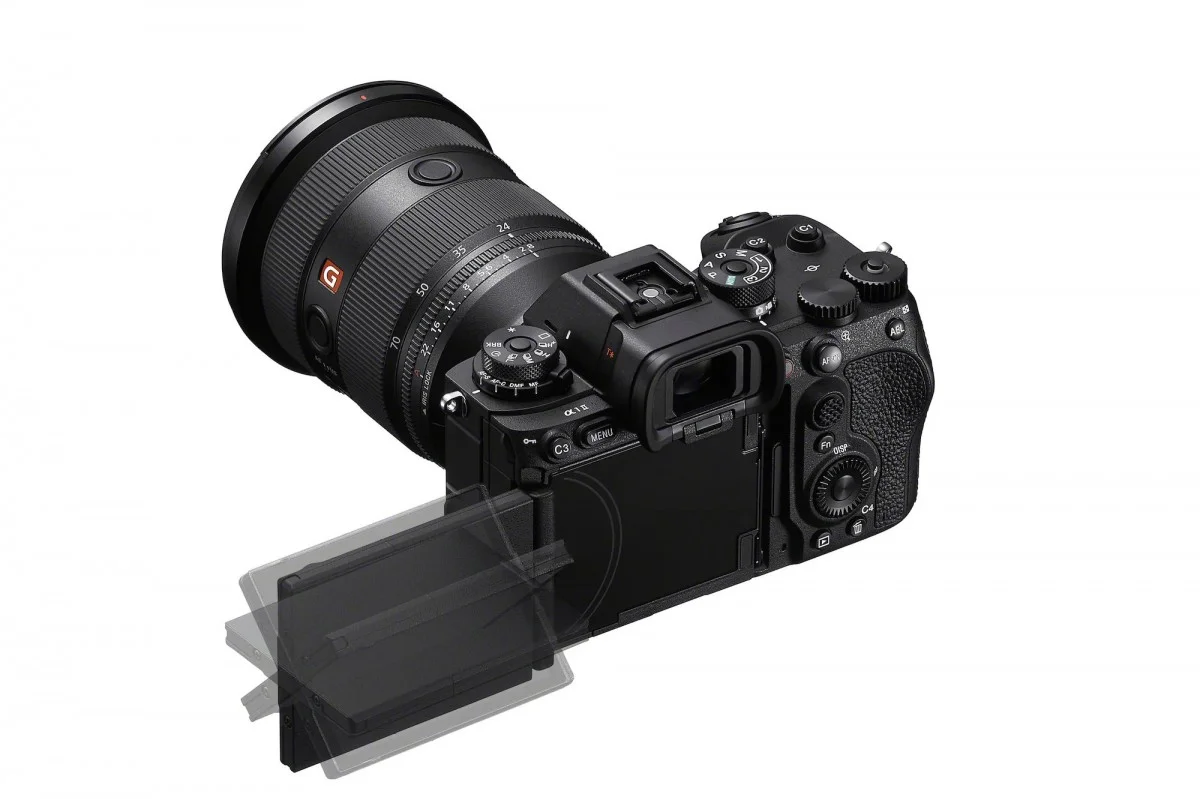
One of the most welcome physical updates is the multi-angle 4-axis articulating touchscreen. It provides the flexibility required by hybrid shooters and videographers without compromising the structural durability favored by traditional stills photographers. The tactile feedback on the dials has been tightened, and the custom buttons have slightly raised profiles, making it significantly easier to operate the camera by feel while keeping your eye glued to the staggering 9.44-million dot OLED viewfinder.
Performance
When it comes to sheer processing grunt, the Sony Alpha 1 II is an absolute titan. Powered by upgraded dual BIONZ XR processors alongside a dedicated AI processing unit, the camera handles its massive 50.1-megapixel files with astonishing fluidity. In continuous shooting benchmarks, the A1 II effortlessly sustains 30 frames per second of blackout-free RAW bursts. The buffer clears remarkably fast, thanks to the dual CFexpress Type A slots, allowing sports and wildlife photographers to capture decisive moments without ever hitting a frustrating processing bottleneck.
Autofocus performance is where the Alpha 1 II truly distances itself from the competition in 2026. The integration of advanced deep-learning AI elevates Sony’s already industry-leading Real-time Tracking to near-telepathic levels. The camera effortlessly locks onto the eyes of humans, animals, birds, insects, and fast-moving vehicles, maintaining unshakeable focus even when subjects temporarily pass behind obstacles. Real-world testing during a fast-paced motorsport event resulted in a practically flawless hit rate.
Videography performance is equally uncompromising. The A1 II captures oversampled 8K video at up to 60p with full pixel readout and no line skipping, delivering unprecedented sharpness and dynamic range. Furthermore, thermal management has been drastically improved over the first generation; we were able to record 8K/60p continuously for over an hour without receiving a single heat warning, cementing this camera as a legitimate A-cam for high-end cinematic productions.
Features & Software
The Alpha 1 II boasts an incredibly robust feature set tailored for the modern workflow. The inclusion of 8.5 stops of In-Body Image Stabilization (IBIS) is a game-changer, allowing for critically sharp handheld shots at shutter speeds that were previously unthinkable for a 50-megapixel sensor. On the software side, Sony’s revamped menu system offers extensive touch functionality and a highly customizable “Main Menu” tab that surfaces your most frequently used video and photo settings instantly.
Connectivity features have also received a next-gen upgrade for 2026. The camera supports Wi-Fi 7 and 5G cellular tethering natively, enabling photojournalists to FTP full-resolution RAW files to news desks with virtually zero latency. Additionally, Sony’s newly integrated cloud-sync software allows for automatic proxy-file uploading straight from the camera, radically streamlining the post-production pipeline for commercial hybrid creators.
Value Proposition
Priced well into the premium tier, the Sony Alpha 1 II is an undeniable financial investment. However, its value proposition becomes crystal clear when you view it as three elite cameras housed in a single body. You are simultaneously getting the high resolution of the R-series, the blistering speed of the A9 line, and the cinema-grade video specs of a dedicated FX camera. For the working professional whose livelihood depends on versatility and reliability, this consolidation of gear makes the high cost of entry highly justifiable.
For enthusiasts or hobbyists, the price-to-performance ratio may be heavily skewed by features they will rarely utilize. Yet, for elite commercial, wildlife, and sports photographers, the Alpha 1 II ultimately saves money and space by eliminating the need to maintain multiple specialized camera bodies and redundant setups.
How It Compares
When stacked against the Nikon Z9, the Sony Alpha 1 II offers a distinctly different form factor. While the Z9 relies on a massive, built-in vertical grip and a purely electronic shutter, the A1 II offers a much lighter, more compact body with the option to use a mechanical shutter when necessary. The A1 II also edges out the Nikon in the granularity of its AI subject detection. Against the Canon EOS R1, Sony wins the resolution battle by pairing 50 megapixels with its 30 fps burst, whereas Canon’s flagship opts for a lower-resolution sensor to achieve its maximum speeds. However, Canon still maintains a slight edge in out-of-the-box color science and menu simplicity.
Pros and Cons
Pros
- Features a breathtaking 50.1MP sensor capable of delivering both high resolution and blackout-free 30 fps burst shooting.
- The dedicated AI processing unit provides industry-leading, near-flawless subject tracking and autofocus reliability.
- Improved thermal management allows for extensive 8K/60p video recording without frustrating overheating interruptions.
- The highly versatile 4-axis articulating screen perfectly satisfies both photographers and videographers alike.
Cons
- The extraordinarily high price point pushes it far out of reach for most enthusiasts and semi-professionals.
- It continues to rely on the expensive and proprietary CFexpress Type A memory card format.
- Navigating the sheer volume of advanced menu settings can feel overwhelmingly complex for those new to the Sony ecosystem.
- Battery life depletes rapidly when heavily utilizing the 240 fps EVF refresh rate alongside continuous 8K recording.
FAQ
Q: Does the Sony Alpha 1 II overheat during 8K video recording?
A: Thanks to a redesigned internal heatsink for 2026, the A1 II handles thermal loads exceptionally well, allowing for over an hour of continuous 8K/60p recording in standard conditions without overheating.
Q: Does the Alpha 1 II have a mechanical shutter?
A: Yes, unlike some purely electronic competitors, the Alpha 1 II retains a physical mechanical shutter alongside its ultra-fast electronic shutter, offering maximum flexibility for various lighting environments.
Q: Can I use CFexpress Type B cards in this camera?
A: No, the Alpha 1 II features dual card slots that are compatible exclusively with CFexpress Type A cards or standard UHS-II SD cards.
Q: Is the camera body weather-sealed?
A: Yes, the camera features extensive weather sealing throughout its magnesium alloy chassis, making it highly resistant to dust, moisture, and challenging outdoor environments.
Verdict
The Sony Alpha 1 II is the ultimate “do-everything” flagship, uncompromisingly designed for top-tier professionals who demand extreme resolution, speed, and video performance in a single package. If your work seamlessly crosses the boundaries of commercial portraiture, high-speed sports, and 8K cinematography, this camera is an unrivaled investment. However, casual shooters and specialists in just a single medium may find better value in Sony’s more targeted, less expensive models.
Where to Buy
Pros
- ✓ Features a breathtaking 50.1MP sensor capable of delivering both high resolution and blackout-free 30 fps burst shooting.
- ✓ The dedicated AI processing unit provides industry-leading, near-flawless subject tracking and autofocus reliability.
- ✓ Improved thermal management allows for extensive 8K/60p video recording without frustrating overheating interruptions.
- ✓ The highly versatile 4-axis articulating screen perfectly satisfies both photographers and videographers alike.
Cons
- ✗ The extraordinarily high price point pushes it far out of reach for most enthusiasts and semi-professionals.
- ✗ It continues to rely on the expensive and proprietary CFexpress Type A memory card format.
- ✗ Navigating the sheer volume of advanced menu settings can feel overwhelmingly complex for those new to the Sony ecosystem.
- ✗ Battery life depletes rapidly when heavily utilizing the 240 fps EVF refresh rate alongside continuous 8K recording.
Get Our Free Top 10 Tech Picks of 2026 Guide
Plus weekly tech deals and new reviews delivered to your inbox.
[cp_email_signup]
No spam. Unsubscribe anytime.
Ready to buy the Sony Alpha 1 II?
Affiliate link — we may earn a commission at no extra cost to you.