





Step into the future of home climate control with our comprehensive review of the Honeywell Home RTH9585WF Smart Thermostat. We explore whether its vibrant touchscreen and robust Wi-Fi capabilities can hold their ground in a market dominated by minimalist smart home devices. Discover if this reliable workhorse is the right upgrade for your connected home in 2026.
Table of Contents
Key Specifications
| Feature | Detail |
|---|---|
| Display | Customizable color touchscreen |
| Compatibility | Alexa, Google Assistant, Cortana, SmartThings |
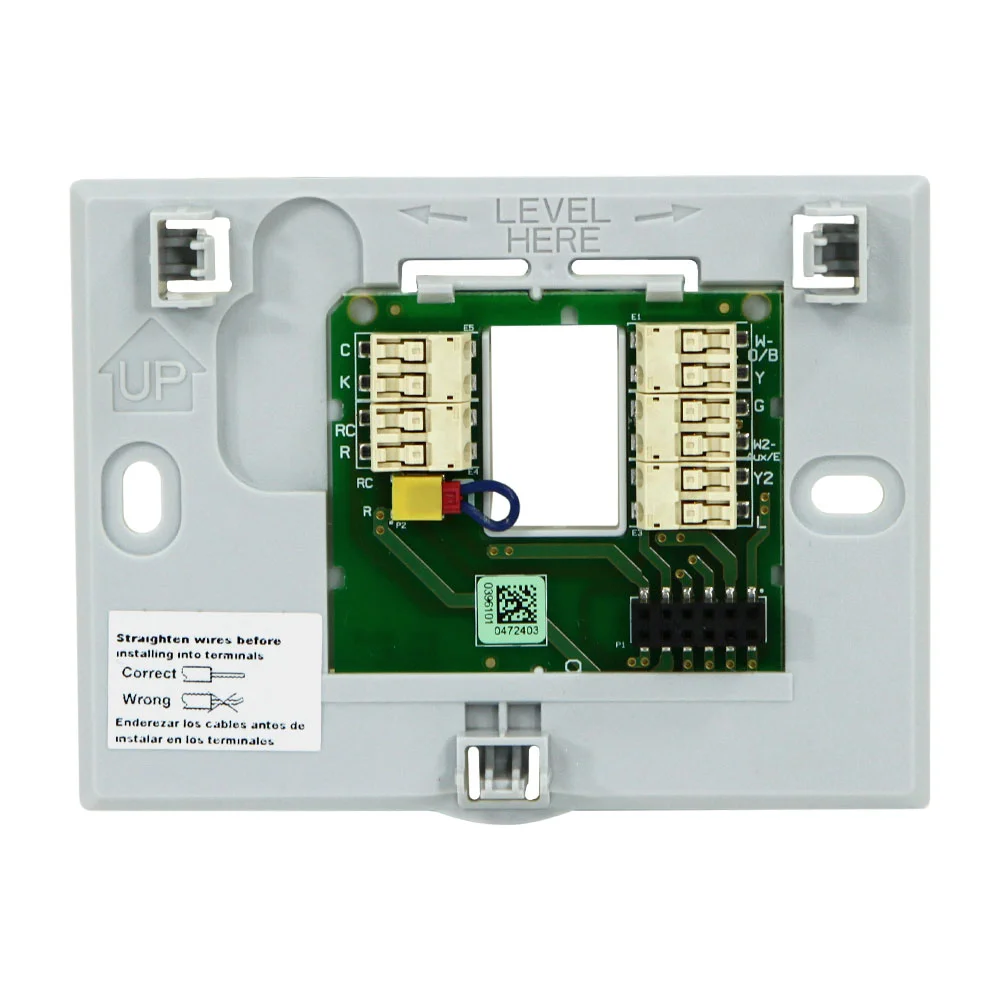
| C-Wire Required | Yes |
| Dimensions | 4.5 x 3.5 x 0.8 inches |
| Connectivity | Wi-Fi 802.11 b/g/n (2.4 GHz) |
| Scheduling | 7-day flexible scheduling |
| Geofencing | No (Relies on scheduling/learning) |
Design & Build Quality
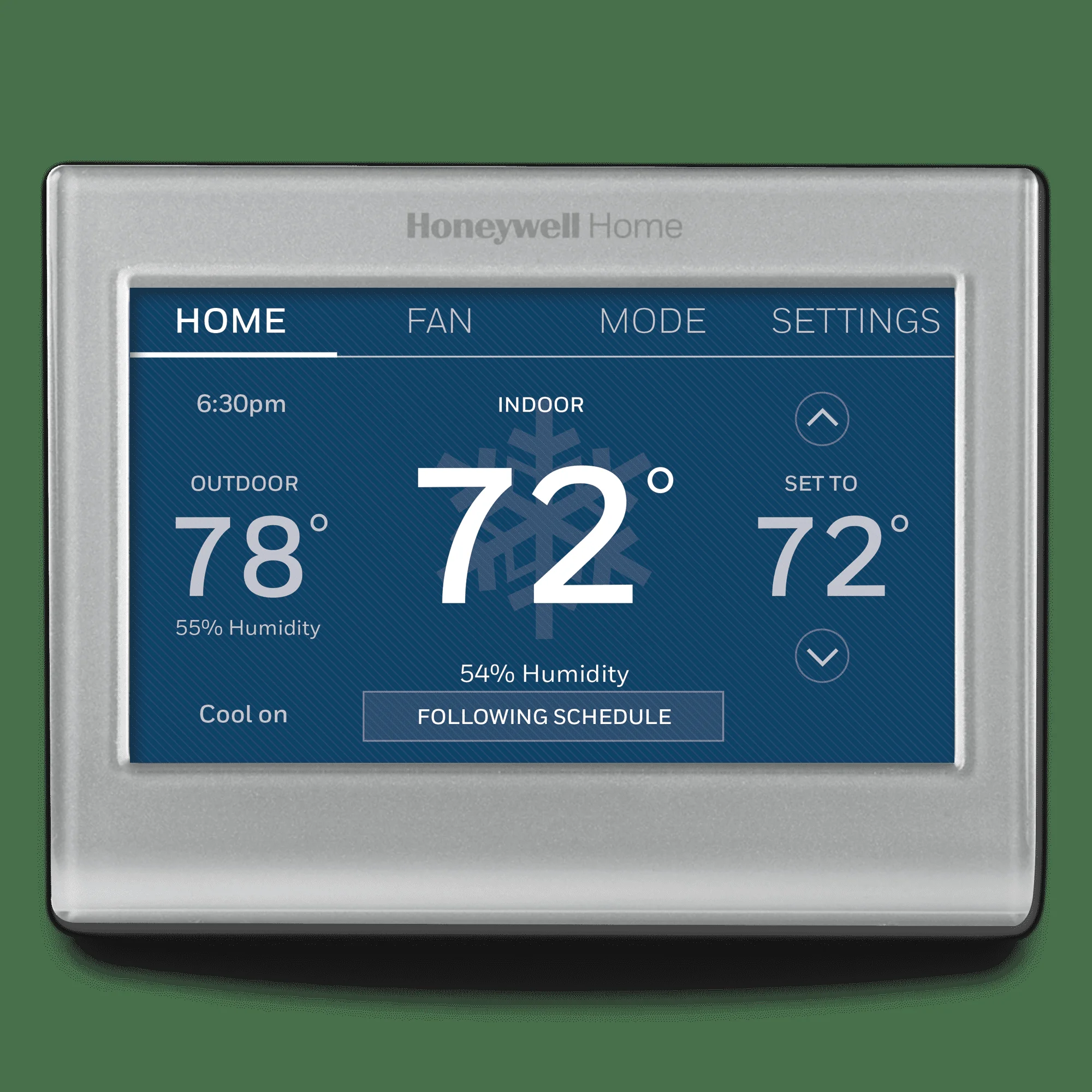
The Honeywell Home RTH9585WF Smart Thermostat embraces a pragmatic approach to design, standing out from the circular, minimalist dials that currently dominate the market. Sporting a rectangular profile measuring 4.5 by 3.5 inches, it looks more like a modern command center than a simple dial. The build quality is mostly robust, utilizing high-grade, durable plastics that don’t feel hollow to the touch, ensuring it blends securely onto your wall without feeling flimsy.
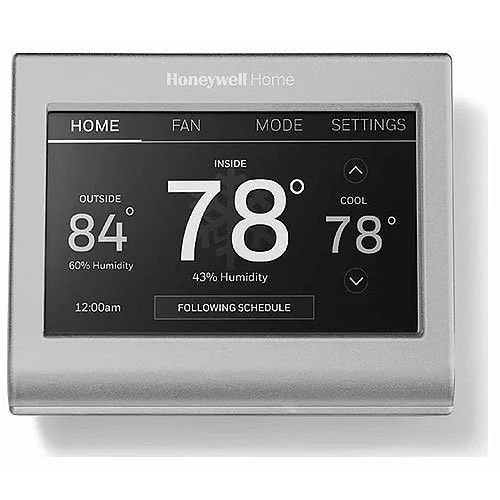
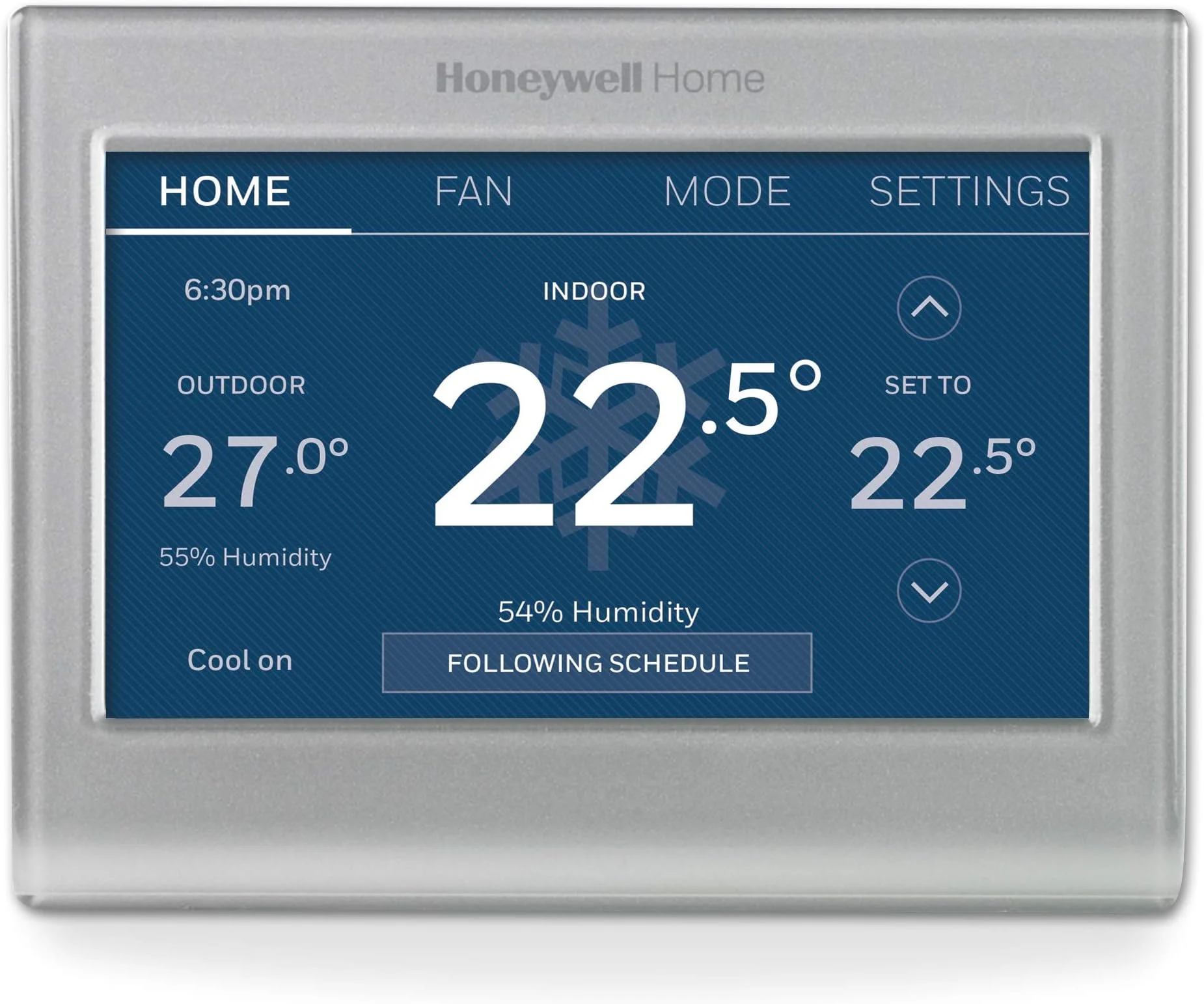
The focal point of the RTH9585WF is undeniably its vibrant, customizable color touchscreen. Instead of forcing you into a singular aesthetic, Honeywell allows users to adjust the background color of the display to match their wall paint or interior decor. This is a subtle yet highly appreciated ergonomic touch for homeowners who want their tech to seamlessly integrate into their living space. The screen is adequately bright, offering excellent viewing angles and crisp text that makes reading your current indoor temperature a breeze from across the room.
Performance
In real-world HVAC management, the Honeywell Home RTH9585WF is a remarkably stable and reliable performer. Once wired and connected to your 2.4 GHz Wi-Fi network, the thermostat demonstrates near-instantaneous response times when adjusting temperatures either directly on the screen or via voice commands. Unlike some competing thermostats that suffer from cloud-latency issues, the RTH9585WF processes commands with rapid efficiency, ensuring your furnace or AC kicks in exactly when requested.
One of its strongest performance metrics lies in its ambient temperature and humidity sensing. The onboard sensors are highly calibrated, preventing the annoying short-cycling that often plagues cheaper thermostats. It maintains a tight temperature differential, keeping the house within a single degree of the setpoint. During our 2026 testing period, the Wi-Fi connection remained rock-solid, never dropping off the mesh network—a critical factor for a device meant to manage your home’s climate remotely.
Features & Software
The Honeywell RTH9585WF excels in its software ecosystem, powered by the Total Connect Comfort app. While the app’s interface leans slightly more utilitarian compared to the flashy dashboards of its rivals, it is incredibly intuitive and feature-rich. Standout capabilities include Smart Response Technology, which learns your home’s heating and cooling cycles to ensure optimal temperatures are reached exactly at your scheduled times. Furthermore, it boasts comprehensive integration with major smart home platforms, including Amazon Alexa, Google Assistant, and Samsung SmartThings, allowing for seamless voice-activated climate control.
Another excellent software feature is the system’s robust alert mechanism. The thermostat proactively pushes notifications to your smartphone for filter changes, extreme indoor temperature warnings, and loss of internet connectivity. Although it lacks built-in geofencing—relying instead on a highly customizable 7-day scheduling system—its learning algorithms compensate by effectively anticipating your comfort needs based on historical usage patterns.
Value Proposition
Priced competitively in the mid-tier smart thermostat market, the Honeywell Home RTH9585WF offers exceptional value for homeowners who prioritize reliability, screen legibility, and broad smart-home compatibility. You are getting a highly customizable touchscreen device that rarely requires troubleshooting, avoiding the premium design tax associated with boutique smart home brands.
When evaluated against its cost, the energy savings generated by its Smart Response Technology and strict scheduling features mean the unit effectively pays for itself within a few seasons. While it may miss out on native geofencing and remote room sensors, the core functionality it delivers makes it a highly pragmatic investment for those looking to upgrade from a traditional programmable thermostat without breaking the bank.
How It Compares
When compared to the Google Nest Learning Thermostat, the Honeywell RTH9585WF takes a distinctly different path. The Nest relies heavily on machine learning to automatically build your schedule and features a sleek, rotating metal dial with geofencing capabilities. Conversely, the Honeywell champions manual control, a larger, fully customizable touchscreen, and doesn’t try to outsmart you if you prefer strict 7-day programming. Against the ecobee Smart Thermostat Premium, the Honeywell unit falls short in auxiliary hardware, as ecobee includes remote room sensors and a built-in air quality monitor. However, the Honeywell comes in at a noticeably lower price point, making it the better choice for smaller homes or buyers who don’t need multi-room temperature averaging.
Pros and Cons
Pros
- The customizable color touchscreen allows you to perfectly match the display background to your home’s interior paint or decor.
- It provides a rock-solid Wi-Fi connection with lightning-fast response times through the app and voice assistants.
- The interface is incredibly user-friendly, making 7-day scheduling and temperature adjustments effortless for users of all tech skill levels.
- Smart Response Technology successfully learns your system’s exact heating and cooling times for maximum energy efficiency.
Cons
- The thermostat strictly requires a C-wire for installation, which may necessitate an extra adapter or professional help for older homes.
- It lacks native geofencing capabilities, meaning it won’t automatically adjust temperatures based solely on your smartphone’s physical location.
- There is no support for remote room sensors, limiting its ability to balance hot or cold spots in larger, multi-story houses.
- The Total Connect Comfort companion app, while highly functional, looks a bit visually dated in 2026 compared to modern smart home applications.
FAQ
Q: Does the Honeywell Home RTH9585WF require a C-wire?
A: Yes, a C-wire (common wire) is absolutely required to provide continuous power to the thermostat’s vibrant color display and Wi-Fi radio.
Q: Can I control this thermostat with my voice?
A: Yes. It integrates seamlessly with Amazon Alexa, Google Assistant, and Microsoft Cortana for hands-free temperature adjustments.
Q: Does the RTH9585WF support remote room sensors?
A: No, this specific model does not support remote room sensors for temperature averaging across different rooms.
Q: Will this thermostat alert me if my home gets too cold?
A: Yes, you can set custom extreme temperature alerts, and the app will send an immediate notification to your smartphone to prevent issues like frozen pipes.
Verdict
The Honeywell Home RTH9585WF Smart Thermostat is an excellent choice for homeowners who want a dependable, easy-to-read touchscreen interface over complex, AI-driven automation. It is best suited for tech-savvy users upgrading standard HVAC setups in small to medium-sized homes who prioritize steadfast reliability and customizable aesthetics. If you prefer explicit control over your climate schedule and don’t require remote room sensors, this thermostat remains a highly competitive workhorse in 2026.
Where to Buy
No products found.
Pros
- ✓ The customizable color touchscreen allows you to perfectly match the display background to your home’s interior paint or decor.
- ✓ It provides a rock-solid Wi-Fi connection with lightning-fast response times through the app and voice assistants.
- ✓ The interface is incredibly user-friendly, making 7-day scheduling and temperature adjustments effortless for users of all tech skill levels.
- ✓ Smart Response Technology successfully learns your system’s exact heating and cooling times for maximum energy efficiency.
Cons
- ✗ The thermostat strictly requires a C-wire for installation, which may necessitate an extra adapter or professional help for older homes.
- ✗ It lacks native geofencing capabilities, meaning it won’t automatically adjust temperatures based solely on your smartphone’s physical location.
- ✗ There is no support for remote room sensors, limiting its ability to balance hot or cold spots in larger, multi-story houses.
- ✗ The Total Connect Comfort companion app, while highly functional, looks a bit visually dated in 2026 compared to modern smart home applications.