







The Therm-a-Rest NeoAir XLite has long been the gold standard for ultralight backpackers, but the latest iteration brings serious material science to the backcountry. We put this highly engineered sleep system through its paces to see if its thermal benchmarks and inflation speeds live up to the hype.
Table of Contents
Key Specifications
| Feature | Detail |
|---|---|
| Weight | 13 oz (370g) (Regular size) |
| R-Value | 4.5 (ASTM F3340-18 standard) |
| Dimensions | 72 x 20 x 3 inches |
| Material | 30D high-tenacity ripstop nylon |
| Valve System | WingLock™ Valve |
| Core Tech | ThermaCapture™ & Triangular Core Matrix™ |
Design & Build Quality
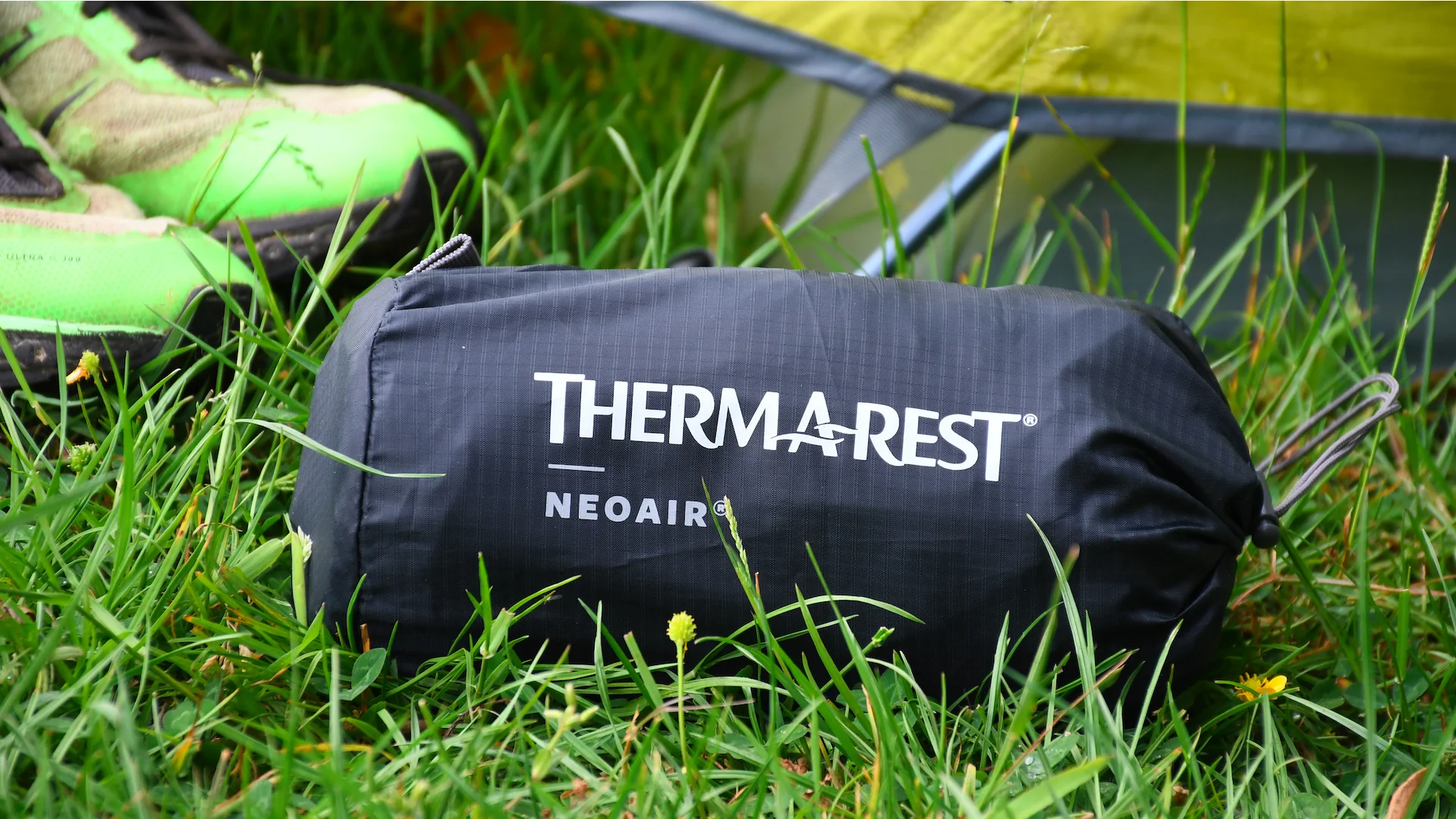
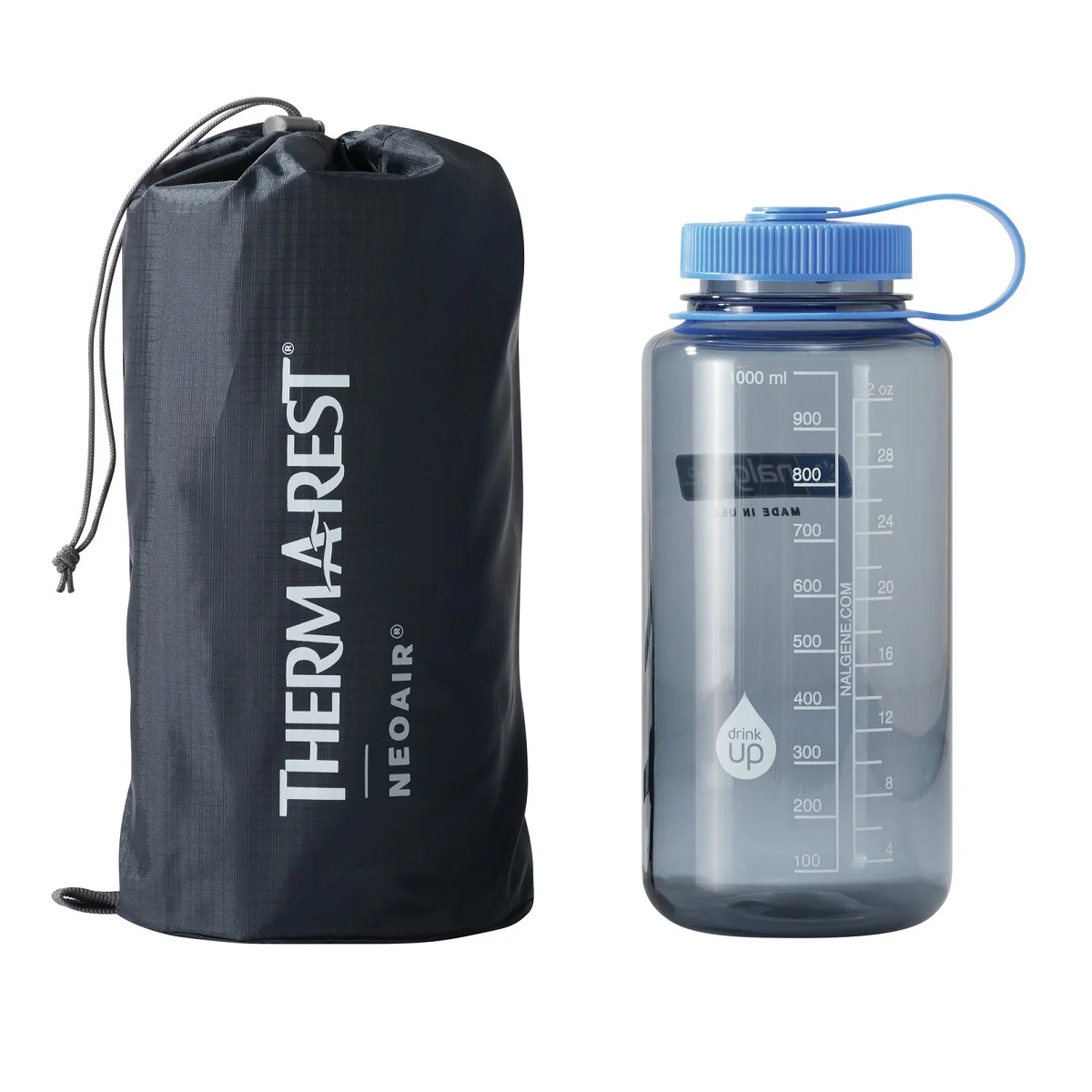
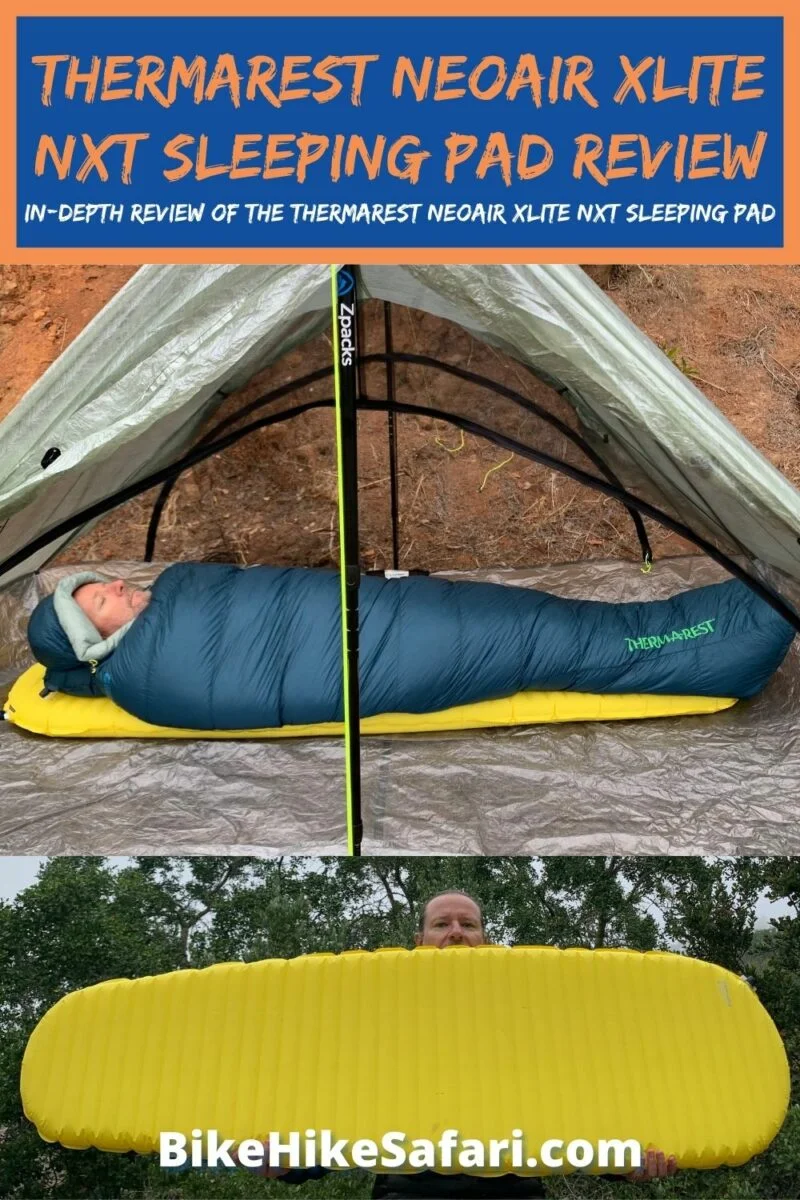
From a hardware perspective, the 2026 Therm-a-Rest NeoAir XLite is a masterclass in shedding weight without compromising structural integrity. The chassis of the pad is constructed from a proprietary 30D high-tenacity ripstop nylon. While 30D might sound thin to users accustomed to heavy-duty car camping gear, the material science at play here offers exceptional puncture resistance relative to its weight class. The form factor is aggressively tapered in the mummy versions to trim off every excess gram, packing down to the exact footprint of a standard 1-liter Nalgene bottle.
Ergonomics have also seen a refined boost. Therm-a-Rest has maintained the generous 3-inch thickness, which effectively eliminates bottoming out, even for side sleepers with sharper pressure points. The horizontal baffling system is engineered to provide edge-to-edge support, preventing the “taco effect” where lesser pads fold in around the user. Most impressively, Therm-a-Rest’s acoustic engineering has successfully muted the infamous “potato chip bag” crinkle noise that plagued earlier generations, utilizing a softer internal reflective film.
Performance
When it comes to raw benchmarks, the NeoAir XLite dominates the warmth-to-weight ratio charts. Subjected to standardized ASTM F3340-18 thermal resistance testing, the pad scores an impressive 4.5 R-value. In real-world applications, this translates to unparalleled heat retention. During our field tests at sub-freezing elevations, the pad effectively reflected our body’s radiant heat while completely isolating us from the conductive heat loss of the frozen alpine granite.
Inflation speed is another critical metric for exhausted backpackers, and the XLite performs admirably. Clocking the inflation times using the included pump sack, we reached optimal PSI in roughly 90 seconds. Deflation is where the speed truly shines; the proprietary valve architecture allows the pad to dump its air payload three times faster than classic screw-valves, meaning you can break down camp and get back on the trail in record time.
Weight distribution and surface tension remain consistent throughout the night. Unlike cheaper pads that leak micro-amounts of air due to fluctuating ambient temperatures, the XLite maintains a rigid yet comfortable surface. We noticed zero pressure loss overnight, validating the airtight integrity of their ultrasonic material welds.
Features & Software
While an inflatable sleeping pad obviously lacks digital software or a companion app, the NeoAir XLite utilizes brilliant analog engineering that acts as its “operating system.” The Triangular Core Matrix serves as an algorithmic routing system for trapped air, creating over 100 internal cells that prevent convective heat loss. Working in tandem with this is the ThermaCapture technology—a series of reflective layers that bounce radiant heat back to your body without the need for heavy, battery-powered heating coils.
The primary user interface of the pad is the WingLock valve system. This piece of hardware is exceptionally intuitive, featuring a one-way inflation mechanism that stops air from escaping while you catch your breath. A simple twist of the textured secondary wings transitions the system into a rapid-dump deflation mode. It’s a mechanical “plug-and-play” experience that feels robust, tactile, and easily operable even when wearing thick winter gloves.
Value Proposition
Priced at the premium end of the market, the NeoAir XLite requires a sizable upfront investment. However, for serious backpackers, thru-hikers, and outdoor tech enthusiasts, the ROI is undeniably high. You are paying for cutting-edge material science that shaves crucial ounces off your base weight while virtually guaranteeing a warm, restorative sleep—arguably the most vital component of backcountry performance.
How It Compares
When stacked against the NEMO Tensor Ultralight, the NeoAir XLite pulls ahead in thermal efficiency and weight, though the Tensor arguably offers a slightly quieter and more plush, dimpled sleep surface. Against the Sea to Summit Ether Light XT, the XLite is significantly lighter and packs down much smaller, but the Ether Light XT’s Air Sprung Cell technology provides better multi-directional contouring for restless sleepers. Ultimately, the XLite remains the benchmark for pure warmth-to-weight optimization.
Pros and Cons
Pros
- Exceptional warmth-to-weight ratio with an independently verified 4.5 R-value.
- Lightning-fast inflation and deflation speeds via the intuitive WingLock valve system.
- Significantly quieter than previous generations, eliminating the notorious crinkling noise.
- Ultra-compact form factor packs down to the size of a standard 1-liter water bottle.
Cons
- The premium price tag represents a significant investment for casual or weekend campers.
- The 20-inch width on the regular-sized model feels highly restrictive for active side sleepers.
- Lacks the plush, multi-directional comfort and contouring found in competing dimpled pads.
- The included pump sack feels somewhat flimsy and can be prone to puncturing if mishandled in the field.
FAQ
Q: What is the R-value of the NeoAir XLite, and what does it mean?
A: It features an R-value of 4.5, which is a standardized metric for thermal resistance. This rating means the pad provides excellent insulation, making it fully capable for 3-season use and light winter camping.
Q: Does it still make that loud crinkly noise?
A: No, the latest engineering iteration has integrated softer, noise-reducing ThermaCapture materials, making it remarkably quiet compared to earlier models.
Q: Can I inflate this pad without the included pump sack?
A: Yes, you can manually blow into the WingLock valve. However, using the pump sack is highly recommended as it prevents moisture from your breath from building up and compromising the internal baffles over time.
Q: How do I repair a puncture in the backcountry?
A: The pad ships with a specialized field repair kit containing alcohol wipes and rapid-curing adhesive patches, allowing for fast, reliable hardware fixes on the trail.
Verdict
The 2026 Therm-a-Rest NeoAir XLite remains the undisputed champion of the ultralight sleep ecosystem. If you are an ounce-counting thru-hiker or a backcountry tech enthusiast who demands top-tier thermal efficiency without sacrificing packability, this pad easily justifies its premium price.
Where to Buy
Pros
- ✓ Exceptional warmth-to-weight ratio with an independently verified 4.5 R-value.
- ✓ Lightning-fast inflation and deflation speeds via the intuitive WingLock valve system.
- ✓ Significantly quieter than previous generations, eliminating the notorious crinkling noise.
- ✓ Ultra-compact form factor packs down to the size of a standard 1-liter water bottle.
Cons
- ✗ The premium price tag represents a significant investment for casual or weekend campers.
- ✗ The 20-inch width on the regular-sized model feels highly restrictive for active side sleepers.
- ✗ Lacks the plush, multi-directional comfort and contouring found in competing dimpled pads.
- ✗ The included pump sack feels somewhat flimsy and can be prone to puncturing if mishandled in the field.
Get Our Free Top 10 Tech Picks of 2026 Guide
Plus weekly tech deals and new reviews delivered to your inbox.
[cp_email_signup]
No spam. Unsubscribe anytime.
Ready to buy the Therm-a-Rest NeoAir XLite Sleeping Pad?
Affiliate link — we may earn a commission at no extra cost to you.