





The Sony ZV-1F remains a popular entry point for content creators looking to step up from smartphone videography without breaking the bank. Designed specifically for vloggers, this compact powerhouse pairs a wide-angle prime lens with an intuitive interface. We put this pocket-sized camera through its paces to see if it still holds up in today’s demanding digital landscape.
Table of Contents
Key Specifications
| Feature | Detail |
|---|---|
| Sensor | 20.1MP 1-inch Exmor RS CMOS |
| Lens | 20mm equivalent f/2.0 prime lens |
| Video Resolution | Up to 4K at 30fps / 1080p at 120fps |
| Autofocus | Contrast-detection AF with Eye AF |
| Screen | 3.0-inch fully articulating touchscreen |
| Weight | 256g (with battery and memory card) |
| Connectivity | Wi-Fi, Bluetooth, USB-C, 3.5mm mic jack |
Design & Build Quality
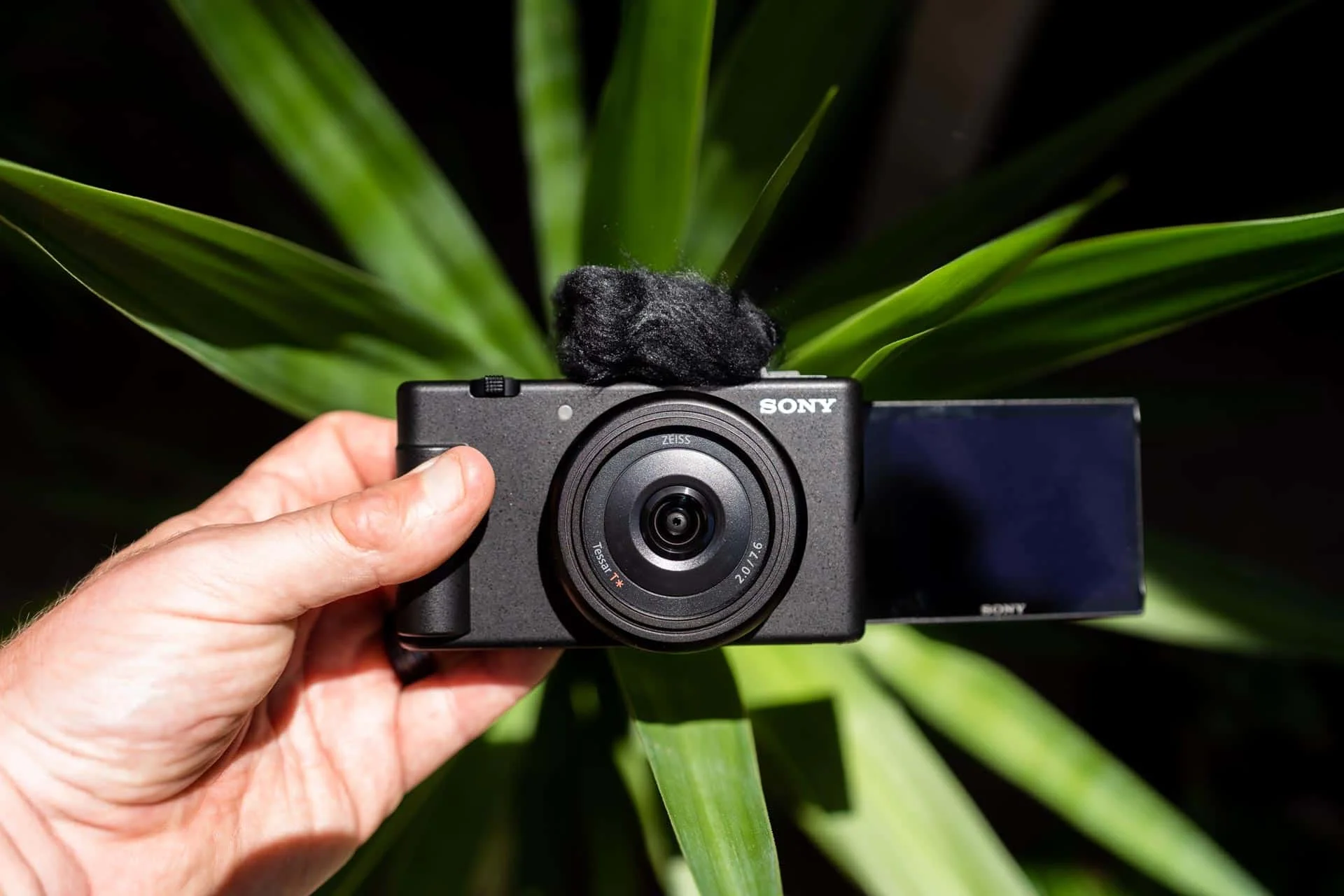
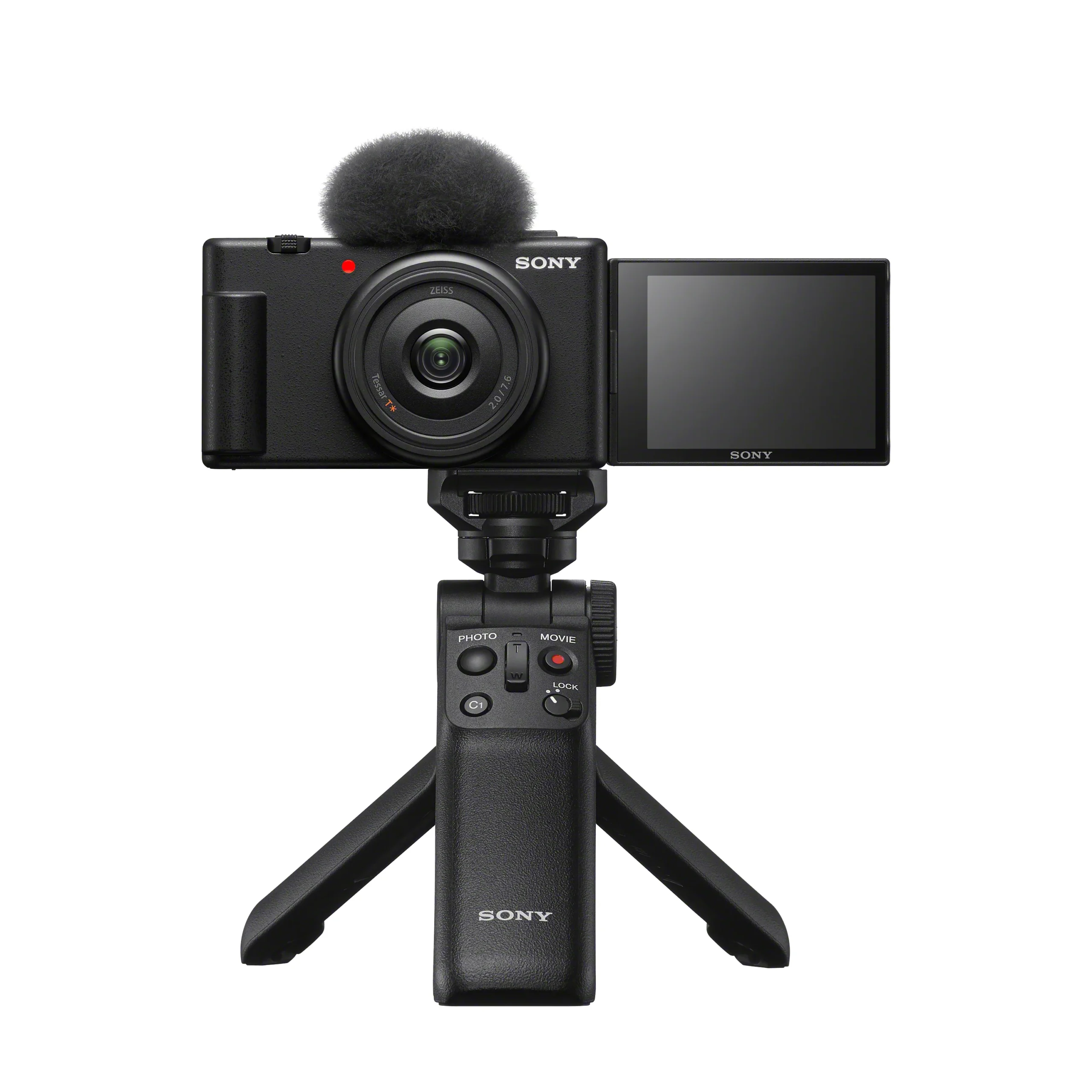
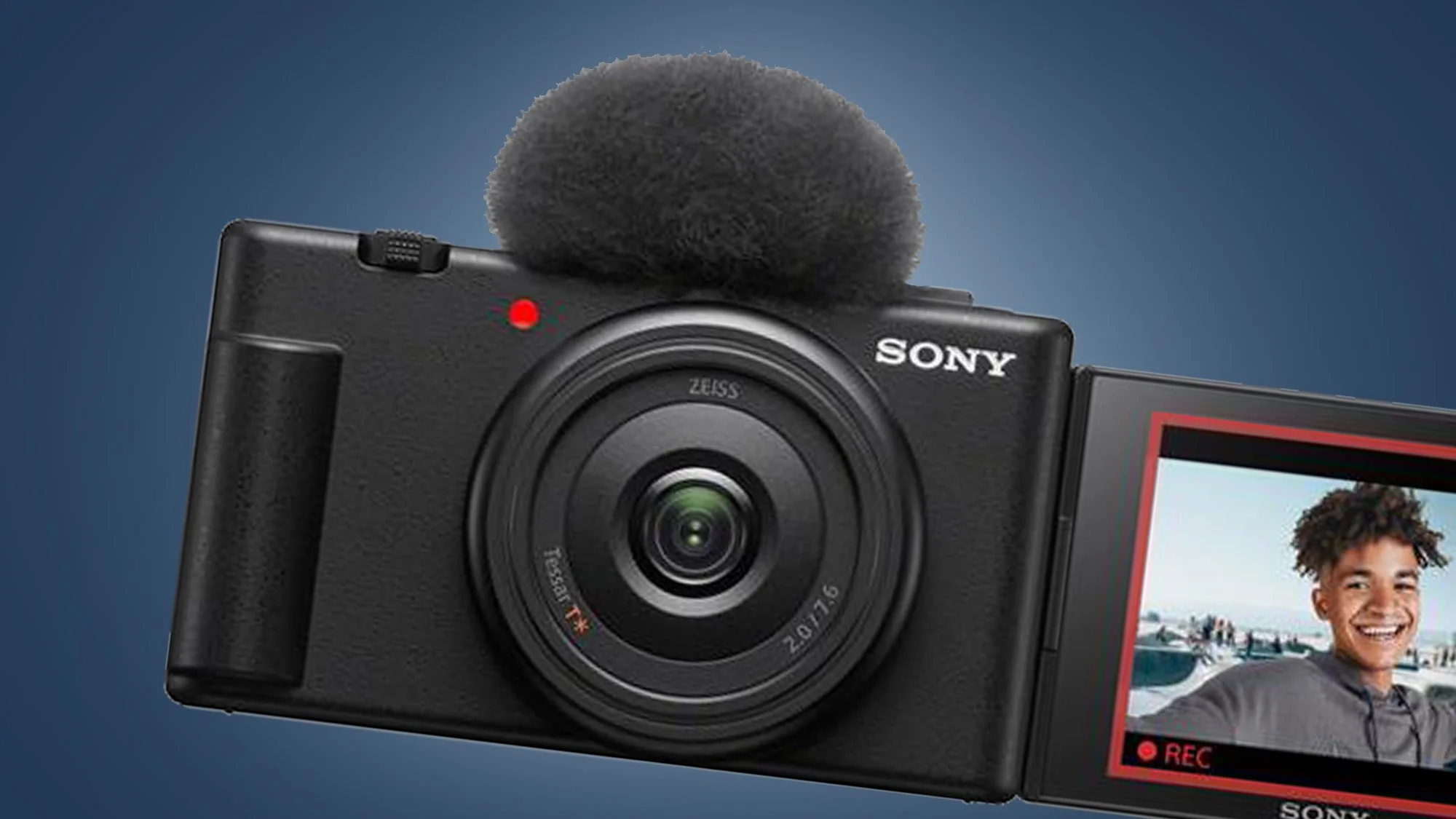
The Sony ZV-1F retains the unmistakable DNA of the ZV lineage, prioritizing a lightweight and highly pocketable form factor that appeals directly to on-the-go creators. Weighing in at a mere 256 grams, it is crafted from a durable, high-quality composite plastic that feels robust enough to survive the rigors of daily vlogging. The textured grip on the right side provides a secure hold, especially when the camera is turned toward yourself, while the prominently featured tally light ensures you always know exactly when you are actively recording.
Ergonomics have been streamlined to reduce friction for first-time camera users. The top plate is dominated by a large, tactile record button, a dedicated background defocus toggle, and the multi-interface shoe. One of the most critical design choices for vloggers is the inclusion of a fully articulating 3.0-inch touchscreen. It flips out smoothly and offers excellent visibility even in bright outdoor conditions, allowing for effortless framing whether you are shooting a high-angle lifestyle shot or a low-angle b-roll sequence.
While it lacks the weather-sealing found on higher-end professional rigs, the overall construction is incredibly practical. The inclusion of a USB-C port is a welcome modern touch, allowing for charging via power banks while out on a shoot. However, the tripod mount is positioned uncomfortably close to the battery and SD card door, meaning you will likely need to unmount the camera from your grip to swap out depleted batteries.
Performance
At the heart of the ZV-1F is a 20.1-megapixel 1-inch Exmor RS CMOS sensor paired with a fixed 20mm f/2.0 equivalent prime lens. In real-world testing, this combination delivers striking 4K video at up to 30fps, characterized by vibrant color science and excellent sharpness. The ultra-wide 20mm field of view is a massive advantage over the older ZV-1’s 24mm lens, allowing you to comfortably capture yourself and your surroundings without suffering from the dreaded “giant face” effect during handheld vlogging.
Where the ZV-1F diverges from its pricier siblings is its autofocus system. It relies solely on contrast-detection autofocus rather than Sony’s industry-leading hybrid phase-detection system. While the contrast AF, bolstered by Sony’s reliable Eye AF and face tracking algorithms, performs admirably in well-lit environments, it can occasionally hunt for focus in low-light conditions or when transitioning rapidly between subjects. Despite this limitation, the famous Product Showcase mode remains incredibly snappy, smoothly shifting focus from your face to an item held up to the lens and back again.
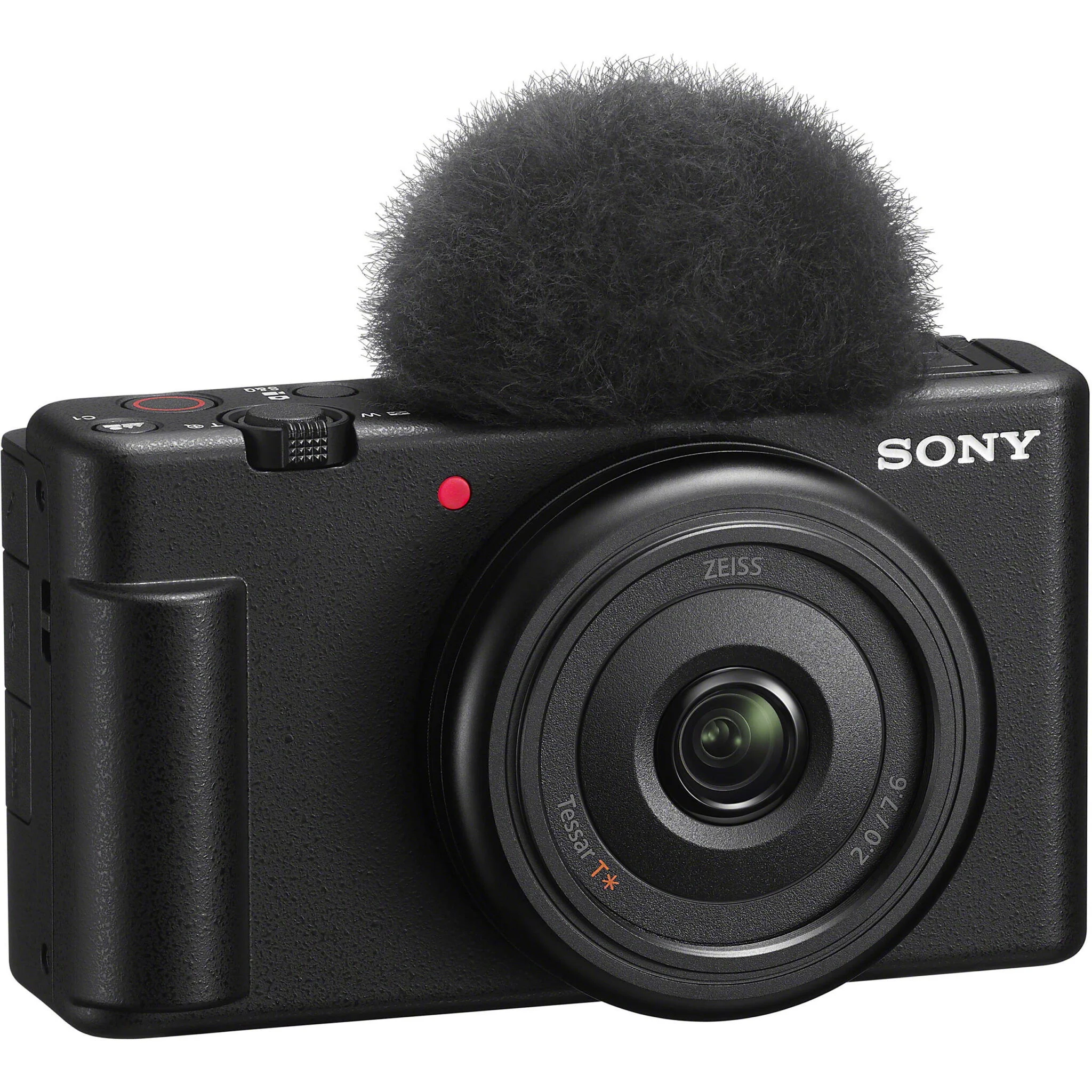
Electronic image stabilization (Active Mode) is available, but it does incur a slight 1.23x crop factor, narrowing your field of view slightly. Fortunately, because the base lens is so wide, this crop is much more manageable than on previous models. Audio performance from the built-in directional 3-capsule mic is remarkably good for casual recording, and the included deadcat windshield effectively mitigates wind noise during outdoor use.
Features & Software
Sony has overhauled the user interface on the ZV-1F, bringing it closer to the intuitive swiping experience of a modern smartphone. Menus are touch-friendly, allowing you to swipe up from the bottom of the screen to access frequently used settings without diving into deep, complex camera menus. Features like the Background Defocus button artificially yet effectively blur your background, simulating a shallower depth of field even when conditions aren’t ideal. Additionally, the camera includes a suite of Creative Look presets, enabling you to bake in distinct color grading styles straight out of the camera, minimizing the need for extensive post-production editing.
On the software front, the camera integrates seamlessly with the Sony Creators’ App via Wi-Fi and Bluetooth. Transferring clips and stills to your smartphone for quick social media uploads is faster and more stable than with Sony’s legacy applications. You can also utilize the ZV-1F as a high-quality webcam for live streaming or video calls by simply connecting it to a computer via the USB-C port, with no extra capture card required.
Value Proposition
As we navigate the creator economy of 2026, the Sony ZV-1F stands out as a highly compelling value proposition for a specific demographic. It perfectly bridges the gap between flagship smartphones and expensive interchangeable-lens mirrorless cameras. Priced significantly lower than the ZV-1 II or the APS-C ZV-E10, the ZV-1F purposefully sacrifices features like optical zoom capabilities and phase-detection AF to keep the entry cost down.
If your primary goal is to produce high-quality talking-head videos, lifestyle vlogs, or product reviews for TikTok, Instagram Reels, or YouTube without an overwhelming learning curve, the investment is easily justified. You are essentially paying for a massive sensor upgrade over your phone, superior audio right out of the box, and a purpose-built wide lens, making it one of the best budget-friendly entry points into the Sony ecosystem.
How It Compares
When pitted against the original Sony ZV-1, the ZV-1F loses out on optical zoom and phase-detection autofocus but wins out by offering a much wider 20mm lens and a modernized touch interface, making it better suited for arm’s-length vlogging. Compared to the Canon PowerShot V10, the ZV-1F feels more like a traditional camera and offers arguably better color science and accessory compatibility via its multi-interface shoe. While the Canon V10 has a unique built-in stand and a slightly smaller profile, the Sony’s 1-inch sensor provides superior dynamic range and noticeably better low-light performance.
Pros and Cons
Pros
- The ultra-wide 20mm f/2.0 prime lens is perfect for handheld self-recording without aggressive cropping.
- The simplified, touch-first user interface makes it incredibly approachable for beginners transitioning from smartphones.
- The built-in 3-capsule microphone captures clear, usable audio and includes a wind muff out of the box.
- It functions seamlessly as a plug-and-play USB-C webcam for high-quality live streaming.
Cons
- The reliance on contrast-detection autofocus means it can occasionally struggle with tracking moving subjects in low-light environments.
- The lack of optical zoom limits its overall versatility for travel photography or framing distant subjects.
- The placement of the tripod thread blocks the battery and SD card door when a mounting plate or grip is attached.
FAQ
Q: Does the Sony ZV-1F have optical zoom?
A: No, the ZV-1F features a fixed 20mm equivalent prime lens. It only offers digital zoom, which may result in a slight loss of image quality when punched in.
Q: Is the Sony ZV-1F good for photography?
A: While its primary focus is video, the 1-inch 20.1MP sensor takes excellent, sharp photos, though the fixed ultra-wide lens makes it better suited for landscapes and group shots rather than close-up portraits.
Q: Can I change lenses on the Sony ZV-1F?
A: No, this is a premium compact point-and-shoot camera, meaning the lens is built directly into the body and cannot be removed or swapped.
Q: Does the camera come with a memory card?
A: No, you will need to purchase an SDXC memory card separately in order to record 4K video.
Verdict
The Sony ZV-1F is the ultimate gateway camera for aspiring vloggers and social media creators who want a noticeable upgrade from their smartphone. While the lack of phase-detection autofocus and optical zoom may deter hybrid shooters, its wide 20mm lens, intuitive touch interface, and superb out-of-the-box audio make it a fantastic, budget-friendly tool for content creation. If your goal is to hit record and start talking to your audience with minimal technical fuss, this camera will not disappoint.
Where to Buy
Pros
- ✓ The ultra-wide 20mm f/2.0 prime lens is perfect for handheld self-recording without aggressive cropping.
- ✓ The simplified, touch-first user interface makes it incredibly approachable for beginners transitioning from smartphones.
- ✓ The built-in 3-capsule microphone captures clear, usable audio and includes a wind muff out of the box.
- ✓ It functions seamlessly as a plug-and-play USB-C webcam for high-quality live streaming.
Cons
- ✗ The reliance on contrast-detection autofocus means it can occasionally struggle with tracking moving subjects in low-light environments.
- ✗ The lack of optical zoom limits its overall versatility for travel photography or framing distant subjects.
- ✗ The placement of the tripod thread blocks the battery and SD card door when a mounting plate or grip is attached.
Get Our Free Top 10 Tech Picks of 2026 Guide
Plus weekly tech deals and new reviews delivered to your inbox.
[cp_email_signup]
No spam. Unsubscribe anytime.
Ready to buy the Sony ZV-1F?
Affiliate link — we may earn a commission at no extra cost to you.