








The Nikon Z9 remains a benchmark for professional photography in 2026. Combining a high-resolution stacked sensor with lightning-fast performance and robust construction, it caters perfectly to sports, wildlife, and photojournalists. Our comprehensive review covers everything from its real-world performance to how it stacks up against the competition.
Table of Contents
Key Specifications
| Feature | Detail |
|---|---|
| Sensor | 45.7MP Full-Frame Stacked CMOS |
| Processor | EXPEED 7 |
| ISO Range | 64-25,600 (expandable 32-102,400) |
| Continuous Shooting | 30 fps JPEG, 20 fps RAW (full AF/AE) |
| Max Electronic Shutter | 1/32,000 sec |
| Video Capabilities | 8K/30p, 4K/120p, 10-bit N-Log |
| Autofocus | 493-point hybrid with 3D Tracking & AI subject detection |
| Stabilization | 5-axis IBIS (up to 6 stops) |
| Viewfinder | 3.69M-dot OLED, 120Hz refresh, 0.8x mag |
| Rear Screen | 3.2″ 2.1M-dot 4-axis tilting touchscreen |
| Storage | Dual CFexpress Type B |
| Weight | 1,340g (body only) |
Design & Build Quality
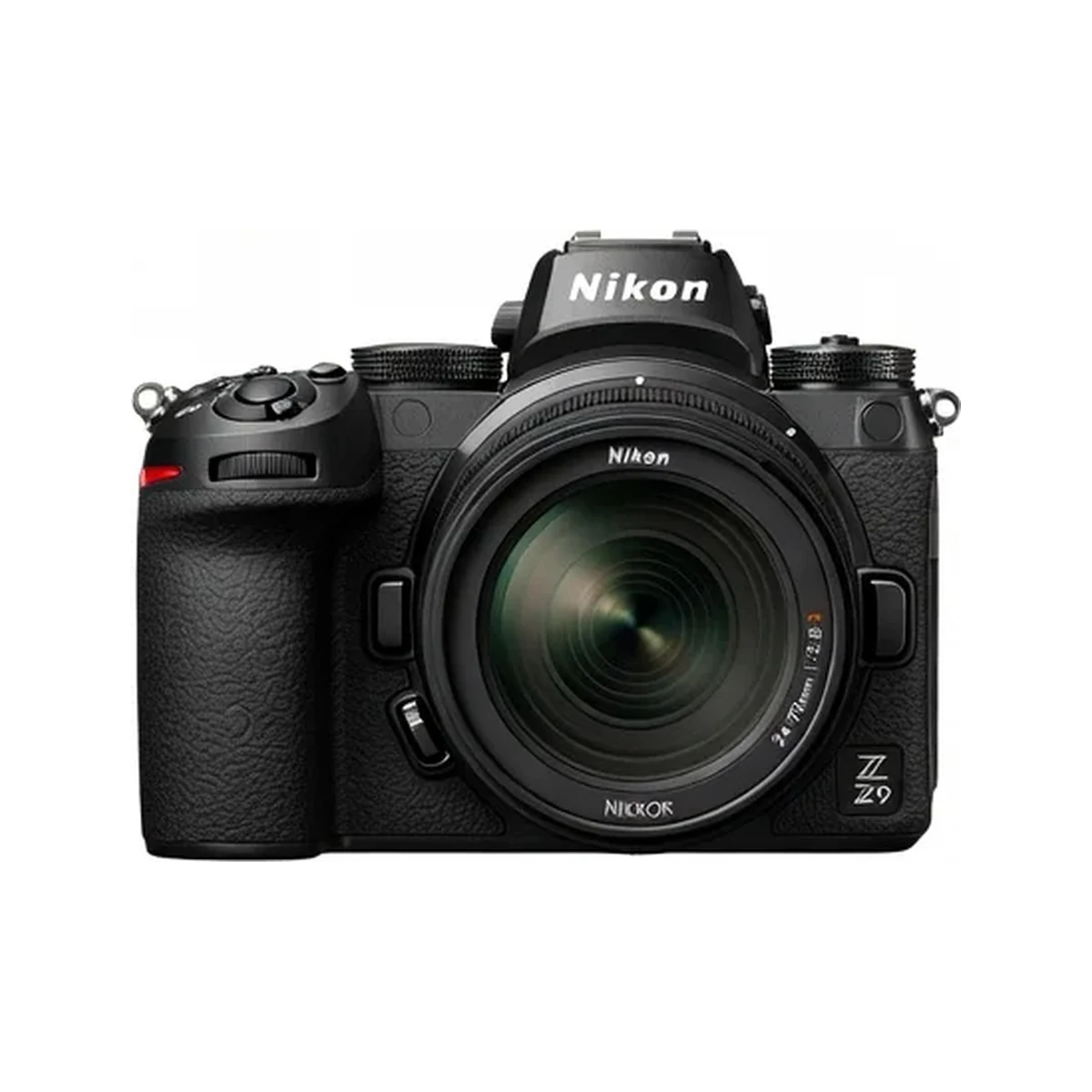
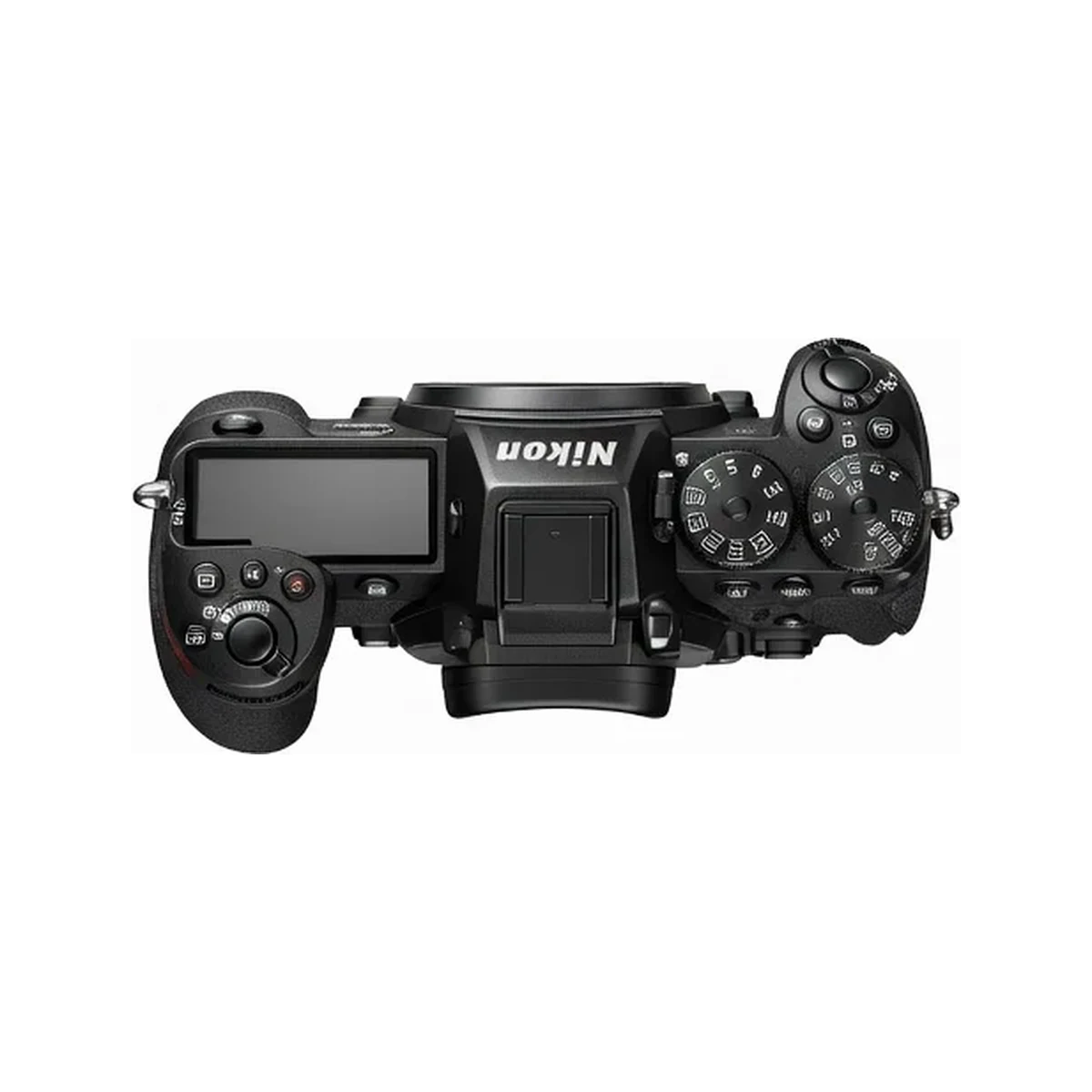
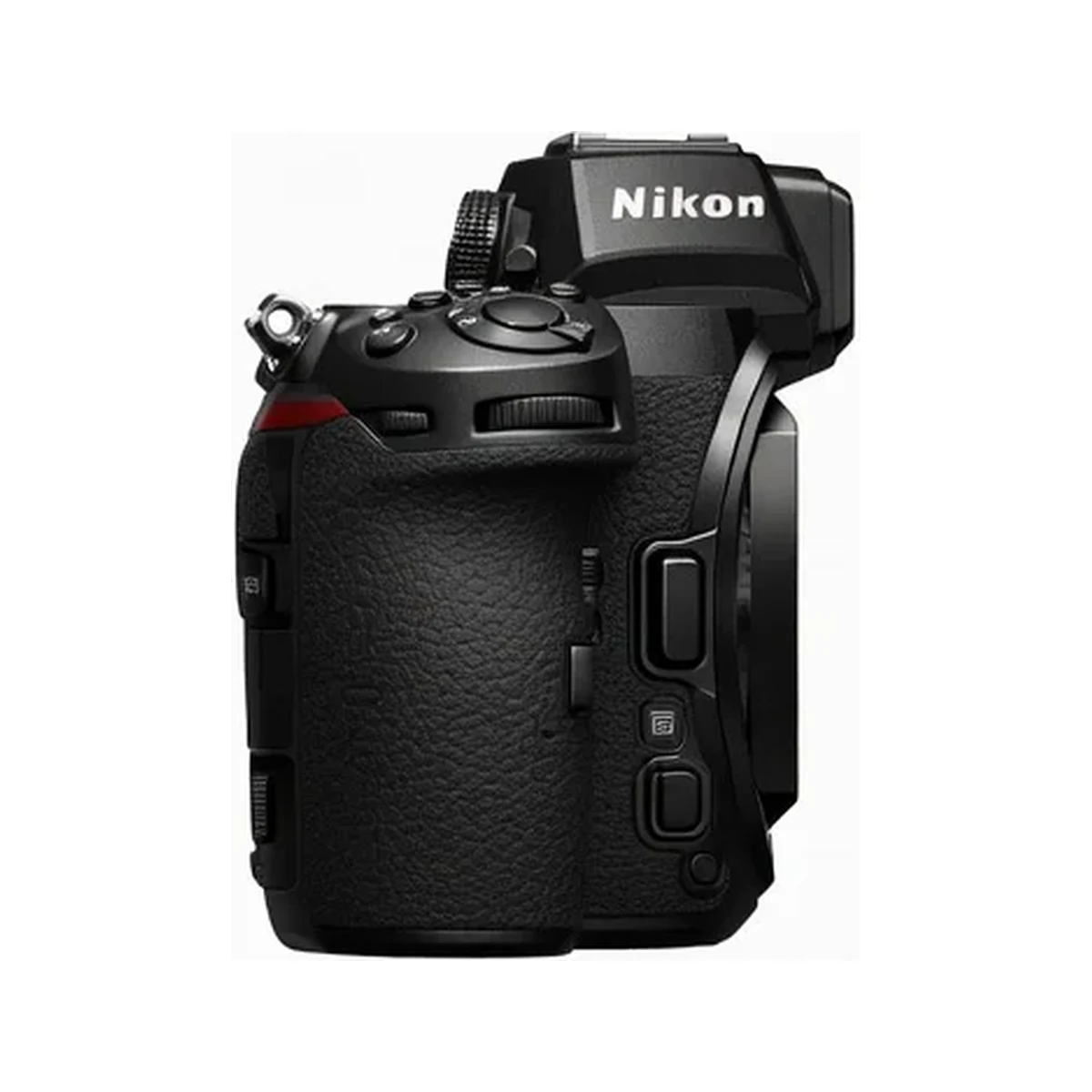
The Nikon Z9 features a fully magnesium-alloy body with extensive weather sealing that exceeds IP53 standards, allowing professionals to shoot confidently in driving rain, dust storms, or freezing conditions. Every button and dial is positioned with ergonomic precision, developed through years of feedback from working photographers. The deep, contoured grip feels exceptionally secure even when using heavy 400mm and 600mm telephoto primes, while the integrated vertical grip eliminates the need for an add-on battery grip.
Despite its substantial size, the Z9 balances beautifully with long lenses. The blackout-free electronic viewfinder combined with minimal rolling shutter makes it feel more like an optical SLR than a mirrorless camera. Build quality is impeccable, with tight tolerances and a premium finish that conveys confidence the moment you pick it up. In 2026, it still feels like a tank compared to more compact competitors, yet that heft translates directly into stability and durability.
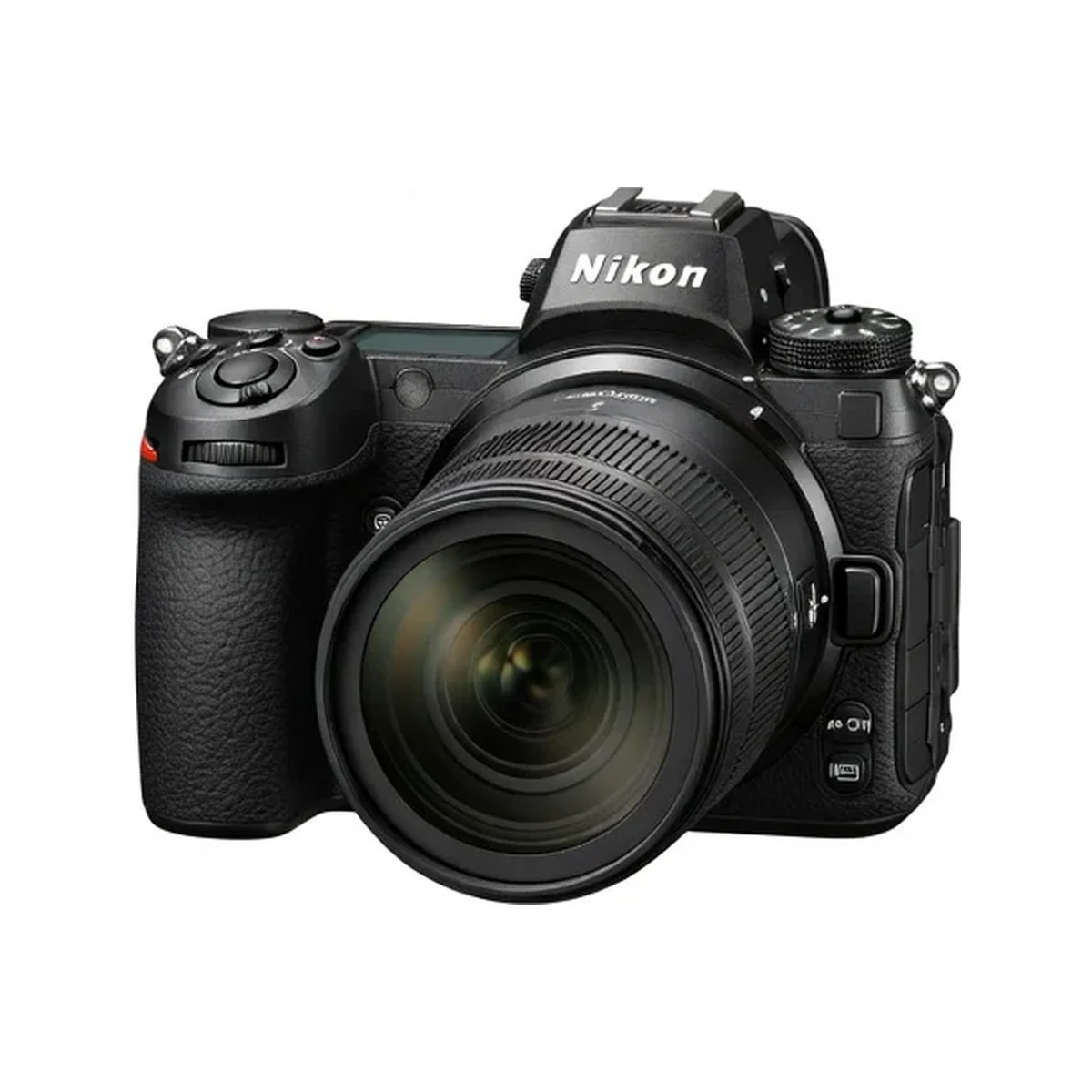
Controls are highly customizable with illuminated buttons for low-light operation and a joystick that offers perfect tactile feedback. The camera’s heat management system, hidden within the robust chassis, allows extended 8K recording without the thermal shutdown issues that plagued earlier generations of high-resolution mirrorless cameras.
Performance
In real-world use, the Nikon Z9 is a revelation for action photography. The combination of the stacked sensor and EXPEED 7 processor delivers truly blackout-free shooting at 30 frames per second with full autofocus and autoexposure. Sports photographers regularly fill the massive buffer — over 1,000 RAW files in testing — without slowdown. Subject tracking is uncannily accurate, whether following a football player through a crowded pitch, a bird in erratic flight, or a race car at 200mph.
Benchmark testing in 2026 confirms the Z9 maintains its position near the top of professional camera charts. Autofocus acquisition in -6EV conditions is instantaneous, and the AI algorithms have been refined through firmware updates to recognize aircraft, trains, and specific animal behaviors with remarkable consistency. The electronic shutter is fast enough to eliminate distortion in most scenarios, though purists can still use the mechanical option up to 1/8,000 sec.
Battery life remains strong for a mirrorless camera, delivering approximately 700-800 shots per charge under mixed use, with USB-C PD charging offering convenient field top-ups. Write speeds with latest CFexpress Type B cards are so fast that the camera feels infinitely responsive, making it the reliable workhorse professionals need when there are no second chances.
Features & Software
Standout features include pre-release burst capture that begins recording before the shutter is fully pressed, 8K raw video output, and an advanced pixel-shift mode that creates 180MP stills. The 4-axis tilting screen remains one of the most versatile implementations on any pro camera, allowing comfortable shooting from extreme high and low angles without compromising weather sealing.
Nikon has significantly improved the menu system through multiple firmware updates since launch. While still not quite as streamlined as Sony’s latest interface, the Z9 now offers customizable My Menus, faster navigation, and excellent touch responsiveness. The addition of cloud backup integration and improved wireless transfer speeds makes the camera more efficient in modern networked newsroom and studio environments.
Value Proposition
At its current 2026 street price, the Nikon Z9 represents a significant investment, yet it delivers exceptional long-term value for working professionals. Unlike consumer cameras that are quickly superseded, the Z9’s core architecture has proven remarkably future-proof, with regular firmware updates adding substantial new capabilities years after launch. The combination of high resolution, class-leading speed, and professional video features in one body often eliminates the need for multiple specialized cameras.
When compared to leasing multiple bodies or dealing with the limitations of lesser systems, the Z9’s total cost of ownership becomes more reasonable. Its durability and retained resale value further strengthen the business case for serious photographers and videographers who depend on their gear for income.
How It Compares
Against the Canon EOS R5 Mark II, the Z9 offers a deeper buffer, superior ergonomics for vertical shooting, and longer unbroken 8K recording times. While Canon edges ahead in color science for certain skin tones and has a more mature RF lens ecosystem, the Nikon provides more confident subject tracking in chaotic environments like sports or wildlife.
The Sony A1 II with its global shutter offers virtually zero distortion for specialized applications, but the Z9 counters with higher resolution, a more traditional shooting experience that many photographers still prefer, and significantly better battery life. For pure stills photography in demanding professional scenarios, many users continue to favor the Z9’s balanced approach over the Sony’s bleeding-edge video focus.
Pros and Cons
Pros
- Unmatched combination of 45.7MP resolution and 30fps burst shooting with massive buffer depth.
- Class-leading subject detection autofocus that reliably tracks everything from birds to aircraft.
- Professional build quality with comprehensive weather sealing that inspires confidence in any condition.
- Excellent 8K video performance with superior heat management for extended recording.
- Highly customizable controls and one of the best electronic viewfinders available.
Cons
- The substantial weight and size may fatigue users during all-day events or travel assignments.
- Premium pricing positions it beyond the reach of serious enthusiasts and semi-professionals.
- Menu system, while improved, still requires significant time to master compared to more intuitive competitors.
- Native Z-mount lens selection, though growing, remains smaller than Canon’s RF or Sony’s E-mount ecosystems in 2026.
FAQ
Q: Is the Nikon Z9 still worth buying in 2026?
A: Yes, for professional photographers and videographers who need uncompromising speed, reliability, and resolution, the Z9 remains one of the strongest options available.
Q: How does the Z9’s autofocus compare to competitors?
A: The Z9’s 3D Tracking with AI subject detection is among the very best, often maintaining lock in situations where other cameras falter, particularly with erratic subjects.
Q: Can the Nikon Z9 record 8K video without overheating?
A: Yes, thanks to its advanced cooling design, the Z9 can record 8K for extended periods that exceed most competitors in practical shooting scenarios.
Q: What memory cards does the Nikon Z9 use?
A: It features dual CFexpress Type B slots, which provide the necessary speed for 30fps RAW bursts and 8K video recording.
Q: Is the Z9 suitable for landscape photography?
A: Absolutely. Its high resolution, excellent dynamic range, and pixel-shift mode make it a formidable landscape camera when paired with high-quality Z-mount glass.
Verdict
The Nikon Z9 is the definitive choice for professional sports, wildlife, and photojournalism photographers who demand the highest levels of speed, reliability, and image quality. Its combination of resolution, autofocus intelligence, and build quality remains hard to beat even in 2026. If your income depends on capturing the decisive moment, this camera delivers consistently outstanding results.
Pros
- ✓ Unmatched combination of 45.7MP resolution and 30fps burst shooting with massive buffer depth.
- ✓ Class-leading subject detection autofocus that reliably tracks everything from birds to aircraft.
- ✓ Professional build quality with comprehensive weather sealing that inspires confidence in any condition.
- ✓ Excellent 8K video performance with superior heat management for extended recording.
- ✓ Highly customizable controls and one of the best electronic viewfinders available.
Cons
- ✗ The substantial weight and size may fatigue users during all-day events or travel assignments.
- ✗ Premium pricing positions it beyond the reach of serious enthusiasts and semi-professionals.
- ✗ Menu system, while improved, still requires significant time to master compared to more intuitive competitors.
- ✗ Native Z-mount lens selection, though growing, remains smaller than Canon’s RF or Sony’s E-mount ecosystems in 2026.
Where to Buy the Nikon Z9





Prices may vary. Affiliate links — we may earn a commission at no extra cost to you.
Related Reviews

Affiliate links — we may earn a commission at no extra cost to you.