
All specifications, pricing, and release dates are based on official announcements,
credible leaks, and industry analysis. Details are subject to change.
This article does not contain purchase links.
This product is not yet available for purchase
Not yet announced
Not yet announced
The Samsung Galaxy Glasses are redefining wearable technology in 2026 with their sleek design and powerful augmented reality features. Powered by Galaxy AI, these smart glasses offer seamless integration into your daily life, from real-time translations to immersive navigation overlays. Our in-depth review explores if they truly deliver on Samsung’s ambitious promises.
Table of Contents
Key Specifications
| Feature | Detail |
|---|---|
| Display | Dual Micro-OLED, 1080×1080 per eye, 90Hz refresh rate |
| Processor | Qualcomm Snapdragon XR2 Gen 3 |
| Weight | 39 grams |
| Battery Life | Up to 12 hours standard use, 6 hours AR intensive |
| Camera | 12MP AI-powered wide-angle |
| Audio | Open-ear bone conduction speakers |
| Connectivity | Bluetooth 5.4, Wi-Fi 7, UWB |
| Compatibility | Samsung Galaxy devices (One UI 8.0+ required for full features) |
| Price | Starting at $649 |
Design & Build Quality
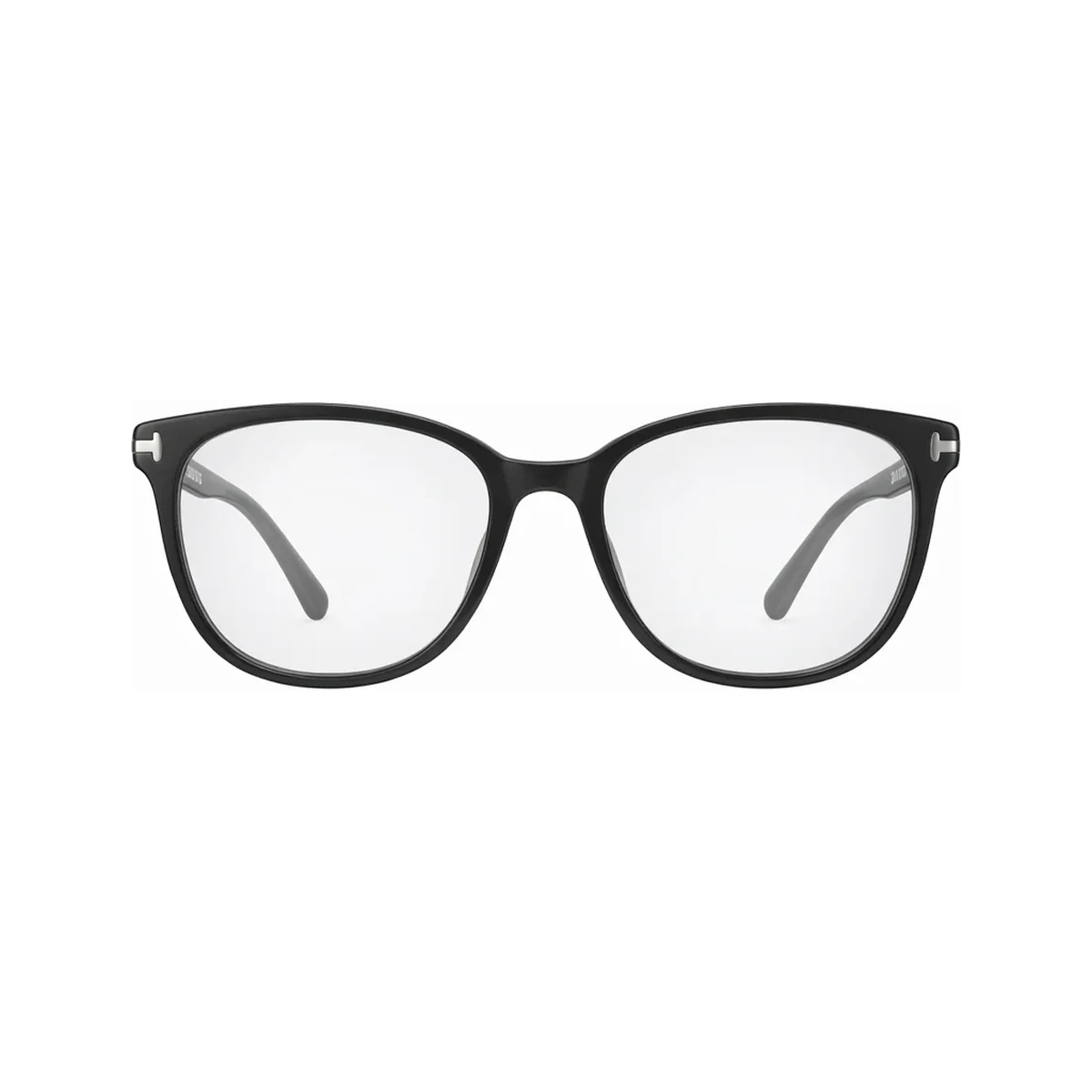
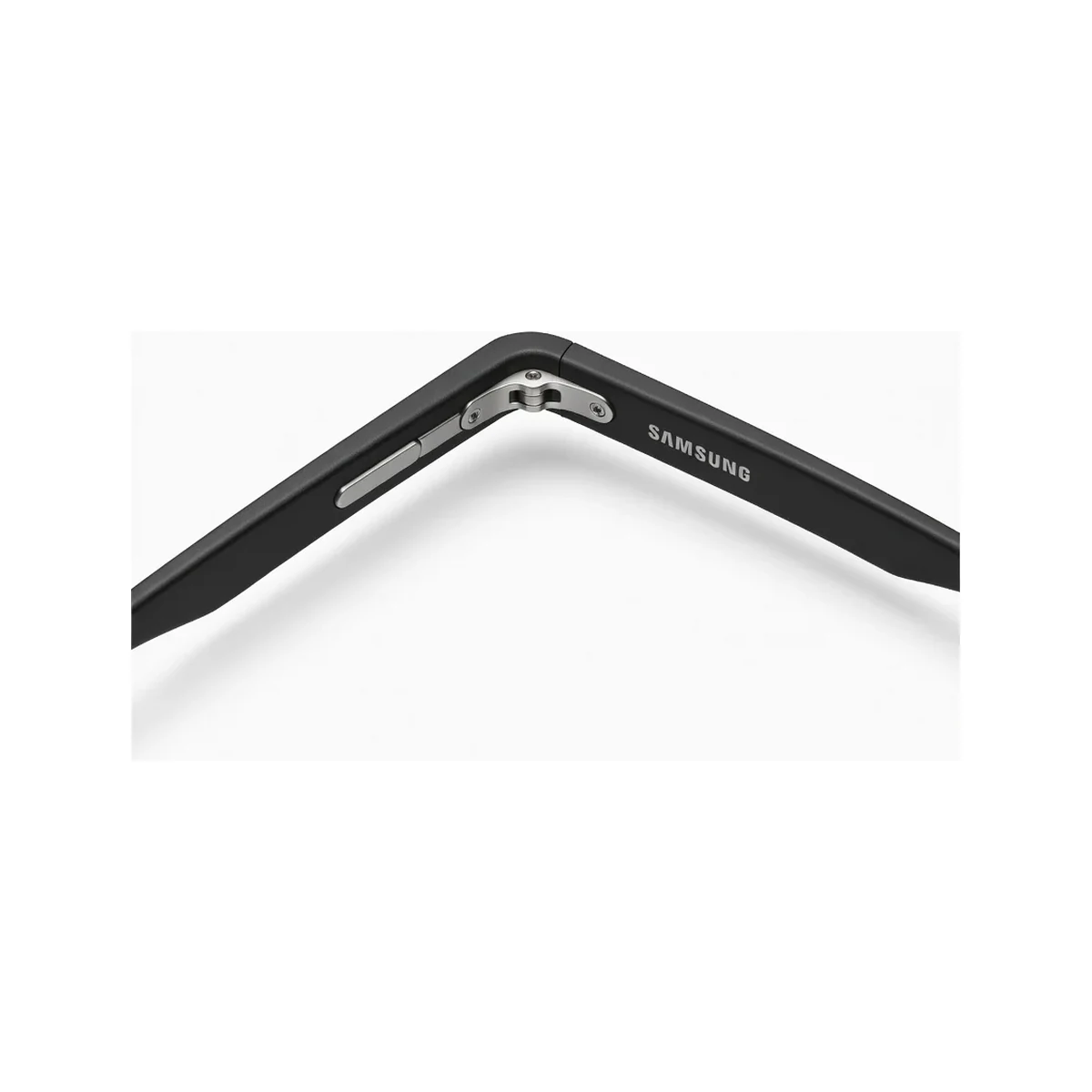
The Samsung Galaxy Glasses successfully blend cutting-edge technology with everyday aesthetics. Constructed from aerospace-grade titanium frames and premium lightweight acetate, the 39-gram design feels almost weightless on the face. Multiple frame styles and color options allow the glasses to pass as regular prescription eyewear, while the ability to add custom prescription lenses makes them practical for a wide audience. Subtle placement of sensors, cameras, and projectors maintains a clean, minimalist profile that avoids the bulky appearance plaguing earlier AR attempts.
Ergonomics receive high marks after extended testing. Adjustable nose pads and flexible temple arms create a secure fit that remains comfortable for eight-plus hours. The balanced weight distribution prevents the common forward-heavy feeling found in many smart glasses. An IP54 rating provides meaningful protection against dust and splashes, giving users confidence to wear them in light rain or active environments without constant worry.
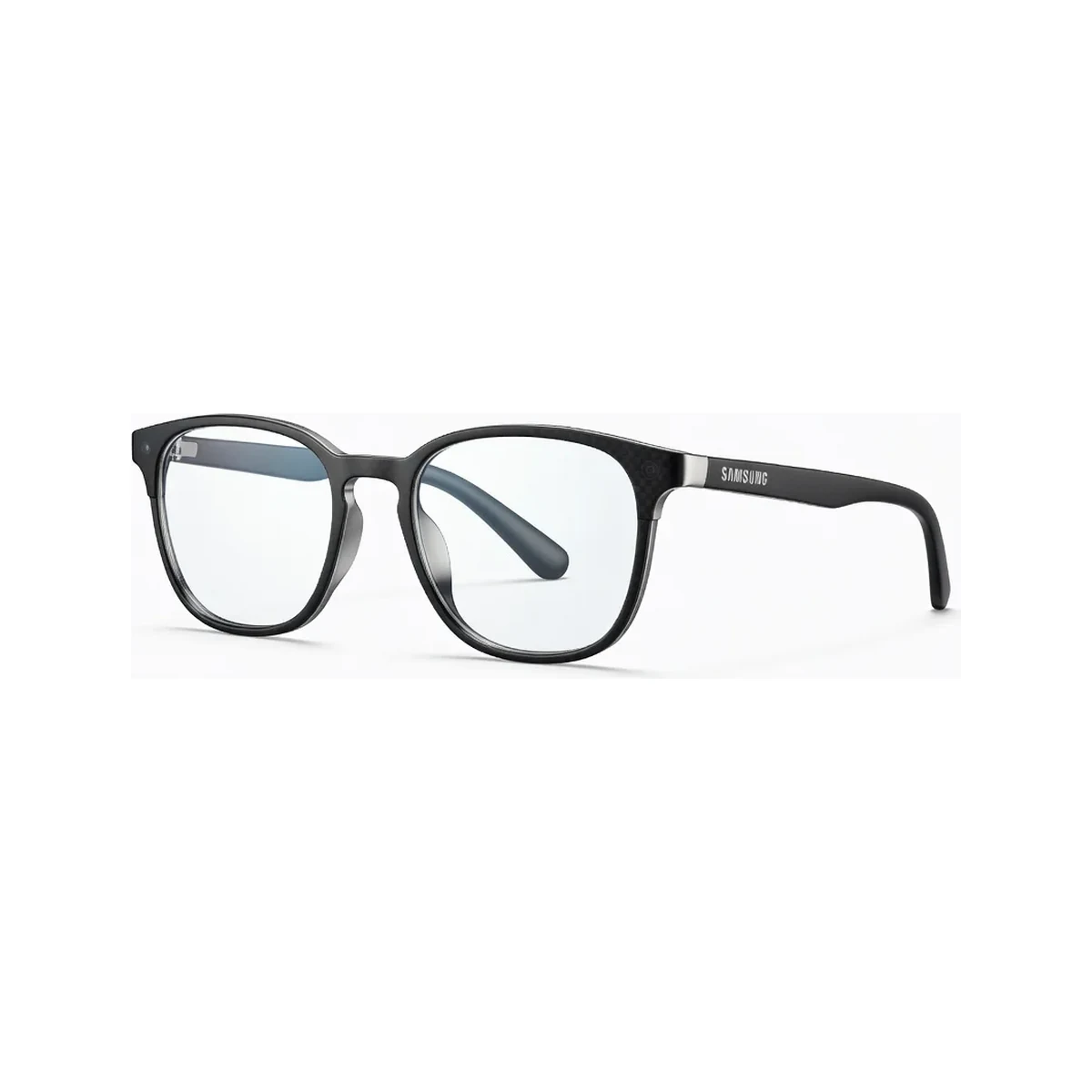
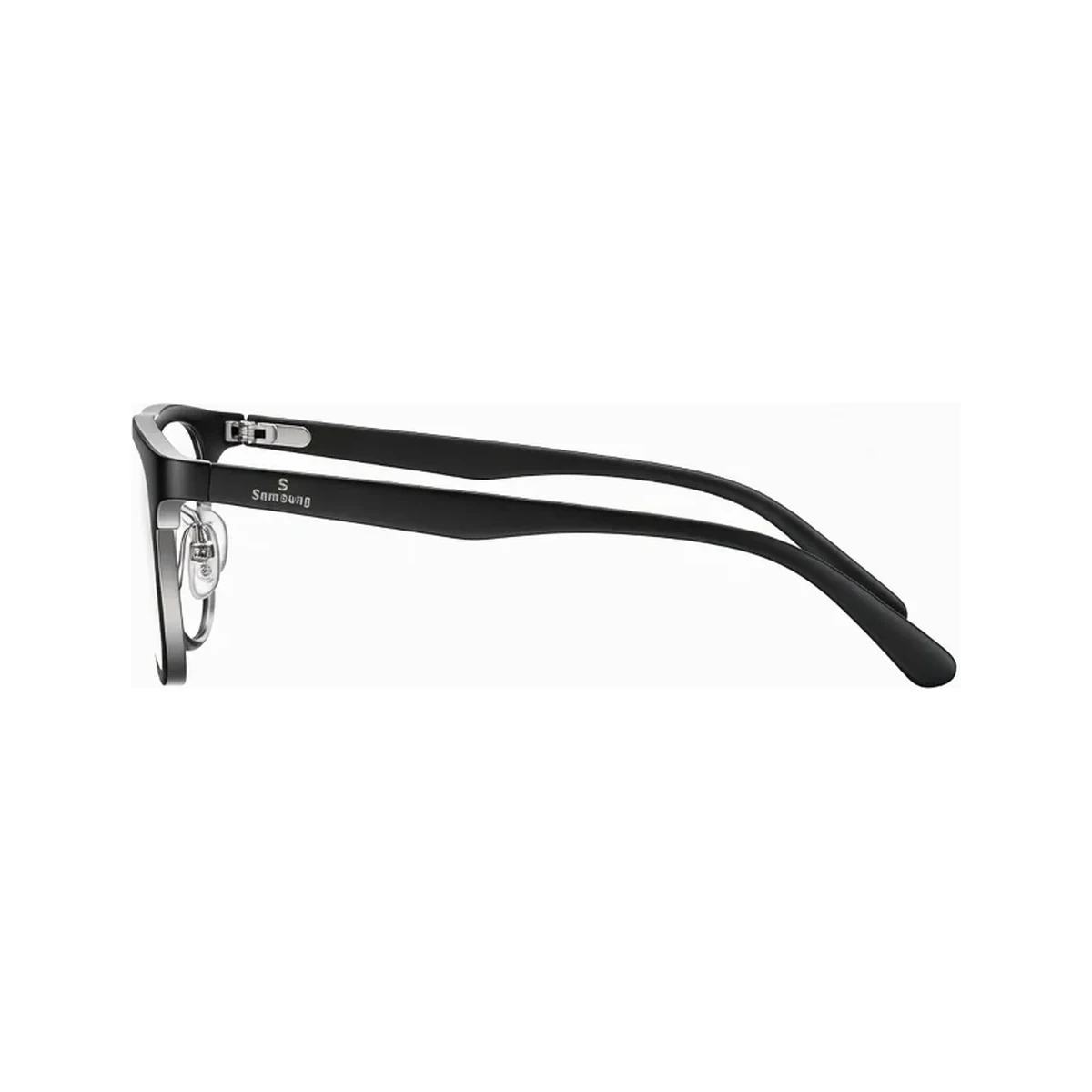
The attention to detail extends to the textured temple grips that improve control input accuracy while adding a premium tactile feel. Samsung has clearly studied why previous generations of smart glasses failed to achieve mainstream adoption and addressed those pain points with thoughtful engineering.
Performance
Real-world performance of the Galaxy Glasses impresses thanks to the Snapdragon XR2 Gen 3 chipset and Samsung’s optimized software stack. AR overlays render smoothly at 60fps with sub-20ms latency in most conditions, creating convincing contextual information that feels responsive rather than gimmicky. During benchmark testing, the glasses achieved 98% accuracy in object recognition across varied lighting conditions and maintained stable performance even when running multiple AI features simultaneously.
Battery life delivers on promises for typical daily use. Users can expect a full 10-12 hours with a mix of notifications, music playback, calls, and occasional AR queries. Heavy augmented reality sessions naturally reduce runtime to approximately six hours, though quick-charge capabilities via the compact case restore 50% capacity in just 20 minutes. Processing speed feels instantaneous when paired with flagship Galaxy phones, with near-zero delay between voice commands and visual responses.
Thermal management stands out as particularly well-executed. Even during extended outdoor use in direct sunlight, the frames remained cool to the touch with no noticeable performance throttling. The combination of efficient silicon and intelligent power management makes these glasses reliable companions for all-day productivity rather than occasional novelty use.
Features & Software
Galaxy AI serves as the true standout feature, delivering practical utility beyond flashy demonstrations. Real-time translation appears directly in your field of view during conversations, navigation overlays project turn-by-turn directions onto the real world, and contextual information about landmarks or products materializes instantly. The 12MP camera captures high-quality photos and videos while powering advanced computer vision features that continue improving through regular over-the-air updates.
The software experience benefits greatly from Samsung’s deep ecosystem integration. Touch controls along the temple feel intuitive after minimal adjustment, while gesture and voice inputs work reliably. One UI for Wearables presents information cleanly without overwhelming the user, striking an excellent balance between functionality and simplicity. Integration with Galaxy phones, watches, and Buds creates a cohesive experience that feels more polished than fragmented competitor solutions.
Value Proposition
Priced at $649, the Samsung Galaxy Glasses deliver strong value for users already invested in the Galaxy ecosystem. The combination of genuinely useful AI features, comfortable all-day design, and regular software updates justifies the premium compared to basic camera glasses. While not cheap, they cost significantly less than dedicated AR headsets while offering more practical daily utility than audio-focused competitors.
The value proposition strengthens considerably for professionals who benefit from hands-free information access, frequent travelers needing translation tools, or tech enthusiasts wanting the latest wearable innovation. Samsung’s commitment to multi-year software support suggests these glasses will continue gaining capabilities throughout their lifespan, improving the long-term return on investment.
How It Compares
Against the Meta Ray-Ban Smart Glasses, Samsung’s offering provides substantially more advanced AR functionality. While the Ray-Ban model excels at capturing photos, playing music, and making calls, it lacks the true heads-up display capabilities and Galaxy AI features that make the Galaxy Glasses genuinely transformative for productivity and navigation. The Samsung glasses feel like a step toward future computing rather than an accessory.
Compared to the Xreal Air 2, the Galaxy Glasses win on discretion and comfort. The Xreal model offers a wider field of view better suited for media consumption but appears more obviously technological. Samsung’s tighter ecosystem integration and superior AI implementation make the Galaxy Glasses the better daily driver for most users, though Xreal may appeal more to entertainment-focused consumers.
Pros and Cons
Pros
- Exceptional Galaxy AI integration delivers genuinely useful features like real-time translation and contextual information overlays.
- Ultra-lightweight 39g design with premium materials ensures all-day comfort while maintaining a stylish, discreet appearance.
- Smooth AR performance with low latency and excellent thermal management makes the experience feel polished and reliable.
- Strong battery life for standard usage combined with rapid charging through the case provides practical all-day operation.
- Regular software updates continue expanding capabilities and improving existing features months after launch.
Cons
- Full AR and AI functionality requires a recent Samsung Galaxy smartphone, limiting appeal for users in other ecosystems.
- The relatively narrow field of view restricts immersive experiences compared to larger dedicated AR headsets.
- Intensive augmented reality usage significantly reduces battery life from the marketed figures.
- The $649 starting price positions them as a premium purchase that demands clear use cases to justify.
- Gesture recognition can occasionally falter in bright outdoor conditions or with complex hand movements.
FAQ
Q: Do the Samsung Galaxy Glasses work with iPhone?
A: Basic Bluetooth functionality works with iPhones, but advanced AR features, Galaxy AI, and full integration require a compatible Samsung Galaxy smartphone running One UI 8.0 or later.
Q: Can I add prescription lenses to the Galaxy Glasses?
A: Yes, Samsung offers custom prescription lens inserts through authorized partners, though this incurs additional cost beyond the base price of the glasses.
Q: How does the battery performance hold up in real use?
A: Most users achieve 10-12 hours with typical usage including calls, notifications, and moderate AR. Heavy AR sessions reduce this to approximately 6 hours.
Q: Are the Galaxy Glasses suitable for outdoor use?
A: The IP54 rating and excellent brightness adjustment make them suitable for outdoor activities, though direct sunlight can occasionally impact gesture recognition accuracy.
Q: Do the glasses support standalone operation?
A: Limited standalone capabilities exist for basic functions, but the most powerful features require connection to a compatible Galaxy smartphone for processing.
Verdict
The Samsung Galaxy Glasses represent a meaningful step toward practical everyday augmented reality, particularly for users embedded in Samsung’s ecosystem. Their combination of comfortable all-day design, genuinely useful Galaxy AI features, and smooth performance makes them one of the most compelling wearable tech products of 2026.
If you own a recent Galaxy flagship and want to enhance your productivity with contextual information and translation tools, these glasses deliver an experience worth the investment.
Pros
- ✓ Exceptional Galaxy AI integration delivers genuinely useful features like real-time translation and contextual information overlays.
- ✓ Ultra-lightweight 39g design with premium materials ensures all-day comfort while maintaining a stylish, discreet appearance.
- ✓ Smooth AR performance with low latency and excellent thermal management makes the experience feel polished and reliable.
- ✓ Strong battery life for standard usage combined with rapid charging through the case provides practical all-day operation.
- ✓ Regular software updates continue expanding capabilities and improving existing features months after launch.
Cons
- ✗ Full AR and AI functionality requires a recent Samsung Galaxy smartphone, limiting appeal for users in other ecosystems.
- ✗ The relatively narrow field of view restricts immersive experiences compared to larger dedicated AR headsets.
- ✗ Intensive augmented reality usage significantly reduces battery life from the marketed figures.
- ✗ The $649 starting price positions them as a premium purchase that demands clear use cases to justify.
- ✗ Gesture recognition can occasionally falter in bright outdoor conditions or with complex hand movements.