



In a rapidly evolving VR market, the Meta Quest 2 remains a compelling choice in 2026 for those seeking wireless freedom without breaking the bank. This standalone headset delivers smooth performance, an enormous content library, and genuine immersion that continues to win over both newcomers and seasoned enthusiasts. Our in-depth review examines whether the Quest 2 still holds its own against newer competitors.
Table of Contents
Key Specifications
| Feature | Detail |
|---|---|
| Processor | Qualcomm Snapdragon XR2 |
| Display | 1832 × 1920 LCD per eye |
| Refresh Rate | 90Hz (120Hz experimental) |
| RAM | 6GB |
| Storage | 128GB or 256GB |
| Battery Life | 2–3 hours |
| Weight | 503g |
| Connectivity | Wi-Fi 6, Bluetooth 5.0, USB-C (Link Cable support) |
| Controllers | Meta Touch Controllers with hand tracking |
| OS | Horizon OS (based on Android) |
Design & Build Quality
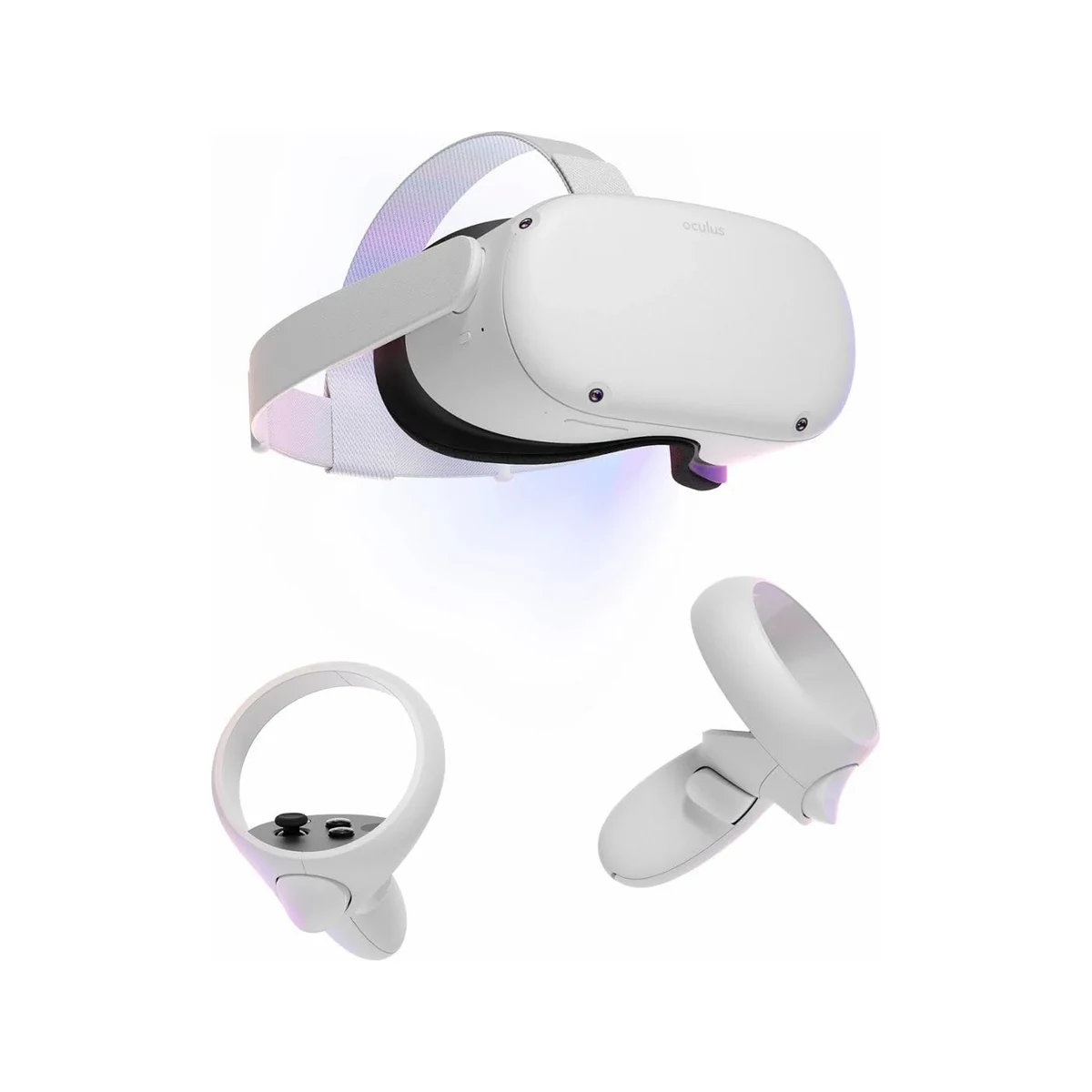
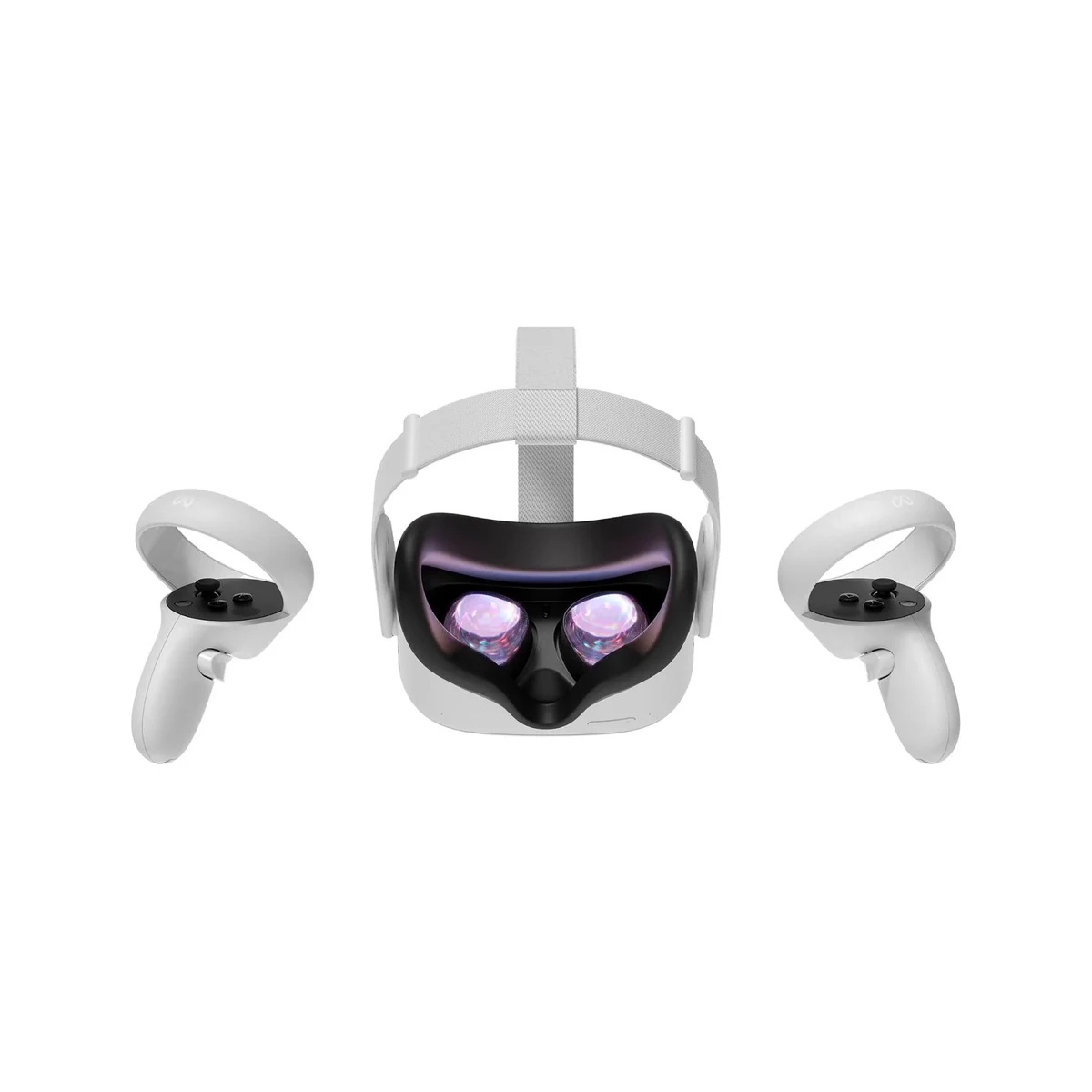
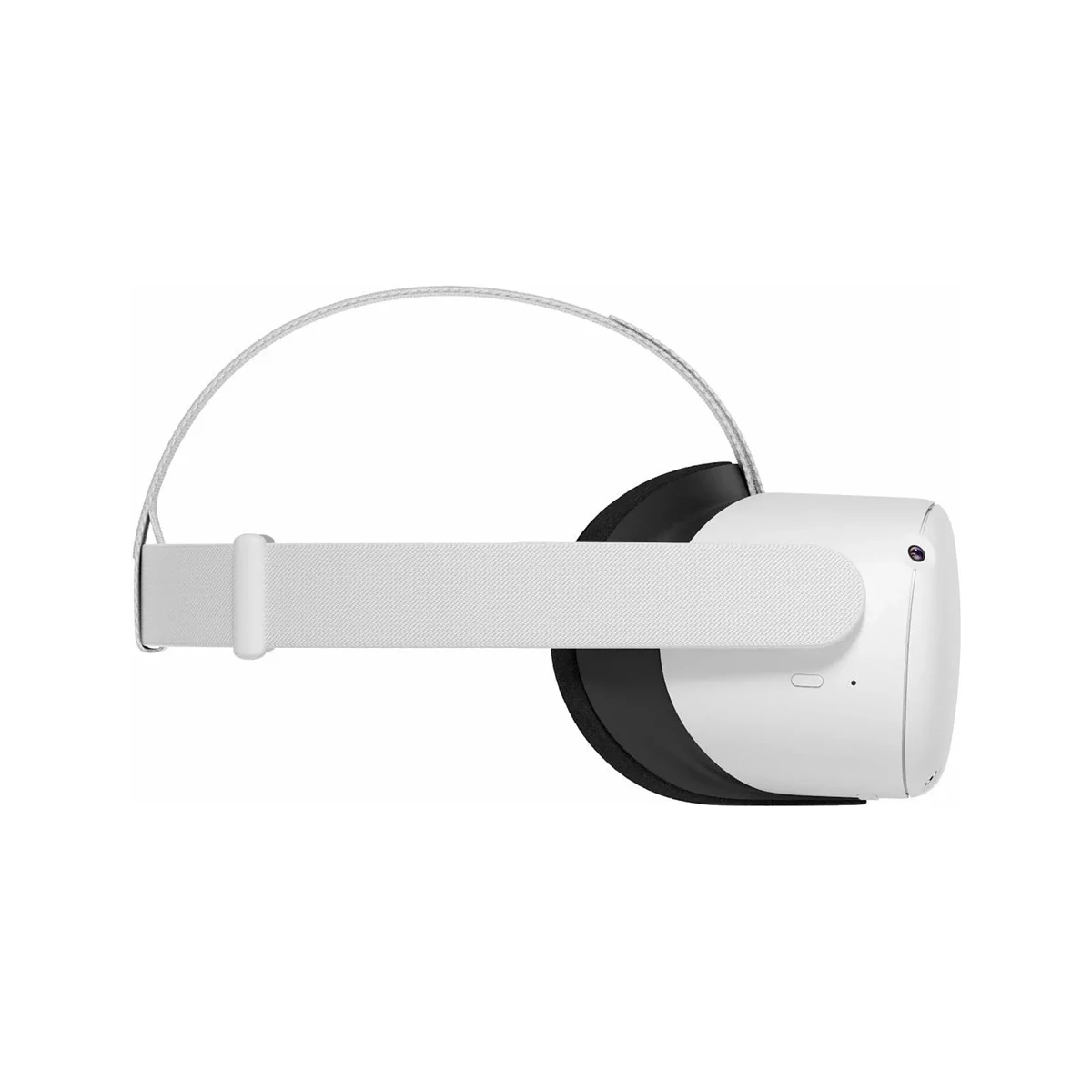
The Meta Quest 2 features a clean, minimalist white design that still looks modern in 2026. Its primarily plastic construction keeps the weight at a manageable 503 grams, making it lighter than many early VR headsets while maintaining decent durability. The familiar halo-style strap distributes weight effectively across the head, though the stock facial interface can feel firm during extended sessions. Most users eventually upgrade to a padded elite strap or third-party alternatives for improved comfort and better weight balance.
Ergonomics are generally good for a wide range of face shapes, with adjustable IPD settings (56–68mm) accommodating most users. The three-element lens design provides a reasonably sharp sweet spot, though edge distortion remains noticeable compared to newer pancake lens systems. Ventilation is adequate to reduce fogging, but the all-plastic build can feel somewhat warm during intense gameplay. Overall, the Quest 2 strikes an excellent balance between portability and comfort that still makes it approachable for beginners.
Performance
Powered by the Qualcomm Snapdragon XR2 and 6GB of RAM, the Meta Quest 2 continues to deliver remarkably smooth standalone performance in 2026. Popular titles like Beat Saber, Population: One, and The Walking Dead: Saints & Sinners run at a consistent 90Hz with minimal frame drops. While it cannot match the visual fidelity or higher refresh rates of the Quest 3, the XR2 chipset handles complex scenes effectively, maintaining playable frame rates even in graphically demanding experiences.
Real-world testing shows the headset excels in fast-paced action games where responsiveness matters more than pixel density. The 1832 × 1920 per-eye resolution is sufficient for immersive gameplay, though text can appear slightly soft at the edges. When connected to a capable gaming PC via Link or Air Link, the Quest 2 transforms into a competent PCVR device, capable of running SteamVR titles at higher resolutions. Thermal management remains competent, with only moderate warmth after prolonged play sessions.
Features & Software
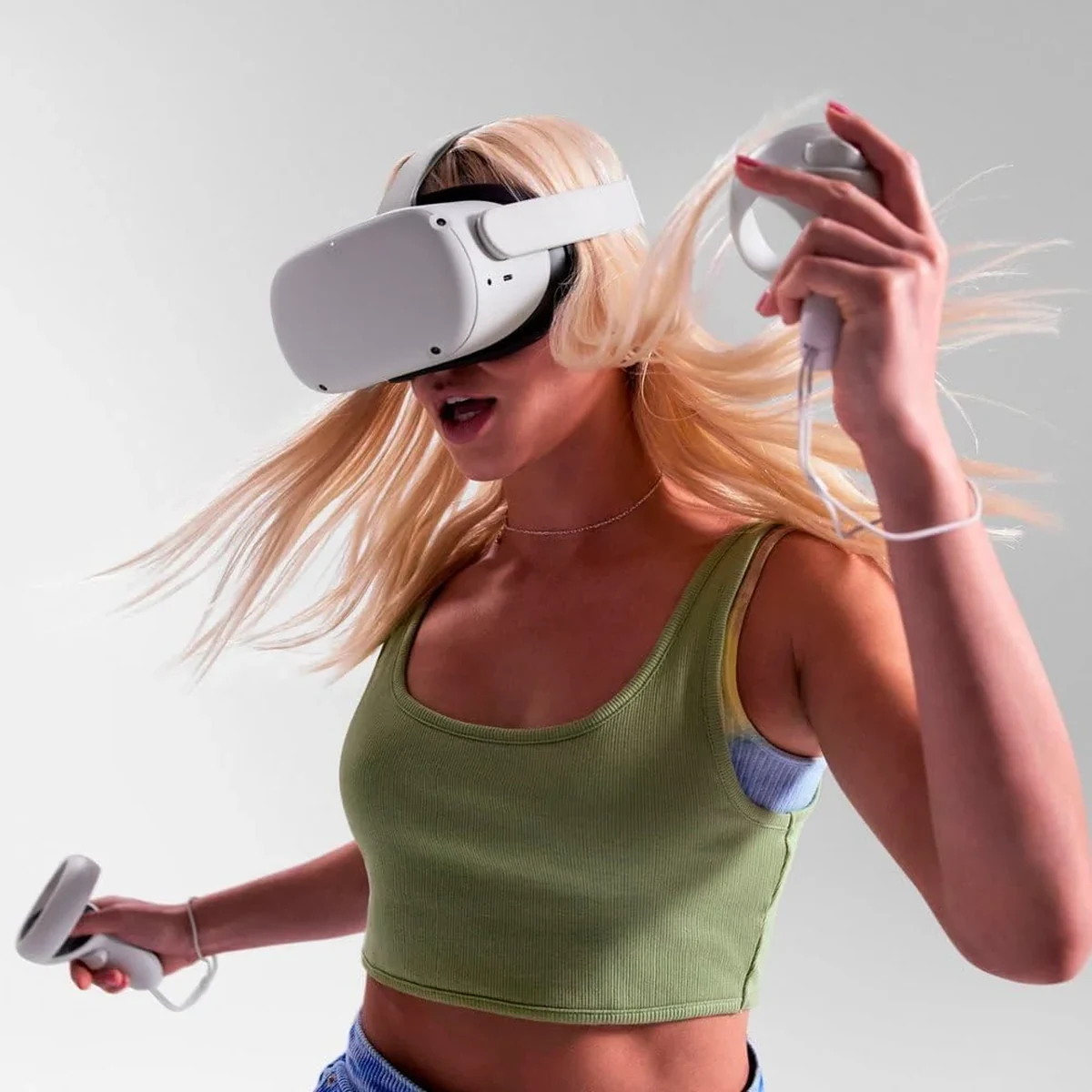
The Meta Quest 2 benefits from one of the most extensive VR content libraries available, with hundreds of dedicated titles and regular updates to the Horizon OS. Standout features include reliable inside-out tracking, intuitive Touch controllers, and improved hand-tracking that allows for controller-free interaction in many experiences. The ability to cast to TVs or stream to Discord adds significant social value for multiplayer sessions.
Software-wise, the interface is clean and responsive, with easy access to the Meta Store, browser, and productivity apps. Regular system updates have kept the platform secure and feature-rich even years after launch. The inclusion of mixed-reality passthrough (grayscale) enables basic environment awareness, though it lacks the color passthrough found on newer models.
Value Proposition
In 2026, the Meta Quest 2 represents exceptional value as prices have dropped significantly since launch. It delivers the core wireless VR experience—freedom of movement, comfortable tracking, and an enormous game library—at a fraction of the cost of current flagship headsets. For users primarily interested in gaming and entertainment rather than cutting-edge mixed reality, the Quest 2 still provides roughly 80% of the experience at less than half the price of a Quest 3.
Its versatility as both a standalone device and PCVR headset further strengthens its value proposition. Tech-savvy users can unlock additional performance through developer mode and side-loading, extending the device’s lifespan considerably. For budget-conscious consumers or those buying their first VR headset, few options on the market deliver comparable bang for the buck.
How It Compares
Compared to the Meta Quest 3, the Quest 2 offers lower resolution, a narrower field of view, and LCD panels instead of the sharper, higher-contrast lenses found on its successor. However, it remains significantly more affordable and still provides an excellent entry point for users not requiring the latest mixed-reality capabilities or enhanced graphics.
Against the PlayStation VR2, the Quest 2 wins on convenience with its completely wireless design and standalone functionality. While PSVR2 delivers superior visuals when paired with a PS5, it requires a tethered console and lacks the broad app ecosystem and portability that make the Quest 2 so versatile for different environments and use cases.
Pros and Cons
Pros
- Outstanding wireless freedom and intuitive tracking that still feels premium in 2026.
- Massive library of high-quality games and experiences available through the Meta Store.
- Excellent value proposition with current pricing making it accessible for new VR users.
- Versatile standalone and PCVR functionality through Link and Air Link.
- Regular software updates that continue to improve performance and add features.
Cons
- LCD displays lack the deep blacks, vibrant colors, and contrast of newer OLED panels.
- Battery life remains limited to roughly two hours during intensive gameplay.
- Resolution and field of view feel dated compared to the Meta Quest 3 and other 2025-2026 headsets.
- Requires a Meta account for full functionality, which may concern privacy-focused users.
- The stock head strap can cause discomfort and pressure points during longer sessions.
FAQ
Q: Is the Meta Quest 2 still worth buying in 2026?
A: Yes, particularly if you’re on a budget or new to VR. It offers an excellent introduction to wireless virtual reality with a massive content library at a very attractive price point.
Q: Can the Meta Quest 2 play PCVR games?
A: Yes. Using either the official Link cable or wireless Air Link, you can stream games from a compatible gaming PC running SteamVR or the Oculus PC app.
Q: How does the Quest 2 compare to the Quest 3?
A: The Quest 3 offers higher resolution, better lenses, color passthrough, and more powerful hardware. However, the Quest 2 remains very capable for most games and costs significantly less.
Q: What is the battery life like on the Meta Quest 2?
A: Expect approximately two to three hours of use depending on the intensity of the application. Many users play while charging or invest in an extended battery head strap.
Q: Does the Meta Quest 2 require an internet connection?
A: An internet connection is required for initial setup, account login, and downloading games, though some titles can be played offline afterward.
Verdict
The Meta Quest 2 remains an outstanding choice in 2026 for newcomers to virtual reality and budget-conscious gamers who want wireless freedom and a vast content library without spending flagship prices. While it can’t match the visual clarity and advanced features of the Quest 3, its performance, comfort, and value proposition are still compelling for the right audience. If you’re looking for an accessible entry into high-quality VR experiences, the Quest 2 continues to deliver.
Pros
- ✓ Outstanding wireless freedom and intuitive tracking that still feels premium in 2026.
- ✓ Massive library of high-quality games and experiences available through the Meta Store.
- ✓ Excellent value proposition with current pricing making it accessible for new VR users.
- ✓ Versatile standalone and PCVR functionality through Link and Air Link.
- ✓ Regular software updates that continue to improve performance and add features.
Cons
- ✗ LCD displays lack the deep blacks, vibrant colors, and contrast of newer OLED panels.
- ✗ Battery life remains limited to roughly two hours during intensive gameplay.
- ✗ Resolution and field of view feel dated compared to the Meta Quest 3 and other 2025-2026 headsets.
- ✗ Requires a Meta account for full functionality, which may concern privacy-focused users.
- ✗ The stock head strap can cause discomfort and pressure points during longer sessions.
Where to Buy the Meta Quest 2





Prices may vary. Affiliate links — we may earn a commission at no extra cost to you.
Related Reviews

Affiliate links — we may earn a commission at no extra cost to you.