



The Sony PlayStation VR2 has matured into a formidable VR powerhouse by 2026, delivering cinema-quality 4K HDR visuals and groundbreaking haptic immersion that redefines console gaming. With its high-resolution OLED displays, eye-tracking, and Sense controllers, the PSVR2 offers an unmatched level of presence that tech-savvy PS5 owners crave. This in-depth review examines whether it remains the definitive virtual reality headset for next-generation console experiences.
Table of Contents
Key Specifications
| Feature | Detail |
|---|---|
| Display | 4K HDR OLED, 2000 × 2040 pixels per eye |
| Refresh Rate | 90Hz / 120Hz |
| Field of View | 110 degrees |
| Tracking | 6DoF inside-out with 4 IR cameras, eye tracking, headset tracking |
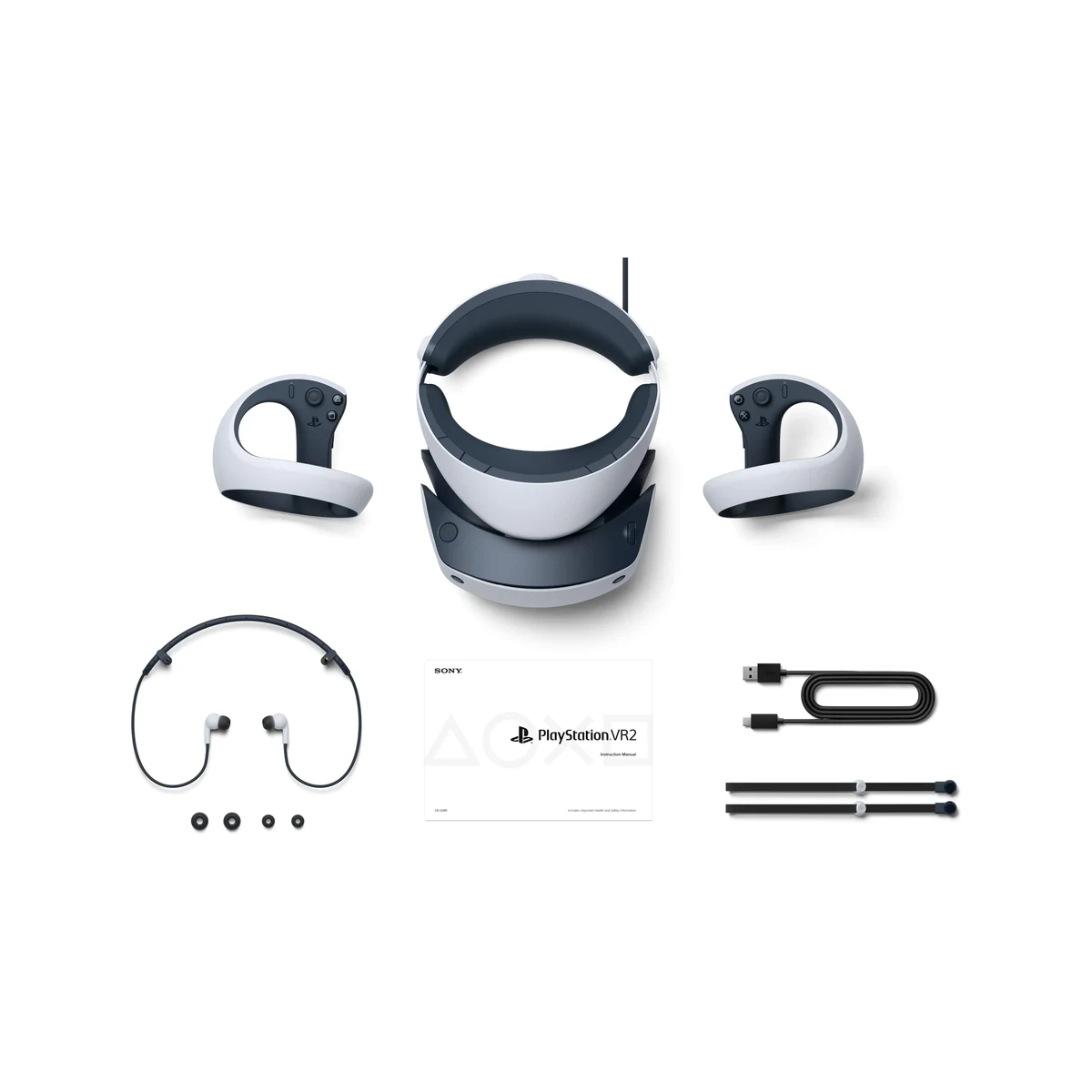
| Controllers | PS VR2 Sense controllers with adaptive triggers, haptic feedback, finger touch detection |
| Audio | Tempest 3D AudioTech, built-in dual microphones, stereo headphone jack |
| Connectivity | Single USB-C cable to PS5 |
| Weight | 560g (headset only) |
Design & Build Quality
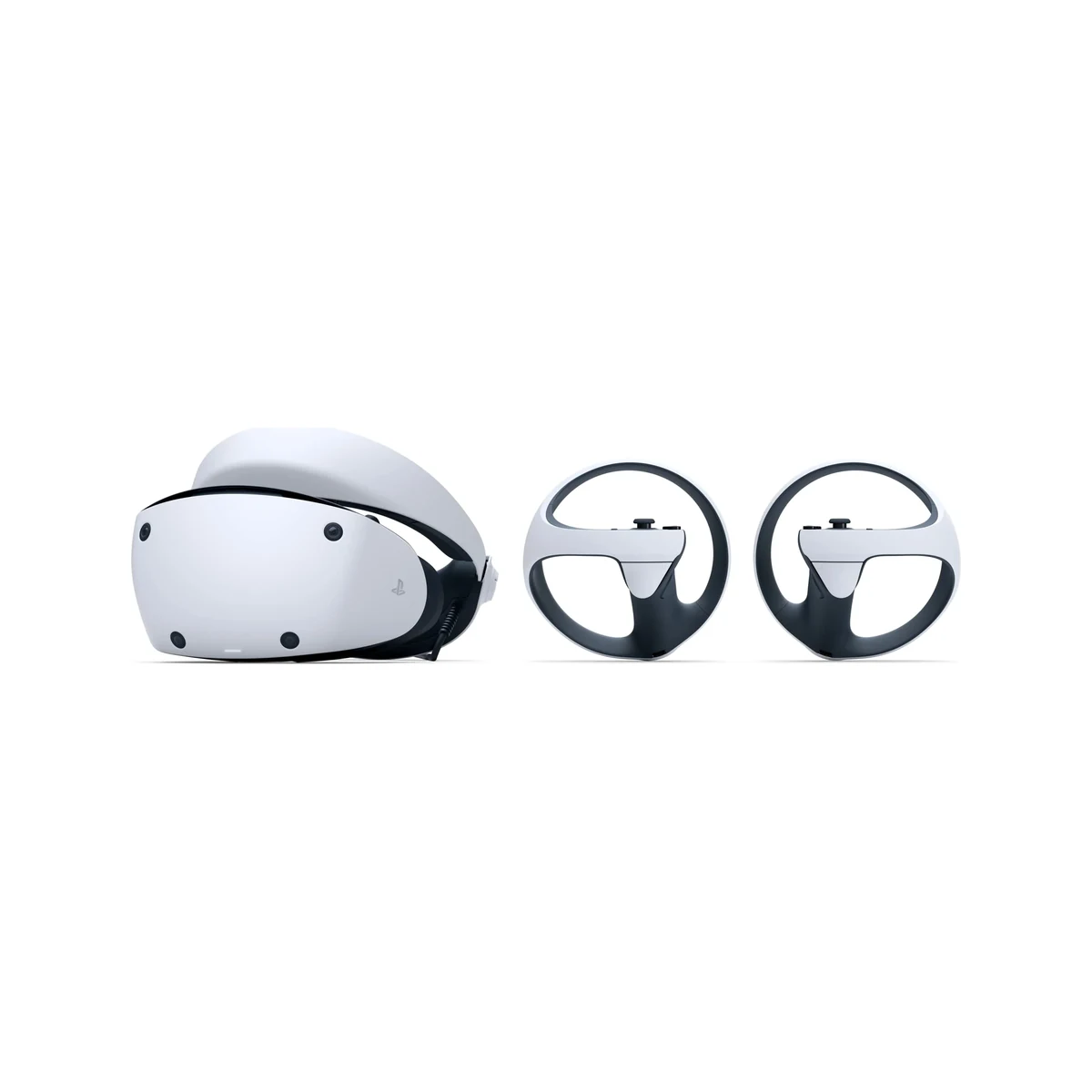
The Sony PlayStation VR2 features a sleek, futuristic design that perfectly complements the PS5 aesthetic. Its predominantly white exterior with black accents and glossy highlights creates a premium look that feels distinctly next-generation. The materials are primarily high-grade plastic with soft-touch finishes on contact points, which helps reduce fingerprints while maintaining durability. A notable improvement over the original PSVR is the motorized adjustment system for the lens distance, paired with a comfortable halo-style headband that distributes weight more evenly.
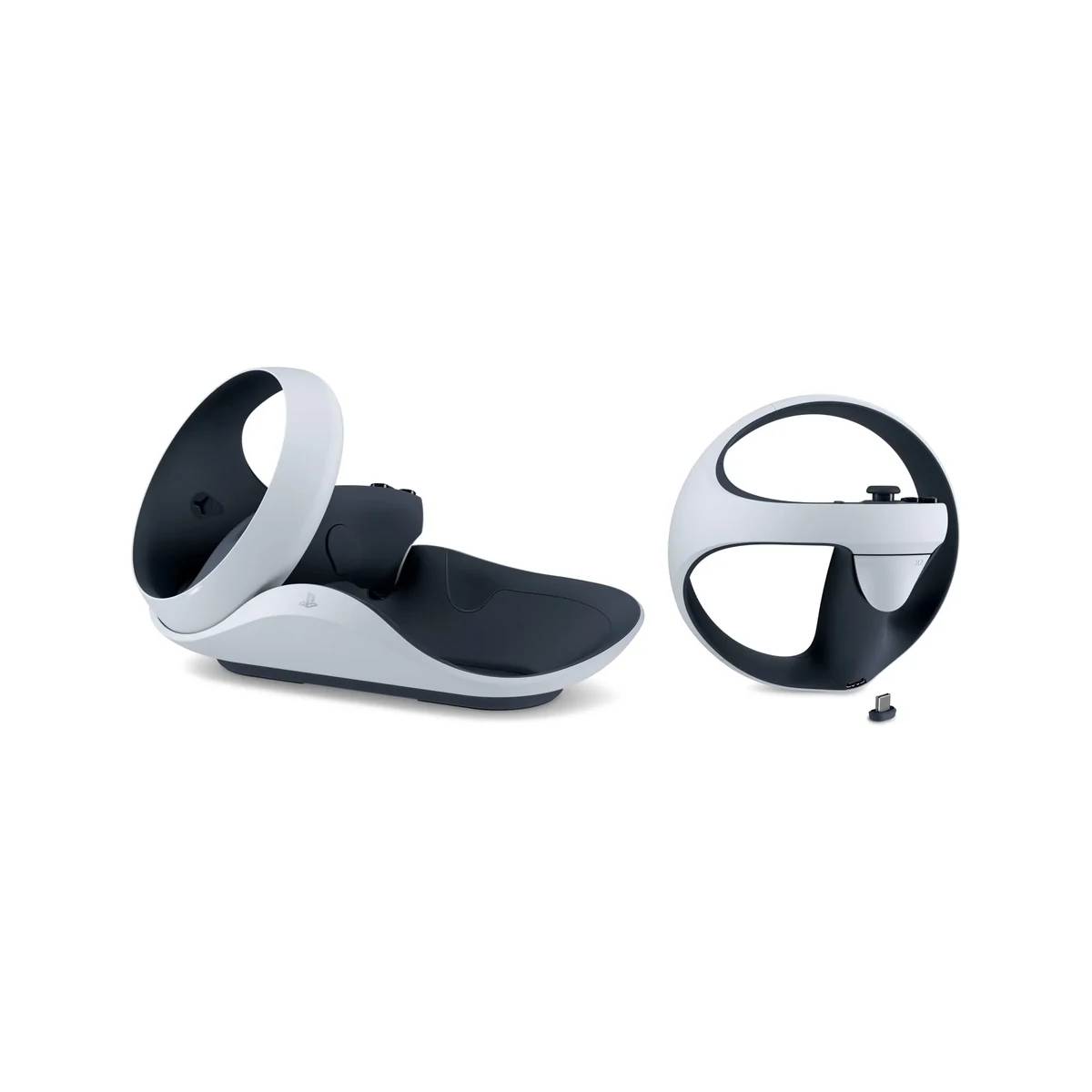
Ergonomics have received significant attention. The headset is well-balanced despite its 560g weight, and the adjustable vented headband allows for quick fitting across different head sizes and even accommodates glasses comfortably for most users. Breathability is decent thanks to strategic ventilation, though extended sessions beyond two hours can still cause mild facial pressure for some. The Sense controllers represent a substantial upgrade with their orb-free design, textured grips, and intuitive button layout that feels like a natural evolution of the DualSense controller.
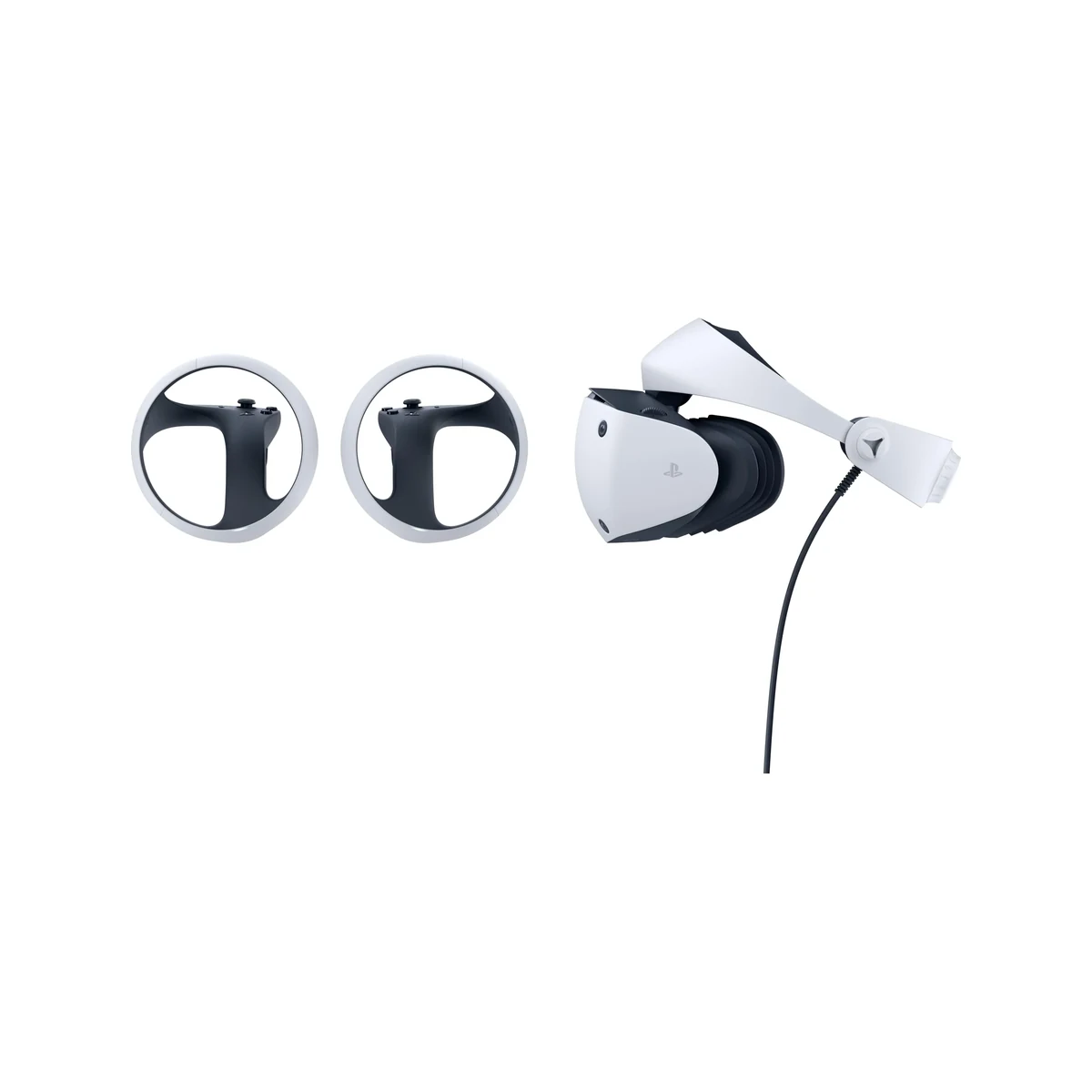
Overall build quality inspires confidence for daily use. While it doesn’t match the luxury materials found in headsets costing twice as much, the PSVR2 feels robust and thoughtfully engineered for gaming. Minor creaks in the adjustment mechanisms are the only notable drawback in an otherwise refined package that successfully balances form and function.
Performance
In real-world testing throughout 2026, the PlayStation VR2 continues to impress with its visual fidelity and smooth performance. The dual 4K HDR OLED panels virtually eliminate the screen-door effect common in earlier VR headsets, while the 120Hz refresh rate delivers buttery-smooth motion that significantly reduces nausea. Eye tracking combined with dynamic foveated rendering allows the PS5 to focus rendering power where the user is looking, resulting in sharper details and more stable frame rates than traditional fixed foveation approaches.
Performance in demanding titles like Horizon Call of the Mountain, Gran Turismo 7 VR, and newer 2026 releases such as Astro Bot: Galaxy demonstrates the system’s capabilities. The headset maintains consistent 90-120fps with virtually imperceptible latency thanks to its direct wired connection to the PS5. Benchmarks against previous-generation VR show approximately a 4x increase in pixel count per eye, creating a genuine sense of presence that makes virtual environments feel tangible. The Tempest 3D AudioTech further enhances this by delivering precise spatial audio that complements the visuals perfectly.
Speed and responsiveness are class-leading for a console VR solution. Loading times between experiences are minimal, and the inside-out tracking is remarkably accurate even in challenging lighting conditions. While it doesn’t match the raw power of high-end PC VR setups with dedicated GPUs, the optimized PS5 hardware and software integration result in a remarkably polished experience that prioritizes consistency over raw specification numbers.
Features & Software
The standout features of the PSVR2 are its advanced haptics and eye-tracking capabilities. The headset itself contains haptic motors that simulate everything from a character’s heartbeat to environmental vibrations, creating an additional sensory layer that competitors struggle to match. Combined with the Sense controllers’ adaptive triggers and precise finger tracking, the system delivers unprecedented tactile feedback that makes interactions feel genuinely physical. Eye tracking enables natural menu navigation, more intuitive aiming mechanics, and improved social features in multiplayer experiences.
The software experience benefits from tight PS5 integration. The user interface is clean and responsive, with seamless transitions between flat gaming and VR modes. Sony has continued expanding the VR library through 2026, with both first-party exclusives and strong third-party support creating a focused but high-quality selection of titles. While not as expansive as PC VR libraries, the available experiences are generally well-optimized and take full advantage of the hardware’s unique features.
Value Proposition
At its current 2026 pricing, the PlayStation VR2 represents a premium investment that delivers exceptional quality for dedicated PS5 owners. While the initial cost is substantial, the elimination of base stations and the single-cable setup provide convenience that competing PC-tethered solutions cannot match. The growing library of optimized titles and regular firmware updates have improved the long-term value proposition significantly since launch.
When compared to building a VR-capable PC, the PSVR2 offers a more accessible entry into high-end virtual reality for console gamers. The immersive features like headset haptics and eye tracking provide unique experiences that justify the premium over standalone headsets for those who already own a PS5. However, it remains an expensive proposition for casual users or those without an existing Sony ecosystem.
How It Compares
Against the Meta Quest 3, the PSVR2 delivers superior visual quality with true OLED blacks, higher per-eye resolution, and more convincing haptic feedback. However, the Quest 3 offers wireless freedom, standalone functionality, and access to a broader mixed-reality ecosystem. The PSVR2 excels in pure gaming immersion but requires a PS5 and a physical connection.
Compared to the Apple Vision Pro, the PSVR2 is far more affordable and purpose-built for gaming rather than productivity or spatial computing. While the Vision Pro offers unmatched display technology and hand-tracking, its significantly higher price, heavier weight, and limited gaming library make the PSVR2 the more practical choice for enthusiasts primarily interested in virtual reality entertainment.
Pros and Cons
Pros
- The 4K HDR OLED displays create stunning visual clarity that makes virtual worlds feel incredibly lifelike.
- Innovative headset haptics combined with advanced Sense controller feedback deliver unmatched tactile immersion.
- Eye tracking and foveated rendering produce smooth performance with excellent visual fidelity.
- Seamless integration with the PS5 makes setup and switching between experiences effortless.
- The growing 2026 game library features several must-play exclusive titles optimized specifically for the hardware.
Cons
- The PSVR2 requires a PlayStation 5 console, significantly increasing the total cost of entry.
- The tethered cable design restricts movement compared to wireless standalone competitors.
- Extended play sessions can cause facial discomfort for some users despite improved ergonomics.
- The dedicated VR game library, while high quality, remains smaller than those available on PC platforms.
- At its premium price point, it may not offer sufficient value for casual or budget-conscious gamers.
FAQ
Q: Does the PlayStation VR2 require a PlayStation 5?
A: Yes, the PSVR2 is designed exclusively for the PS5 and will not function with a PS4 or PC without specific compatibility updates.
Q: How does the PSVR2 compare visually to the Meta Quest 3?
A: The PSVR2 offers superior contrast and color reproduction thanks to its OLED panels, though the Quest 3 provides higher refresh rates in some scenarios and wireless convenience.
Q: Is the PlayStation VR2 comfortable for long gaming sessions?
A: Most users find it comfortable for 1-2 hour sessions, though individual facial structure may affect comfort during marathon play. The adjustable headband helps significantly.
Q: Has the PSVR2 game library improved by 2026?
A: Yes, Sony has steadily expanded support with both new exclusives and enhanced backward-compatible titles, creating a more compelling selection than at launch.
Q: Does the PSVR2 support PC gaming?
A: Limited PC support was added in 2024 and has been refined through 2026, though not all features work perfectly and a PlayStation 5 remains the primary platform.
Verdict
The Sony PlayStation VR2 remains the premier virtual reality solution for PS5 owners who prioritize immersion and visual quality above all else. Its combination of stunning OLED displays, revolutionary haptics, and tight ecosystem integration creates experiences that few competitors can match in the console space. Tech-savvy gamers with a PS5 and sufficient budget will find the PSVR2 delivers exceptional value and countless memorable virtual adventures.
Pros
- ✓ The 4K HDR OLED displays create stunning visual clarity that makes virtual worlds feel incredibly lifelike.
- ✓ Innovative headset haptics combined with advanced Sense controller feedback deliver unmatched tactile immersion.
- ✓ Eye tracking and foveated rendering produce smooth performance with excellent visual fidelity.
- ✓ Seamless integration with the PS5 makes setup and switching between experiences effortless.
- ✓ The growing 2026 game library features several must-play exclusive titles optimized specifically for the hardware.
Cons
- ✗ The PSVR2 requires a PlayStation 5 console, significantly increasing the total cost of entry.
- ✗ The tethered cable design restricts movement compared to wireless standalone competitors.
- ✗ Extended play sessions can cause facial discomfort for some users despite improved ergonomics.
- ✗ The dedicated VR game library, while high quality, remains smaller than those available on PC platforms.
- ✗ At its premium price point, it may not offer sufficient value for casual or budget-conscious gamers.
Where to Buy the Sony PlayStation VR2





Prices may vary. Affiliate links — we may earn a commission at no extra cost to you.
Related Reviews

Affiliate links — we may earn a commission at no extra cost to you.