








The Sony Alpha 7R V continues to dominate the high-resolution mirrorless market in 2026 with its staggering 61-megapixel sensor and AI-driven autofocus system. While it caters to uncompromising professionals, its hefty price tag and demanding workflow require serious consideration. Discover if this pixel-peeping powerhouse is the right upgrade for your photography arsenal.
Table of Contents
Key Specifications
| Feature | Detail |
|---|---|
| Sensor | 61.0MP Full-Frame Exmor R BSI CMOS |
| Processor | BIONZ XR & Dedicated AI Processing Unit |
| Autofocus | 693-Point Phase-Detection with AI Subject Recognition |
| Image Stabilization | 8-Stop 5-Axis In-Body Image Stabilization (IBIS) |
| Video | 8K at 24p/25p, 4K up to 60p (10-bit 4:2:2) |
| EVF | 9.44m-Dot QXGA OLED Tru-Finder |
| Display | 3.2″ 2.1m-Dot 4-Axis Multi-Angle Touchscreen |
| Weight | 723g (with battery and memory card) |
Design & Build Quality
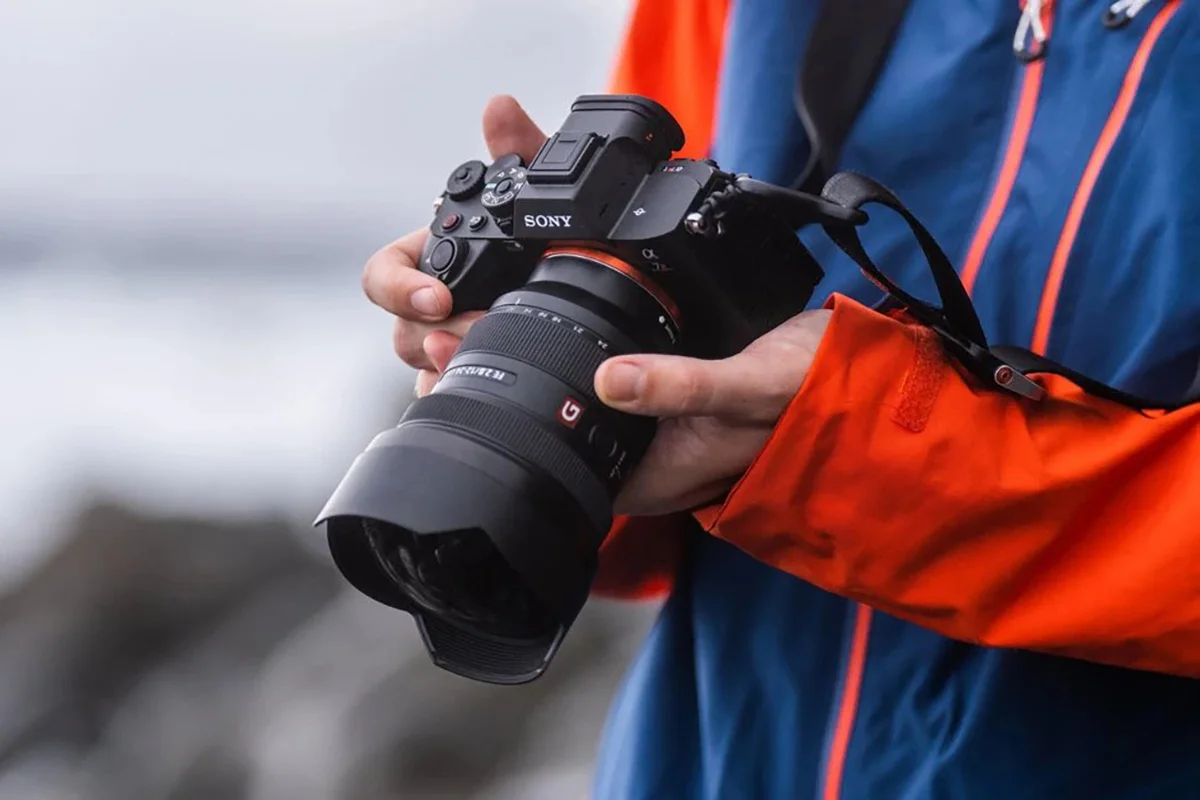
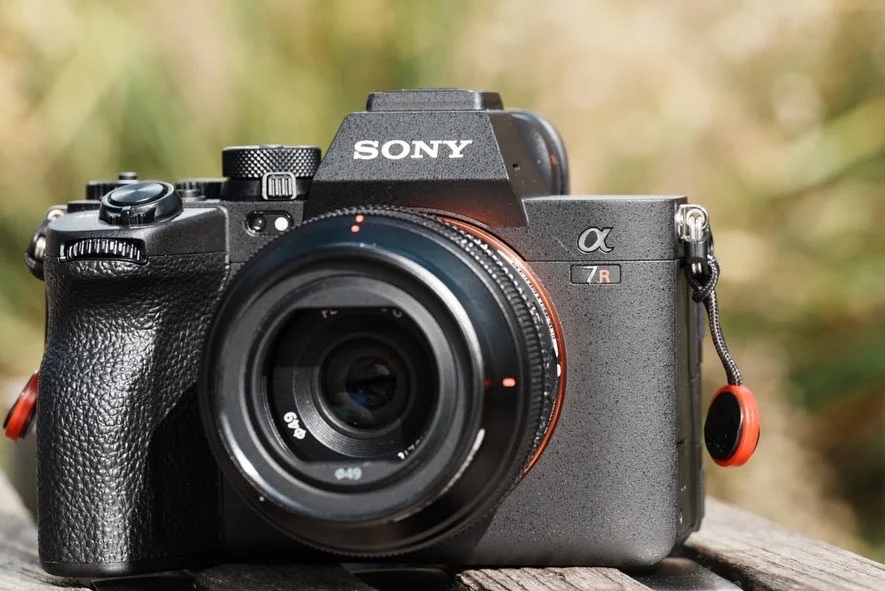
Sony has refined its mirrorless camera chassis over several generations, and the Alpha 7R V represents the pinnacle of this ergonomic evolution. Built around a robust magnesium alloy frame, the body feels exceptionally durable and is extensively weather-sealed against dust and moisture. The grip has been subtly deepened compared to earlier models, allowing for a secure, comfortable hold even when balancing heavy G Master telephoto lenses for extended studio or field sessions.
The most universally praised design upgrade is the 4-axis multi-angle LCD monitor. Sony engineers successfully combined the benefits of a conventional tilting screen with a fully articulating side-opening mechanism. This allows photographers to shoot from high or low angles without the screen interfering with attached cables or L-brackets, solving a major pain point from previous iterations.
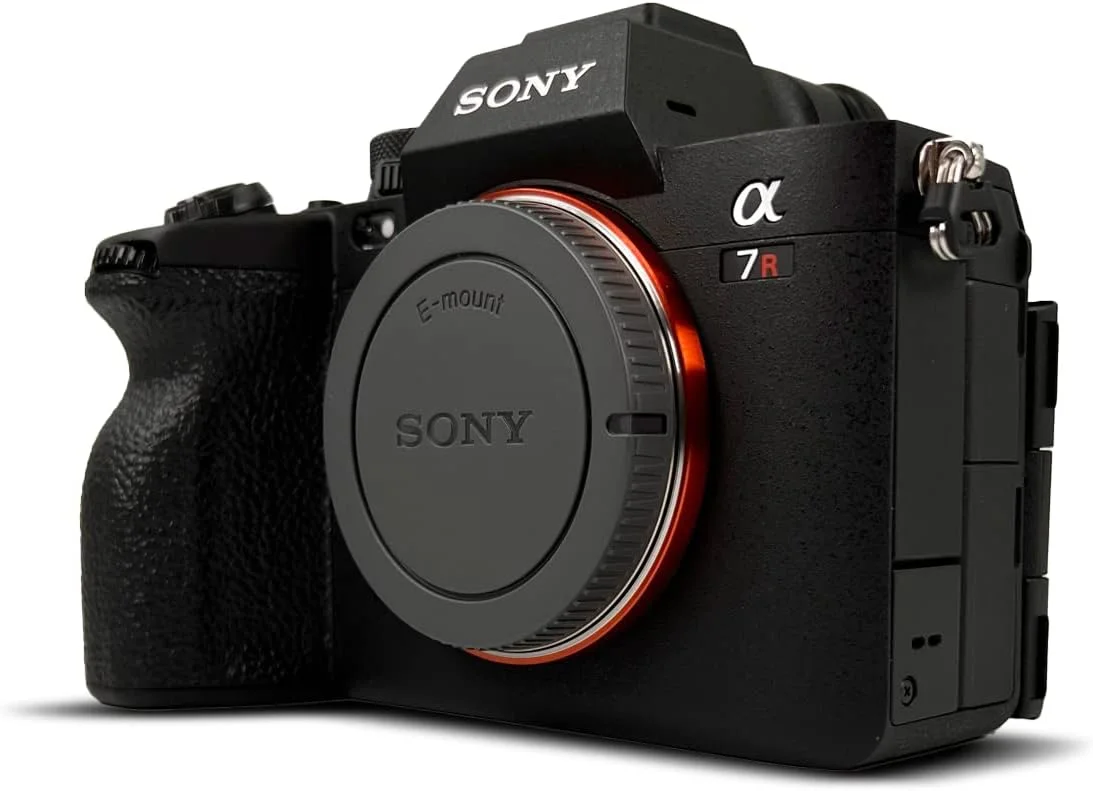
Up top, the 9.44-million dot OLED electronic viewfinder is nothing short of breathtaking. With a 0.90x magnification and a 120 fps refresh rate, looking through the EVF feels completely natural, virtually eliminating lag and ensuring you never miss critical framing during fast-paced shoots.
Performance
At the heart of the Sony Alpha 7R V is the spectacular 61-megapixel Exmor R BSI CMOS sensor, which continues to deliver class-leading dynamic range and color reproduction in 2026. However, the true performance leap comes from the dedicated AI processing unit paired with the BIONZ XR engine. This combination drives an autofocus system that almost feels like cheating. The AI deep learning algorithms can recognize and precisely track human poses, animals, birds, insects, cars, trains, and airplanes, ensuring the focal plane is locked onto the subject’s eye even when they momentarily turn away.
Despite pushing massive 61MP files, the camera maintains a respectable 10 frames per second continuous shooting speed with full AF/AE tracking. The buffer can handle up to 583 compressed raw files before slowing down, provided you are utilizing high-speed CFexpress Type A cards. When paired with the upgraded 8.0-stop in-body image stabilization (IBIS), achieving tack-sharp images handheld at remarkably slow shutter speeds is consistently reliable, greatly expanding its versatility for low-light landscape and architectural work.
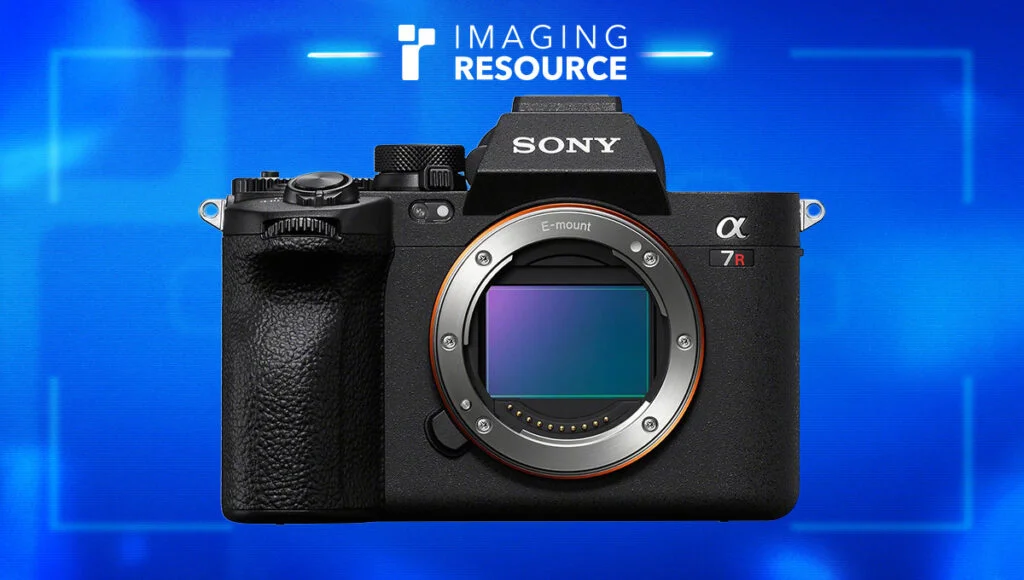
On the video front, the Alpha 7R V is highly capable but clearly prioritizes photography. It captures stunning 8K 24p and 4K 60p footage in 10-bit 4:2:2 internally. However, the 8K mode comes with a 1.2x crop, and the sensor is susceptible to noticeable rolling shutter when panning quickly—a reminder that this is primarily a high-resolution stills camera rather than a dedicated cinema rig.
Features & Software
Software-wise, Sony’s revamped menu system is touch-friendly, color-coded, and vastly more intuitive than the labyrinthine menus of the past. Standout features include the improved Pixel Shift Multi Shooting mode, which composites up to 16 images into a staggering 240-megapixel file for archival and still-life photography. Sony has also integrated an automated motion-correction algorithm in its desktop software, finally making Pixel Shift usable even if there’s slight movement, like rustling leaves, in your frame.
Connectivity options are robust, catering perfectly to modern hybrid workflows. The inclusion of dual-band Wi-Fi (2.4GHz and 5GHz), SuperSpeed USB 10Gbps via USB-C, and full-size HDMI ensures that tethering to laptops, FTP servers, or external recorders is seamless and reliable.
Value Proposition
The Sony Alpha 7R V sits at the premium end of the full-frame mirrorless market, and its price reflects its professional-grade capabilities. For hobbyists or hybrid shooters who prioritize video, the cost may be difficult to justify, especially considering the added expense of the CFexpress Type A cards and the high-capacity storage drives required to manage its massive 61MP files.
However, for commercial, landscape, portrait, and studio photographers who demand uncompromising detail and the most advanced autofocus system available, the value proposition is undeniably strong. It is an investment in unparalleled image quality and workflow reliability that easily earns its keep in a professional environment.
How It Compares
When pitted against the Canon EOS R5, the Sony Alpha 7R V pulls ahead in pure resolution (61MP vs 45MP) and boasts a noticeably smarter, AI-driven autofocus system for niche subjects like insects and vehicles. However, the Canon remains a more balanced hybrid camera, offering uncropped 8K video and faster burst rates for dedicated sports shooters. Compared to the medium-format Fujifilm GFX 100S II, the Alpha 7R V is far more agile, boasting a vast lens ecosystem and vastly superior autofocus tracking, even if it concedes slightly to the Fuji on absolute sensor size and tonal depth.
Pros and Cons
Pros
- Class-leading 61-megapixel image quality with incredible dynamic range.
- Unmatched AI-powered autofocus tracking for a massive variety of subjects.
- The 4-axis multi-angle screen is arguably the best display articulation on the market.
- Stunning, high-resolution 9.44m-dot electronic viewfinder provides a lifelike shooting experience.
Cons
- Noticeable rolling shutter effect in electronic shutter mode and during fast video panning.
- 8K video recording incurs a significant 1.2x crop factor.
- Massive 61MP files require immense, expensive computing and storage resources.
- Heavy reliance on expensive CFexpress Type A cards to maximize buffer performance.
FAQ
Q: Does the Sony Alpha 7R V overheat when shooting video?
A: Thanks to an improved heat-dissipating chassis, the camera can record 8K 24p for up to 30 minutes without significant overheating issues, though heavy, continuous video use will eventually hit thermal limits.
Q: Can I use standard SD cards in the A7R V?
A: Yes, both card slots are dual-compatible with UHS-II SD cards and CFexpress Type A cards. However, you will need CFexpress cards to clear the buffer quickly during continuous shooting.
Q: Is the Pixel Shift multi-shooting mode done in-camera?
A: No, the camera captures the 4 or 16 raw frames, but you must use Sony’s Imaging Edge desktop software to composite them into the final high-resolution file.
Q: How good is the in-body image stabilization (IBIS)?
A: The A7R V features an upgraded 8.0-stop IBIS system, which is a massive improvement over previous models, making handheld shooting at low shutter speeds incredibly reliable.
Verdict
The Sony Alpha 7R V remains the ultimate tool for professional landscape, studio, and commercial photographers who require extreme resolution without sacrificing autofocus agility. While it demands a robust post-processing workflow and deep pockets, its combination of a 61MP sensor and AI-driven AF makes it an unmatched powerhouse in the 2026 mirrorless market.
Where to Buy
Pros
- ✓ Class-leading 61-megapixel image quality with incredible dynamic range.
- ✓ Unmatched AI-powered autofocus tracking for a massive variety of subjects.
- ✓ The 4-axis multi-angle screen is arguably the best display articulation on the market.
- ✓ Stunning, high-resolution 9.44m-dot electronic viewfinder provides a lifelike shooting experience.
Cons
- ✗ Noticeable rolling shutter effect in electronic shutter mode and during fast video panning.
- ✗ 8K video recording incurs a significant 1.2x crop factor.
- ✗ Massive 61MP files require immense, expensive computing and storage resources.
- ✗ Heavy reliance on expensive CFexpress Type A cards to maximize buffer performance.
Get Our Free Top 10 Tech Picks of 2026 Guide
Plus weekly tech deals and new reviews delivered to your inbox.
[cp_email_signup]
No spam. Unsubscribe anytime.
Ready to buy the Sony Alpha 7R V?
Affiliate link — we may earn a commission at no extra cost to you.