

The LG B5 OLED brings flagship-level picture quality to a more accessible price point, making it one of the most compelling OLED TVs for 2026. With deep blacks, excellent gaming support, and LG’s refined smart TV platform, it strikes a smart balance between premium performance and everyday value.
Table of Contents
Key Specifications
| Feature | Detail |
|---|---|
| Display Type | 4K OLED panel |
| Resolution | 3840 x 2160 |
| Refresh Rate | Up to 120Hz native |
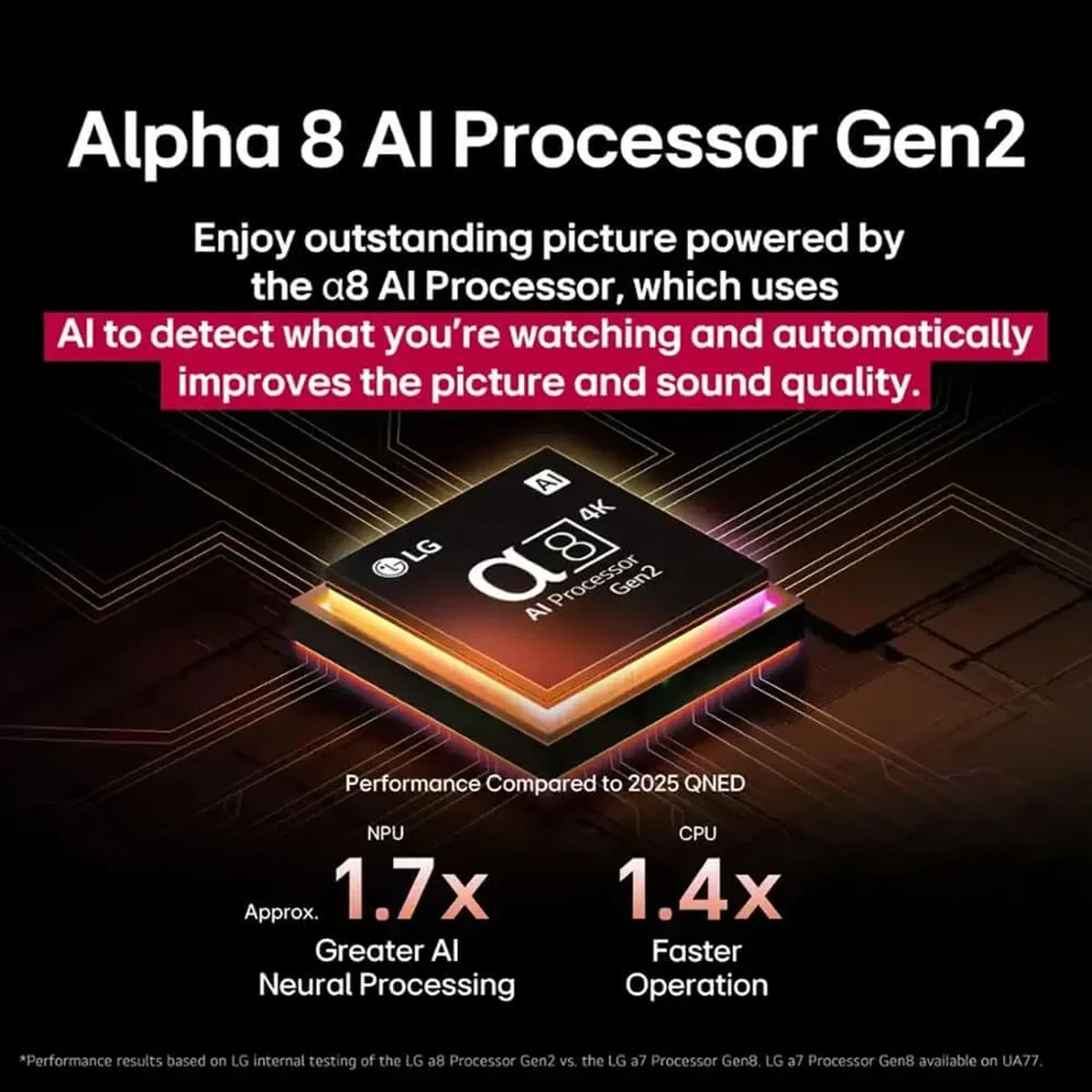
| Processor | Alpha-series AI processor |
| HDR Support | Dolby Vision, HDR10, HLG |
| Gaming Features | HDMI 2.1, VRR, ALLM, eARC, Game Optimizer |
| Smart TV Platform | webOS |
| Audio | Dolby Atmos support |
| Connectivity | Wi-Fi, Bluetooth, Ethernet, USB, HDMI |
| Voice Assistants | LG ThinQ, Alexa compatibility, Google Assistant compatibility |
Design & Build Quality
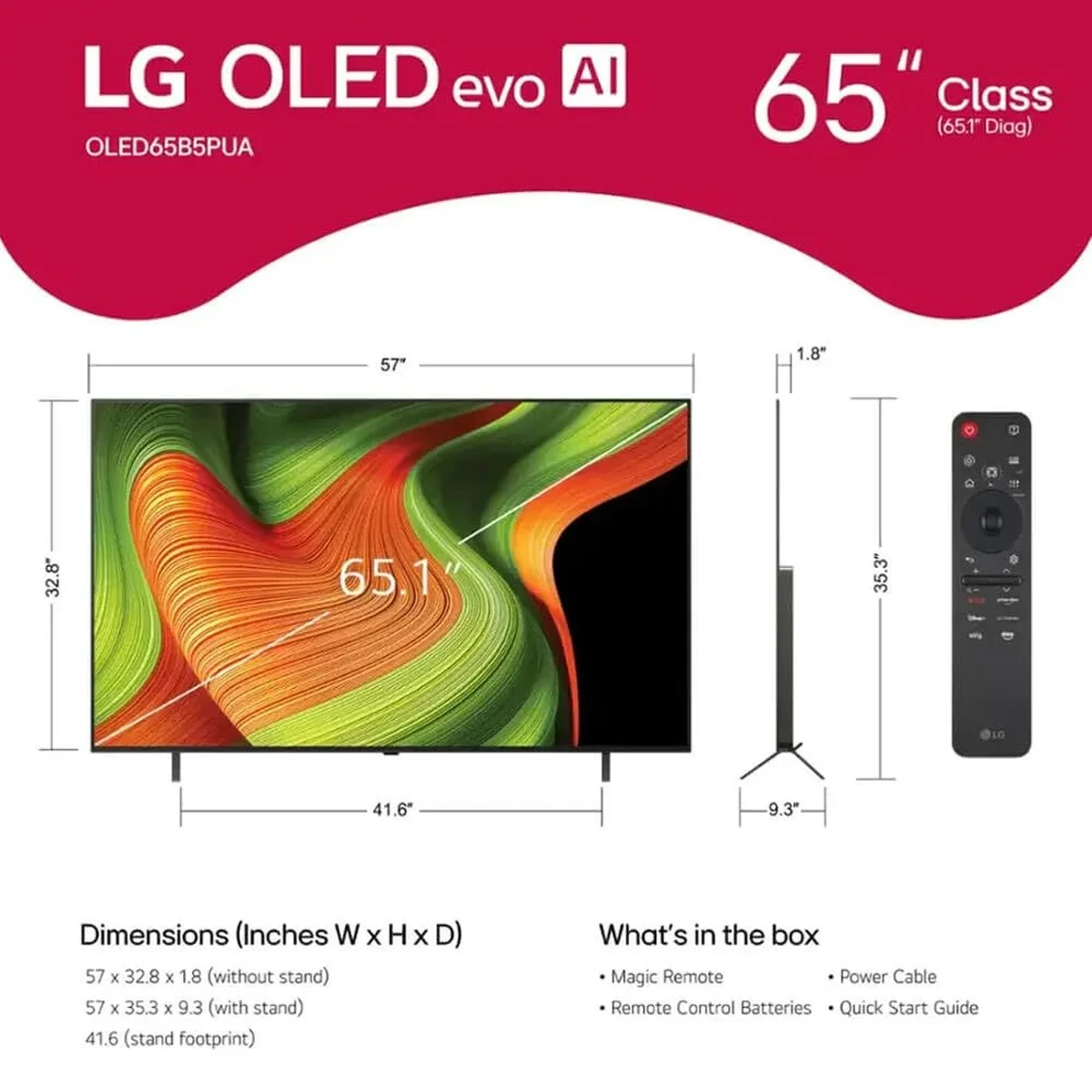
The LG B5 OLED follows the familiar minimalist design language that has made LG’s OLED range so appealing in modern living rooms. It is slim through much of the panel, with clean lines, narrow bezels, and a low-profile look that keeps attention on the screen rather than the chassis. As expected from an OLED TV, the panel itself appears impressively thin, while the lower rear housing accommodates ports, speakers, and internal electronics without making the set feel bulky.
Build quality is strong for its class. While the B5 does not aim for the ultra-premium metal-heavy finish of LG’s higher-tier G-series models, it still feels solid, well-assembled, and reassuringly premium once installed. The stand design is practical and stable, and wall-mounting remains a particularly attractive option thanks to the TV’s slim profile. Cable management is functional rather than luxurious, but setup is straightforward and the overall fit and finish are in line with what buyers expect from a quality mid-to-premium OLED television.
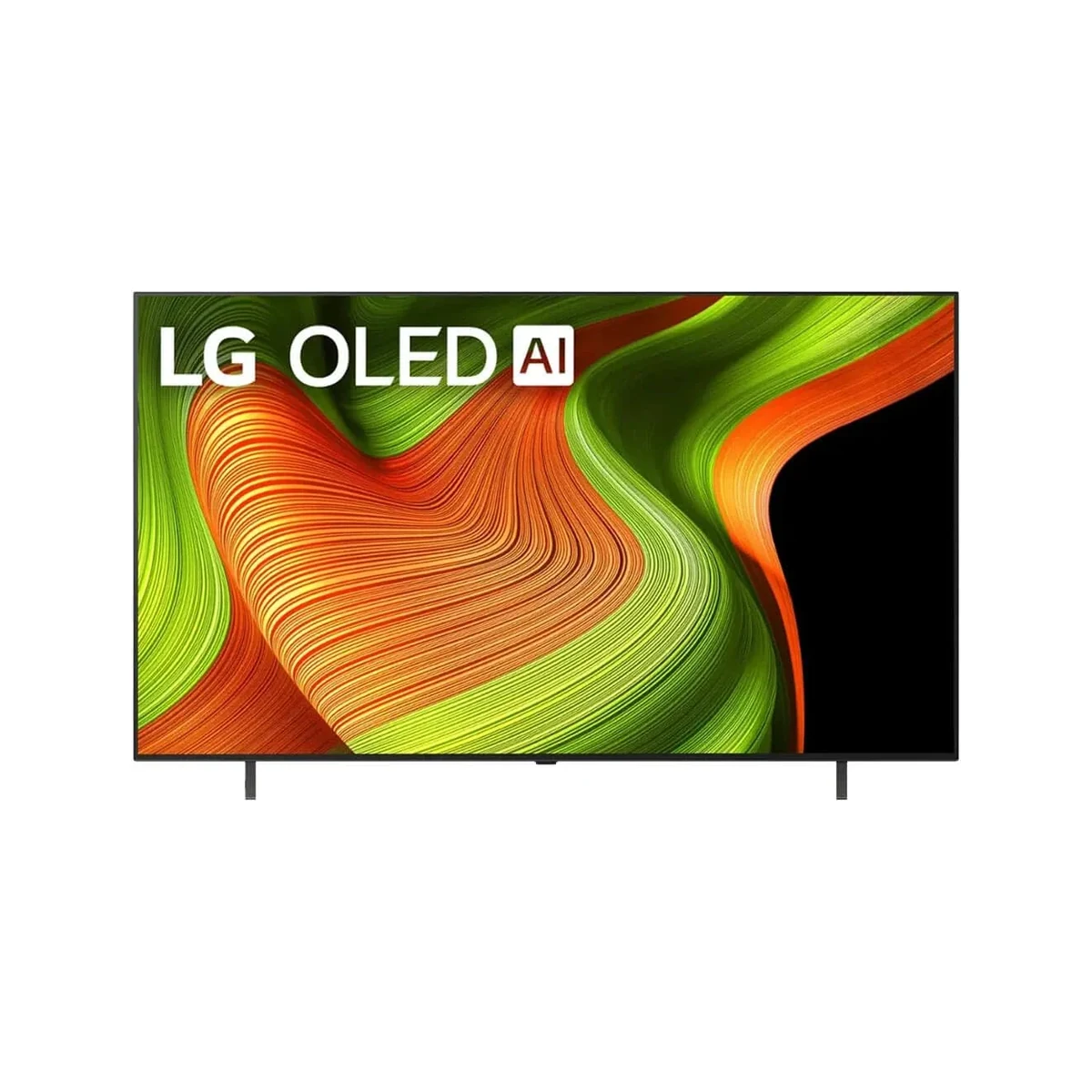
From an ergonomic perspective, the B5 is easy to live with. The included remote remains intuitive, with direct access to major streaming platforms and LG’s pointer-based navigation still offering one of the faster ways to move around a smart TV interface. Port placement is generally sensible, making it easier to connect consoles, soundbars, and media devices without awkward reach-arounds once the TV is in position.
Performance
In real-world use, the LG B5 OLED delivers exactly what most buyers want from an OLED display: near-perfect blacks, excellent pixel-level contrast, and a cinematic image that looks especially strong in dim and moderately lit rooms. Movies and prestige TV content benefit from the panel’s ability to render shadow detail with precision, while highlights have enough punch to create a convincing HDR experience even if this model does not push brightness as aggressively as LG’s more expensive OLED tiers. Color reproduction is rich and natural, with particularly strong performance in filmmaker-focused picture modes.
Motion handling is another area where the B5 performs well. Sports broadcasts, fast camera pans, and action-heavy content look clean, with the native 120Hz panel helping preserve clarity and reduce blur. LG’s motion processing tools remain flexible enough for users who like to tune smoothness, though the TV is at its best when excessive interpolation is avoided. Upscaling for HD and lower-bitrate streaming content is also competent, with the processor doing a good job of cleaning up noise without making the image look overly artificial.
For gaming, the B5 continues LG’s reputation as a go-to brand for console and PC players. HDMI 2.1 support, variable refresh rate, auto low latency mode, and responsive input performance make it a strong match for PlayStation 5, Xbox Series X, and modern gaming PCs. In practice, gameplay feels fast, fluid, and visually striking, especially in titles that benefit from OLED contrast and HDR. While competitive players may still compare latency figures closely across brands, the B5 is more than quick enough for the vast majority of users and remains one of the most well-rounded gaming OLEDs in its segment.
Features & Software
LG’s webOS platform remains one of the B5’s biggest strengths. The interface is polished, responsive, and packed with major streaming apps, while personalized recommendations and user profiles help tailor the experience for households with multiple viewers. Navigation feels quick, and the Magic Remote still stands out as a genuinely useful input method rather than a gimmick, especially for users who frequently jump between apps, settings, and live content.
Feature-wise, the B5 covers the essentials expected from a modern premium TV. Dolby Vision support boosts compatibility with high-quality streaming and disc-based content, while Dolby Atmos passthrough makes it easier to build a more immersive home theater setup with a soundbar or AV receiver. LG’s Game Optimizer remains a welcome inclusion for gamers who want quick access to frame-rate, VRR, black stabilizer, and genre-specific presets without digging through multiple menus.
Value Proposition
The LG B5 OLED sits in a sweet spot for buyers who want true OLED picture quality without paying flagship prices. It delivers many of the features that matter most in everyday use, including strong HDR performance, excellent gaming support, and a mature smart TV platform, while avoiding the steep premium attached to brighter or more design-focused high-end models. For many users, that balance makes it the smarter buy than moving further up the lineup.
Its value becomes even clearer when compared with premium mini-LED alternatives and step-up OLEDs. While there are TVs that get brighter or sound better out of the box, the B5’s combination of contrast, responsiveness, and overall polish gives it broad appeal. If your priority is picture fidelity and gaming performance over chasing absolute peak brightness numbers, this is a very sensible investment in 2026.
How It Compares
Against the Samsung S90D, the LG B5 OLED typically offers a more familiar Dolby Vision-friendly ecosystem and LG’s highly regarded gaming dashboard, while Samsung counters with strong brightness and its own excellent gaming credentials. Buyers who watch a lot of Dolby Vision content or prefer webOS may lean toward the B5, while those prioritizing punchier HDR in brighter rooms may be tempted by Samsung’s alternative.

Compared with the Sony A80L successor class, the LG B5 OLED generally wins on gaming connectivity and feature depth for the price. Sony often retains an edge in out-of-box image processing and cinematic tuning, especially for film enthusiasts, but LG tends to offer more complete HDMI 2.1 support and a better overall package for mixed-use households that split time between streaming, gaming, and live sports.
Pros and Cons
Pros
- The OLED panel delivers superb black levels and contrast for an excellent cinematic viewing experience.
- Gaming support is strong, with HDMI 2.1, VRR, ALLM, and low input lag.
- webOS is fast, intuitive, and supported by a broad app ecosystem.
- Dolby Vision and Dolby Atmos support improve compatibility with premium content and audio setups.
- The TV offers very good overall value for buyers who want OLED quality without stepping into flagship pricing.
Cons
- Peak brightness is lower than some premium OLED and mini-LED competitors.
- Built-in audio is serviceable but not impressive enough to replace a dedicated soundbar.
- The design is clean but lacks the ultra-premium finish of higher-end OLED models.
- Performance in very bright rooms is less convincing than brighter rival TVs.
- Some users may find webOS recommendations and home screen content a bit too busy.
FAQ
Q: Is the LG B5 OLED good for gaming?
A: Yes. The LG B5 OLED is an excellent gaming TV thanks to HDMI 2.1 features such as VRR, ALLM, 4K at high refresh rates, and LG’s Game Optimizer tools.
Q: Does the LG B5 OLED support Dolby Vision?
A: Yes. The B5 supports Dolby Vision for HDR video, along with HDR10 and HLG.
Q: Is the LG B5 OLED bright enough for daytime viewing?
A: It performs well in moderate lighting, but it is not the brightest TV in its class. Very bright rooms may favor a stronger OLED or a premium mini-LED model.
Q: Does the LG B5 OLED have a good smart TV platform?
A: Yes. LG’s webOS platform is polished, app-rich, and easy to navigate, making it one of the better smart TV experiences available.
Q: Should you buy the LG B5 OLED over a higher-end LG OLED?
A: If you want excellent OLED picture quality and gaming features at a more reasonable price, the B5 is a smart choice. If maximum brightness and more premium design are top priorities, a higher-tier LG model may be worth the extra cost.
Verdict
The LG B5 OLED is one of the best OLED TVs for buyers who want premium picture quality, strong gaming performance, and a polished smart TV experience without overspending. It is especially well-suited to mixed-use users who watch films, stream regularly, and play on current-gen consoles.
Pros
- ✓ The OLED panel delivers superb black levels and contrast for an excellent cinematic viewing experience.
- ✓ Gaming support is strong, with HDMI 2.1, VRR, ALLM, and low input lag.
- ✓ webOS is fast, intuitive, and supported by a broad app ecosystem.
- ✓ Dolby Vision and Dolby Atmos support improve compatibility with premium content and audio setups.
- ✓ The TV offers very good overall value for buyers who want OLED quality without stepping into flagship pricing.
Cons
- ✗ Peak brightness is lower than some premium OLED and mini-LED competitors.
- ✗ Built-in audio is serviceable but not impressive enough to replace a dedicated soundbar.
- ✗ The design is clean but lacks the ultra-premium finish of higher-end OLED models.
- ✗ Performance in very bright rooms is less convincing than brighter rival TVs.
- ✗ Some users may find webOS recommendations and home screen content a bit too busy.
Where to Buy the LG B5 OLED





Prices may vary. Affiliate links — we may earn a commission at no extra cost to you.
Related Reviews

Affiliate links — we may earn a commission at no extra cost to you.