




The DJI Mini 3 remains a compelling choice in 2026 for creators who want premium 4K footage from an ultralight, regulation-friendly package. Its 1/1.3-inch sensor, extended flight times, and genuinely portable design continue to deliver results that punch well above its weight class. This updated review examines how the Mini 3 performs against newer competitors and whether it still deserves a place in your drone bag.
Table of Contents
Key Specifications
| Feature | Detail |
|---|---|
| Weight | 249 g (takeoff weight) |
| Dimensions (Folded) | 148 × 90 × 62 mm |
| Camera Sensor | 1/1.3-inch CMOS, 12 MP |
| Video Resolution | 4K/30fps HDR, 1080p/120fps |
| Max Flight Time | 38 minutes (51 minutes with Intelligent Flight Battery Plus) |
| Transmission | OcuSync 3.0, up to 10 km (FCC) |
| Obstacle Sensing | Downward + backward vision positioning |
| Max Speed | 57.6 km/h (S-mode) |
| Storage | microSD UHS-I up to 512 GB |
Design & Build Quality
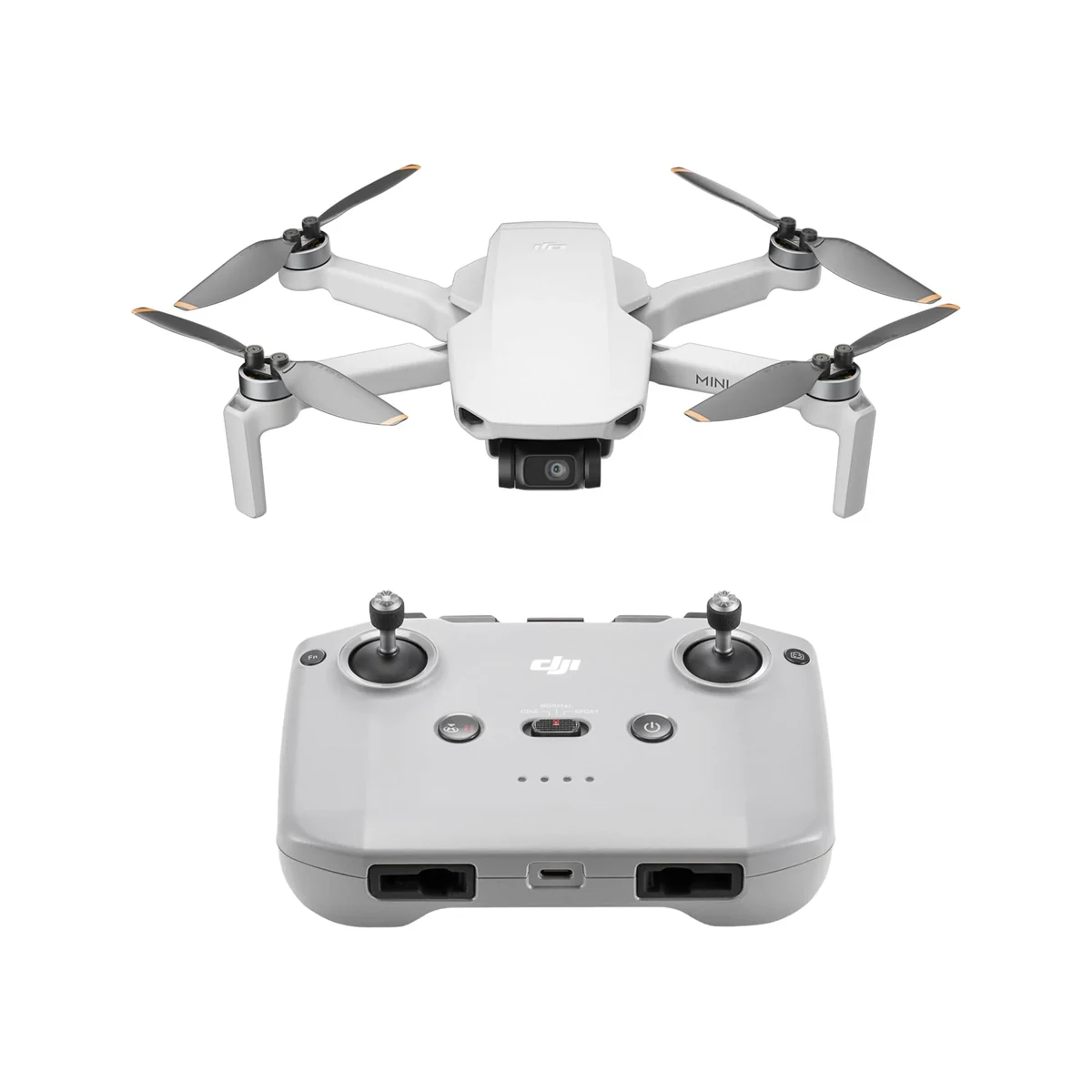
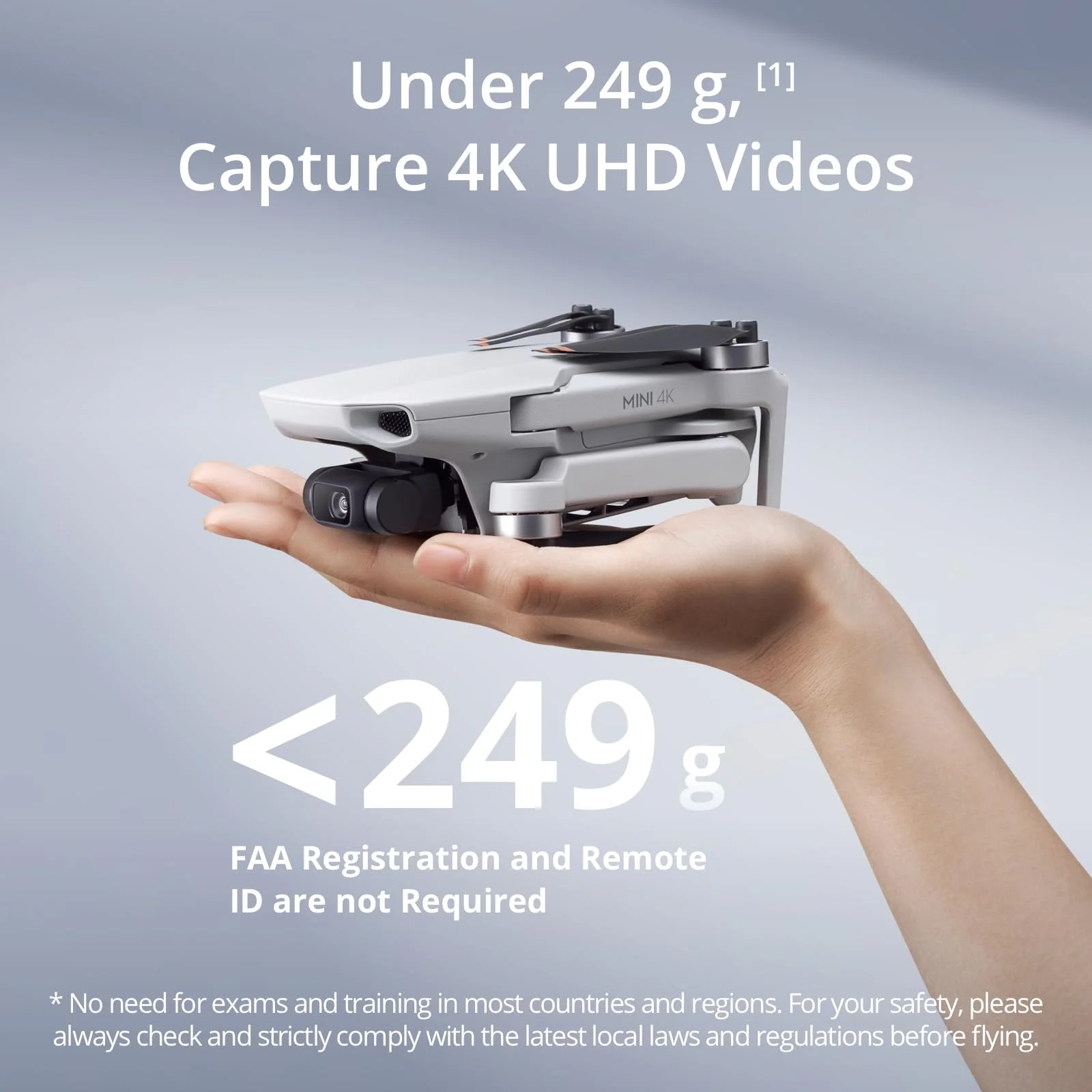
The DJI Mini 3 features the now-iconic foldable form factor that made the Mini series famous. When collapsed, it slips easily into a jacket pocket or small camera bag, making it the ideal travel companion. The build uses high-quality engineering plastics with metal hinges that feel precise and durable even after years of use. At just 249 grams, the drone qualifies for simplified regulations in most countries, a massive advantage that still drives its popularity in 2026.
Ergonomics of the RC-N1 controller remain excellent for its price point. The detachable phone holder accommodates larger smartphones, and the control sticks provide satisfying tactile feedback. While the build isn’t as premium as the Mini 4 Pro’s magnesium-alloy components, the Mini 3 still feels robust enough for regular use. The folding arms lock securely in both stowed and flight positions, and the gimbal protection is effective without adding unnecessary bulk.

Performance
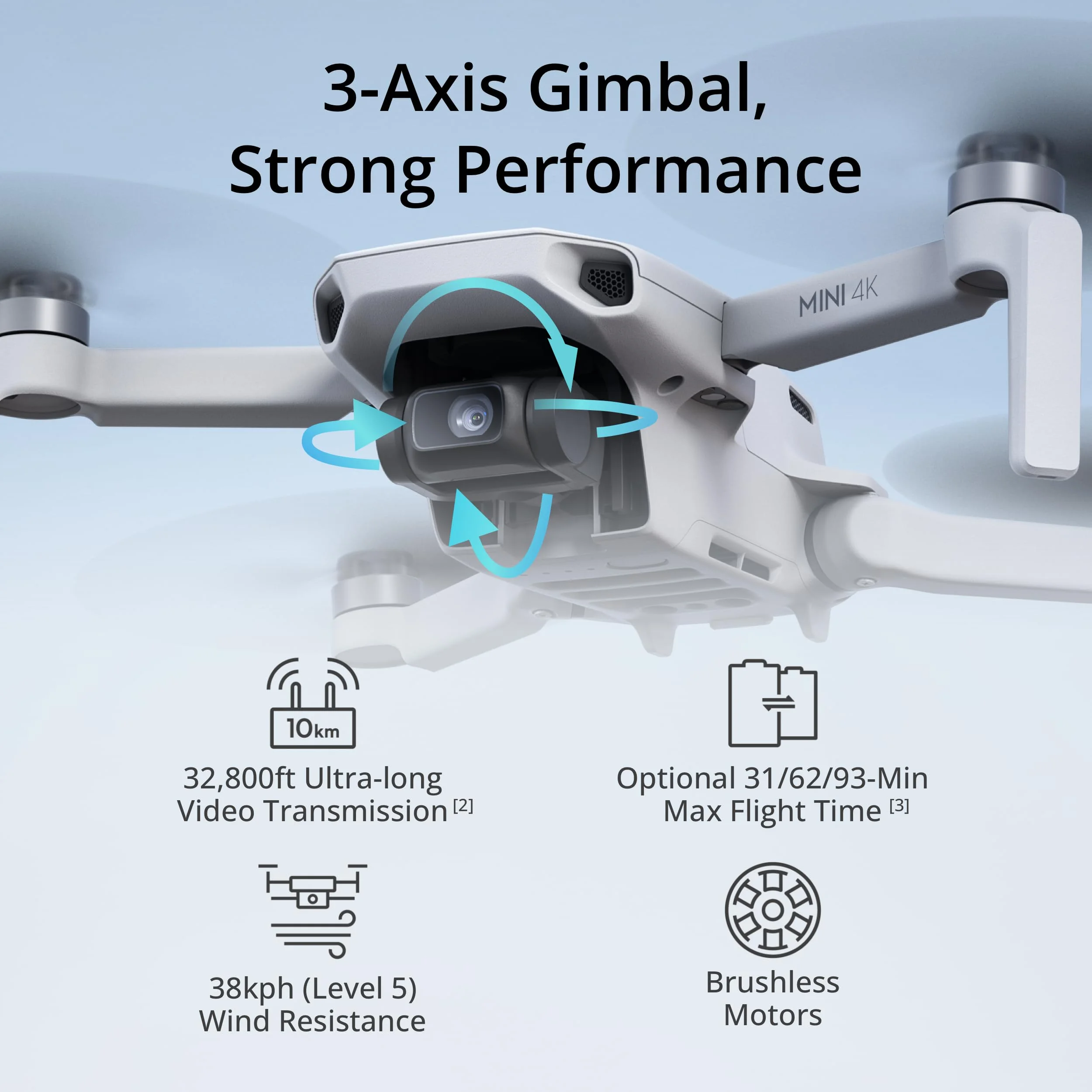
Real-world flight performance in 2026 remains impressive for a sub-250g aircraft. With the standard Intelligent Flight Battery, consistent 34-37 minute flights are achievable in calm conditions, while the optional Plus battery reliably pushes past 48 minutes. The drone handles 35-40 km/h winds with composure, though pilots should remain cautious in gusty conditions above that threshold. OcuSync 3.0 transmission delivers rock-solid 1080p feeds at distances up to 6-8 km in urban environments with moderate interference.
The 1/1.3-inch sensor captures detailed 12MP stills and pleasing 4K HDR video with good dynamic range for its class. Low-light performance is respectable up to ISO 3200, though noise becomes noticeable beyond that. Color science in DJI’s D-Cinelike profile offers excellent grading flexibility, making the Mini 3 a legitimate tool for both social content and more serious videography projects. Flight speeds reach 16 m/s in Normal mode and 16 m/s in Sport, providing responsive handling that feels precise without being twitchy.
Features & Software
The standout feature remains the ability to rotate the camera into true vertical (portrait) shooting mode — a godsend for TikTok and Instagram Reels creators. QuickTransfer allows 30MB/s Wi-Fi downloads directly to your phone, while the improved DJI Fly app interface in 2026 offers better waypoint planning and MasterShots automation. The drone supports Hyperlapse, Panorama, and QuickShots modes that remain genuinely useful rather than gimmicky.
Software stability has improved through years of firmware updates, though the app still maintains DJI’s characteristic safety restrictions. The lack of full obstacle avoidance is partially compensated by improved downward and backward vision systems that provide reliable positioning even in low light. Integration with the DJI ecosystem means seamless switching between other compatible drones if you own multiple models.
Value Proposition
In 2026, the DJI Mini 3 represents exceptional value for enthusiasts and semi-professional creators who don’t require forward obstacle avoidance. At its current street price, it undercuts newer Mini models while delivering 85% of the image quality and most essential flight features. The combination of long battery life, excellent portability, and no-registration convenience creates a compelling proposition that competitors struggle to match.
For users primarily shooting travel, real estate, or social content, the Mini 3 frequently offers better real-world value than more expensive alternatives. The ecosystem of accessories, spare parts, and aftermarket support remains strong years after launch, ensuring the drone stays practical long-term.
How It Compares
Against the newer DJI Mini 4 Pro, the Mini 3 lacks omnidirectional obstacle avoidance and the larger 1/1.3-inch sensor’s full potential is limited by older processing. However, it costs roughly 40-50% less while delivering very similar image quality in good lighting conditions. The Mini 4 Pro is the clear upgrade for professionals, but the Mini 3 remains the smarter buy for most hobbyists and content creators.
Compared to the Autel Evo Nano+, the Mini 3 benefits from vastly superior app ecosystem, better color science, and more reliable transmission. While the Autel offers true obstacle avoidance in a similarly lightweight package, DJI’s software polish and vertical shooting capability make the Mini 3 more practical for social-first creators.
Pros and Cons
Pros
- Outstanding image quality from the 1/1.3-inch sensor with true HDR capabilities.
- Exceptional flight time that routinely exceeds 35 minutes in real-world conditions.
- Ultra-portable foldable design makes it the perfect travel drone.
- No registration required in most regions due to sub-250g weight.
- Vertical shooting mode is brilliantly executed for social media content.
Cons
- Lacks forward obstacle avoidance sensors found on newer models.
- Maximum 4K recording is limited to 30fps rather than 60fps.
- The standard controller feels somewhat dated compared to newer RC 2 units.
- DJI Fly app restrictions can frustrate users wanting manual control options.
- Battery charging speed is relatively slow at around 90 minutes for a full charge.
FAQ
Q: Is the DJI Mini 3 still worth buying in 2026?
A: Yes, particularly if you prioritize value, portability, and don’t need omnidirectional obstacle avoidance. It remains one of the best drones under $500.
Q: Does the DJI Mini 3 require FAA registration?
A: No. At 249g, it falls below the 250g threshold in most jurisdictions including the United States, though local rules should always be verified.
Q: How does the camera quality compare to smartphone cameras?
A: Significantly better dynamic range, true optical zoom options via cropping, and much more stable footage thanks to the 3-axis mechanical gimbal.
Q: Can the Mini 3 fly in strong wind?
A: It handles 35-40 km/h winds competently but should be flown cautiously above that speed, especially when flying at distance.
Q: Does it support ND filters?
A: Yes. Official and third-party ND filter kits are readily available and highly recommended for achieving cinematic shutter speeds in bright conditions.
Verdict
The DJI Mini 3 is best suited for travel vloggers, real estate photographers, and content creators who value portability and image quality over the latest autonomous flight features. While newer models have added obstacle avoidance and higher frame rates, the Mini 3 continues to deliver exceptional results at a more accessible price point in 2026. For anyone stepping up from a smartphone or basic camera drone, it remains an outstanding choice that won’t disappoint.
Pros
- ✓ Outstanding image quality from the 1/1.3-inch sensor with true HDR capabilities.
- ✓ Exceptional flight time that routinely exceeds 35 minutes in real-world conditions.
- ✓ Ultra-portable foldable design makes it the perfect travel drone.
- ✓ No registration required in most regions due to sub-250g weight.
- ✓ Vertical shooting mode is brilliantly executed for social media content.
Cons
- ✗ Lacks forward obstacle avoidance sensors found on newer models.
- ✗ Maximum 4K recording is limited to 30fps rather than 60fps.
- ✗ The standard controller feels somewhat dated compared to newer RC 2 units.
- ✗ DJI Fly app restrictions can frustrate users wanting manual control options.
- ✗ Battery charging speed is relatively slow at around 90 minutes for a full charge.
Where to Buy the DJI Mini 3





Prices may vary. Affiliate links — we may earn a commission at no extra cost to you.
Related Reviews

Affiliate links — we may earn a commission at no extra cost to you.