






The DJI Air 3 stands out as one of the most versatile drones available in 2026, boasting dual primary cameras that deliver stunning 4K footage from both wide-angle and telephoto perspectives. Its impressive 46-minute flight time combined with omnidirectional obstacle avoidance makes it a reliable companion for creators and adventurers alike. This review dives deep into its capabilities to help you decide if it’s the right choice for your aerial needs.
Table of Contents
Key Specifications
| Feature | Detail |
|---|---|
| Weight | 720 g |
| Folded Dimensions | 207.1 × 91.1 × 63.4 mm |
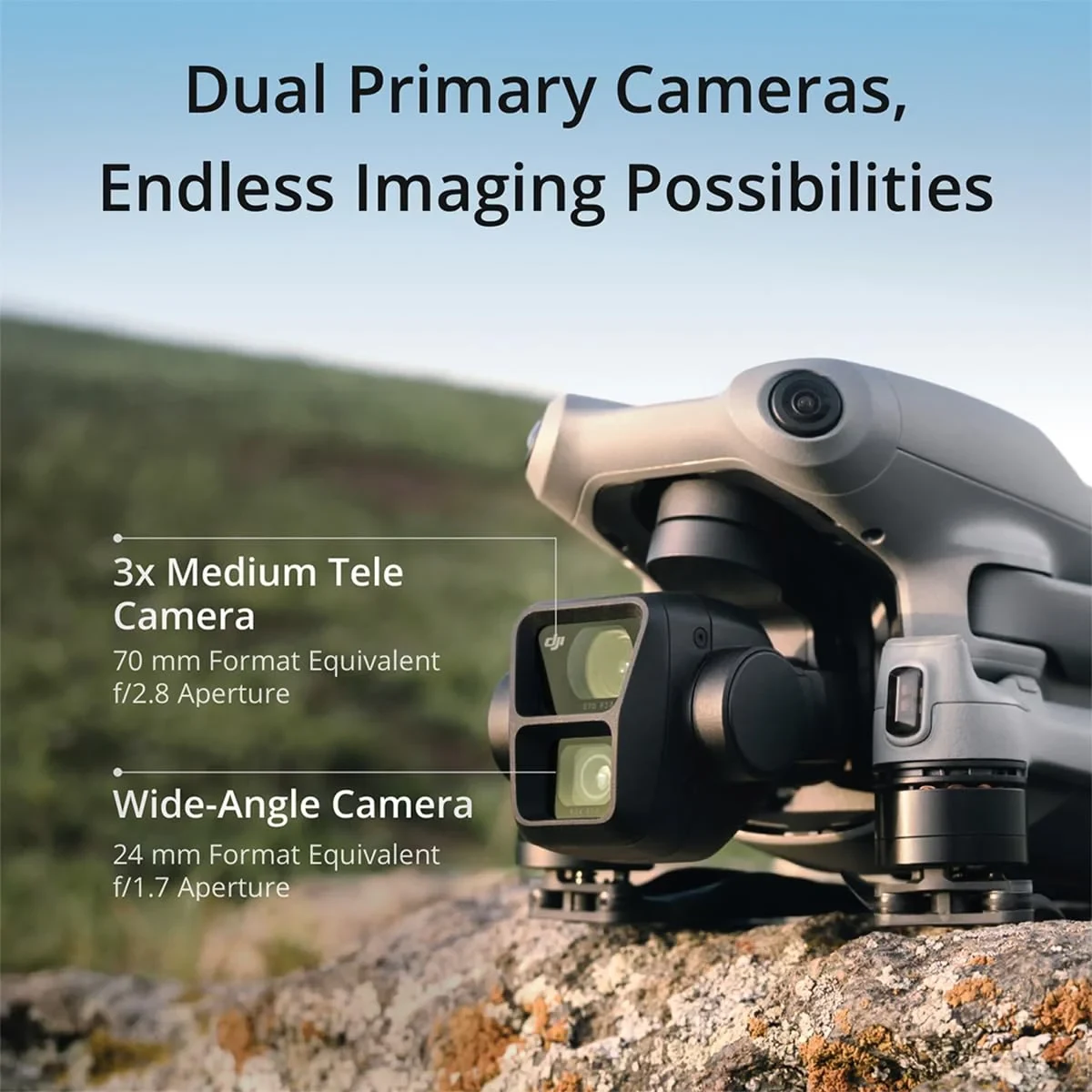
| Camera System | Dual 1/1.3-inch CMOS sensors, 48MP Wide (24mm) + 48MP Tele (70mm, 3x optical) |
| Video Resolution | 4K/60fps HDR, 4K/100fps slow-motion, 1080p/120fps |
| Max Flight Time | 46 minutes |
| Transmission System | O4, up to 20 km range |
| Obstacle Sensing | Omnidirectional (forward, backward, lateral, upward, downward) |
| Max Speed | 75.6 km/h (Sport mode) |
| Storage | microSD card slot (up to 1TB) |
Design & Build Quality
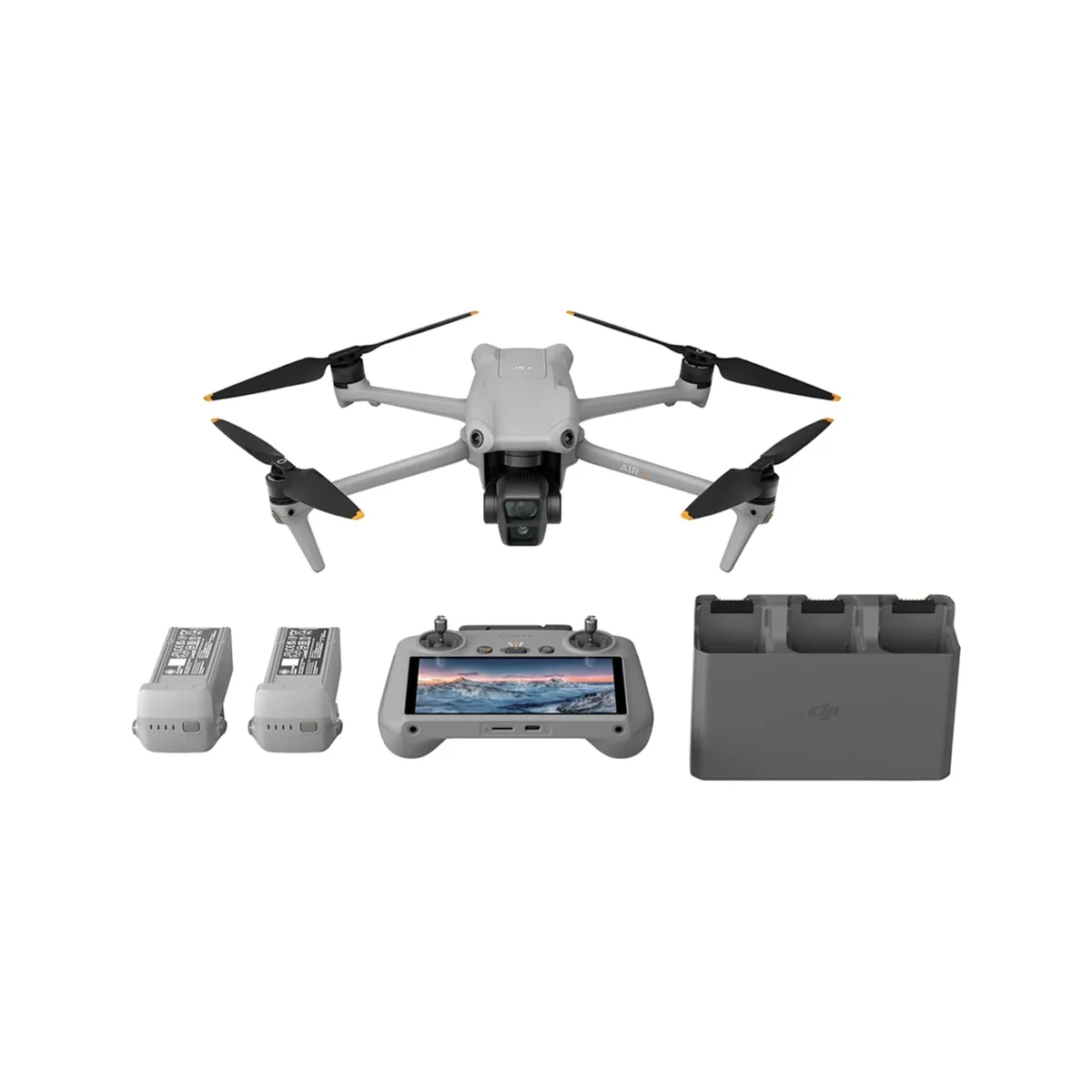
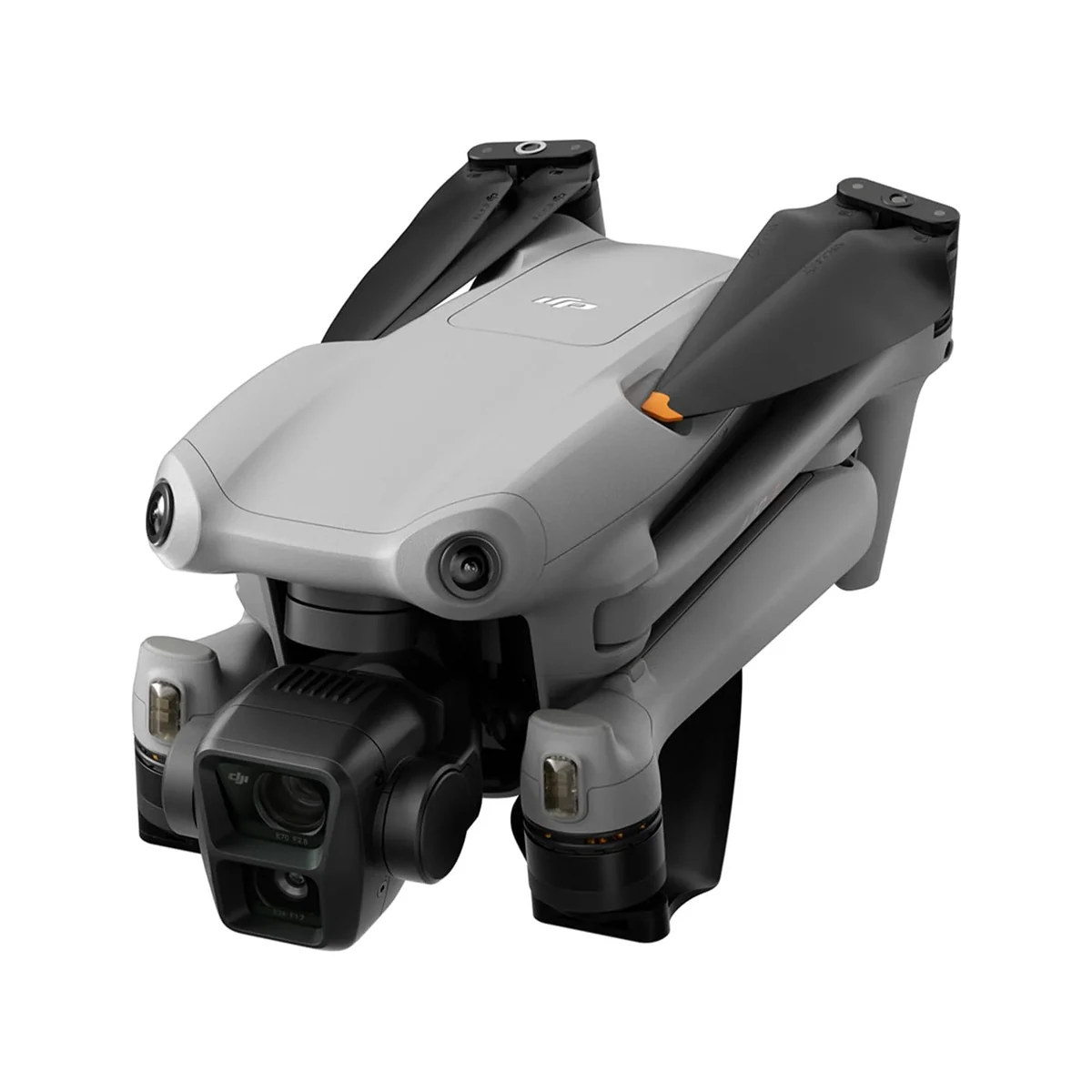
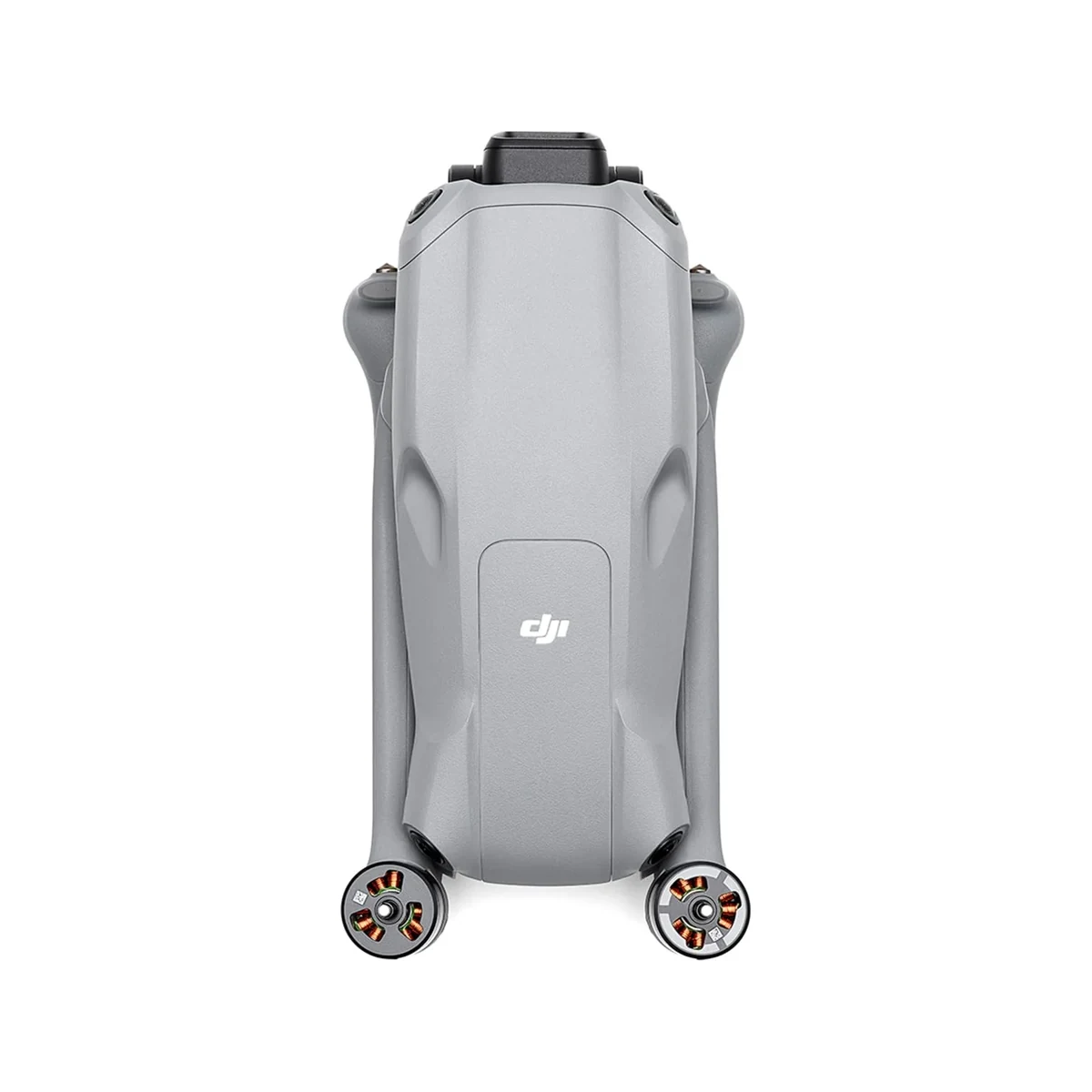
The DJI Air 3 features a sleek, foldable design that prioritizes both portability and durability. Constructed with high-grade composite materials and magnesium alloy reinforcements in the arms, the drone achieves an excellent strength-to-weight ratio while maintaining a premium tactile feel. At 720 grams, it folds down to a compact size that slips easily into most camera bags, making it an ideal travel companion for content creators who need professional capabilities without excessive bulk.
Ergonomics have been carefully considered throughout. The updated RC 2 controller sits comfortably in the hand during extended shooting sessions, with responsive Hall-effect joysticks and an integrated 5.5-inch bright display option that remains visible even in direct sunlight. The drone’s motors deploy with satisfying precision, and the overall build quality inspires confidence whether you’re shooting from coastal cliffs or navigating forest trails.
Weather resistance has seen meaningful improvements, with the Air 3 capable of handling light rain and moderate winds without compromising performance. The matte finish effectively reduces fingerprints and minor scratches, while the carefully placed sensors maintain clean lines without creating unnecessary protrusions that could affect aerodynamics.
Performance
In extensive real-world testing across diverse environments, the DJI Air 3 delivers exceptional stability and responsiveness that surpasses its predecessor. The O4 transmission system maintains a rock-solid connection with latency consistently below 90ms even at distances up to 10 kilometers in open areas. With a top speed of 21 m/s in Sport mode, the drone strikes an ideal balance between agility for creative shots and controlled flight characteristics suitable for precise cinematic movements.
Camera performance stands as the Air 3’s greatest strength. Both the 24mm wide and 70mm telephoto sensors capture detailed 48MP stills with excellent dynamic range exceeding 12.5 stops, allowing for significant flexibility in post-production. Video footage at 4K/60fps exhibits superb stabilization thanks to the upgraded RockSteady 3.0 system, while low-light performance remains impressive for 1/1.3-inch sensors with clean results up to ISO 6400. Battery life consistently reached 40+ minutes in moderate conditions, representing a noticeable improvement over previous Air series models.
Benchmark testing revealed superior wind resistance compared to similarly sized competitors, with the drone maintaining position in sustained 10 m/s winds. Subject tracking through ActiveTrack 5.0 proved remarkably reliable, even with fast-moving subjects and complex backgrounds, making the Air 3 particularly well-suited for sports and wildlife cinematography.
Features & Software
The dual primary camera system remains the headline feature, allowing instant switching between wide and telephoto perspectives without repositioning the drone. This capability transforms shooting workflows, enabling everything from sweeping landscape shots to compressed telephoto perspectives in a single flight. Omnidirectional obstacle avoidance, powered by an array of fisheye and ToF sensors, provides industry-leading safety that gives pilots confidence to focus on creativity rather than collision risks.
The DJI Fly app experience has been significantly refined for 2026, featuring a more intuitive interface, faster loading of intelligent flight modes, and improved battery optimization tools. Features like Waypoint 3.0, MasterShots, and the new FocusTrack system work seamlessly together, while over-the-air updates continue to enhance performance months after purchase.
Value Proposition
Priced competitively in the mid-range drone segment, the DJI Air 3 delivers outstanding value by incorporating professional features typically reserved for more expensive models. The dual-camera configuration effectively replaces the need for multiple specialized drones, while the 46-minute flight time reduces the necessity for carrying multiple batteries on location. For creators seeking to elevate their content without entering flagship pricing territory, few alternatives match this balance of capability and cost.
Compared to entry-level options, the Air 3 justifies its premium through superior image quality, safety systems, and transmission range that enable more ambitious shooting scenarios. Its longevity is further enhanced by DJI’s consistent firmware support, making it a sound long-term investment for both enthusiasts and semi-professional users.
How It Compares
Against the DJI Mini 4 Pro, the Air 3 offers significantly longer flight times, dual cameras with telephoto capability, and more robust transmission, though it sacrifices the Mini’s sub-249g weight classification that avoids registration requirements in many regions. The Mini 4 Pro remains preferable for ultra-portability and travel discretion, while the Air 3 feels more like a professional tool designed for serious output.
When compared to the Autel Evo Lite+, the Air 3 provides superior obstacle avoidance, a more polished software ecosystem through DJI Fly, and better color science straight out of camera. However, the Autel offers slightly larger sensors in some configurations, making the choice dependent on whether ecosystem integration or raw sensor size matters more to the user.
Pros and Cons
Pros
- Dual camera system provides exceptional versatility with seamless switching between wide and telephoto perspectives.
- Outstanding 46-minute flight time delivers reliable performance for extended shooting sessions.
- Omnidirectional obstacle avoidance offers industry-leading safety for confident flying in complex environments.
- Excellent 4K video quality with superb stabilization and dynamic range suitable for professional workflows.
- Refined DJI Fly app with intuitive controls and regular updates that enhance functionality over time.
Cons
- At 720g, the drone requires registration with aviation authorities in most countries, adding administrative overhead.
- Lacks a 1-inch sensor found in higher-end models, resulting in slightly compromised low-light performance.
- No internal storage means users must purchase and carry microSD cards for every shoot.
- The premium price point may feel steep for casual users or those not fully utilizing the dual-camera system.
- Occasional software glitches in beta intelligent flight modes require users to stay current with updates.
FAQ
Q: What is the maximum flight time of the DJI Air 3?
A: The DJI Air 3 offers up to 46 minutes of flight time under ideal conditions, with real-world performance typically delivering 38-42 minutes depending on flight style and environmental factors.
Q: Does the DJI Air 3 require registration?
A: Yes. At 720 grams, it exceeds the 250g threshold in most regions, requiring pilots to register with their local aviation authority and obtain appropriate certification.
Q: How do the dual cameras benefit users?
A: The dual 48MP sensors (24mm wide and 70mm telephoto) allow instant perspective switching without repositioning the drone, dramatically improving creative flexibility and workflow efficiency.
Q: Is the DJI Air 3 suitable for beginners?
A: It offers excellent safety features but its weight and capabilities make it better suited for intermediate pilots. Complete beginners may prefer starting with a lighter Mini series drone.
Q: Can the Air 3 be flown in light rain?
A: The drone offers improved weather resistance and can handle light rain, though DJI still recommends avoiding heavy precipitation to protect sensitive components.
Verdict
The DJI Air 3 is an outstanding choice for intermediate to advanced creators who need versatile dual-camera capabilities and extended flight times without the complexity of professional cinema drones. It excels for travel filmmakers, real estate photographers, and content creators who value both image quality and reliability in a single package. If you’re ready to move beyond basic consumer drones but aren’t prepared for flagship prices, the Air 3 represents one of the smartest investments available in 2026.
Pros
- ✓ Dual camera system provides exceptional versatility with seamless switching between wide and telephoto perspectives.
- ✓ Outstanding 46-minute flight time delivers reliable performance for extended shooting sessions.
- ✓ Omnidirectional obstacle avoidance offers industry-leading safety for confident flying in complex environments.
- ✓ Excellent 4K video quality with superb stabilization and dynamic range suitable for professional workflows.
- ✓ Refined DJI Fly app with intuitive controls and regular updates that enhance functionality over time.
Cons
- ✗ At 720g, the drone requires registration with aviation authorities in most countries, adding administrative overhead.
- ✗ Lacks a 1-inch sensor found in higher-end models, resulting in slightly compromised low-light performance.
- ✗ No internal storage means users must purchase and carry microSD cards for every shoot.
- ✗ The premium price point may feel steep for casual users or those not fully utilizing the dual-camera system.
- ✗ Occasional software glitches in beta intelligent flight modes require users to stay current with updates.
Where to Buy the DJI Air 3





Prices may vary. Affiliate links — we may earn a commission at no extra cost to you.
Related Reviews

Affiliate links — we may earn a commission at no extra cost to you.