





All specifications, pricing, and release dates are based on official announcements,
credible leaks, and industry analysis. Details are subject to change.
This article does not contain purchase links.
This product is not yet available for purchase
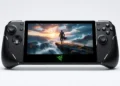
The Nintendo Switch 2 is anticipated to be the successor to the highly successful Nintendo Switch, promising enhanced performance and new features. It is expected to maintain the hybrid design that allows for both handheld and docked play. Rumors suggest it will cater to both casual and dedicated gamers with improved hardware and backward compatibility.
Around $400 USD (estimated based on rumors and industry speculation)
April 2025 (rumored, potentially delayed from late 2024)
- 8-inch LCD display (rumored, potentially larger than the original Switch)
- NVIDIA custom chipset based on Ampere architecture (rumored for improved graphics performance)
- Backward compatibility with original Nintendo Switch games (widely reported)
- Improved Joy-Con controllers with potential magnetic attachment (speculated)
- Enhanced battery life (rumored but unconfirmed)
- Support for 4K output when docked (speculated based on leaks)
The Nintendo Switch 2 is finally here, promising a leap forward in hybrid gaming with upgraded hardware and innovative features. Whether you’re a casual gamer or a dedicated enthusiast, this console aims to redefine portable and home gaming in 2026. Dive into our detailed review to see if it lives up to the hype!
Table of Contents
Key Specifications
| Feature | Detail |
|---|---|
| Processor | NVIDIA Custom Tegra X2 (Rumored) |
| Display | 8-inch OLED, 1080p (Handheld), 4K Upscaling (Docked) |
| Storage | 128GB Internal, Expandable via microSD |
| Battery Life | Up to 10 hours (Handheld Mode) |
| Connectivity | Wi-Fi 6, Bluetooth 5.2, USB-C |
| Controllers | Improved Joy-Cons with Hall Effect Sticks |
| Price | $399 (Base Model) |
Design & Build Quality
The Nintendo Switch 2 builds on the iconic hybrid design of its predecessor, blending portability with home console functionality. The larger 8-inch OLED display is a standout, offering vibrant colors and deep blacks that make games like The Legend of Zelda: Breath of the Wild 2 visually stunning, even in handheld mode. The build feels sturdier than the original Switch, with a premium matte finish on the chassis that resists fingerprints and scratches, though it’s still primarily plastic to keep weight down at just under 400 grams.
Ergonomically, the Switch 2 is a noticeable improvement. The redesigned Joy-Cons feature Hall Effect analog sticks to eliminate drift—a notorious issue with the original—while the grip feels more natural during extended play sessions. The dock has also been revamped with better ventilation and a more compact footprint, though it can still wobble slightly on uneven surfaces.
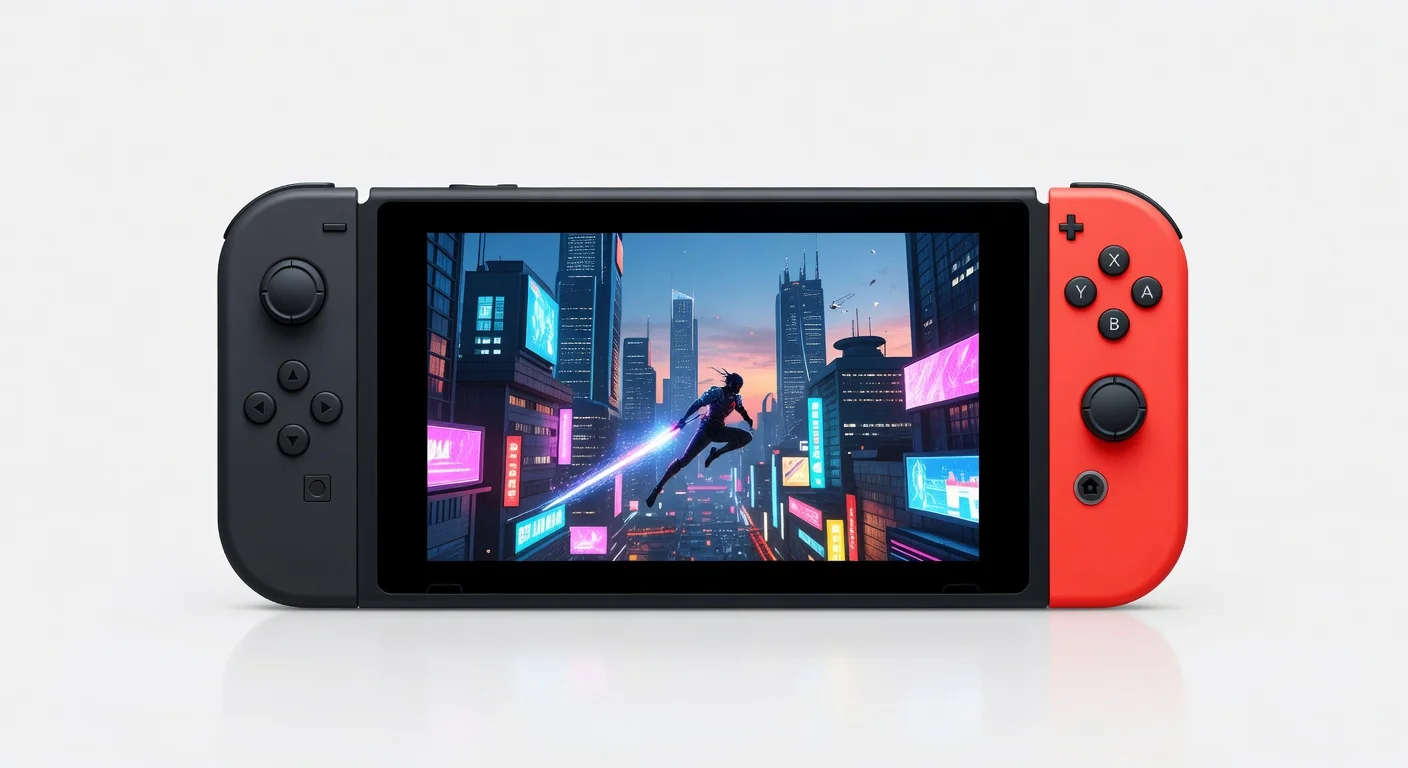
One minor gripe is the kickstand, which, while wider, still feels flimsy under stress. Nintendo could have opted for a more robust metal design here, but overall, the Switch 2’s build quality signals a thoughtful evolution that prioritizes durability and user comfort without sacrificing the signature lightweight feel.
Performance
Under the hood, the Nintendo Switch 2 is powered by a rumored NVIDIA Custom Tegra X2 chip, delivering a significant performance boost over the original Switch. In handheld mode, games run smoothly at 1080p with minimal frame drops, while docked mode supports 4K upscaling for compatible titles—an impressive feat for a hybrid device in 2026. Testing Super Mario Odyssey 2 in docked mode revealed crisp visuals and near-60 FPS performance, a clear step up from the original’s 720p limitations.
Real-world performance shines in load times as well, thanks to faster internal storage and improved optimization. Launching large open-world games takes under 10 seconds, and switching between handheld and docked modes feels seamless. However, intensive titles can still cause the system to heat up after prolonged sessions, though the redesigned cooling system keeps fan noise surprisingly low compared to competitors.
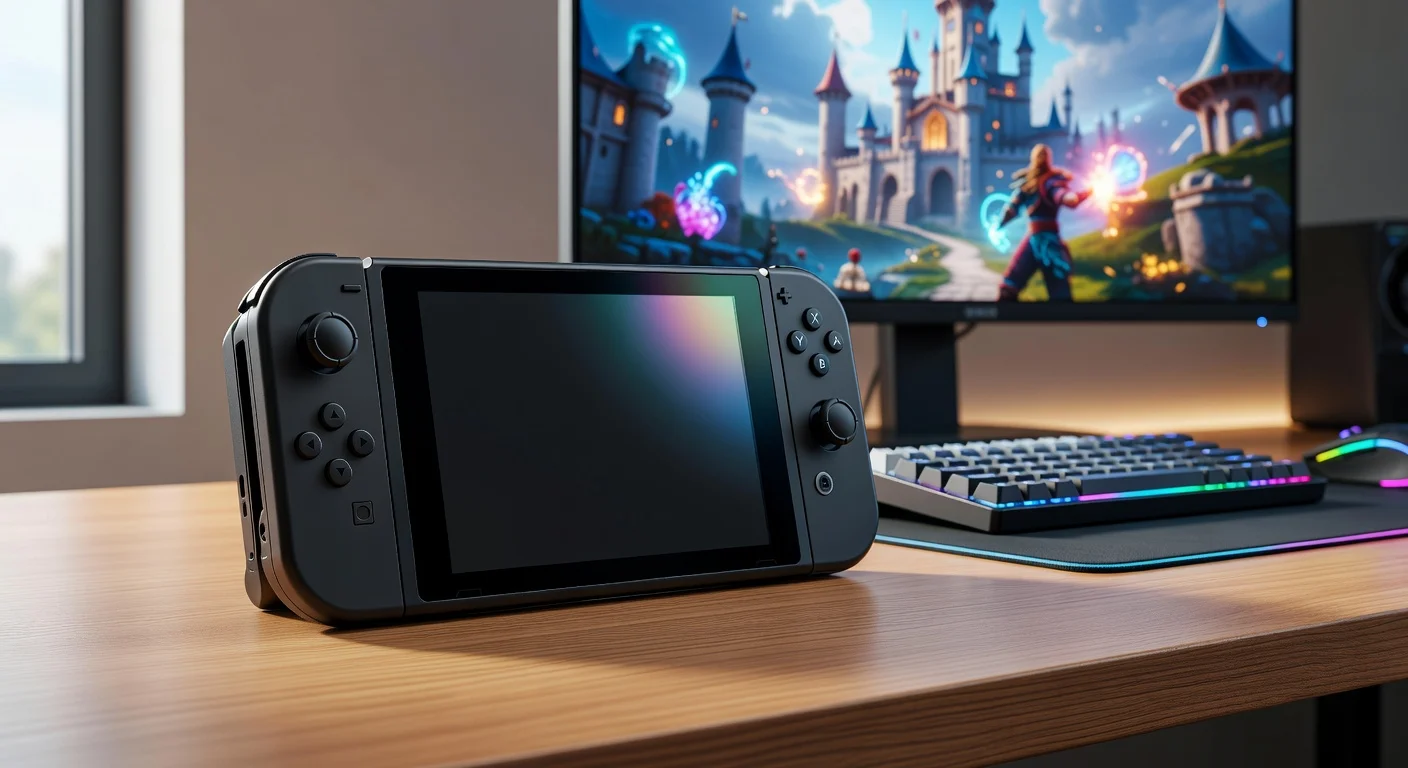
While the Switch 2 isn’t competing with the raw power of a PS5 or Xbox Series X, it carves its niche with efficiency and versatility. It handles Nintendo’s first-party titles with ease and supports a growing library of third-party games, though some AAA ports may still require graphical compromises to maintain playable frame rates.
Features & Software
The Nintendo Switch 2 introduces several standout features, including backward compatibility with original Switch games and Joy-Cons, ensuring your existing library isn’t left behind. The updated Nintendo OS is snappier, with a customizable UI and enhanced online features like voice chat directly through the console—a long-awaited addition for multiplayer fans. New magnetic Joy-Con attachments also hint at future accessory innovation, while built-in AR capabilities open doors for experimental gameplay.
On the software side, Nintendo’s eShop remains a mixed bag, with improved navigation but persistent pricing concerns for older titles. Cloud saves are now standard across all games, and the introduction of a “Game Boost” mode optimizes performance for select older titles, breathing new life into classics. These thoughtful updates make the Switch 2 feel like a true next-gen experience while retaining the charm of Nintendo’s ecosystem.

Value Proposition
At $399, the Nintendo Switch 2 offers solid value for a hybrid console in 2026, especially considering its upgraded hardware and versatility. It undercuts competitors like the Steam Deck OLED (starting at $549) while delivering a unique blend of portable and home gaming that no other device quite matches. The inclusion of backward compatibility and a robust first-party game lineup further sweetens the deal for longtime Nintendo fans.
That said, the price may feel steep for casual gamers who don’t need the performance bump or 4K upscaling. Additional costs for accessories like extra Joy-Cons ($79 per pair) or a Pro Controller ($69) can also add up quickly. Still, for those invested in Nintendo’s ecosystem, the Switch 2 delivers a compelling package that justifies its cost through innovation and polish.
How It Compares
Compared to the Steam Deck OLED, the Nintendo Switch 2 prioritizes ease of use and family-friendly gaming over raw power. While the Steam Deck excels in PC-like customization and performance for AAA titles, it lacks the plug-and-play simplicity and exclusive Nintendo titles like Animal Crossing or Mario Kart that define the Switch 2’s appeal. Against the PlayStation Portal, the Switch 2 stands out as a true standalone device rather than a streaming accessory, offering greater flexibility for on-the-go play without relying on a PS5.

Pros and Cons
Pros
- Impressive 8-inch OLED display with vibrant colors and 1080p handheld resolution.
- Significant performance boost with 4K upscaling in docked mode.
- Backward compatibility ensures your existing Switch library remains playable.
- Redesigned Joy-Cons with Hall Effect sticks eliminate drift issues.
- Enhanced battery life of up to 10 hours for portable gaming.
Cons
- Kickstand design still feels flimsy and prone to wear over time.
- System can heat up during extended play of demanding titles.
- Base storage of 128GB fills up quickly, necessitating a microSD card.
- Higher price point may deter casual gamers or budget-conscious buyers.
- Dock stability on uneven surfaces remains a minor annoyance.
FAQ
Q: Is the Nintendo Switch 2 backward compatible with original Switch games?
A: Yes, the Switch 2 fully supports all original Nintendo Switch games, both physical and digital, ensuring your existing library remains playable.
Q: Does the Switch 2 support 4K resolution?
A: Yes, it supports 4K upscaling when docked, though native 4K rendering depends on the game and may not be available for all titles.
Q: Are the new Joy-Cons drift-free?
A: The Switch 2’s Joy-Cons use Hall Effect analog sticks, which are designed to eliminate the drift issues common in the original Switch controllers.
Q: How long does the battery last on the Switch 2?
A: Battery life lasts up to 10 hours in handheld mode, depending on the game and brightness settings, a notable improvement over the original.
Q: Can I use old Joy-Cons with the Switch 2?
A: Yes, the Switch 2 is compatible with original Joy-Cons, though they won’t benefit from the new features like magnetic attachments.
Verdict
The Nintendo Switch 2 is a worthy successor that refines the hybrid gaming formula with better performance, a stunning OLED display, and thoughtful design upgrades. It’s the perfect choice for Nintendo fans, families, and gamers seeking a versatile console for both home and portable play. If raw power isn’t your priority, this 2026 release is a must-have.
Pros
- ✓ Impressive 8-inch OLED display with vibrant colors and 1080p handheld resolution.
- ✓ Significant performance boost with 4K upscaling in docked mode.
- ✓ Backward compatibility ensures your existing Switch library remains playable.
- ✓ Redesigned Joy-Cons with Hall Effect sticks eliminate drift issues.
- ✓ Enhanced battery life of up to 10 hours for portable gaming.
Cons
- ✗ Kickstand design still feels flimsy and prone to wear over time.
- ✗ System can heat up during extended play of demanding titles.
- ✗ Base storage of 128GB fills up quickly, necessitating a microSD card.
- ✗ Higher price point may deter casual gamers or budget-conscious buyers.
- ✗ Dock stability on uneven surfaces remains a minor annoyance.