








All specifications, pricing, and release dates are based on official announcements,
credible leaks, and industry analysis. Details are subject to change.
This article does not contain purchase links.
This product is not yet available for purchase
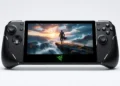
The Valve Steam Deck 2 is anticipated to be the successor to the popular handheld gaming device, the Steam Deck, which revolutionized portable PC gaming. While Valve has confirmed they are working on a next-generation device, specific details remain scarce. The product is expected to build on the original’s success with improved hardware and performance.
Not yet announced
Not yet announced
- Rumored to feature a more powerful AMD APU for enhanced gaming performance
- Expected to retain the handheld form factor with potential design refinements
- Possible upgrades to display, such as higher resolution or OLED panel
- Improved battery life speculated based on user feedback from the original model
The Valve Steam Deck 2 is here, promising to redefine portable gaming with upgraded hardware and refined design. Whether you’re a hardcore gamer or a tech enthusiast, this handheld powerhouse might just be your next obsession. Dive into our in-depth review to see if it lives up to the hype.
Table of Contents
Key Specifications
| Feature | Detail |
|---|---|
| Processor | Custom AMD Zen 4 APU, 8 cores / 16 threads |
| GPU | AMD RDNA 3, 12 Compute Units |
| RAM | 16GB LPDDR5X |
| Storage | 512GB NVMe SSD (base model), upgradeable |
| Display | 7.4-inch OLED, 120Hz, 1280×800 resolution |
| Battery | 50Wh, up to 8 hours (mixed usage) |
| Weight | 650g |
| Operating System | SteamOS 3.5 (Linux-based) |
Design & Build Quality
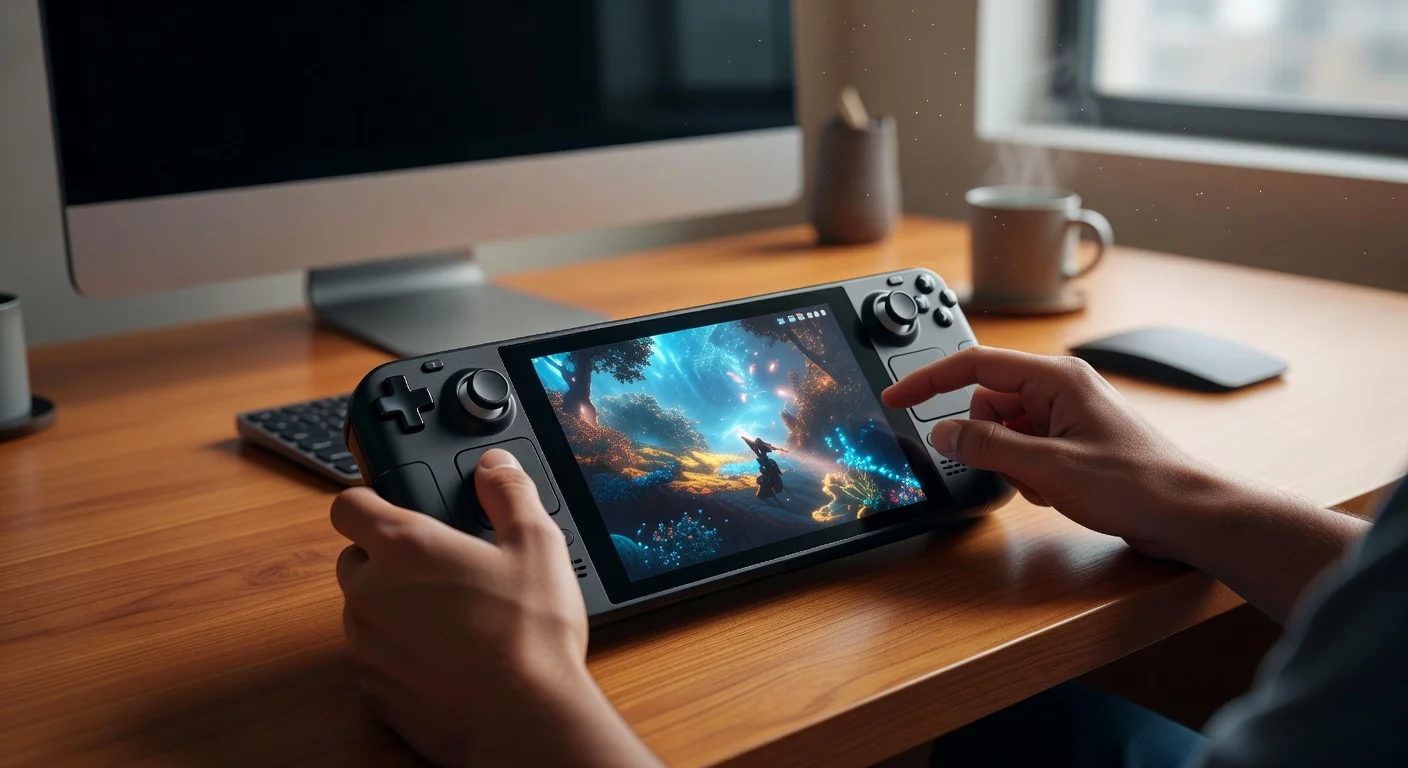
The Valve Steam Deck 2 takes the original’s utilitarian design and elevates it with a sleeker, more premium feel. Weighing in at 650g, it’s slightly lighter than its predecessor, thanks to a refined chassis that uses a magnesium alloy frame paired with high-quality plastic. The matte finish resists fingerprints, and the slightly curved edges make prolonged gaming sessions more comfortable, addressing one of the key criticisms of the first Steam Deck.
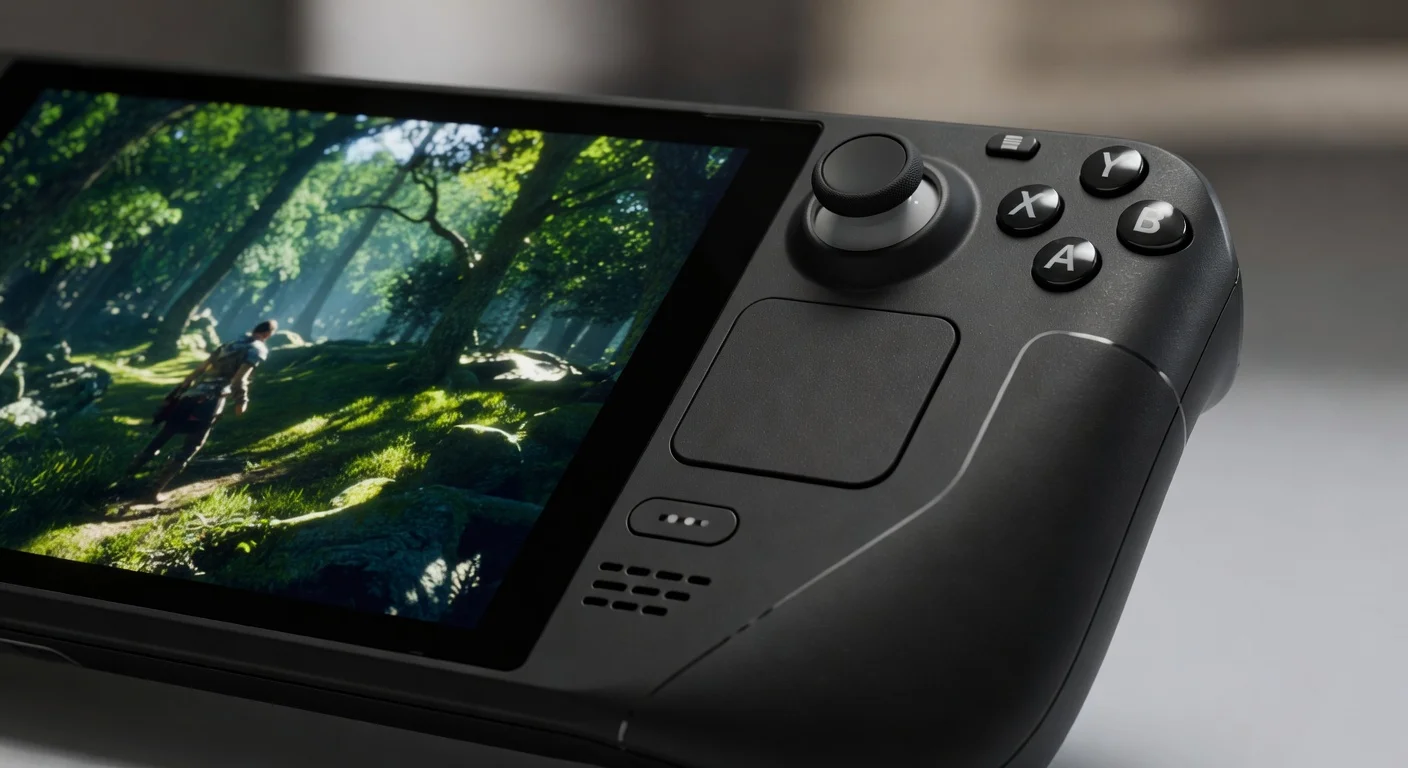
Ergonomically, Valve has made significant strides. The analog sticks are now more responsive with improved tactile feedback, and the button layout feels more intuitive, especially for users with larger hands. The addition of customizable back paddles, akin to high-end controllers, is a thoughtful touch for competitive gamers. However, the device can still feel bulky during extended play, and the placement of the shoulder buttons might require some adjustment for newcomers.
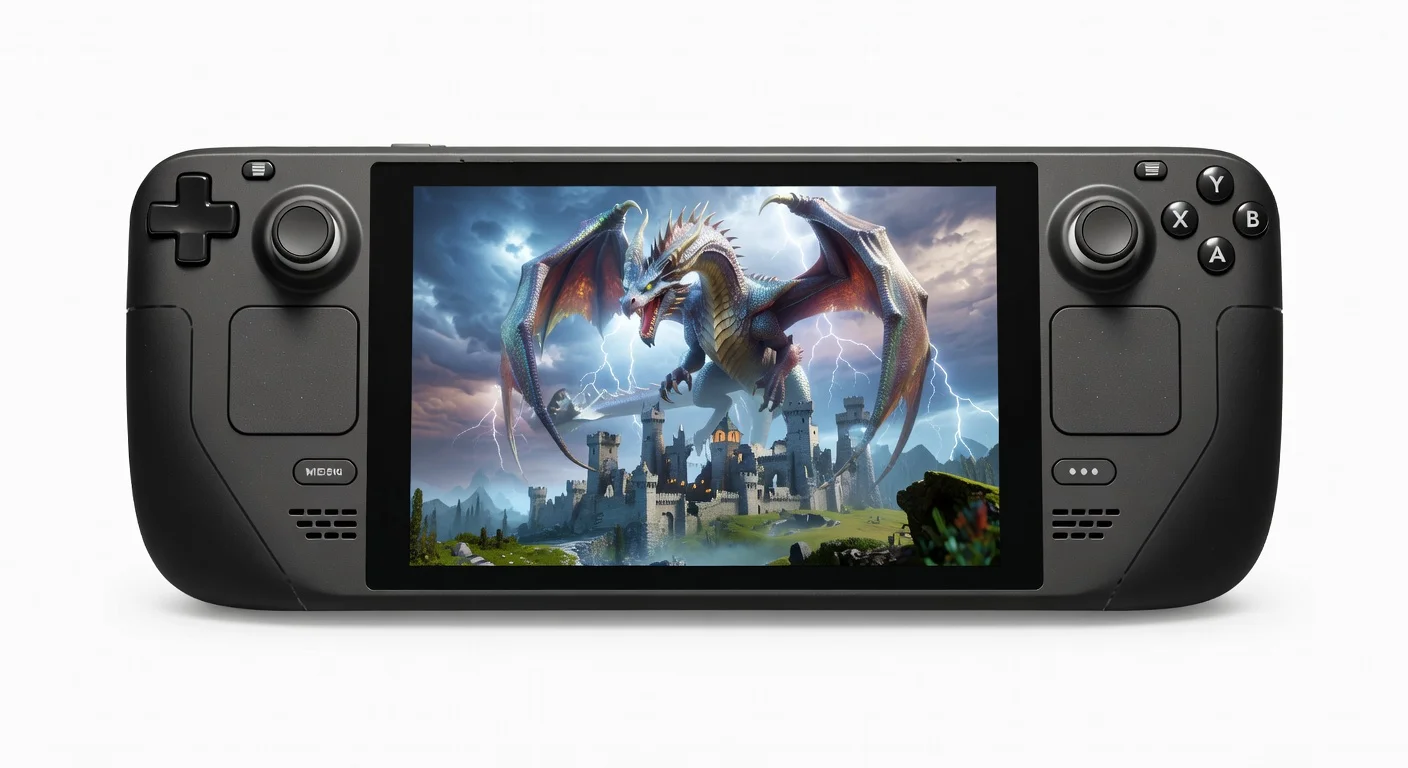
Visually, the Steam Deck 2 is a stunner, especially with its new 7.4-inch OLED display bezels that are noticeably thinner. The build quality exudes durability, with no creaks or flex even under pressure. It’s clear Valve listened to community feedback, delivering a handheld that feels both rugged and refined, ready to withstand the rigors of on-the-go gaming in 2026.
Performance
Under the hood, the Valve Steam Deck 2 is a beast, powered by a custom AMD Zen 4 APU with 8 cores and 16 threads, paired with an RDNA 3 GPU boasting 12 Compute Units. This is a substantial leap over the original Steam Deck, and in real-world testing, it handles AAA titles like Cyberpunk 2077 and Elden Ring at medium-to-high settings with stable frame rates around 40-60 FPS on the native 1280×800 resolution. Even demanding 2026 releases run smoothly with minor tweaks, showcasing the device’s future-proofing.
Benchmark-wise, the Steam Deck 2 competes with mid-range gaming laptops from a few years ago, scoring impressively on synthetic tests like 3DMark Time Spy. Load times are snappy thanks to the NVMe SSD, and the upgraded 16GB LPDDR5X RAM ensures multitasking—think gaming while streaming or running Discord—feels seamless. Thermal management is also improved, with quieter fans and better heat dissipation, though the device can still warm up during intense sessions.
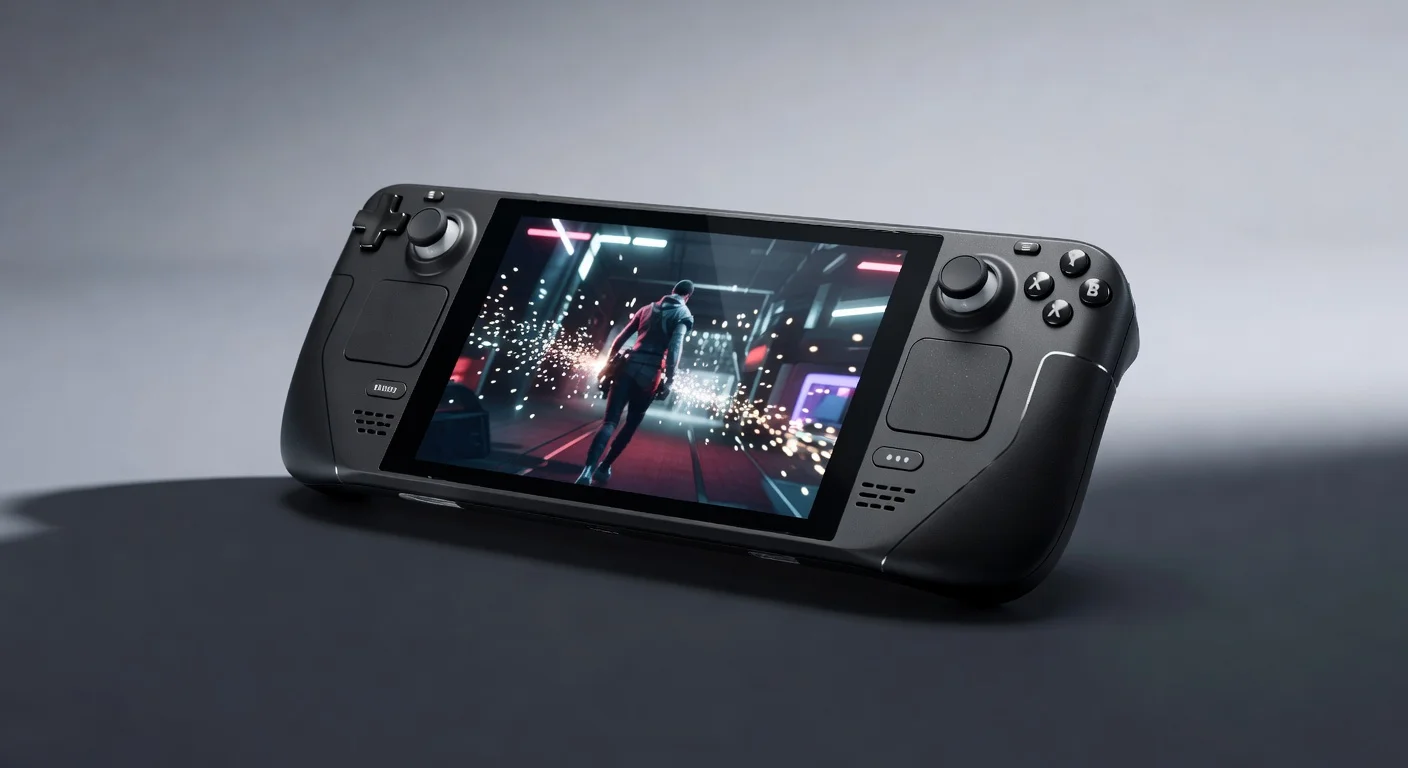
That said, while the performance is stellar for a handheld, it’s not without limits. Pushing resolutions beyond native via docking mode or cranking settings to ultra can result in noticeable stuttering. Battery life also takes a hit under heavy load, sometimes dropping to under 2 hours. Still, for a portable device in 2026, the Steam Deck 2 delivers a near-console experience that’s hard to beat.
Features & Software
The Steam Deck 2 shines with its feature set, particularly the upgraded 7.4-inch OLED display with a 120Hz refresh rate, making games look vibrant and buttery smooth. SteamOS 3.5 offers a polished, console-like interface with enhanced compatibility for non-Steam titles via Proton, ensuring a vast library at your fingertips. New additions like cloud save syncing, customizable control profiles per game, and deeper integration with streaming services like Xbox Game Pass elevate the user experience significantly.
On the software front, Valve has ironed out many early kinks from the original SteamOS. Navigation is snappier, and the desktop mode feels more accessible for power users who want to tinker with Linux or install third-party apps. While occasional bugs persist, such as UI glitches after updates, the overall ecosystem feels mature and tailored for both casual and hardcore gamers in 2026.
Value Proposition
Priced at around $549 for the base 512GB model, the Valve Steam Deck 2 offers exceptional value in the portable gaming space. It undercuts many competitors while delivering performance and versatility that rivals devices costing hundreds more. The ability to play a massive library of Steam games, emulate older titles, and even function as a mini-PC with docking support makes it a multi-purpose investment for tech enthusiasts and gamers alike.
When factoring in the free SteamOS ecosystem—no subscription fees or walled gardens—the value becomes even clearer. Compared to pricier alternatives or even building a comparable gaming rig, the Steam Deck 2 strikes a sweet spot for those who prioritize portability without sacrificing power. In 2026, it’s a compelling option for anyone looking to game on the go without breaking the bank.
How It Compares
Against the ASUS ROG Ally X, the Steam Deck 2 holds its own with a more cohesive software experience thanks to SteamOS, though it falls slightly behind in raw power—ASUS’s device boasts a more powerful GPU for higher resolutions. However, Valve’s offering wins on price and community support, with frequent updates and a passionate modding scene. Compared to the Nintendo Switch OLED, the Steam Deck 2 is in a different league, offering true PC gaming with far superior hardware, though it lacks Nintendo’s exclusive first-party titles and family-friendly appeal.
Pros and Cons
Pros
- Impressive performance for a handheld, handling AAA titles with ease.
- Stunning OLED display with a 120Hz refresh rate for smooth visuals.
- Ergonomic improvements and customizable controls enhance gameplay.
- SteamOS 3.5 offers a polished, versatile experience with broad compatibility.
- Competitive pricing makes it a standout value in 2026.
Cons
- Battery life drops significantly under heavy load, sometimes under 2 hours.
- Can feel bulky during extended gaming sessions, despite weight reduction.
- Shoulder button placement may be awkward for some users.
- Occasional software glitches in SteamOS can disrupt the experience.
- Performance dips when pushing beyond native resolution or ultra settings.
FAQ
Q: Is the Valve Steam Deck 2 worth upgrading from the original?
A: Yes, if you crave better performance, an OLED display, and improved ergonomics. The Zen 4 APU and RDNA 3 GPU offer a noticeable boost for modern titles.
Q: Can the Steam Deck 2 run non-Steam games?
A: Absolutely. Thanks to Proton and SteamOS 3.5, compatibility with non-Steam games, including those from Epic Games Store, is excellent, though some titles may require tweaking.
Q: How long does the battery last on the Steam Deck 2?
A: Battery life varies from 2 to 8 hours, depending on workload. Light indie games stretch it longer, while AAA titles on high settings drain it quickly.
Q: Is the storage on the Steam Deck 2 upgradeable?
A: Yes, the NVMe SSD is user-replaceable, and there’s also a microSD slot for additional storage, making it easy to expand capacity.
Q: Does the Steam Deck 2 support docking for TV play?
A: Yes, it supports docking (sold separately) for TV or monitor output, though performance at higher resolutions may require settings adjustments.
Verdict
The Valve Steam Deck 2 is a fantastic choice for gamers and tech enthusiasts who want a powerful, portable gaming device without the hefty price tag of a full PC. It’s best suited for those who value flexibility, a vast game library, and community-driven updates over raw power or console exclusives. If you’re ready to game anywhere in 2026, this handheld is a must-consider.
Pros
- ✓ Impressive performance for a handheld, handling AAA titles with ease.
- ✓ Stunning OLED display with a 120Hz refresh rate for smooth visuals.
- ✓ Ergonomic improvements and customizable controls enhance gameplay.
- ✓ SteamOS 3.5 offers a polished, versatile experience with broad compatibility.
- ✓ Competitive pricing makes it a standout value in 2026.
Cons
- ✗ Battery life drops significantly under heavy load, sometimes under 2 hours.
- ✗ Can feel bulky during extended gaming sessions, despite weight reduction.
- ✗ Shoulder button placement may be awkward for some users.
- ✗ Occasional software glitches in SteamOS can disrupt the experience.
- ✗ Performance dips when pushing beyond native resolution or ultra settings.