



Discover the Canon EOS R6 Mark III, a powerhouse mirrorless camera that redefines speed and precision for photographers in 2026. Whether you’re a professional or an enthusiast, this camera promises cutting-edge tech and stunning image quality. Dive into our in-depth review to see if it’s worth the hype!
Table of Contents
Key Specifications
| Feature | Detail |
|---|---|
| Sensor | 24.2 MP Full-Frame CMOS |
| Processor | DIGIC X (Latest Gen) |
| ISO Range | 100-102,400 (Expandable to 204,800) |
| Autofocus | Dual Pixel CMOS AF III with 1053 AF Points |
| Continuous Shooting | Up to 20 fps (Electronic), 12 fps (Mechanical) |
| Video | 8K 30p, 4K 120p (No Crop) |
| Display | 3.2-inch Vari-Angle Touchscreen, 2.1M Dots |
| Battery Life | Approx. 450 Shots (CIPA Standard) |
Design & Build Quality
The Canon EOS R6 Mark III sports a refined design that builds on the success of its predecessors while introducing subtle yet impactful improvements. Crafted from a durable magnesium alloy, the body feels robust yet lightweight at just 670g (including battery and card). The weather-sealing is top-notch, offering protection against dust and moisture, making it a reliable companion for outdoor shoots in unpredictable conditions.
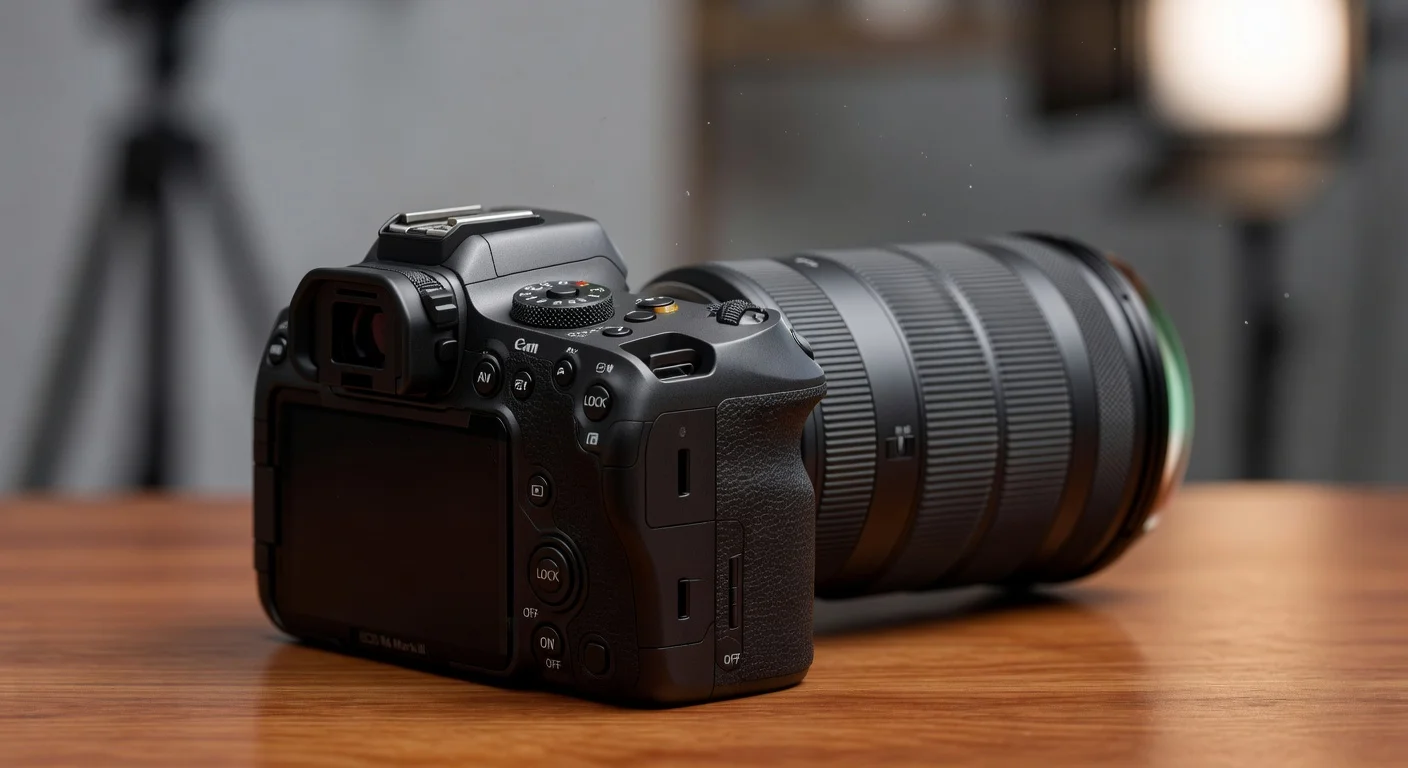
Ergonomically, Canon has nailed it with a deeper grip that ensures a secure hold, even during long sessions. The button layout is intuitive, with customizable controls that cater to both seasoned pros and newcomers transitioning from DSLRs. The fully articulating touchscreen is a boon for vloggers and creatives shooting from unconventional angles, though some might find the EVF’s resolution (3.69M dots) slightly underwhelming compared to competitors in 2026.
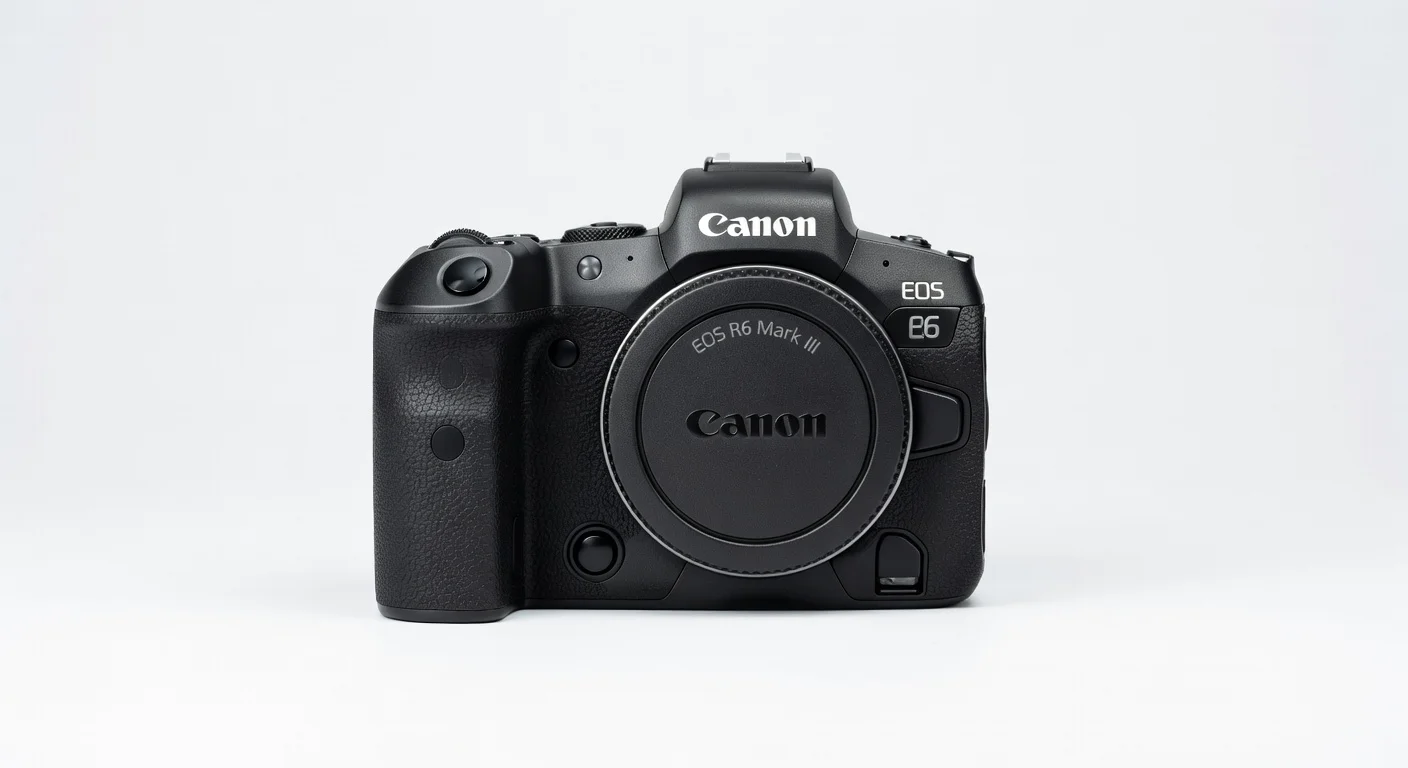
Overall, the build quality exudes premium craftsmanship, striking a balance between portability and durability. Whether you’re shooting weddings or wildlife, the R6 Mark III feels like an extension of your hand, though hardcore videographers might wish for a slightly larger body to accommodate extended accessories.
Performance
When it comes to performance, the Canon EOS R6 Mark III is a beast. Powered by the latest DIGIC X processor, it delivers lightning-fast processing speeds, whether you’re capturing rapid bursts at 20 fps or recording 8K video. The autofocus system, featuring Dual Pixel CMOS AF III, is nothing short of revolutionary, with 1053 AF points covering nearly 100% of the frame. Eye-detection for humans, animals, and even vehicles is uncannily accurate, locking focus in split seconds even in low-light conditions down to -6.5 EV.
In real-world testing, the camera shines in dynamic scenarios. Burst shooting at 20 fps with continuous AF tracked fast-moving subjects like birds in flight with impressive precision, rarely missing a frame. Low-light performance is equally stellar, with minimal noise up to ISO 25,600, making it a go-to for night photography or indoor events. However, battery life could be a bottleneck during intensive shoots, as it drains faster than expected under heavy video workloads.
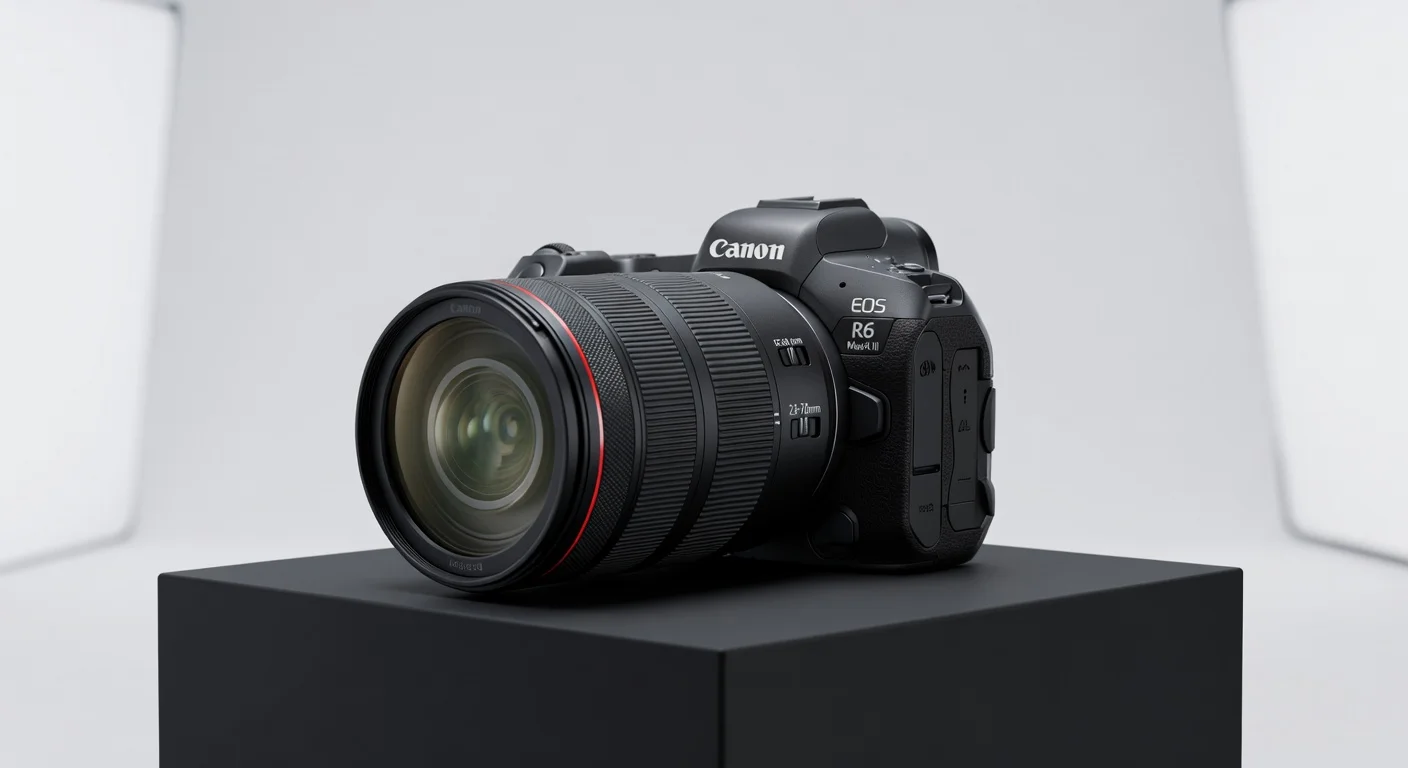
Benchmark-wise, the R6 Mark III competes with the best in its class for 2026, outperforming many in AF speed and buffer capacity (up to 240 RAW images in a single burst). It’s a camera that doesn’t just keep up with demanding workflows—it sets the pace, though power-hungry users might need spare batteries on hand.
Features & Software
The Canon EOS R6 Mark III is packed with cutting-edge features that cater to both photographers and videographers. Standout capabilities include 8K 30p video recording with no crop, 4K 120p for silky-smooth slow motion, and advanced in-body image stabilization (IBIS) offering up to 8 stops of correction with compatible lenses. The AI-driven subject tracking is a game-changer, seamlessly switching between subjects, while Wi-Fi 6 and Bluetooth 5.0 ensure lightning-fast file transfers and remote control via Canon’s Camera Connect app.
On the software front, the camera’s menu system is user-friendly, with customizable tabs for quick access to frequently used settings. Firmware updates in 2026 have further refined the experience, adding features like direct cloud uploads and enhanced post-processing tools in-camera. Whether you’re a content creator or a studio pro, the R6 Mark III’s feature set feels future-proof, though some might lament the absence of a dedicated second card slot for CFexpress Type A.
Value Proposition
Priced at around $2,799 (body only) in 2026, the Canon EOS R6 Mark III sits in the upper-midrange segment of mirrorless cameras, offering a compelling blend of performance and features for the cost. Compared to full-frame rivals, it delivers pro-grade specs like 8K video and 20 fps shooting at a price point that undercuts many flagship models, making it an attractive option for hybrid shooters who need versatility without breaking the bank.
That said, the value depends on your needs. If you’re upgrading from an older R-series model or a DSLR, the leap in autofocus and video capabilities justifies the investment. However, budget-conscious buyers might find similarly priced alternatives with longer battery life or additional card slots. Overall, the R6 Mark III offers excellent bang for the buck, especially for Canon loyalists invested in RF-mount lenses.
How It Compares
Against the Sony A7 IV (2026 refresh), the Canon EOS R6 Mark III holds its own with superior autofocus tracking and a more intuitive user interface, though Sony edges out slightly in dynamic range and EVF resolution. Compared to the Nikon Z6 III, Canon’s video features, especially 8K recording, are a clear win, but Nikon offers better battery endurance and a more robust dual-card slot system. While all three cameras target hybrid creators, the R6 Mark III stands out for its balance of speed and video prowess, making it a top pick for fast-paced shoots.

Pros and Cons
Pros
- Exceptional autofocus with AI-driven subject tracking that rarely misses.
- Impressive 8K video recording and 4K 120p for professional-grade footage.
- Lightweight, weather-sealed build ideal for on-the-go photographers.
- High-speed 20 fps shooting perfect for action and wildlife photography.
- Fully articulating touchscreen enhances creative shooting angles.
Cons
- Battery life struggles during extended video recording or burst shooting.
- EVF resolution feels slightly dated compared to 2026 competitors.
- Single CFexpress B card slot may limit redundancy for pros needing dual storage.
- Price point, while competitive, might deter budget-conscious buyers.
- Lack of a dedicated second card slot for alternative formats like CFexpress Type A.
FAQ
Q: Is the Canon EOS R6 Mark III good for video?
A: Absolutely, it excels with 8K 30p and 4K 120p recording, no crop, and robust stabilization, making it ideal for professional videography.
Q: How does the autofocus perform in low light?
A: The Dual Pixel CMOS AF III performs exceptionally well down to -6.5 EV, ensuring accurate focus even in near-dark conditions.
Q: Is it worth upgrading from the R6 Mark II?
A: If you need 8K video, faster AF, and improved IBIS, the upgrade is worthwhile; otherwise, the Mark II remains a solid choice.
Q: Does it support third-party lenses?
A: Yes, with Canon’s RF mount, many third-party lenses are compatible, though performance may vary compared to native RF lenses.
Q: What’s the battery life like for stills vs. video?
A: Battery life is decent for stills at around 450 shots (CIPA), but it drains significantly faster during 8K or 4K video recording.
Verdict
The Canon EOS R6 Mark III is a stellar choice for hybrid shooters, wedding photographers, and content creators who demand speed, precision, and top-tier video capabilities. It’s best suited for those invested in the Canon ecosystem or seeking a versatile full-frame mirrorless camera in 2026. If battery life isn’t a dealbreaker, this camera is a worthy investment.
Pros
- ✓ Exceptional autofocus with AI-driven subject tracking that rarely misses.
- ✓ Impressive 8K video recording and 4K 120p for professional-grade footage.
- ✓ Lightweight, weather-sealed build ideal for on-the-go photographers.
- ✓ High-speed 20 fps shooting perfect for action and wildlife photography.
- ✓ Fully articulating touchscreen enhances creative shooting angles.
Cons
- ✗ Battery life struggles during extended video recording or burst shooting.
- ✗ EVF resolution feels slightly dated compared to 2026 competitors.
- ✗ Single CFexpress B card slot may limit redundancy for pros needing dual storage.
- ✗ Price point, while competitive, might deter budget-conscious buyers.
- ✗ Lack of a dedicated second card slot for alternative formats like CFexpress Type A.
Where to Buy the Canon EOS R6 Mark III





Prices may vary. Affiliate links — we may earn a commission at no extra cost to you.
Related Reviews

Affiliate links — we may earn a commission at no extra cost to you.