









Dive into our in-depth review of the Fujifilm X-T50, a compact mirrorless camera that blends retro charm with cutting-edge tech. Discover its stunning image quality, innovative features, and whether it’s the right fit for your photography needs in 2026.
Table of Contents
Key Specifications
| Feature | Detail |
|---|---|
| Sensor | 40.2MP APS-C X-Trans CMOS 5 HR |
| Image Stabilization | Up to 7 stops IBIS |
| Video | 6.2K/30p, 4K/60p with 10-bit color |
| ISO Range | 125-12,800 (expandable to 64-51,200) |
| Autofocus | AI-driven subject detection with 425 points |
| Weight | 438g (with battery and SD card) |
| Price | $1,399 (body only) |
Design & Build Quality
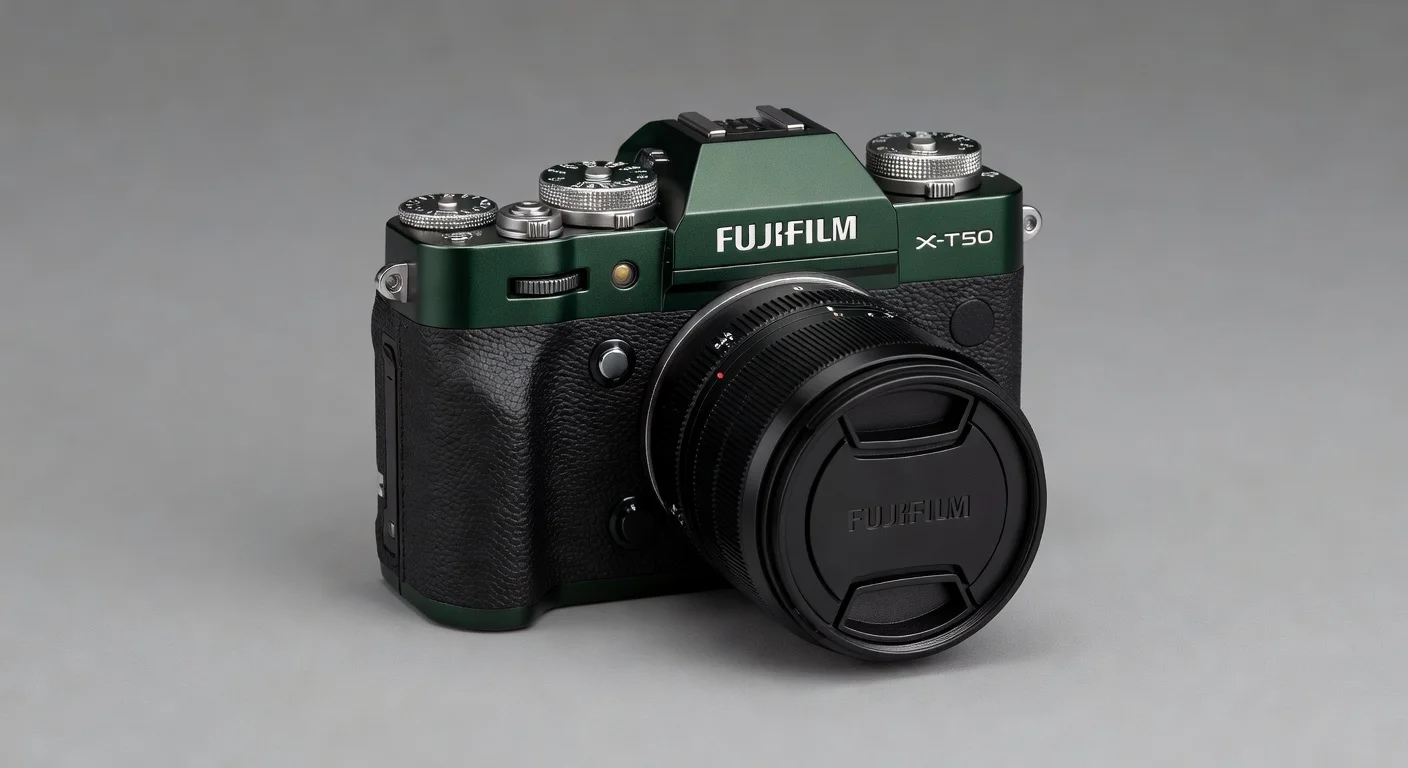
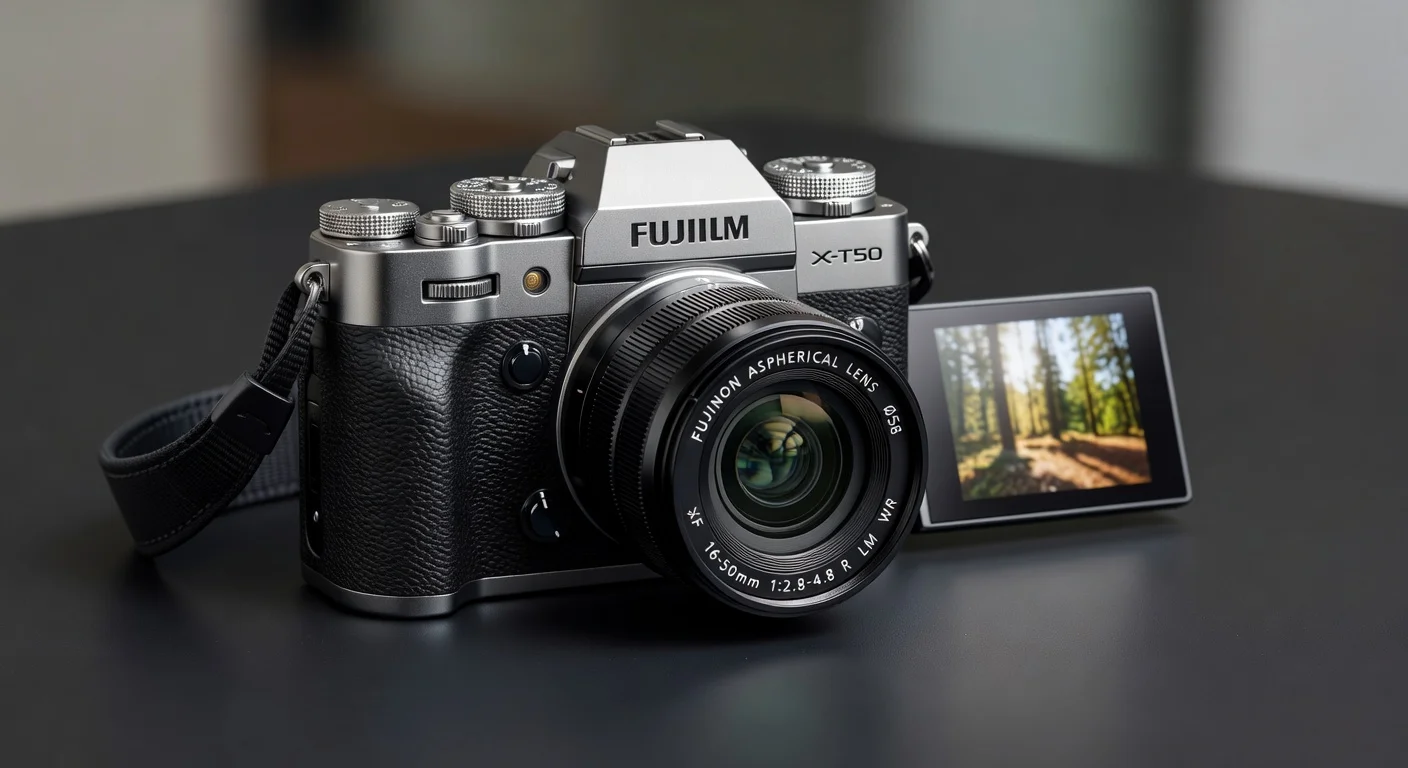
The Fujifilm X-T50 is a masterclass in blending vintage aesthetics with modern functionality, a signature of Fujifilm’s X-series lineup. Weighing just 438 grams, it’s incredibly portable, making it an ideal companion for street photographers and travel enthusiasts. The retro-inspired design, complete with tactile dials for shutter speed, exposure compensation, and ISO, evokes a nostalgic charm while offering quick, hands-on control. Available in silver, black, and a new charcoal gray for 2026, its magnesium alloy top and bottom plates ensure durability without compromising on style.
Ergonomically, the X-T50 feels comfortable in hand, though its compact size might be a slight challenge for users with larger hands during extended shoots. The grip is subtle yet effective, and the customizable buttons allow for a tailored shooting experience. The weather-resistant build (when paired with WR lenses) adds confidence for outdoor use, though it’s not as rugged as some higher-end models in Fujifilm’s lineup. The 3-inch tilting touchscreen is crisp and responsive, paired with a high-resolution EVF that offers a clear, lag-free view even in bright conditions.
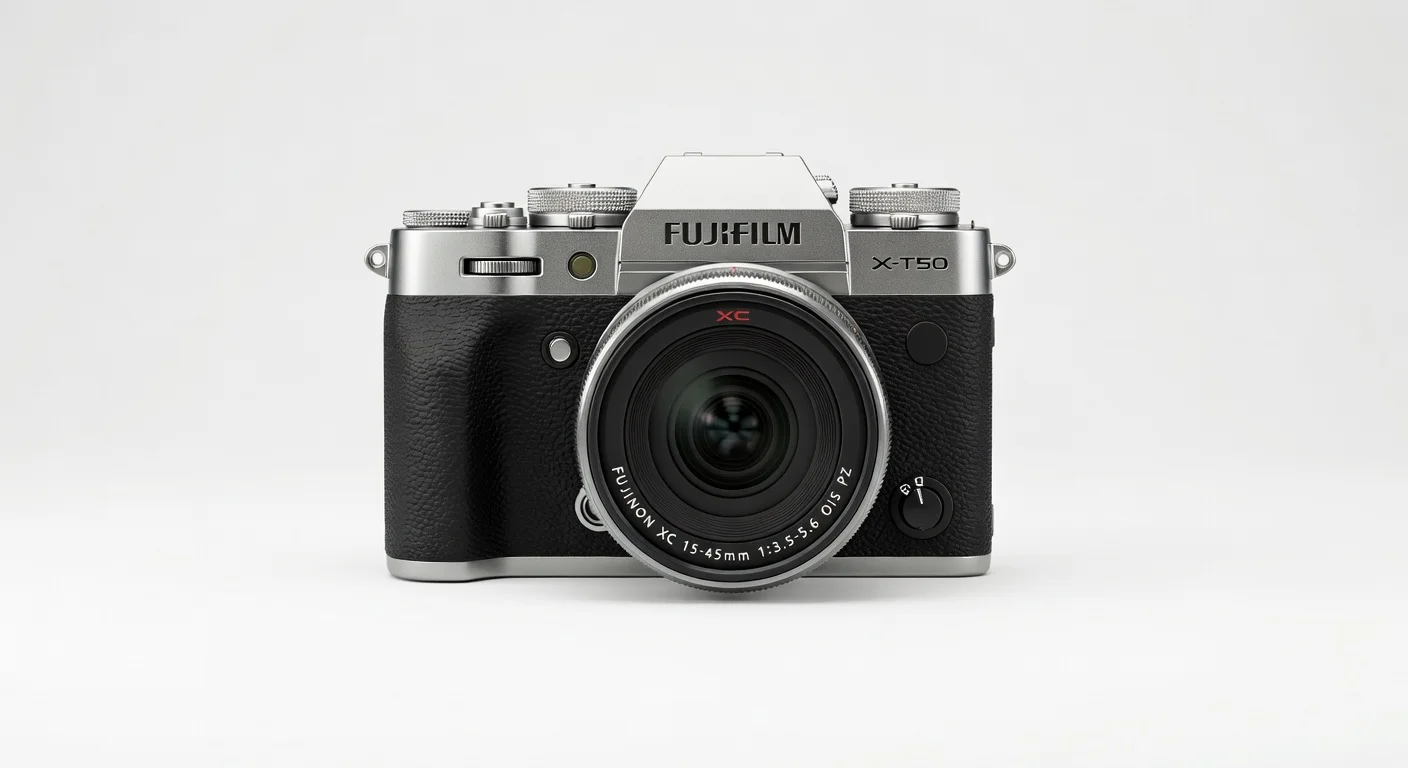
Overall, the design prioritizes portability and usability, striking a balance between form and function. It’s a camera that feels as good as it looks, appealing to both hobbyists and pros who value a lightweight, stylish tool. Fujifilm has clearly iterated on feedback from the X-T40, refining the layout for better accessibility without losing the iconic X-series DNA.
Performance
When it comes to performance, the Fujifilm X-T50 punches well above its weight, thanks to the 40.2MP APS-C X-Trans CMOS 5 HR sensor. This resolution is a significant leap from its predecessor, delivering exceptional detail for cropping and large prints, ideal for landscape and portrait photographers. In real-world testing, images straight out of the camera showcase Fujifilm’s signature film-like color profiles, with vibrant yet natural tones even in challenging lighting. Low-light performance is impressive up to ISO 6,400, though noise creeps in at higher settings unless mitigated by post-processing.
Speed is another highlight, with the X-Processor 5 enabling burst shooting at up to 8 fps with the mechanical shutter (or 20 fps electronically). Autofocus is snappy and reliable, leveraging AI-driven subject detection for humans, animals, and vehicles—perfect for dynamic scenes. However, tracking fast-moving subjects in erratic motion can occasionally falter compared to competitors like Sony’s Alpha series. Video shooters will appreciate the 6.2K/30p recording with minimal crop, though heavy 4K/60p usage can lead to moderate overheating after 20-25 minutes in warmer environments.
Battery life is decent, rated for about 305 shots per charge (CIPA), though real-world usage often stretches closer to 400 with conservative EVF use. For power users, carrying a spare battery or using the USB-C charging option is advisable. Overall, the X-T50 delivers robust performance for its class, making it a versatile tool for both stills and video in 2026’s competitive mirrorless market.
Features & Software
The Fujifilm X-T50 is packed with features that cater to both creative and practical needs. Standout additions include the Film Simulation dial, a unique hardware feature that lets users quickly switch between 20 iconic Fujifilm looks like Provia, Velvia, and the new Nostalgic Neg. for 2026. Coupled with advanced in-body image stabilization (up to 7 stops), it ensures sharp handheld shots even with slower shutter speeds. The AI-enhanced autofocus system, while not flawless, excels at subject recognition, making it a boon for portrait and wildlife shooters.
On the software side, Fujifilm’s companion app, Fujifilm XApp, offers seamless remote control and file transfer via Wi-Fi and Bluetooth, though initial pairing can be finicky. The camera’s menu system is intuitive, with customizable “My Menu” options for quick access to frequent settings. Whether you’re a beginner or a seasoned shooter, the blend of hardware innovation and software polish makes the X-T50 a joy to use, though some may wish for more advanced video codecs like ProRes for professional workflows.
Value Proposition
At $1,399 for the body only, the Fujifilm X-T50 sits in a sweet spot for enthusiasts and semi-pros seeking premium features without breaking the bank. It offers a higher resolution sensor and better video capabilities than many competitors in this price range, alongside Fujifilm’s unmatched color science. When bundled with a kit lens like the XC 15-45mm, the value becomes even more apparent for beginners looking to step into the mirrorless ecosystem.
That said, it’s not the cheapest option in its segment, especially when compared to entry-level offerings from Canon or Nikon. For those prioritizing raw performance over aesthetics or film simulations, alternatives might offer more bang for the buck in terms of autofocus speed or battery life. Still, the X-T50’s unique blend of style, portability, and image quality makes it a compelling investment for creatives in 2026 who value Fujifilm’s heritage.
How It Compares
Against the Sony ZV-E10 II, the Fujifilm X-T50 offers superior stills resolution (40.2MP vs. 26MP) and a more tactile, photographer-friendly design with physical dials. However, Sony edges out in video autofocus reliability and offers better battery endurance for vloggers. Compared to the Canon EOS R50, the X-T50 provides better in-body stabilization and color rendering straight out of camera, though Canon’s Dual Pixel AF remains a step ahead for tracking in video. Both competitors are slightly cheaper, but the X-T50 justifies its price with its premium build and unique feature set.

Pros and Cons
Pros
- Exceptional 40.2MP sensor delivers stunning detail for stills and cropping.
- Compact, lightweight design with retro aesthetics appeals to style-conscious shooters.
- Film Simulation dial offers quick access to creative color profiles.
- Up to 7 stops of IBIS ensures sharp handheld shots in low light.
- Versatile video recording with 6.2K/30p and 4K/60p capabilities.
Cons
- Autofocus tracking struggles with fast, erratic subjects compared to Sony or Canon.
- Battery life is average, often requiring a spare for all-day shoots.
- Compact grip may feel cramped for users with larger hands during long sessions.
- Overheating can occur during extended 4K/60p recording in warm conditions.
- Higher price point than some competitors with comparable specs.
FAQ
Q: Is the Fujifilm X-T50 good for beginners?
A: Yes, its intuitive controls, Film Simulation modes, and compact size make it beginner-friendly, though the price might be steep for absolute novices.
Q: Can the X-T50 shoot professional-quality video?
A: Absolutely, with 6.2K/30p and 4K/60p recording, it’s suitable for pro-level video, though overheating and autofocus limitations may frustrate some filmmakers.
Q: Is the X-T50 weather-sealed?
A: It offers weather resistance when paired with WR lenses, but it’s not fully weather-sealed on its own, so caution is advised in harsh conditions.
Q: How does the X-T50 compare to the X-T40?
A: The X-T50 boasts a higher 40.2MP sensor, improved IBIS, and better video specs, making it a significant upgrade over the X-T40.
Q: Does the X-T50 support external microphones?
A: Yes, it has a 3.5mm mic input and headphone monitoring via USB-C adapter, catering to video creators.
Verdict
The Fujifilm X-T50 is a fantastic choice for photographers and hybrid shooters who crave a balance of portability, style, and high-quality output. It’s best suited for enthusiasts, travel photographers, and content creators who value Fujifilm’s film-like colors and compact design over raw autofocus speed. If you’re in the market for a versatile mirrorless camera in 2026, this is a standout option.
Pros
- ✓ Exceptional 40.2MP sensor delivers stunning detail for stills and cropping.
- ✓ Compact, lightweight design with retro aesthetics appeals to style-conscious shooters.
- ✓ Film Simulation dial offers quick access to creative color profiles.
- ✓ Up to 7 stops of IBIS ensures sharp handheld shots in low light.
- ✓ Versatile video recording with 6.2K/30p and 4K/60p capabilities.
Cons
- ✗ Autofocus tracking struggles with fast, erratic subjects compared to Sony or Canon.
- ✗ Battery life is average, often requiring a spare for all-day shoots.
- ✗ Compact grip may feel cramped for users with larger hands during long sessions.
- ✗ Overheating can occur during extended 4K/60p recording in warm conditions.
- ✗ Higher price point than some competitors with comparable specs.
Where to Buy the Fujifilm X-T50





Prices may vary. Affiliate links — we may earn a commission at no extra cost to you.
Related Reviews

Affiliate links — we may earn a commission at no extra cost to you.