







The Panasonic Lumix G100 was initially launched as the ultimate vlogging companion, but how does it hold up for hybrid shooters today? In this detailed review, we explore whether this compact Micro Four Thirds camera still deserves a spot in your gear bag. Discover its strengths in portability and where its video limitations might hold you back.
Table of Contents
Key Specifications
| Feature | Detail |
|---|---|
| Sensor | 20.3MP Micro Four Thirds MOS |
| Video Resolution | 4K UHD up to 30p (cropped), 1080p up to 60p |
| Autofocus | Contrast-detect (DFD) 49-area AF |
| Display | 3.0-inch, 1.84m-dot fully articulating touchscreen |
| Viewfinder | 3.68m-dot equivalent EVF |
| Audio | OZO Audio by Nokia (3 internal mics) |
| Weight | 352g (body + battery + SD card) |
Design & Build Quality
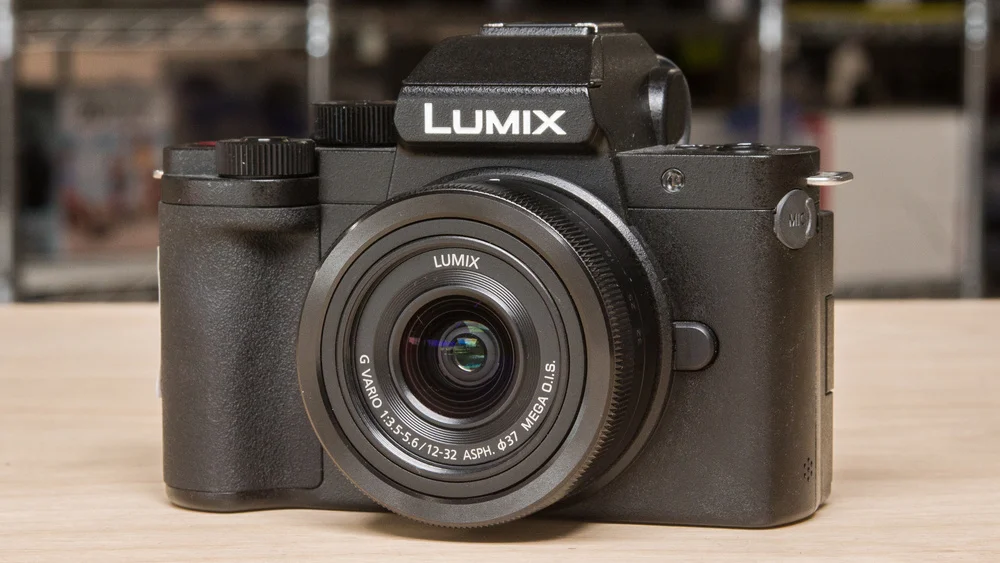
The Panasonic Lumix G100 is a masterclass in miniaturization, weighing in at a mere 352 grams with the battery and SD card included. It effectively bridges the gap between a high-end point-and-shoot and a full-fledged interchangeable lens camera. Despite its diminutive footprint, Panasonic has managed to include a substantial, texturized grip that makes one-handed operation surprisingly secure—a crucial factor for vloggers holding the camera at arm’s length.
Build materials are predominantly high-quality polycarbonate, which keeps the weight down without feeling hollow or toy-like. The dials and buttons are highly tactile and thoughtfully placed, allowing for quick exposure adjustments on the fly. You also get a dedicated, bright red video record button located perfectly near the shutter release for effortless access.
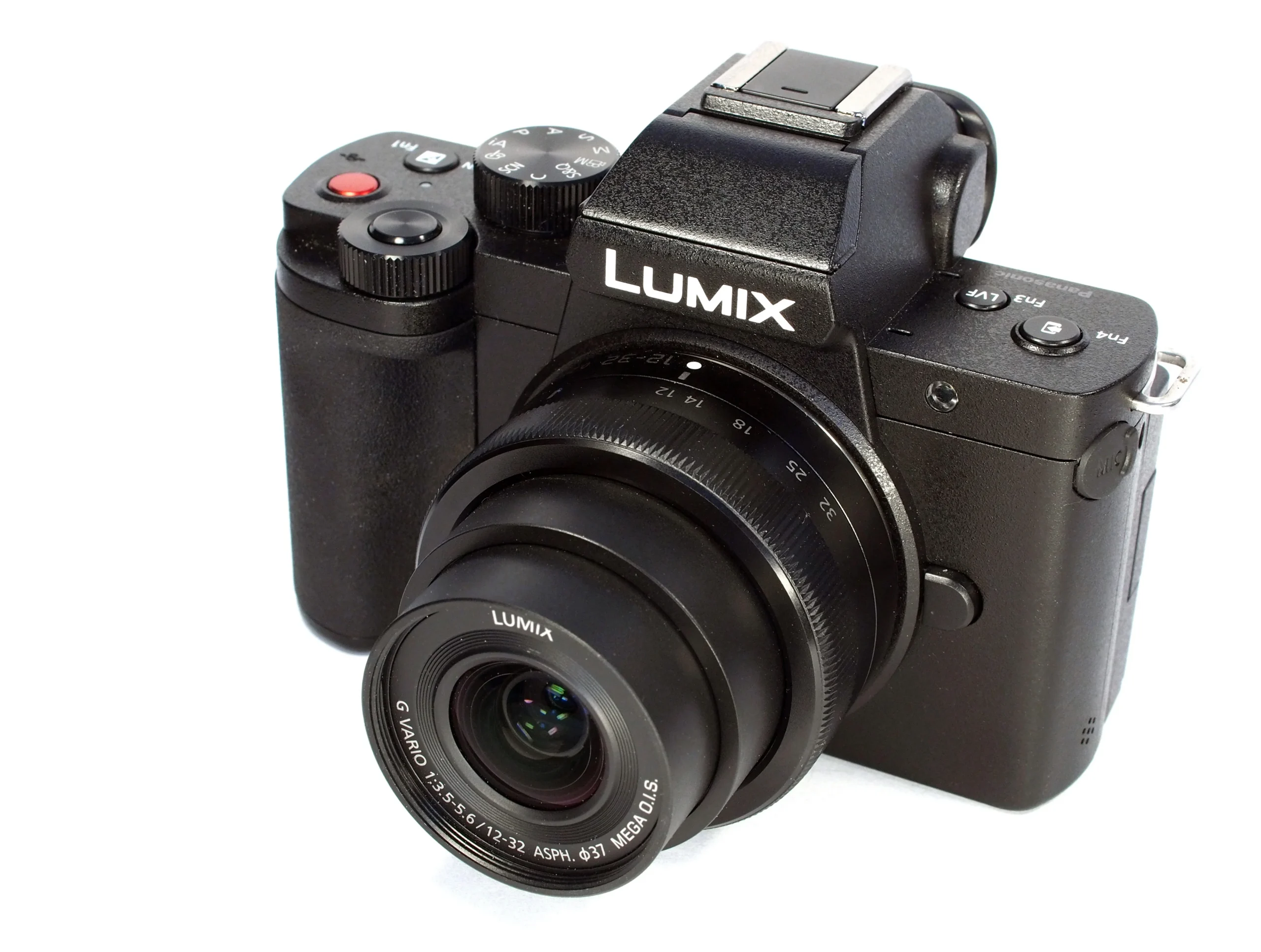
Furthermore, the 3.0-inch fully articulating touchscreen is sharp and incredibly responsive, pairing beautifully with the surprisingly bright 3.68m-dot equivalent electronic viewfinder (EVF). This dual-display setup ensures you can perfectly frame your shots whether you’re capturing low-angle b-roll in glaring sunlight or filming yourself in a studio environment.
Performance
Under the hood, the G100 utilizes a familiar 20.3-megapixel Micro Four Thirds sensor, delivering phenomenal still image quality that confidently punches above its price bracket. Colors render naturally with excellent dynamic range, especially when shooting in RAW. For street photographers and travel enthusiasts, the burst rate of up to 10 fps (with the electronic shutter) is more than capable of freezing everyday action.
However, video performance is a tale of two realities. While the camera supports 4K UHD recording at up to 30p, it suffers from a significant 1.47x crop factor, which increases to 1.79x if you enable the maximum electronic image stabilization. This severely narrows your field of view, meaning you will need an ultra-wide lens to comfortably vlog in 4K. If you step down to 1080p, the crop entirely disappears, and the footage remains incredibly crisp, making Full HD the sweet spot for daily content creation on this device.
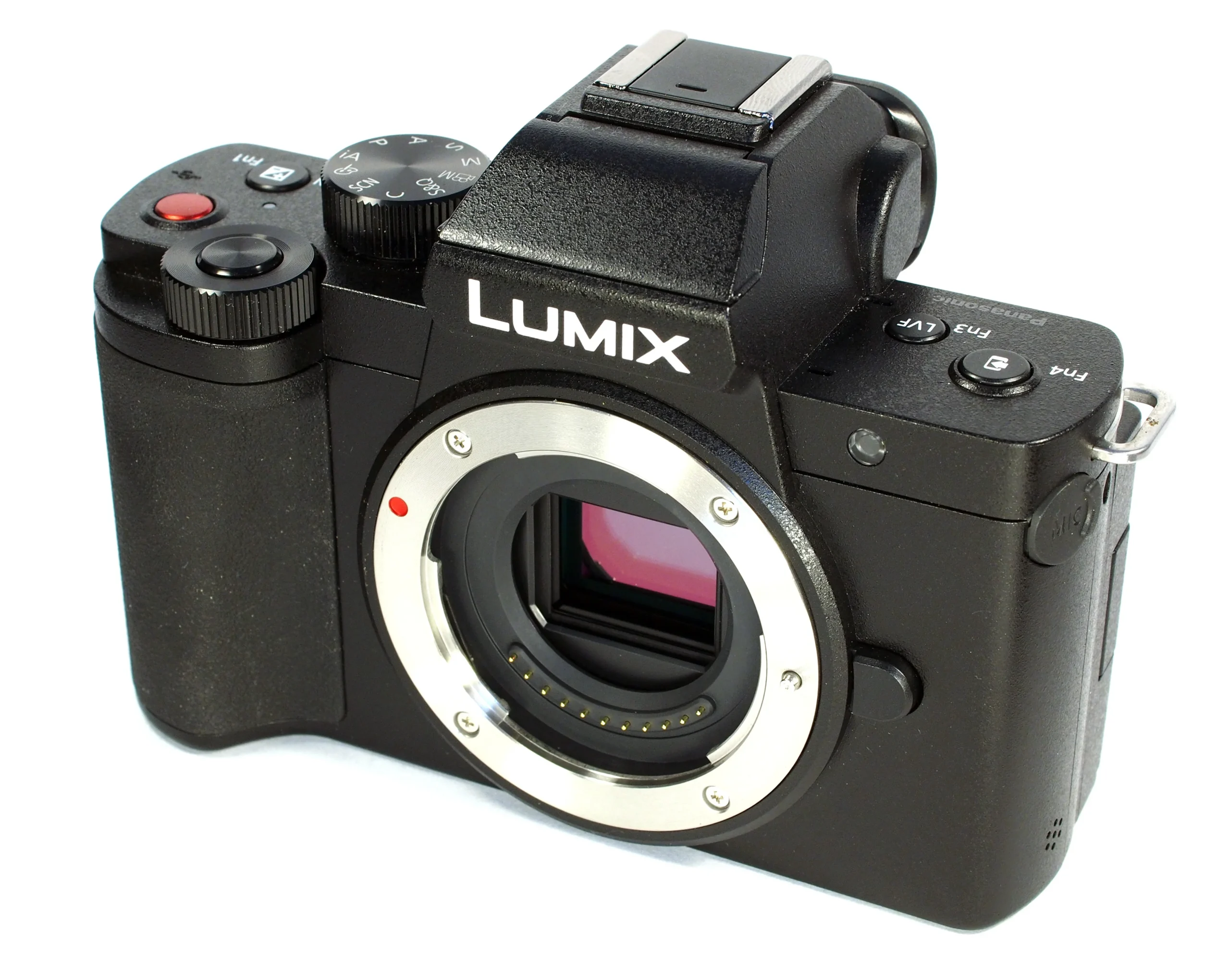
The autofocus system relies on Panasonic’s older Depth From Defocus (DFD) contrast-detect technology. While it is highly accurate and swift for photography, continuous autofocus during video can occasionally exhibit the trademark “pulsing” or “hunting” effect. It is completely manageable for static talking-head setups, but fast-moving subjects or complex scenes might trip up the system compared to modern phase-detect alternatives.
Features & Software
One of the most innovative standout features of the Lumix G100 is its integration of Nokia’s OZO Audio technology. Using three internal microphones, the camera employs facial recognition to dynamically track audio, isolating your voice from background noise depending on where you are in the frame. In practice, this spatial audio system performs exceptionally well, often eliminating the need for a bulky external shotgun mic in casual shooting environments.
On the software side, Panasonic’s menu system remains one of the most intuitive in the industry. The UI is touch-friendly, cleanly organized, and packed with creator-focused overlays, such as vertical video support and a red frame indicator to clearly show when you are actively recording. Transferring files to your smartphone is also remarkably seamless via the Lumix Sync app, keeping modern social media workflows fast and frictionless.
Value Proposition
As we navigate the camera market in 2026, the Lumix G100 has transitioned from a mid-tier release to an exceptionally compelling budget entry. For creators stepping up from a smartphone, the value packed into this tiny chassis is undeniable. You are getting access to the massive, relatively affordable Micro Four Thirds lens ecosystem, alongside robust audio features and solid 20.3MP stills.
While it lacks high-end features like In-Body Image Stabilization (IBIS) or uncropped 4K video, its current market price accurately reflects these omissions. It positions itself as an affordable hybrid tool for beginners and travelers who want the creative freedom of interchangeable lenses without the premium price tag or physical bulk of a full-frame system.
How It Compares
When stacked against the Sony ZV-E10, the Lumix G100 presents a different set of priorities. The Sony ZV-E10 boasts a larger APS-C sensor and vastly superior phase-detection autofocus, making it the better pure video camera for run-and-gun solo creators. However, the G100 fires back with a built-in EVF (which the ZV-E10 completely lacks), a far superior touchscreen experience, and the highly innovative OZO audio tracking. Furthermore, the G100’s Micro Four Thirds lens mount generally offers smaller, lighter, and cheaper glass compared to Sony’s E-mount, making the overall Panasonic kit much more travel-friendly.
Pros and Cons
Pros
- Features an incredibly lightweight and compact design perfect for travel.
- The OZO Audio system delivers fantastic built-in sound quality without external mics.
- Boasts a bright, high-resolution electronic viewfinder that is rare at this price point.
- Produces excellent 20.3-megapixel still images with vibrant color science.
Cons
- The 4K video mode applies a heavy crop factor, making wide-angle vlogging difficult.
- Lacks In-Body Image Stabilization (IBIS), relying instead on standard electronic stabilization.
- The DFD contrast-detect autofocus can hunt and pulse during continuous video recording.
- Omits a headphone jack for real-time audio monitoring.
FAQ
Q: Does the Panasonic Lumix G100 have a headphone jack?
A: No, it features a 3.5mm microphone input for external audio, but it lacks a headphone jack for real-time monitoring.
Q: Can I use the Lumix G100 as a webcam for streaming?
A: Yes, you can connect the camera to your computer via USB and use Panasonic’s Lumix Webcam Software to stream in high quality.
Q: Does it have a continuous recording time limit?
A: Yes, the G100 has a 10-minute recording limit for 4K video and a 20-minute limit for 1080p at 60fps to prevent overheating.
Q: Are lenses from Olympus compatible with this camera?
A: Yes, because it utilizes the universal Micro Four Thirds mount, you can seamlessly use lenses from Olympus (OM System) and other MFT manufacturers.
Verdict
The Panasonic Lumix G100 remains a highly capable, ultra-compact entry point for hybrid shooters and travel enthusiasts. While the cropped 4K and contrast-based autofocus hold it back from being the absolute perfect vlogging camera, its brilliant EVF, superb stills, and innovative audio make it a fantastic bargain in 2026. It is best suited for beginner creators, street photographers, and anyone looking for a highly portable interchangeable lens setup.
Where to Buy
Pros
- ✓ Features an incredibly lightweight and compact design perfect for travel.
- ✓ The OZO Audio system delivers fantastic built-in sound quality without external mics.
- ✓ Boasts a bright, high-resolution electronic viewfinder that is rare at this price point.
- ✓ Produces excellent 20.3-megapixel still images with vibrant color science.
Cons
- ✗ The 4K video mode applies a heavy crop factor, making wide-angle vlogging difficult.
- ✗ Lacks In-Body Image Stabilization (IBIS), relying instead on standard electronic stabilization.
- ✗ The DFD contrast-detect autofocus can hunt and pulse during continuous video recording.
- ✗ Omits a headphone jack for real-time audio monitoring.
Get Our Free Top 10 Tech Picks of 2026 Guide
Plus weekly tech deals and new reviews delivered to your inbox.
[cp_email_signup]
No spam. Unsubscribe anytime.
Ready to buy the Panasonic Lumix G100?
Affiliate link — we may earn a commission at no extra cost to you.