







The Oura Ring Gen 3 remains a pioneer in the smart ring market, delivering unparalleled sleep tracking and recovery insights in an ultra-compact form factor. Even in 2026, its advanced biometric sensors and refined algorithms make it a top-tier choice for biohackers and health enthusiasts. We dive deep into whether this premium wearable still dominates your finger real estate.
Table of Contents
Key Specifications
| Feature | Detail |
|---|---|
| Material | Lightweight Titanium with PVD coating |
| Weight | 4 to 6 grams (depending on ring size) |
| Battery Life | Up to 7 days (4-5 days typical use) |
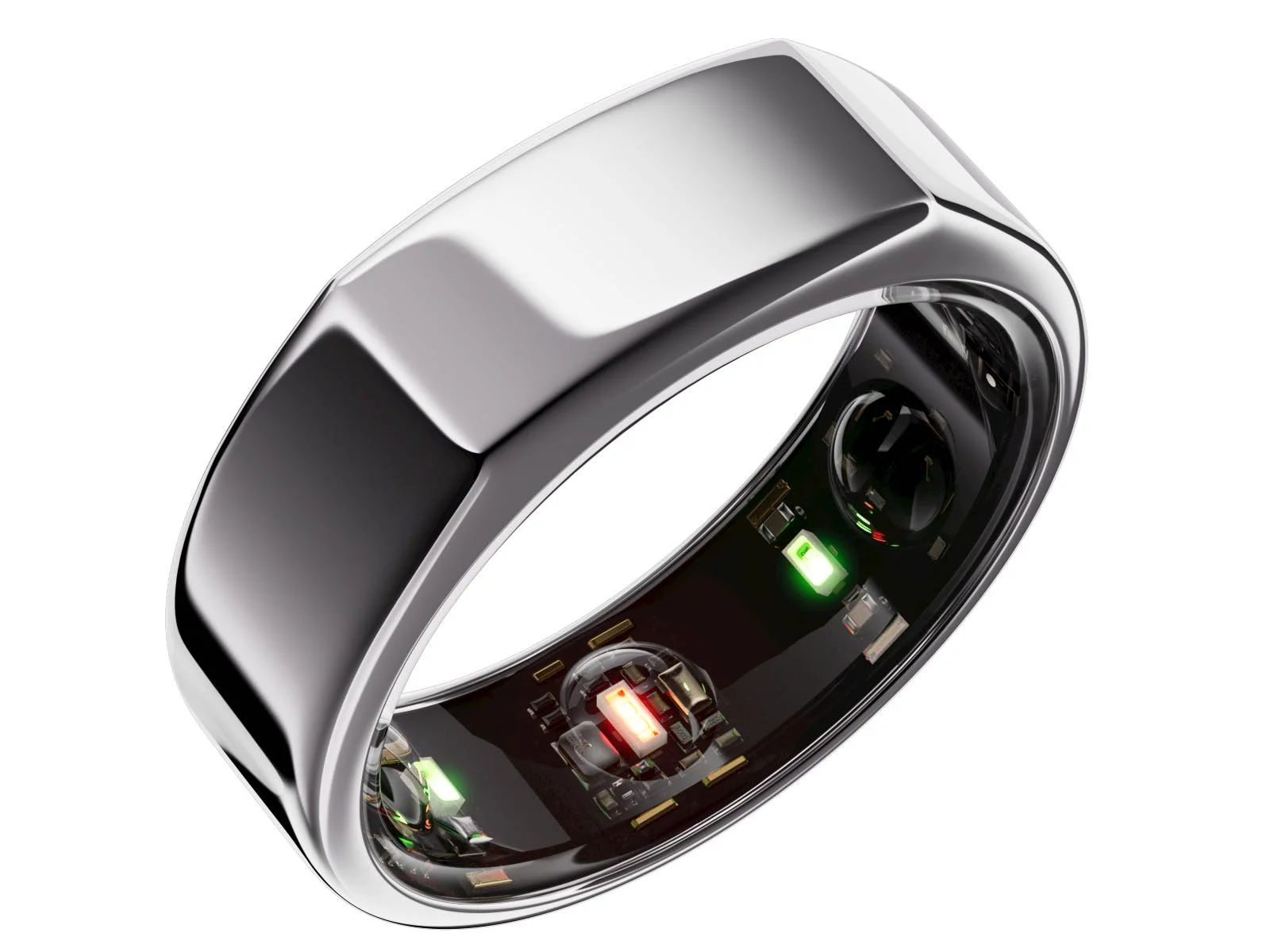
| Sensors | Green/Red/Infrared LEDs, NTC temperature, 3D accelerometer |
| Water Resistance | Up to 100 meters (10 ATM) |
| Connectivity | Bluetooth Low Energy (BLE) |
Design & Build Quality
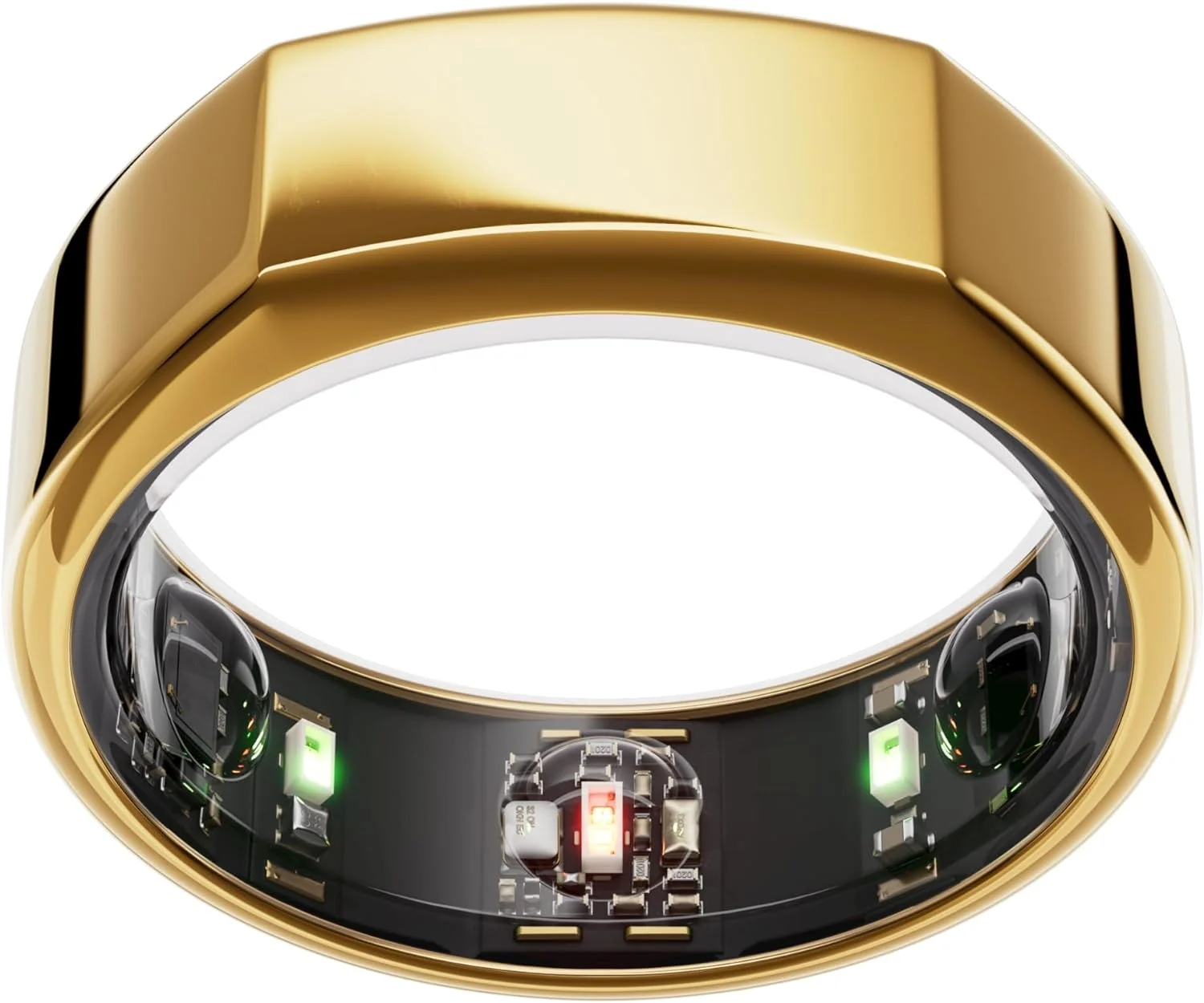
Forged from lightweight titanium and finished with a durable physical vapor deposition (PVD) coating, the Oura Ring Gen 3 is a masterclass in miniaturized engineering. Tipping the scales between a mere four to six grams depending on your size, it is remarkably unobtrusive. Unlike bulky wrist-based wearables, the smooth inner molding houses three tiny sensor bumps that sit comfortably against the skin, ensuring continuous contact without digging into your finger during daily tasks or heavy lifting at the gym.
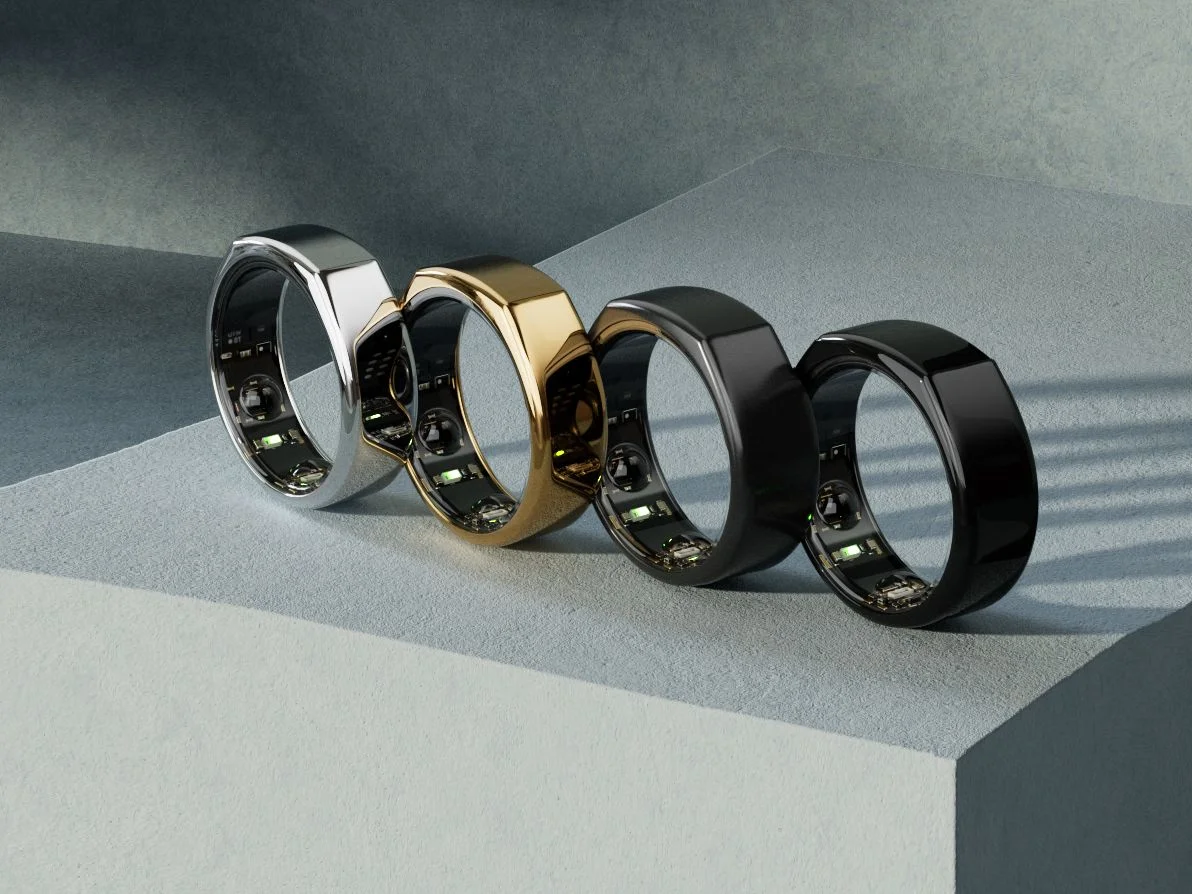
Aesthetically, it passes brilliantly as a piece of traditional jewelry. Available in various finishes—including Heritage and Horizon designs in silver, black, stealth, and gold—it blends seamlessly into both casual and formal wardrobes. Oura has managed to pack an impressive array of sophisticated internal hardware, including a flexible battery and a custom-designed circuit board, into a shell no thicker than a standard wedding band.
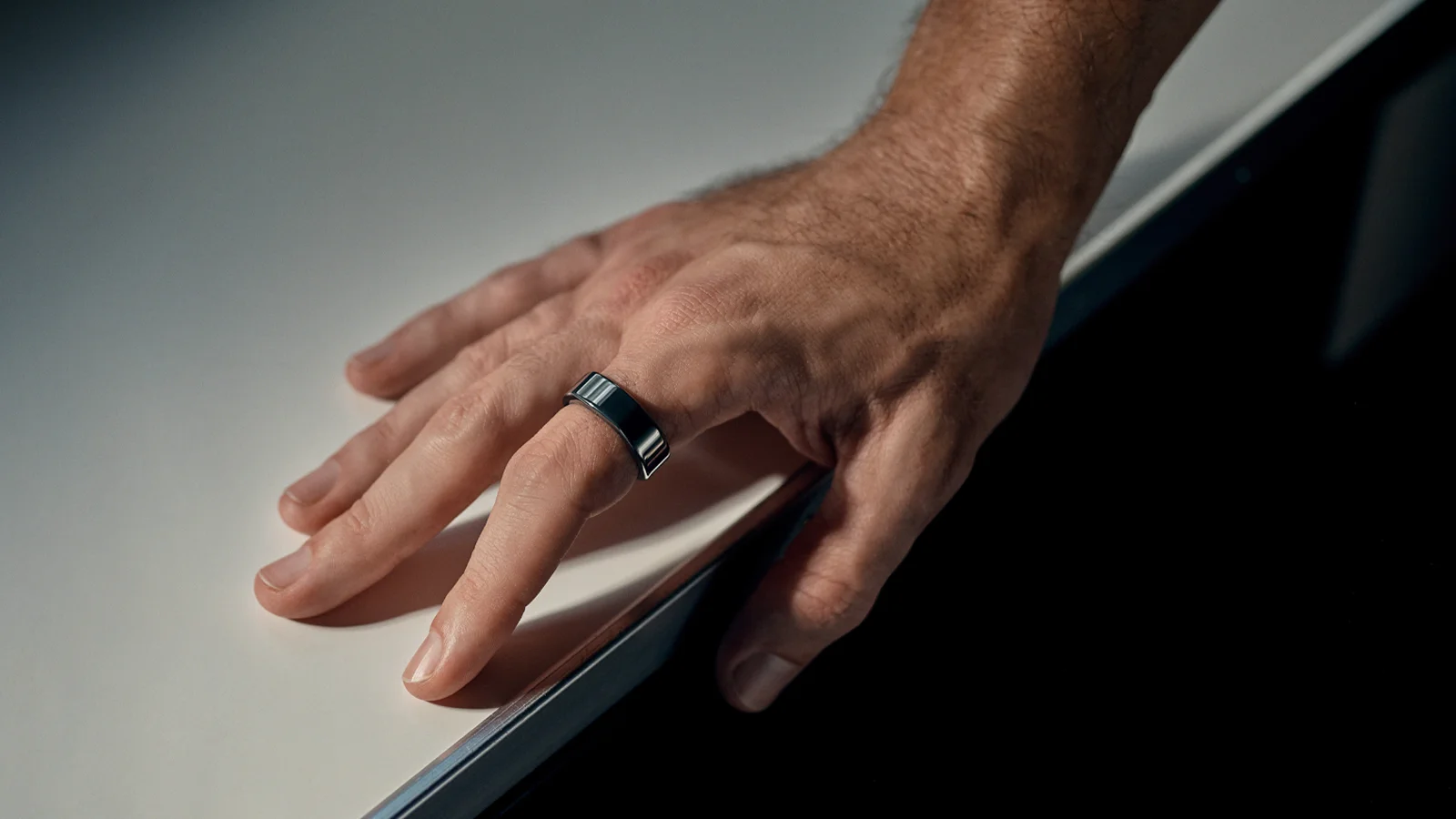
Over months of rigorous testing in 2026, the scratch resistance holds up exceptionally well, though the darker finishes may show microscopic scuffs if routinely subjected to abrasive surfaces. Water resistance up to 100 meters means you never have to take it off in the shower, pool, or ocean, cementing its status as a truly 24/7 wearable companion.
Performance
When it comes to real-world performance, the Oura Ring Gen 3 excels where it matters most: passive biometric data collection. The core of its performance lies in its highly accurate sleep staging algorithms, which have been continually refined through software updates up to 2026. By utilizing infrared, red, and green LEDs to monitor heart rate, heart rate variability (HRV), and blood oxygen levels (SpO2), the ring provides clinical-grade data that rivals top-tier chest straps and specialized sleep lab equipment.
Daytime performance is similarly robust. The continuous heart rate tracking catches granular fluctuations during periods of stress and relaxation, seamlessly translating those metrics into your daily Readiness Score. The inclusion of predictive temperature sensors gives users an impressive edge in anticipating illnesses and tracking menstrual cycles with pinpoint accuracy. Activity tracking has vastly improved over the years; it automatically detects workouts with high fidelity, though elite athletes might still prefer a dedicated GPS watch for granular pacing data.
Battery life remains a strong suit, delivering an average of five days on a single charge despite continuous background monitoring. While the initial claim is seven days, enabling features like SpO2 sensing and continuous daytime heart rate naturally chips away at longevity. Fortunately, the proprietary puck charger juices the ring from zero to full in just under 80 minutes, easily integrating into a morning routine while you prepare for the day.
Features & Software
The Oura companion app remains the gold standard in the wearable health tech industry, transforming raw data into actionable, easily digestible insights. The daily trifecta of Readiness, Sleep, and Activity scores gives users an immediate snapshot of their holistic health. Recent 2026 updates have further integrated AI-driven insights, which analyze your long-term baselines to offer highly personalized recommendations on when to push hard in the gym and when to prioritize recovery.
Standout software features include the Daytime Stress monitor and the Resilience metric, which maps how well you are balancing physiological stress with recovery over time. The app also seamlessly synchronizes with Apple Health, Google Health Connect, and Strava, allowing tech-savvy users to centralize their data. The only caveat is the reliance on a monthly subscription model, which is required to unlock these premium data visualizations and predictive algorithms.
Value Proposition
The Oura Ring Gen 3 commands a premium upfront cost, typically starting around $299 depending on the finish, plus an ongoing $5.99 monthly subscription fee. For casual users who simply want to count steps, this pricing model is difficult to justify. However, for biohackers, professional athletes, and tech enthusiasts looking to optimize their sleep hygiene and recovery protocols, the sheer depth and accuracy of the data offer an unparalleled return on investment.
In the broader 2026 wearable landscape, Oura’s value is heavily tied to its maturity. While new entrants are trying to disrupt the space, Oura’s ecosystem benefits from years of algorithm refinement, vast datasets, and clinical validation. You aren’t just paying for the hardware; you are investing in a heavily researched software platform that actively works to improve your longevity and daily performance.
How It Compares
The smart ring arena is highly competitive in 2026, most notably with the rapid rise of the Samsung Galaxy Ring and the Ultrahuman Ring Air. Compared to the Samsung Galaxy Ring, the Oura Gen 3 boasts a more established app ecosystem with deeper, clinically backed sleep insights, whereas Samsung’s offering primarily appeals to those heavily entrenched in the Galaxy smartphone ecosystem who want to avoid a subscription fee. Against the Ultrahuman Ring Air, Oura feels slightly more refined in its Readiness scoring and temperature prediction algorithms. However, Ultrahuman’s lack of a monthly subscription makes it a highly attractive alternative for budget-conscious buyers who still demand premium titanium hardware.
Pros and Cons
Pros
- Offers arguably the most accurate sleep staging and recovery tracking available in a consumer wearable.
- The titanium design is extremely lightweight, incredibly durable, and visually indistinguishable from luxury jewelry.
- The companion app provides holistic, AI-driven insights that are intuitive to understand and implement.
- Advanced temperature sensors deliver highly accurate menstrual cycle predictions and early illness detection.
Cons
- Requires an ongoing monthly subscription fee to access the majority of the biometric data and insights.
- The hardware is limited for serious athletes tracking pace, distance, or real-time workout metrics without a screen.
- Thicker fingers may find the sensor bumps slightly restrictive if their knuckles swell during intense physical labor.
- Battery life degrades naturally over several years, requiring eventual replacement since the battery cannot be swapped.
FAQ
Q: Do I need a subscription to use the Oura Ring Gen 3?
A: Yes, while the ring functions without one, you only get three basic daily scores (Sleep, Readiness, and Activity). The subscription is required for detailed biometric trends, insights, and personalized recommendations.
Q: Can I wear the Oura Ring while lifting weights?
A: Yes, the titanium build is highly durable. However, gripping heavy, knurled metal barbells can cause microscopic scratches to the ring’s finish, so some users prefer to remove it or wear gym gloves.
Q: Does the Oura Ring track steps and calories accurately?
A: It tracks daily movement and estimates caloric burn efficiently using its 3D accelerometer, though it is fundamentally designed as a holistic recovery tool rather than a dedicated fitness tracker.
Q: Is the Oura Ring waterproof?
A: Absolutely. It is water-resistant up to 100 meters, making it completely safe for swimming, showering, and diving.
Verdict
The Oura Ring Gen 3 remains the definitive choice for tech-savvy individuals who prioritize deep sleep analytics, recovery data, and a frictionless, screen-free wearable experience. If you are willing to commit to the monthly subscription model, its clinical-grade insights and sleek titanium design make it an indispensable tool for personal health optimization.
Where to Buy
Pros
- ✓ Offers arguably the most accurate sleep staging and recovery tracking available in a consumer wearable.
- ✓ The titanium design is extremely lightweight, incredibly durable, and visually indistinguishable from luxury jewelry.
- ✓ The companion app provides holistic, AI-driven insights that are intuitive to understand and implement.
- ✓ Advanced temperature sensors deliver highly accurate menstrual cycle predictions and early illness detection.
Cons
- ✗ Requires an ongoing monthly subscription fee to access the majority of the biometric data and insights.
- ✗ The hardware is limited for serious athletes tracking pace, distance, or real-time workout metrics without a screen.
- ✗ Thicker fingers may find the sensor bumps slightly restrictive if their knuckles swell during intense physical labor.
- ✗ Battery life degrades naturally over several years, requiring eventual replacement since the battery cannot be swapped.
Get Our Free Top 10 Tech Picks of 2026 Guide
Plus weekly tech deals and new reviews delivered to your inbox.
[cp_email_signup]
No spam. Unsubscribe anytime.
Ready to buy the Oura Ring Gen 3?
Affiliate link — we may earn a commission at no extra cost to you.