

The Apple iPhone 16 Pro Max remains a powerhouse smartphone in 2026, combining an expansive display with the remarkably capable A18 Pro chip. Whether you are a dedicated mobile videographer or a relentless multitasker, this device pushes the boundaries of what iOS can do. Read our comprehensive tech review to discover if it is still worth your investment today.
Table of Contents
Key Specifications
| Feature | Detail |
|---|---|
| Display | 6.9-inch Super Retina XDR OLED, 120Hz ProMotion |
| Processor | Apple A18 Pro (3nm) |
| RAM | 8GB unified memory |
| Storage Options | 256GB, 512GB, 1TB |
| Rear Cameras | 48MP Main, 48MP Ultrawide, 12MP Telephoto (5x Optical Zoom) |
| Front Camera | 12MP TrueDepth with Autofocus |
| Battery | 4,676 mAh with MagSafe and Qi2 wireless charging |
| Build Materials | Grade 5 Titanium frame, Ceramic Shield front, textured matte glass back |
Design & Build Quality
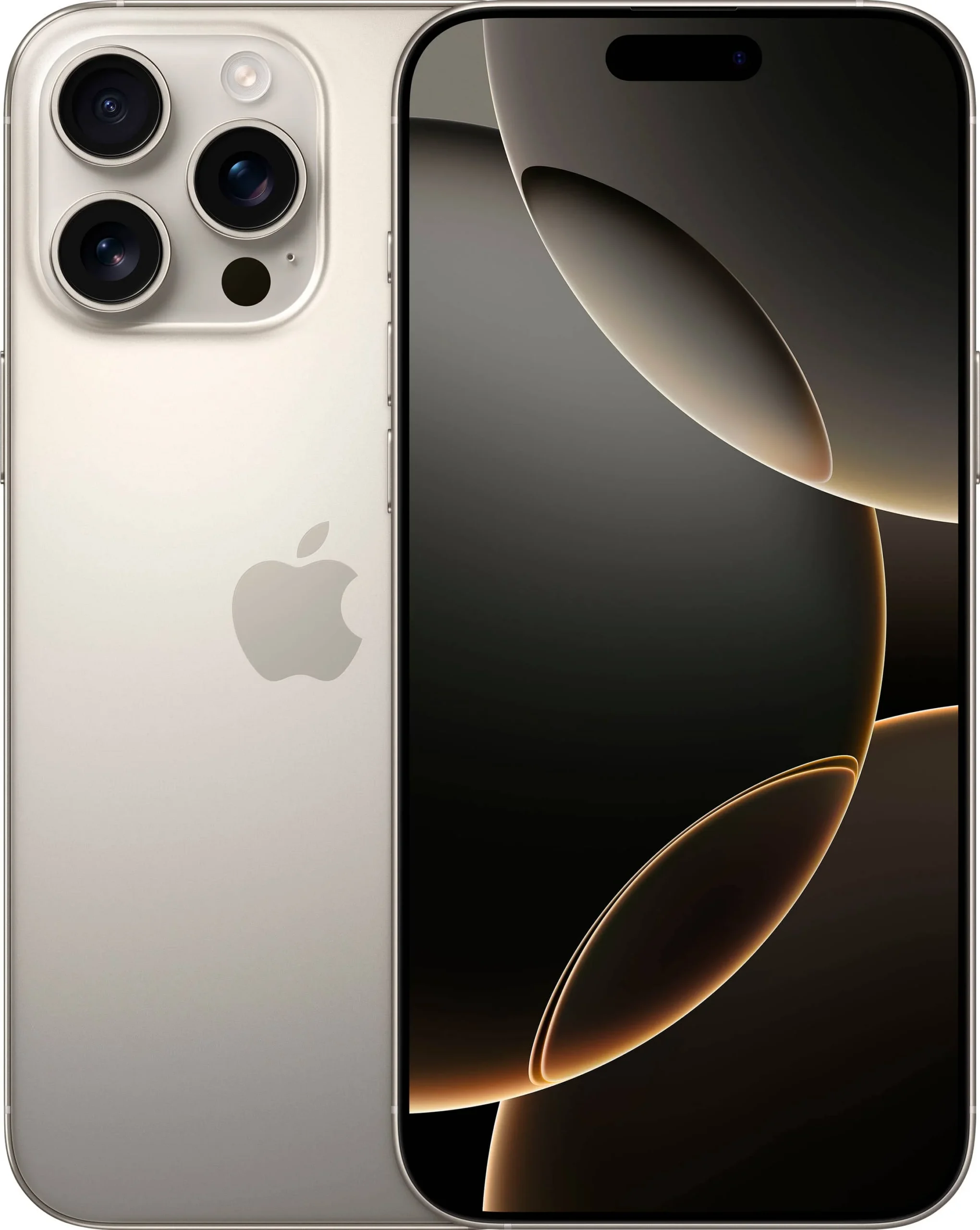
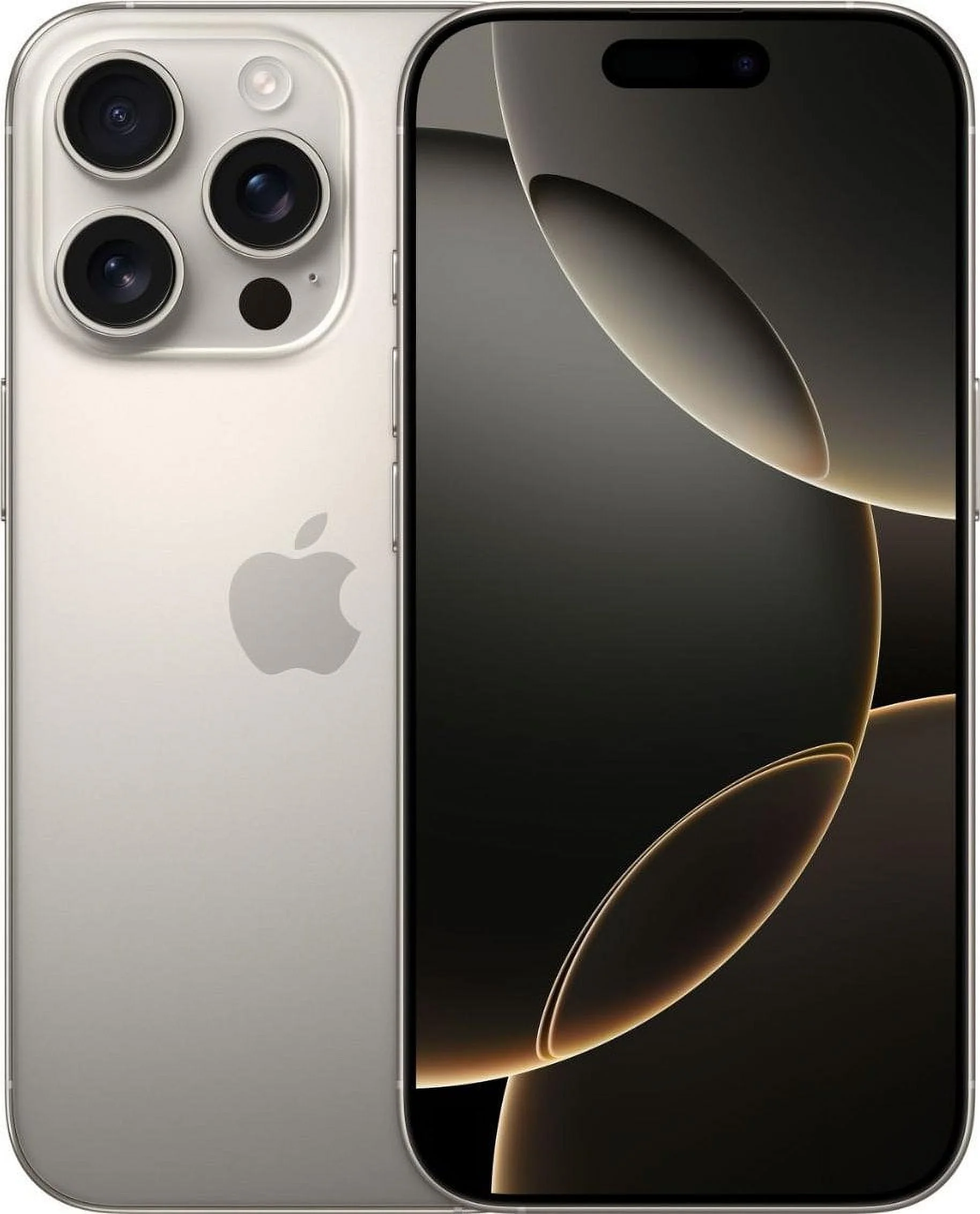
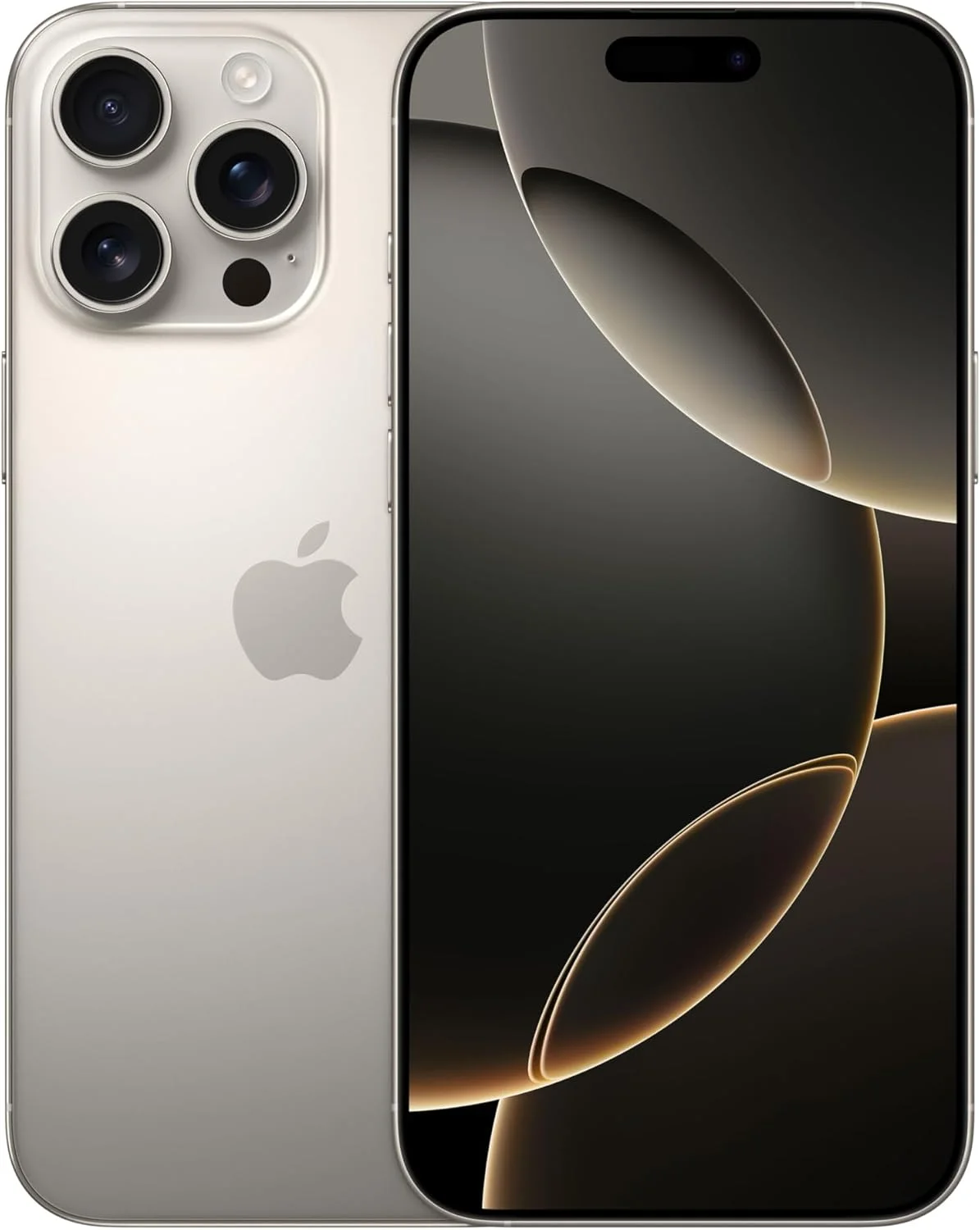
When Apple introduced the iPhone 16 Pro Max, the most notable physical change was its sheer footprint. Pushing the display to a massive 6.9 inches, Apple simultaneously shaved down the bezels to an absolute minimum, ensuring the device remains impressively immersive without becoming impossibly wide. Housed within a Grade 5 Titanium chassis, the phone maintains a premium, rigid feel that balances weight far better than the older stainless steel models. Looking at it in 2026, the industrial design language still looks sharp, though it is admittedly highly iterative of its predecessors.
The biggest ergonomic shift comes from the addition of the Camera Control button on the lower right edge. Designed with a tactile click and capacitive touch surface, it rests perfectly under the index finger when holding the phone horizontally. Over time, this hardware addition has proven to be more than a gimmick, allowing for seamless zooming and exposure adjustments that make the iPhone 16 Pro Max feel genuinely akin to a high-end point-and-shoot camera.
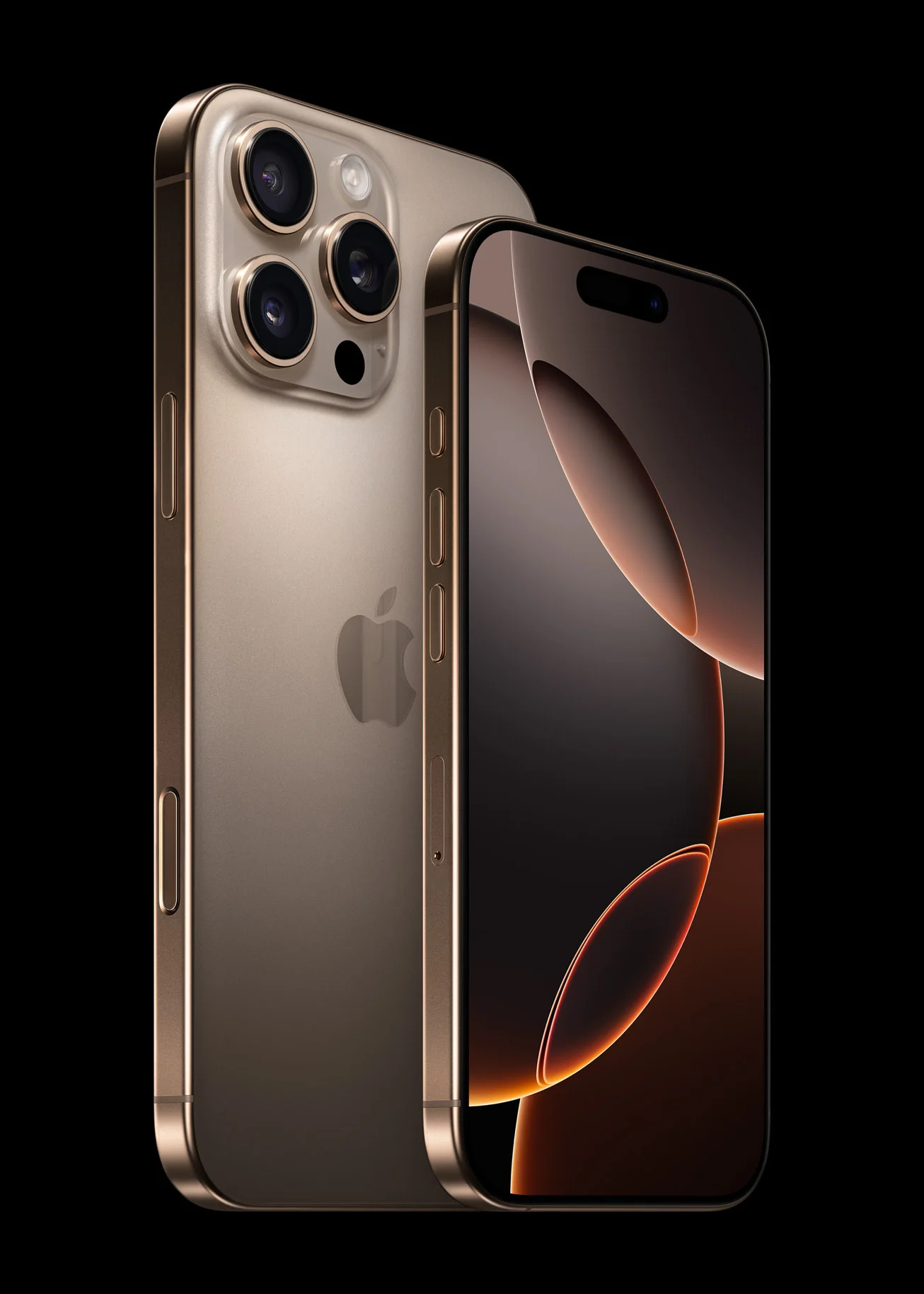
Durability also took a step forward with this generation’s advanced Ceramic Shield formulation. After a couple of years in the wild, the consensus among tech enthusiasts is that this glass resists micro-scratches notably better than older models. Combined with a graphene-infused thermal substructure, the phone not only feels incredibly sturdy in the hand but handles the physical heat of rigorous processing with far more grace than the iPhone 15 series.
Performance
At the heart of the iPhone 16 Pro Max lies the A18 Pro chip, built on a cutting-edge 3-nanometer architecture. Even by 2026 standards, this silicon is a veritable beast. Apple heavily leaned into hardware-accelerated ray tracing and expanded neural engine capacities when designing this chip, ensuring it could handle future advancements. Whether you are batch-rendering 4K ProRes log video or jumping between heavy productivity applications, the phone never breaks a sweat or stutters.
Real-world gaming performance remains virtually unmatched in the mobile space. AAA titles that were ported to iOS—like Death Stranding and Resident Evil Village—run at incredibly stable framerates, while high-demand multiplayer games benefit heavily from the sustained 120Hz ProMotion display. Thanks to the improved thermal dissipation, the harsh throttling that plagued earlier iPhones during prolonged gaming sessions is largely a thing of the past. The 8GB of RAM, while seemingly low compared to some Android counterparts with 12GB or 16GB, is perfectly optimized by iOS to keep background applications instantly accessible.
Battery endurance is another area where the iPhone 16 Pro Max shines brightly. The 4,676 mAh cell, paired with the highly efficient A18 Pro, reliably delivers a day and a half of heavy use out of the box. Even when evaluating devices that have experienced a year or two of battery degradation, users routinely report hitting bedtime with 20-30% charge remaining. It remains a reliable workhorse for those who spend long hours away from power outlets.
Features & Software
The iPhone 16 Pro Max was purposefully built to usher in the era of Apple Intelligence, and evaluating the software experience in 2026 reveals how well that vision has matured. Running on the latest iteration of iOS, the on-device AI handles context-aware Siri requests, generative writing tools, and advanced image sorting locally, ensuring lightning-fast responses and strict user privacy. The deep integration of machine learning into the ecosystem makes daily interactions feel notably more intuitive than on pre-A18 devices.
On the camera front, the software seamlessly synergizes with the hardware. The 48MP ultrawide sensor drastically improved macro photography and low-light landscapes, while the 5x optical tetraprism telephoto lens delivers incredibly crisp zoom. Notably, the spatial video and spatial photo capture capabilities have gained serious utility now that mixed-reality headsets like the Apple Vision Pro have seen wider adoption, allowing users to future-proof their personal memories in immersive 3D formats.
Value Proposition
While the iPhone 16 Pro Max launched with a premium price tag north of $1,199, its position in the 2026 market makes it a brilliant value proposition for savvy buyers. Rather than paying the early-adopter tax for the absolute newest release, picking up a 16 Pro Max yields you 95% of the modern flagship experience—including core AI features and a titanium build—at a much more palatable price point via carrier deals or the refurbished market.
Furthermore, Apple’s industry-leading software support means this device is barely a third of the way through its lifecycle. Historically, Pro Max iPhones retain their resale value far better than their Android counterparts, making this not just a powerful communication tool, but a financially sound tech investment that will easily last another four to five years without showing its age.
How It Compares
When pitted against the Samsung Galaxy S24 Ultra, the iPhone 16 Pro Max offers smoother video recording capabilities and superior app integration, though Samsung still holds the crown for versatility thanks to its built-in S-Pen and aggressive 10x optical zoom capabilities. Both handle modern AI workloads brilliantly, but Apple’s on-device processing feels slightly more cohesive within the broader ecosystem.
Against the Google Pixel 9 Pro XL, the iPhone dominates in raw computational power and battery life. While Google’s computational photography excels in capturing still images of moving subjects with zero shutter lag, the iPhone 16 Pro Max wins out for creators heavily invested in video production, offering superior stabilization, ProRes integration, and seamless external SSD recording.
Pros and Cons
Pros
- The massive 6.9-inch Super Retina XDR display is exceptionally bright and perfect for media consumption.
- Apple’s A18 Pro chipset delivers class-leading, future-proof performance that easily tackles intense workloads in 2026.
- The dedicated Camera Control button vastly improves the physical ergonomics of mobile photography.
- Battery life is phenomenal, routinely lasting well beyond a full day of heavy usage.
- Advanced thermal management prevents the phone from overheating during intense gaming or charging.
Cons
- The large physical footprint and overall weight can be unwieldy for users with smaller hands or shallow pockets.
- Wired and wireless charging speeds remain noticeably slower than those of competing flagship Android devices.
- The base design is highly iterative, lacking significant aesthetic changes from the previous two generations.
FAQ
Q: Does the iPhone 16 Pro Max feature an Always-On display?
A: Yes, it utilizes an advanced LTPO OLED panel that can drop its refresh rate down to 1Hz, allowing for a battery-efficient Always-On display that shows your wallpaper, widgets, and live activities.
Q: Is the iPhone 16 Pro Max water-resistant?
A: Absolutely. It carries an IP68 rating, meaning it is engineered to withstand submersion in up to 6 meters of water for roughly 30 minutes, alongside offering excellent dust resistance.
Q: Can I use my old Lightning cables with this phone?
A: No, the iPhone 16 Pro Max features a USB-C port for charging and fast data transfer, so you will need to transition entirely to USB-C cables and accessories.
Q: What exactly does the Camera Control button do?
A: The Camera Control is a hybrid physical/capacitive button on the side of the phone. Pressing it launches the camera and takes a photo, while lightly sliding your finger across its surface allows you to adjust zoom, exposure, and depth of field without touching the screen.
Verdict
The Apple iPhone 16 Pro Max stands out as an enduring titan in the smartphone space, offering unmatched video recording, incredible battery endurance, and processing power that easily stands the test of time. It is highly recommended for tech enthusiasts, content creators, and power users who want a premier, uncompromising iOS experience in 2026 without paying for this year’s iterative release.
Where to Buy
Pros
- ✓ The massive 6.9-inch Super Retina XDR display is exceptionally bright and perfect for media consumption.
- ✓ Apple’s A18 Pro chipset delivers class-leading, future-proof performance that easily tackles intense workloads in 2026.
- ✓ The dedicated Camera Control button vastly improves the physical ergonomics of mobile photography.
- ✓ Battery life is phenomenal, routinely lasting well beyond a full day of heavy usage.
- ✓ Advanced thermal management prevents the phone from overheating during intense gaming or charging.
Cons
- ✗ The large physical footprint and overall weight can be unwieldy for users with smaller hands or shallow pockets.
- ✗ Wired and wireless charging speeds remain noticeably slower than those of competing flagship Android devices.
- ✗ The base design is highly iterative, lacking significant aesthetic changes from the previous two generations.
Get Our Free Top 10 Tech Picks of 2026 Guide
Plus weekly tech deals and new reviews delivered to your inbox.
[cp_email_signup]
No spam. Unsubscribe anytime.
Ready to buy the Apple iPhone 16 Pro Max?
Affiliate link — we may earn a commission at no extra cost to you.