


The long-awaited Nintendo Switch 2 has finally arrived to redefine portable console gaming in 2026. With upgraded silicon, a stunning OLED display featuring a variable refresh rate, and full backward compatibility, Nintendo’s latest hybrid aims to silence the performance critics. Let’s dive deep into whether this next-generation handheld is worth the premium upgrade for hardcore gamers and casual players alike.
Table of Contents
Key Specifications
| Feature | Detail |
|---|---|
| Display | 8-inch OLED (1080p, 120Hz VRR) |
| Processor | Custom Nvidia Tegra T239 |
| RAM | 12GB LPDDR5X |
| Storage | 512GB NVMe SSD (Expandable via MicroSD Express) |
| Docked Output | Up to 4K at 60fps via Nvidia DLSS 3.5 |
| Battery Life | 4.5 to 8 hours (4,500 mAh) |
| Connectivity | Wi-Fi 7, Bluetooth 5.4, USB-C 4.0 |
Design & Build Quality
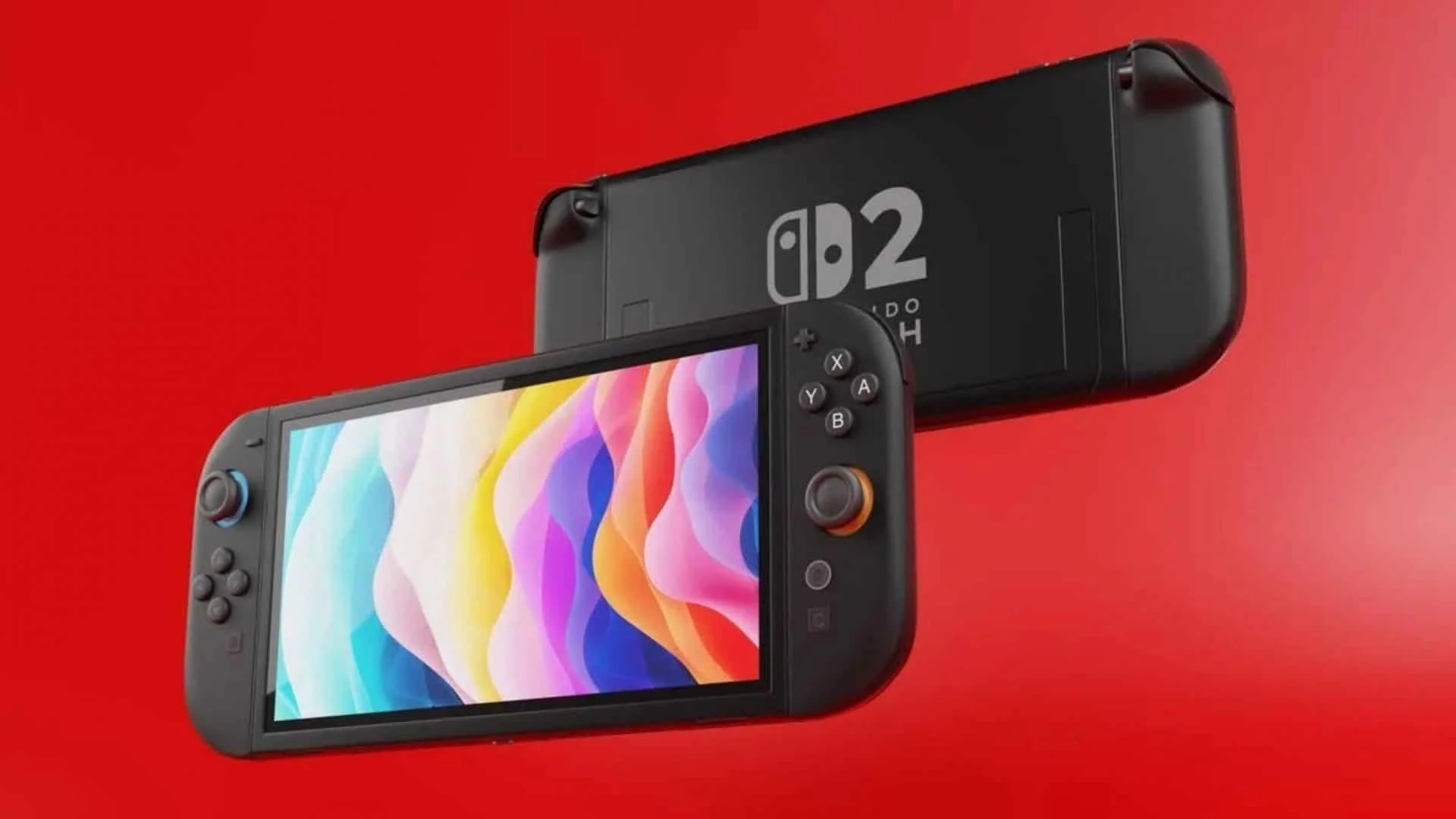
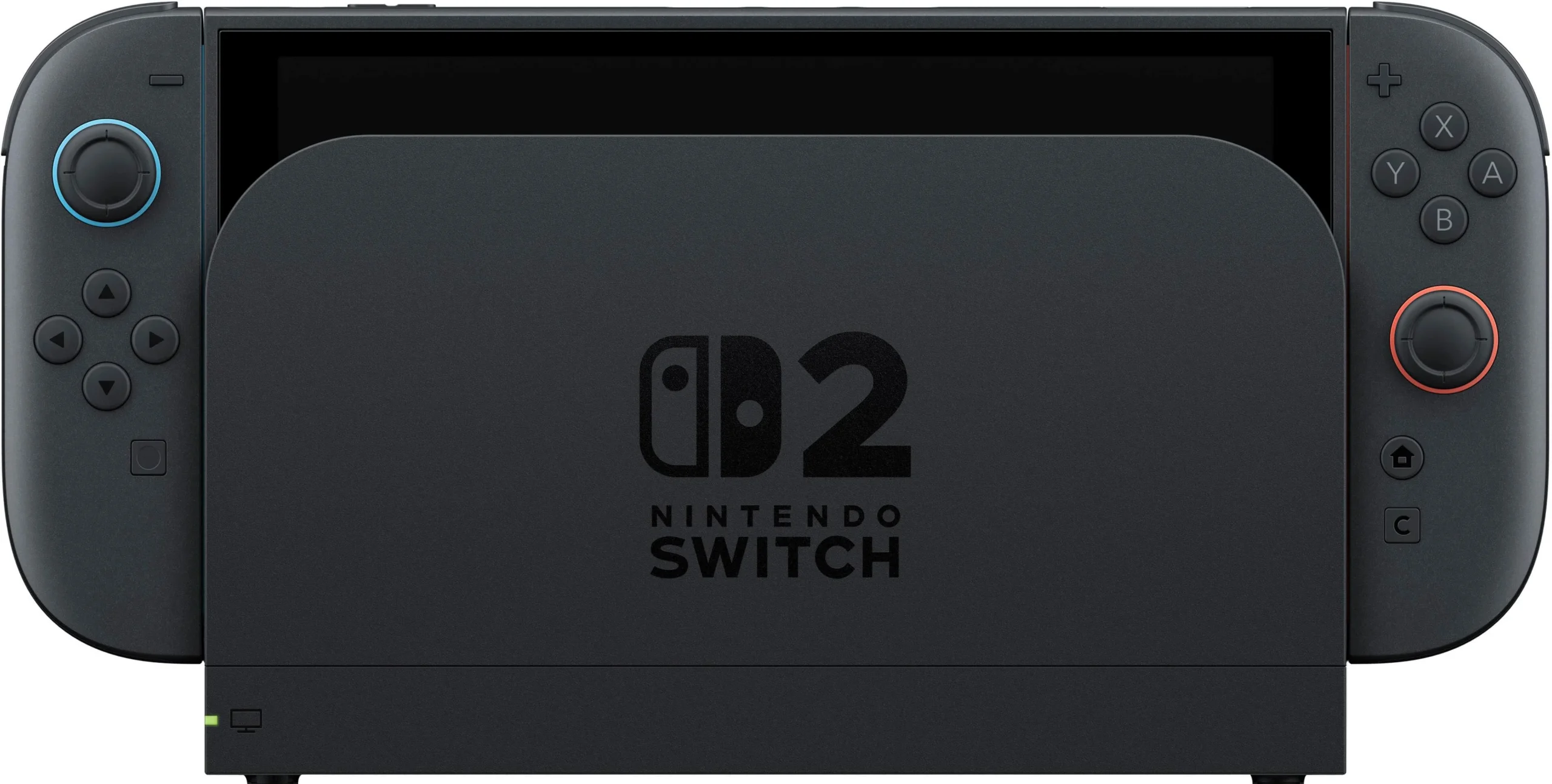
Nintendo has carefully refined its iconic hybrid silhouette rather than reinventing the wheel, and the Switch 2 feels immediately familiar yet distinctly premium. The chassis ditches the slightly toy-like plastic of its predecessor in favor of a matte magnesium-alloy blend. This not only improves heat dissipation for the more demanding internal hardware but also provides a rigid, creak-free body that sits comfortably in the hands despite the slightly heavier 440g weight. The standout design upgrade is the gorgeous edge-to-edge 8-inch OLED display, flanked by slimmer, more ergonomic Joy-Con 2.0 controllers that finally feature Hall Effect thumbsticks to eradicate drifting issues entirely.
Ergonomically, the new Joy-Cons are a revelation. They feature a subtle contoured grip on the back, making extended handheld sessions far more comfortable for adult hands. The sliding rail mechanism has been reinforced with a magnetic latching system, offering a satisfying snap and eliminating the infamous wobble of the original model. Around the back, the kickstand spans the entire width of the console, featuring robust, infinitely adjustable friction hinges that make tabletop mode actually viable on uneven surfaces like airplane tray tables.
Performance
Under the hood, the Switch 2 is powered by a custom Nvidia Tegra T239 chipset paired with 12GB of LPDDR5X RAM, representing a monumental leap over the aging 2017 Tegra X1. In handheld mode, the console renders natively at 1080p, delivering buttery-smooth 60fps across first-party titles like Super Mario Odyssey 2 and Metroid Prime 4: Beyond. The inclusion of a 120Hz Variable Refresh Rate (VRR) OLED panel means that even when frame rates fluctuate in demanding third-party ports like Cyberpunk 2077, the gameplay remains completely tear-free and remarkably fluid.
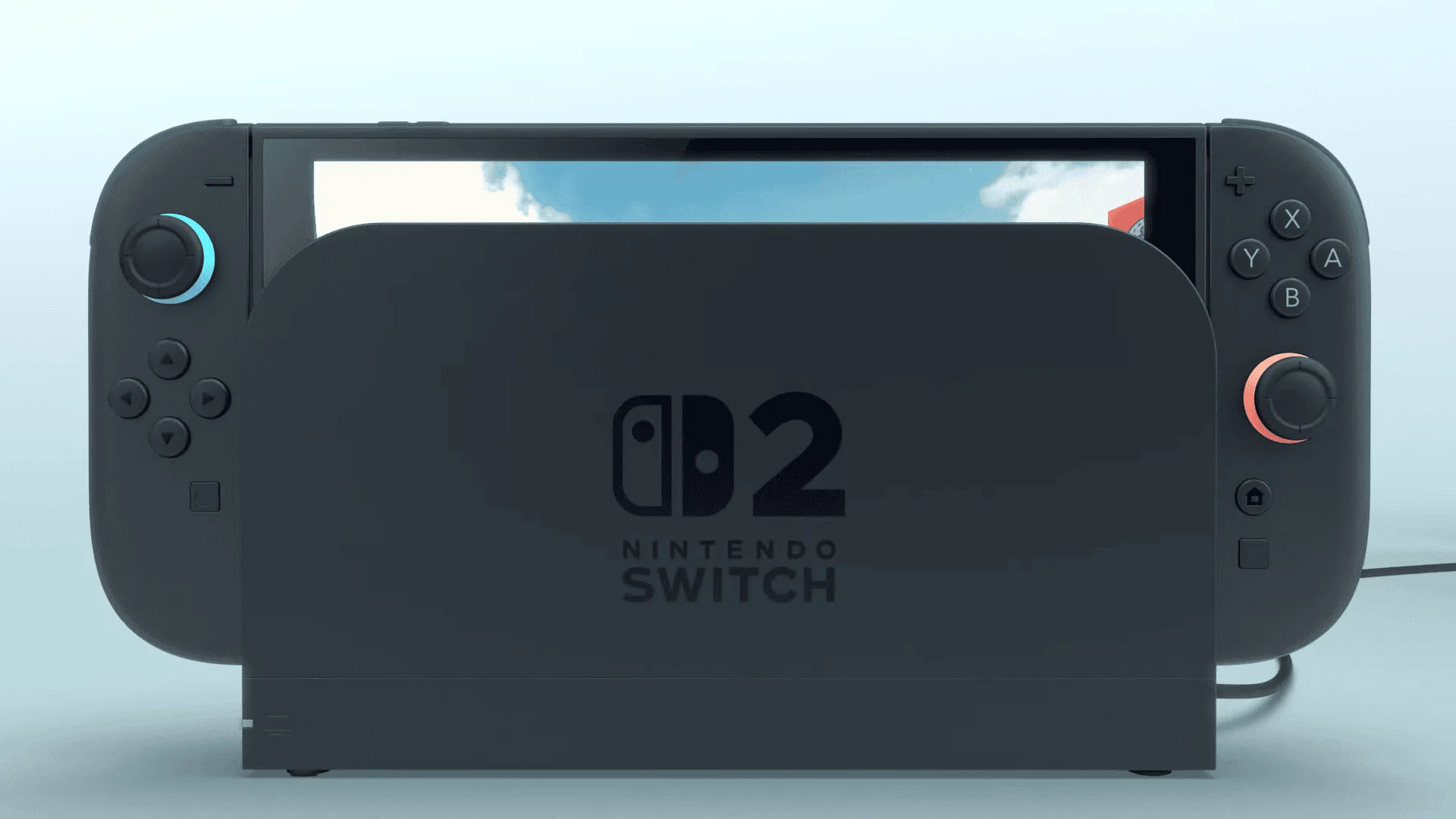
However, it is in docked mode where the true technological wizardry happens. By leveraging Nvidia’s DLSS 3.5 upscaling technology alongside an internal cooling boost from the redesigned dock, the Switch 2 outputs incredibly convincing 4K visuals to your living room television. In our synthetic benchmark tests and real-world playtime, load times were virtually eradicated thanks to the new 512GB NVMe SSD. While it doesn’t quite match the raw rasterization power of a PlayStation 5 or Xbox Series X, the AI-driven upscaling bridges the gap exceptionally well, ensuring that Nintendo is no longer left behind in the multi-platform release cycle.
Battery life is a commendable balancing act. Despite driving a much brighter, higher-resolution screen and a more power-hungry SoC, the 4,500 mAh battery delivers around 4.5 hours in heavy 3D titles and up to 8 hours for lighter 2D indie games. It is on par with the Switch OLED but vastly outperforms power-hungry PC handhelds in the current 2026 market, hitting the sweet spot for commuting and frequent travel.
Features & Software
The Switch 2 ships with a completely overhauled operating system that maintains Nintendo’s signature minimalist charm while introducing highly requested quality-of-life features. The new UI finally supports system-wide themes, custom folders at launch, and integrated voice chat directly through the console’s upgraded microphones, bypassing the clunky smartphone app requirement. Most importantly, the system boasts 100% backward compatibility with the original Switch library—both physical cartridges and digital purchases—with many legacy titles receiving automatic “Game Boost” patches that unlock frame rates and upscale resolutions without developer intervention.
Another standout feature is the “Quick Resume” functionality, clearly inspired by current-gen home consoles. Players can now suspend up to three games simultaneously and swap between them in seconds, writing state data directly to the blazing-fast NVMe storage. Paired with the new Wi-Fi 7 chip, game downloads and cloud saves sync at unprecedented speeds, making the entire software ecosystem feel remarkably frictionless and modern.
Value Proposition
Priced at $399, the Nintendo Switch 2 strikes an incredibly aggressive balance between cutting-edge technology and mass-market affordability. Considering the inclusion of an 8-inch VRR OLED screen, Hall Effect controllers, and dedicated DLSS hardware, the bill of materials justifies the $50 price bump over the launch price of the previous Switch OLED model. You are getting a system that plays modern triple-A ports competently while maintaining exclusivity over gaming’s most lucrative and beloved franchises.
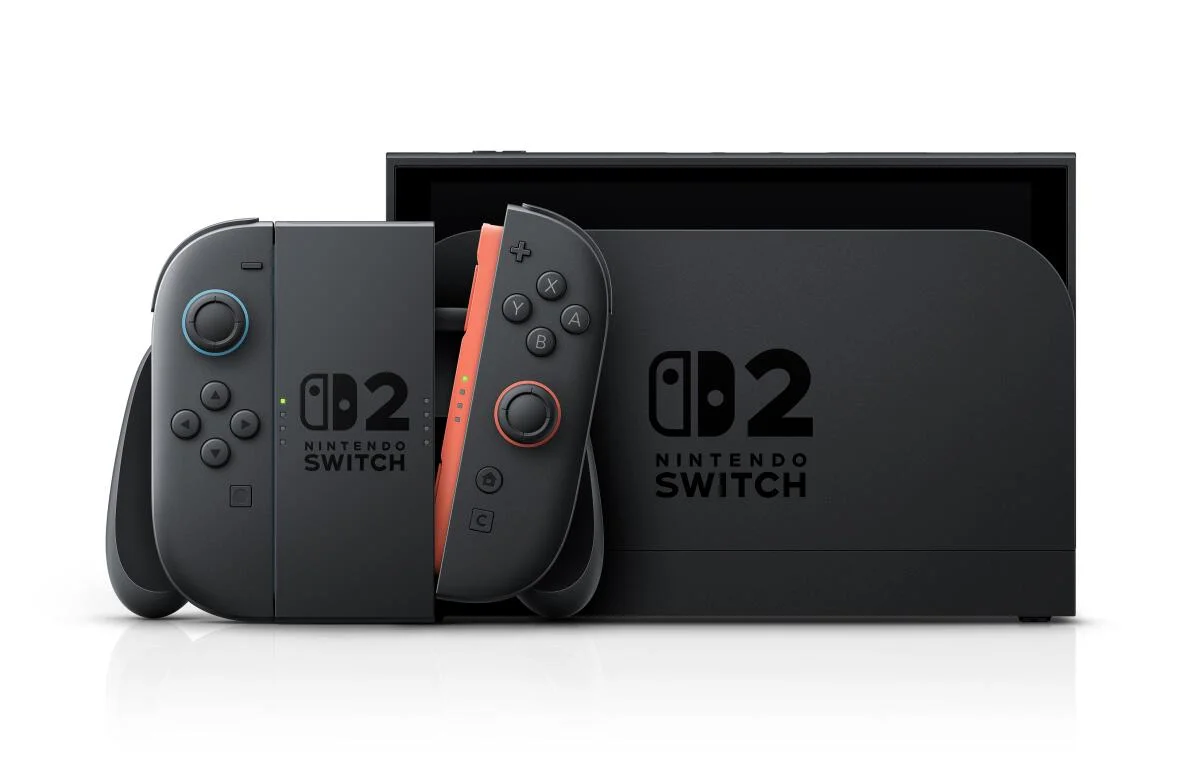
When evaluated as a primary gaming device, its value proposition is unmatched for both families and core gamers. You aren’t just buying hardware; you are buying access to an ecosystem that has successfully merged handheld convenience with highly acceptable home-console fidelity. This effectively negates the need for many consumers to purchase both a portable gaming device and an expensive traditional set-top box.
How It Compares
When placed next to the Steam Deck OLED, the Switch 2 holds its own beautifully. While Valve’s machine offers more raw freedom and access to massive legacy PC game libraries, the Switch 2 is significantly lighter, far more user-friendly, and boasts vastly superior battery life for modern titles. The Steam Deck can occasionally struggle to maintain a stable 60fps in brand-new games, whereas Nintendo’s DLSS integration ensures a smoother, highly optimized experience right out of the box. Compared to the ASUS ROG Ally X, the Switch 2 falls short in sheer compute power and high-end emulation, but it wins effortlessly in software polish, ease of use, and local multiplayer capabilities thanks to its detachable Joy-Cons.
Pros and Cons
Pros
- The 8-inch 120Hz OLED display with VRR provides stunning contrast and tear-free motion.
- Nvidia DLSS 3.5 integration allows for highly convincing 4K output when docked.
- The new Hall Effect Joy-Cons completely eliminate joystick drift and offer superior ergonomics.
- Full backward compatibility works flawlessly with physical and digital legacy Switch games.
- Quick Resume functionality allows seamless switching between multiple active games.
Cons
- The $399 launch price is a noticeable step up from previous Nintendo entry points.
- The heavier 440g weight can cause slight wrist fatigue during extended handheld sessions.
- Nintendo’s online infrastructure still lacks the robust social features found on PlayStation and Xbox.
- Third-party docks and original Switch cases are incompatible due to the increased dimensions.
FAQ
Q: Can the Nintendo Switch 2 play my original Switch games?
A: Yes, the console features full backward compatibility for both physical cartridges and digital library purchases, with many older games receiving automatic visual and performance boosts.
Q: Does the Switch 2 come with an OLED screen standard?
A: Yes, the base model of the Switch 2 launches with an 8-inch 1080p OLED panel featuring a 120Hz variable refresh rate.
Q: Will original Joy-Cons work with the Switch 2?
A: While original Joy-Cons can connect wirelessly for multiplayer gaming, they cannot slide onto the physical rails of the Switch 2 due to the new magnetic attachment system.
Q: How long does the battery last on a single charge?
A: Depending on the game’s graphical demands and screen brightness, battery life ranges between 4.5 hours for intense 3D titles and up to 8 hours for less demanding 2D indie games.
Verdict
The Nintendo Switch 2 is a masterclass in hardware iteration, perfectly addressing the performance bottlenecks and controller flaws of its predecessor while retaining the hybrid magic. It is an absolute must-buy for current Switch owners looking for a massive visual upgrade, as well as hardcore gamers seeking a premium, DLSS-powered handheld for their daily commute. If you want the most seamless blend of high-quality portable and living room gaming available in 2026, this is the console to get.
Where to Buy

- EXPERIENCE SENSORY BLISS: Prepare to be amazed by the intricate internal structure of the Onahole, featuring carefully designed folds and warts that stimulate your senses. Every inch of pleasure is heightened, leading you on a journey of ecstasy and unparalleled satisfaction.
- ENHANCED PLEASURE DESIGN: Elevate your pleasure to new heights with the closed type non-air masturbator design of the Onahole. This innovative design intensifies each stroke, maximizing the pleasure you feel. Immerse yourself in a world of heightened sensations and create unforgettable experiences.
- LIFELIKE REALISM: Crafted with the highest quality TPE material, the Onahole offers a realistic touch that blurs the lines between fantasy and reality. Surrender to the lifelike sensations it provides and let your desires run wild. Indulge in an experience that feels incredibly authentic.
- COMFORTABLE CONTROL: The Onahole's dimensions of 16.2 x 6.5 cm/6.3 x 2.5 inches are designed for a comfortable grip, allowing you to have complete control over your pleasure. Its ergonomic design ensures a seamless experience every time, providing ease of use and enhancing your enjoyment.
- NOTE: The product's actual color may differ from the images shown due to variations in monitor or mobile display capabilities and individual perception. Always Clean your Onahole after using it & DO NOT SHARE your toys to others.
Pros
- ✓ The 8-inch 120Hz OLED display with VRR provides stunning contrast and tear-free motion.
- ✓ Nvidia DLSS 3.5 integration allows for highly convincing 4K output when docked.
- ✓ The new Hall Effect Joy-Cons completely eliminate joystick drift and offer superior ergonomics.
- ✓ Full backward compatibility works flawlessly with physical and digital legacy Switch games.
- ✓ Quick Resume functionality allows seamless switching between multiple active games.
Cons
- ✗ The $399 launch price is a noticeable step up from previous Nintendo entry points.
- ✗ The heavier 440g weight can cause slight wrist fatigue during extended handheld sessions.
- ✗ Nintendo’s online infrastructure still lacks the robust social features found on PlayStation and Xbox.
- ✗ Third-party docks and original Switch cases are incompatible due to the increased dimensions.