




DJI Avata 360 Review Scores
4.2/5
81%
89%
90%
87%
77%
Scores out of 100 based on ClarityPoint review criteria.
The DJI Avata 360 arrives in 2026 as a significant evolution of DJI’s cinematic FPV lineup, delivering true 360-degree omnidirectional sensing and refined flight characteristics that enthusiasts have been demanding. This review examines its real-world performance, build quality, and feature set to determine if it justifies the premium price for both seasoned pilots and ambitious content creators. From lightning-fast manual maneuvers to buttery-smooth cinematic shots, the Avata 360 aims to bridge the gap between raw FPV excitement and accessible professional footage.
Table of Contents
Key Specifications
| Feature | Detail |
|---|---|
| Weight | 398g (with battery) |
| Dimensions | 178 × 123 × 78mm |
| Camera | 1/1.3″ CMOS, 48MP, 4K/120fps, 155° FOV |
| Max Speed | 108 km/h (Manual mode) |
| Flight Time | Up to 28 minutes |
| Transmission | O4 Enterprise, 15km range, 1080p/100fps feed |
| Sensing | 360° omnidirectional vision + infrared |
| Storage | 128GB internal (expandable via cloud sync) |
| Controller | DJI Motion Controller 2 + FPV Remote 3 |
Design & Build Quality
The DJI Avata 360 retains the signature cinewhoop ducted-propeller design that made its predecessor popular, but refines it with a more compact footprint and updated materials. The frame combines high-impact ABS polymer with strategic carbon-fiber reinforcement plates, resulting in a remarkably resilient yet lightweight package that shrugs off minor collisions. The four ducted props remain fully enclosed, making it one of the safest FPV drones to fly indoors or near bystanders.
Ergonomically, DJI listened to pilot feedback. The new Goggles 3 are noticeably lighter with improved weight distribution and a redesigned facial interface that reduces pressure during long sessions. The Motion Controller 2 feels more natural in the hand, with refined haptic feedback and a responsive joystick that provides excellent tactile connection. Overall fit and finish are impeccable, with tight panel gaps and a premium matte texture that resists fingerprints while maintaining grip in sweaty palm conditions.
Performance
In real-world testing throughout varied environments, the Avata 360 delivers exactly what tech-savvy pilots crave: blistering speed paired with confidence-inspiring stability. Manual mode rockets the drone to 108 km/h with instantaneous response, while Sport mode strikes an excellent balance for cinematic tracking shots. The new O4 Enterprise transmission system provides a rock-solid 1080p/100fps feed with virtually zero latency even at maximum range, a noticeable upgrade over the previous generation.
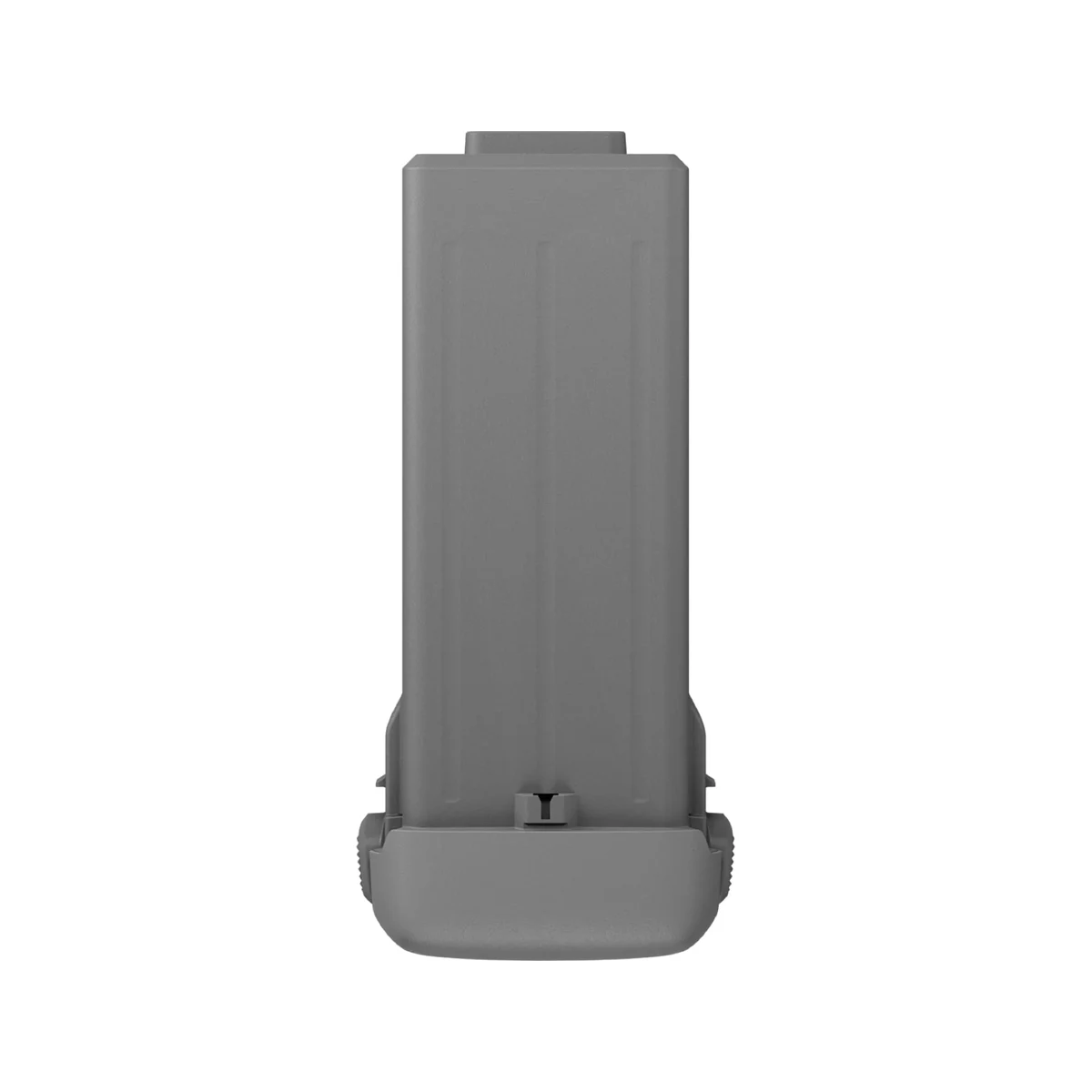
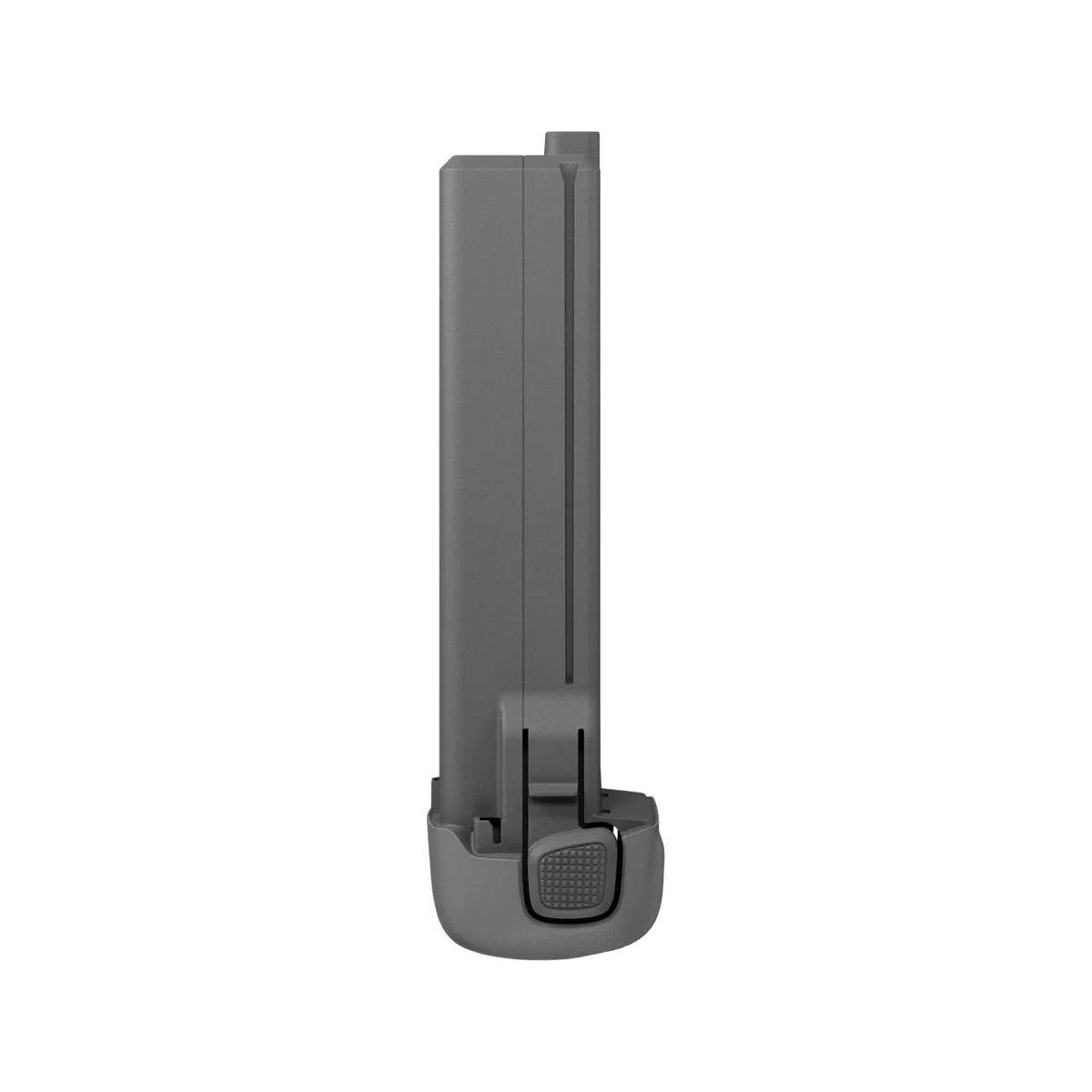
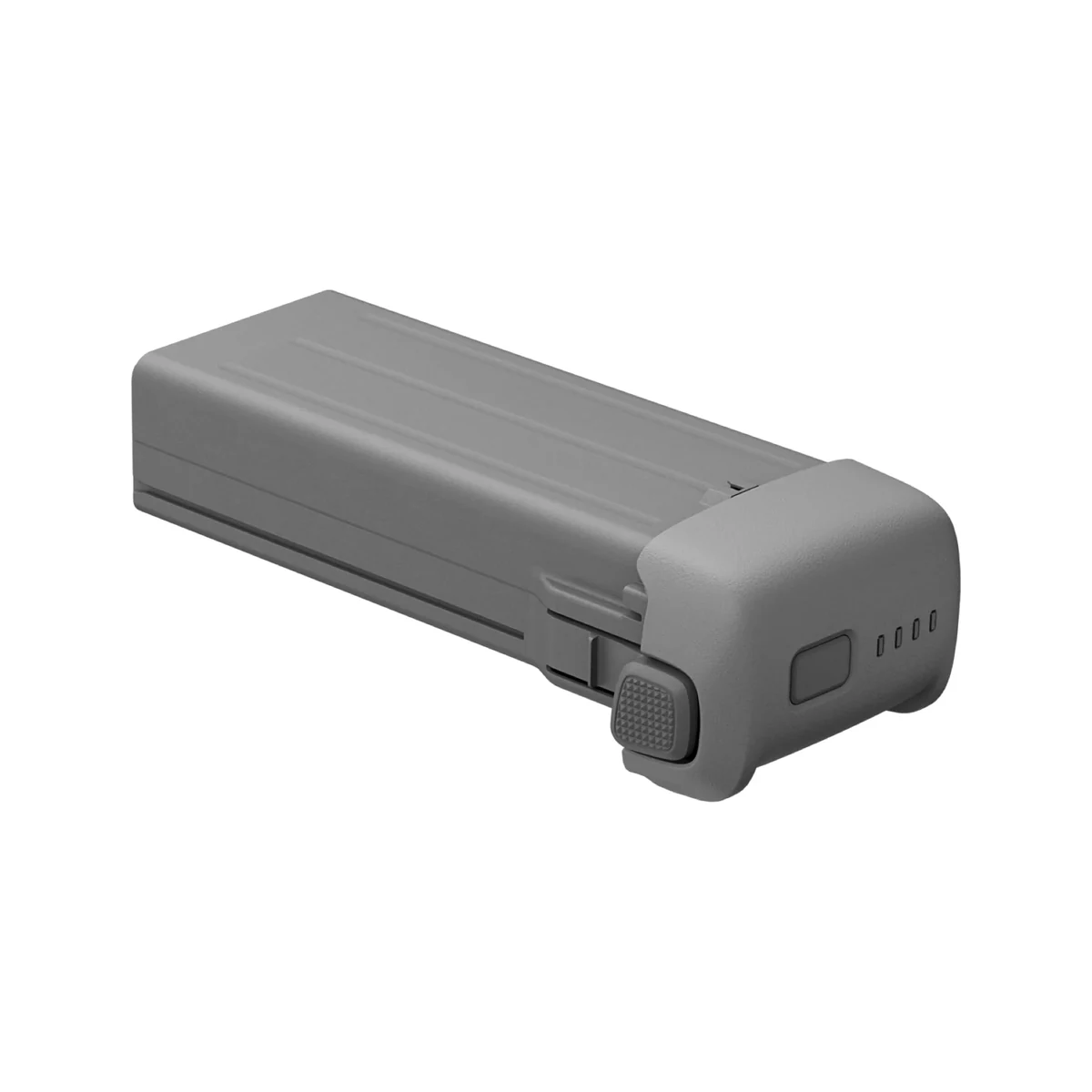
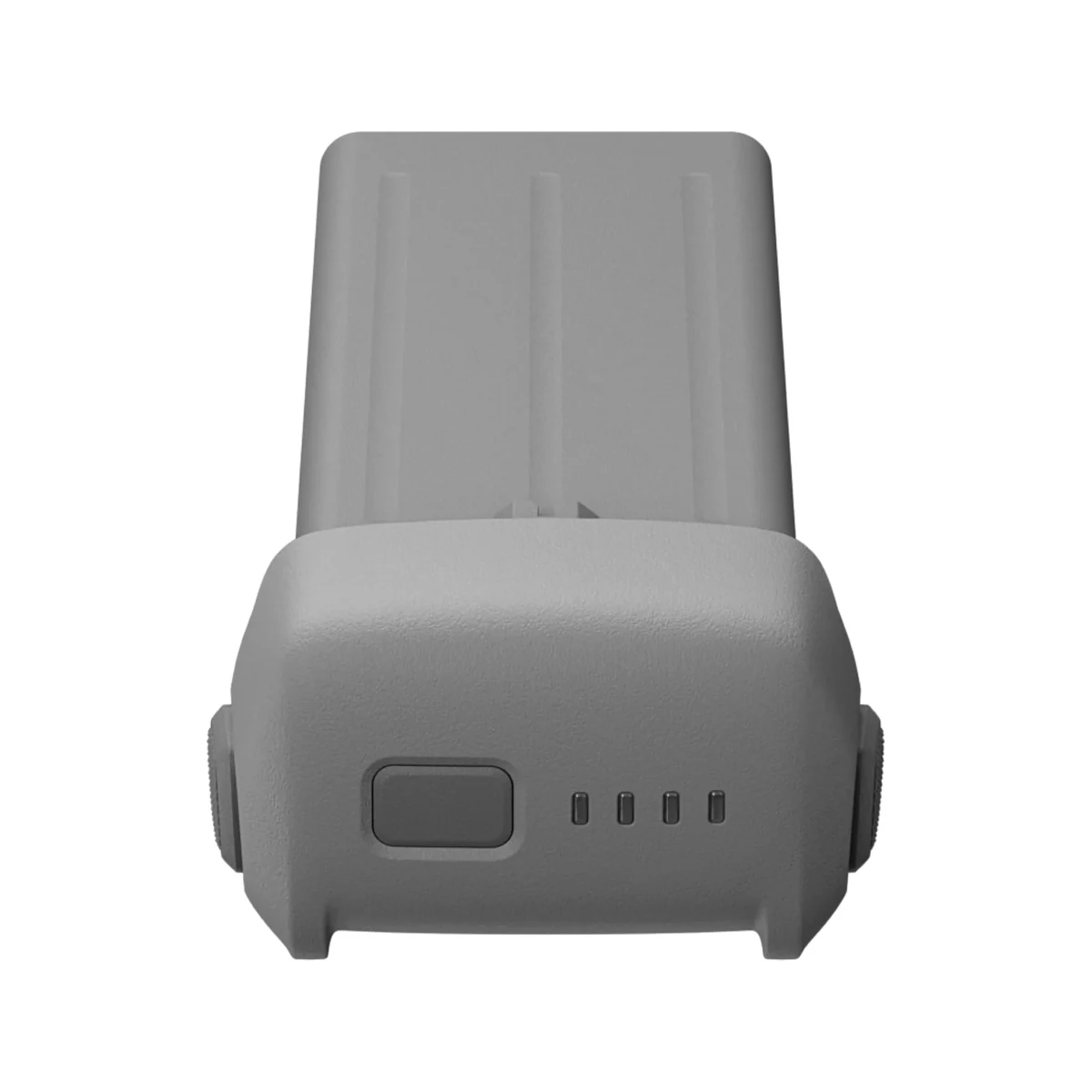
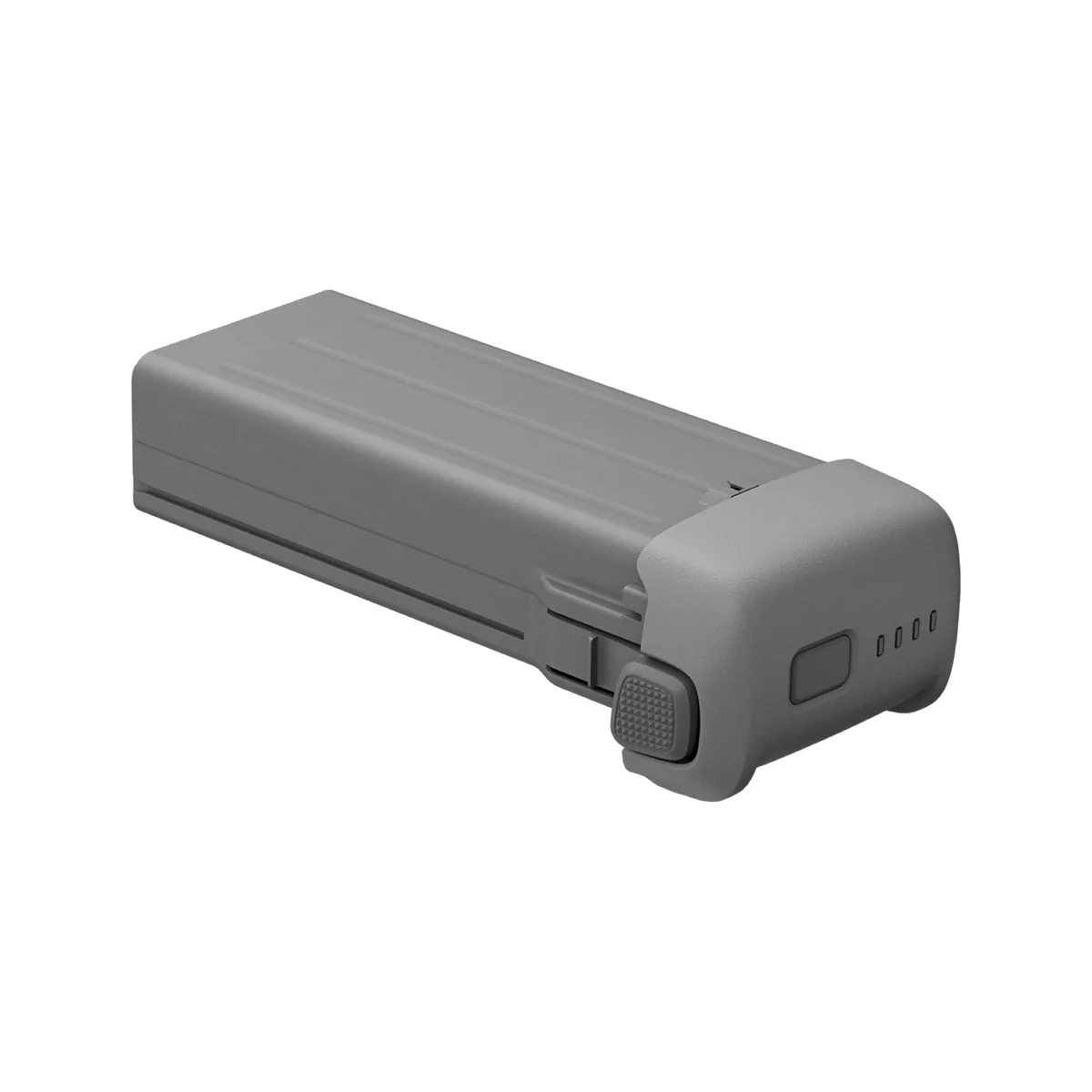
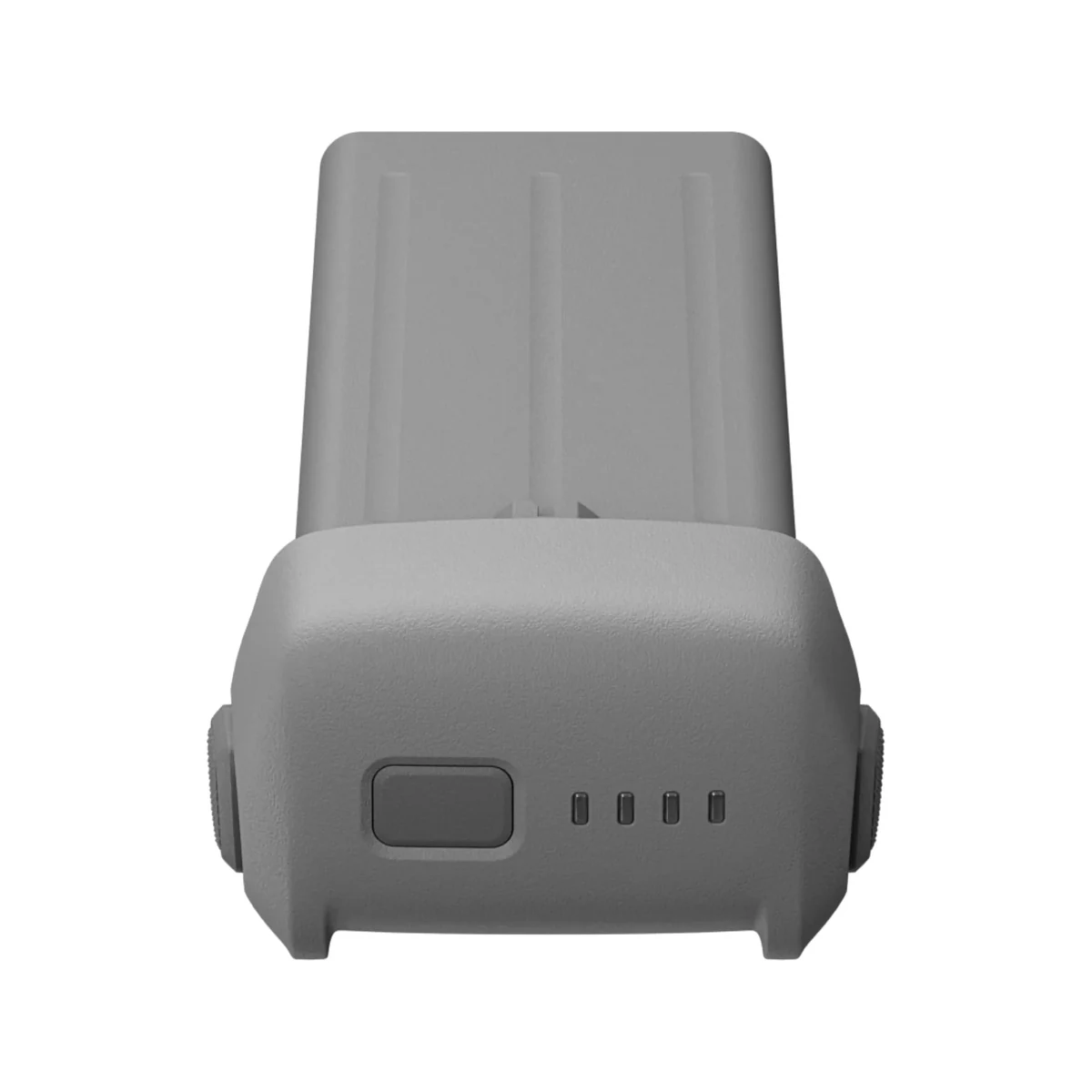
Battery life impresses, consistently delivering 24–26 minutes of mixed flying that includes aggressive maneuvers and 4K recording. Low-light performance has seen meaningful improvement thanks to the larger 1/1.3-inch sensor, producing clean footage well into twilight hours. The 360° sensing system is the standout performer, allowing the drone to navigate dense forest trails and complex urban structures autonomously with surprising intelligence. Wind resistance is excellent up to 35 mph, though pilots should remain cautious in gusty conditions above that threshold.
Features & Software
The headline feature is the fully realized 360° omnidirectional sensing suite that combines upgraded fisheye cameras with infrared depth sensing. This creates a protective bubble that actively avoids obstacles even during high-speed manual flight, dramatically reducing the anxiety traditionally associated with FPV. The drone also supports simultaneous 4K recording and 1080p streaming, DJI’s latest RockSteady 3.0+ stabilization, and new AI-powered subject tracking modes that actually work in dynamic environments.
The software experience via the updated DJI Fly app feels mature and polished. Pilots can seamlessly switch between fully manual, assisted, and fully autonomous modes. New creative tools include automated “360 Orbit” shots, hyperlapse sequences, and one-tap cinematic edits powered by on-device AI. Integration with the Goggles 3 is instantaneous, with customizable OSD layouts and the ability to overlay telemetry data without cluttering the immersive view.
Value Proposition
At a launch price of $1,299 for the Full Combo, the DJI Avata 360 sits at a premium but delivers compelling value for serious users. The inclusion of the improved Goggles 3, dual controllers, two intelligent batteries, and a robust carrying case softens the blow compared to purchasing components separately. When considering the advanced 360° sensing technology and meaningful performance gains over the previous generation, the package represents a worthwhile investment for content creators who monetize their footage.
Compared to building a comparable custom FPV cinewhoop with digital HD transmission and equivalent safety systems, the Avata 360 offers better reliability, polished software, and unmatched ecosystem integration. For professionals who value their time and consistency over incremental customization options, the total cost of ownership becomes competitive.
How It Compares
Against the DJI Avata 2, the Avata 360 makes substantial strides in obstacle avoidance and low-light performance. While the Avata 2 remains an excellent drone, the 360’s omnidirectional sensing system operates more reliably at high speeds and in complex environments, justifying the upgrade for pilots who frequently fly in tight spaces.
When compared to the BetaFPV Pavo30, the Avata 360 offers a dramatically more refined experience. The BetaFPV drone excels in raw agility and customization potential but lacks the polished software, reliable video transmission, and comprehensive safety systems that make the DJI product accessible to a broader range of skilled pilots. The Avata 360 essentially trades some extreme freestyle capability for versatility, cinematic quality, and peace of mind.
Pros and Cons
Pros
- True 360-degree sensing dramatically improves safety during aggressive FPV flight.
- Excellent 4K/120fps image quality with strong low-light performance.
- Refined ergonomics make long flying sessions more comfortable than previous generations.
- Intuitive software with useful AI-assisted creative tools.
- Strong transmission system maintains clear video feed at impressive distances.
Cons
- The $1,299 price point puts it out of reach for many hobbyists and beginners.
- Flight time drops significantly when pushing maximum speeds in Manual mode.
- Goggles still feel somewhat heavy during extended multi-hour shooting days.
- Limited third-party modification options compared to fully open-source FPV platforms.
- Requires a learning curve to fully utilize manual controls despite the safety features.
FAQ
Q: Is the DJI Avata 360 suitable for beginners?
A: It offers excellent safety features, but new pilots should start in assisted modes and gradually progress. The 360° sensing helps prevent crashes, but basic flight knowledge is still recommended.
Q: How does the 360-degree sensing actually work during manual flight?
A: The system uses multiple fisheye cameras and infrared sensors to create a 3D environmental map. It gently nudges controls or applies brakes when approaching obstacles, while still allowing skilled pilots to maintain creative control.
Q: What is the real-world flight time of the DJI Avata 360?
A: Expect 24–26 minutes in mixed use. Aggressive Manual mode flying typically yields 18–20 minutes, while cinematic flights in Normal mode can reach the full 28 minutes.
Q: Do I need a separate remote controller?
A: The Full Combo includes both the Motion Controller 2 and the FPV Remote Controller 3, giving users flexibility to choose their preferred input method.
Q: Is the DJI Avata 360 waterproof?
A: No. While it has improved dust and splash resistance, it is not rated for heavy rain or submersion. Care should be taken around water.
Verdict
The DJI Avata 360 is the best choice for experienced FPV pilots and professional content creators who need both thrilling flight dynamics and reliable safety systems in one package. Its combination of 360° sensing, excellent image quality, and refined ergonomics makes it a compelling proposition in 2026 despite the premium price. If you regularly produce cinematic FPV content or want the most polished ready-to-fly immersive experience available, the Avata 360 deserves serious consideration.
Pros
- ✓ True 360-degree sensing dramatically improves safety during aggressive FPV flight.
- ✓ Excellent 4K/120fps image quality with strong low-light performance.
- ✓ Refined ergonomics make long flying sessions more comfortable than previous generations.
- ✓ Intuitive software with useful AI-assisted creative tools.
- ✓ Strong transmission system maintains clear video feed at impressive distances.
Cons
- ✗ The $1,299 price point puts it out of reach for many hobbyists and beginners.
- ✗ Flight time drops significantly when pushing maximum speeds in Manual mode.
- ✗ Goggles still feel somewhat heavy during extended multi-hour shooting days.
- ✗ Limited third-party modification options compared to fully open-source FPV platforms.
- ✗ Requires a learning curve to fully utilize manual controls despite the safety features.
Where to Buy the DJI Avata 360





Prices may vary. Affiliate links — we may earn a commission at no extra cost to you.
Related Reviews

Affiliate links — we may earn a commission at no extra cost to you.