



The Meta Quest 3 continues to set the standard for standalone VR in 2026, delivering powerful mixed reality experiences, sharp visuals, and responsive performance without needing a high-end PC. Its refined design and extensive content library make it a compelling choice for both gamers and productivity users looking to bridge digital and physical worlds. This in-depth review examines whether it remains the smartest VR investment three years after launch.
Table of Contents
Key Specifications
| Feature | Detail |
|---|---|
| Processor | Qualcomm Snapdragon XR2 Gen 2 |
| Display | 2064 × 2208 per eye, LCD with pancake lenses |
| Refresh Rate | 90Hz native, up to 120Hz |
| Storage | 128GB or 512GB |
| RAM | 8GB |
| Weight | 515g |
| Battery Life | Approximately 2.2 hours (varies by use) |
| Passthrough | Full-color, high-resolution mixed reality |
| IPD Adjustment | 53–75mm (continuous slider) |
Design & Build Quality
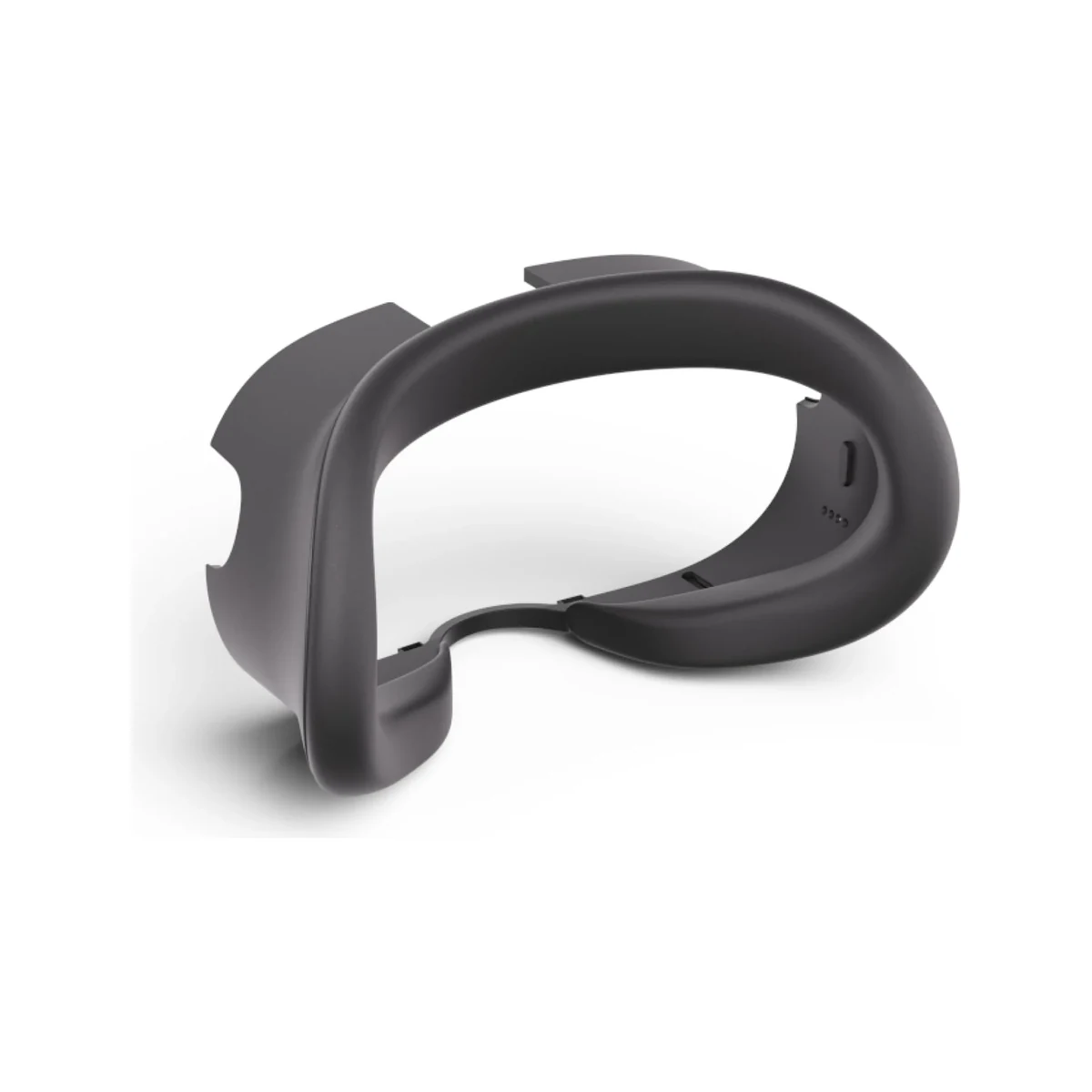
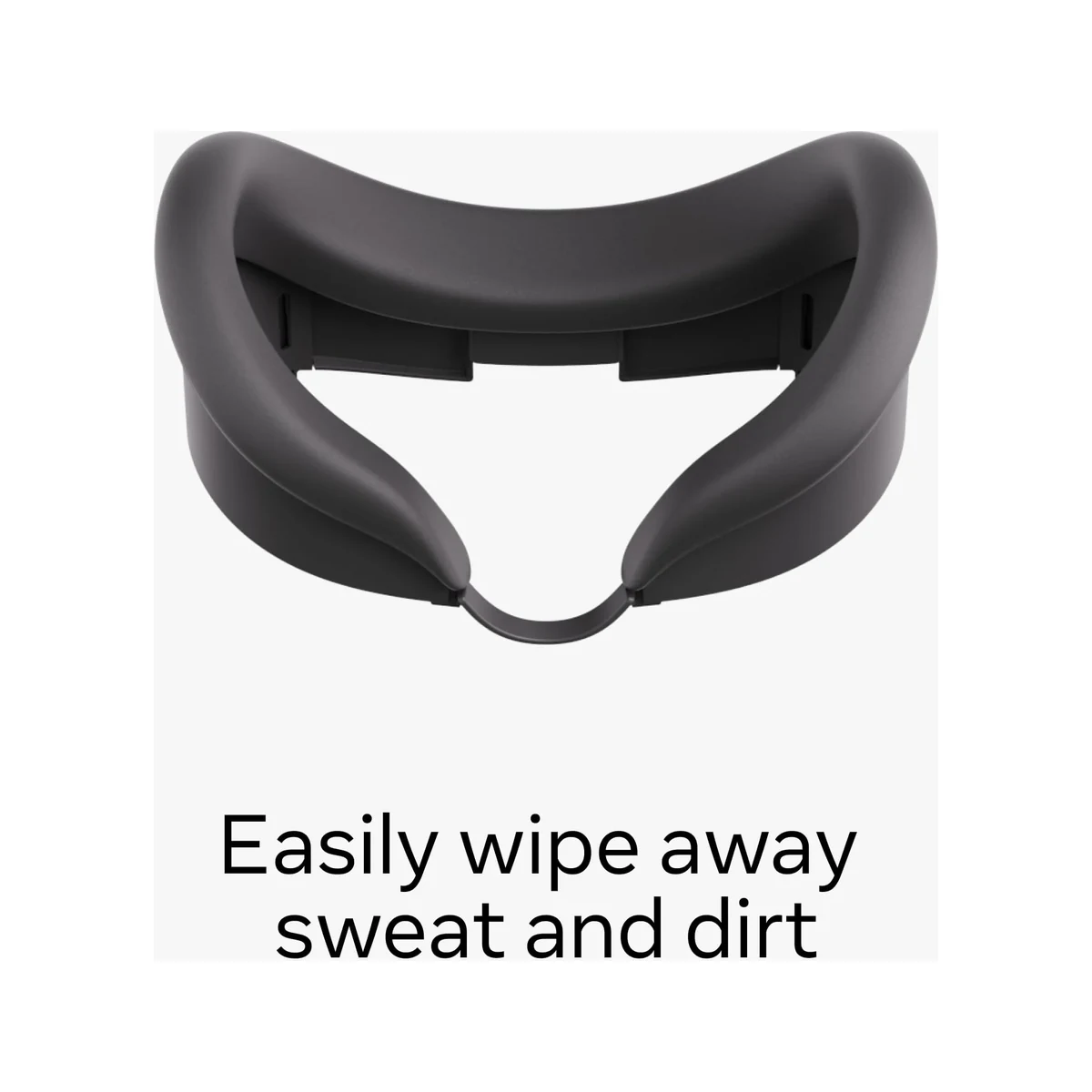
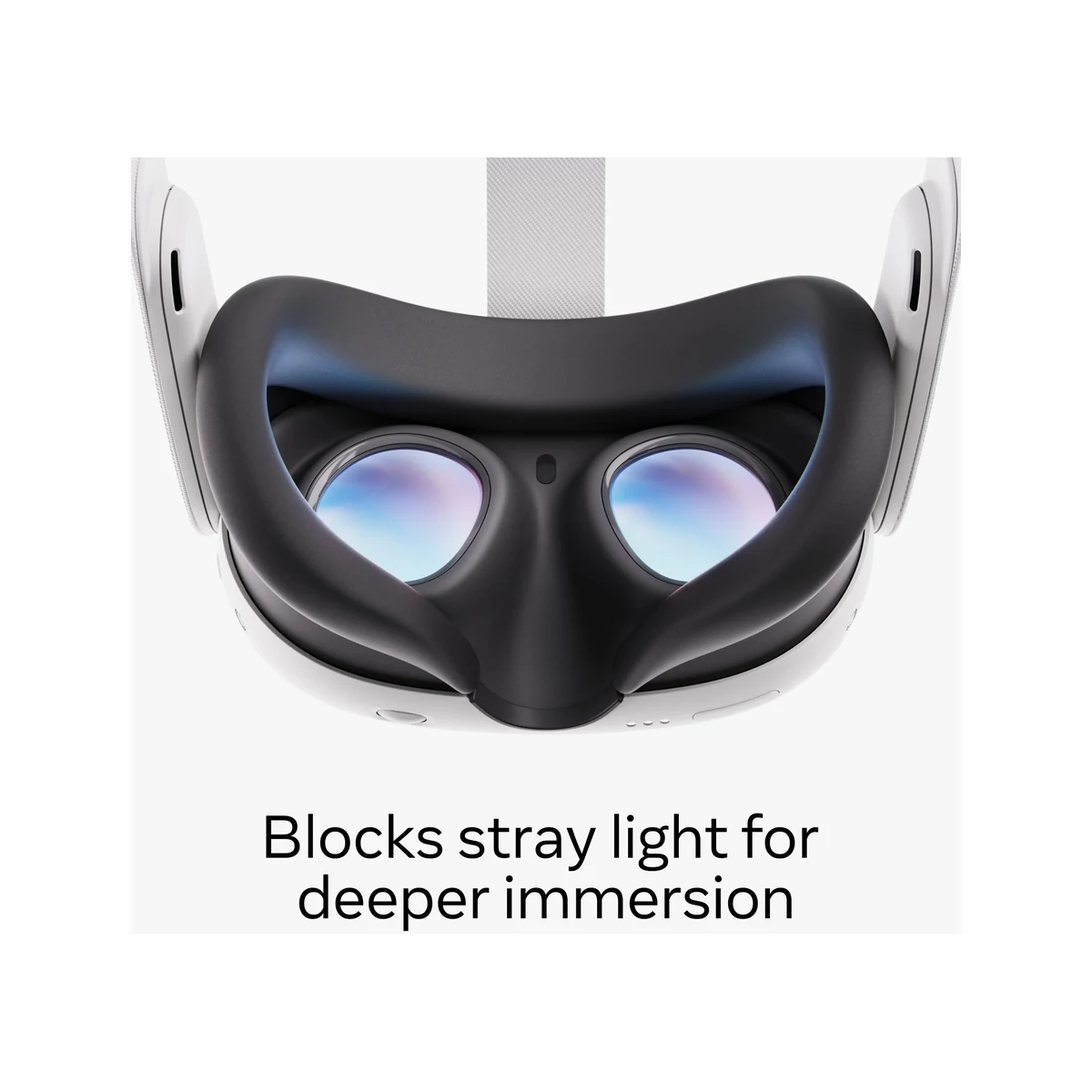
The Meta Quest 3 adopts a sleek, minimalist aesthetic with a white matte finish that feels distinctly more premium than the Quest 2. Its pancake lenses enable a slimmer profile while delivering improved clarity across a wider sweet spot. The facial interface uses softer, more breathable materials with enhanced weight distribution, though the 515g headset still carries noticeable forward bias during extended sessions.
Ergonomics receive meaningful upgrades through the continuous IPD slider and redesigned strap system that better balances the device on the head. The Touch Plus controllers shed their rings for a cleaner, more comfortable grip with improved haptics that translate subtle feedback effectively. Overall build quality is solid, with tight panel gaps and durable materials that withstand regular use, making the Quest 3 suitable for both casual home use and more intensive daily sessions.
Performance
Powered by the Snapdragon XR2 Gen 2 platform with 8GB of RAM, the Quest 3 delivers consistently smooth performance in 2026. Demanding titles such as Assassin’s Creed Nexus and RE4 VR maintain stable frame rates even with complex lighting and particle effects. Real-world testing shows load times have improved significantly over the Quest 2, with the system handling rapid environment switching in mixed reality scenarios without stuttering.
Benchmarks place the Quest 3 roughly twice as powerful as its predecessor, enabling higher texture resolutions and more sophisticated AI-driven interactions. The headset rarely feels taxed during typical use, though graphically intensive PCVR streaming via Air Link can reveal compression artifacts depending on router quality. Thermal management is competent, with the device warming but never becoming uncomfortably hot during two-hour play sessions.
Features & Software
The standout feature remains the high-fidelity full-color passthrough cameras that enable seamless mixed reality experiences. Users can place virtual screens in their living room, play tabletop games on actual surfaces, or navigate 3D productivity tools with remarkable spatial accuracy. Horizon OS has matured considerably by 2026, offering a polished, intuitive interface with robust multitasking and frequent updates that keep the content ecosystem vibrant.
Hand tracking has reached a level where many experiences no longer require controllers, while the expansive Meta Store and third-party app support provide thousands of titles ranging from AAA games to fitness, social, and productivity applications.
Value Proposition
At its current 2026 street price, the Meta Quest 3 delivers exceptional value by offering premium mixed reality capabilities at a fraction of the cost of dedicated AR glasses or the Apple Vision Pro. The combination of standalone operation, vast content library, and regular software updates creates a platform that continues to improve years after purchase. For most consumers, it strikes the ideal balance between performance and affordability in the current VR landscape.
How It Compares
Against its predecessor, the Meta Quest 2, the Quest 3 provides sharper visuals, dramatically better color passthrough, and roughly double the processing power, making older titles feel refreshed. When compared to the Apple Vision Pro, the Quest 3 sacrifices some display sharpness and spatial computing polish but wins decisively on price, controller precision, and overall content availability, making it the more practical choice for most users.
Pros and Cons
Pros
- Exceptional full-color mixed reality passthrough creates genuinely useful real-world integration.
- Powerful standalone performance handles demanding games without requiring a PC.
- Vast and continually growing library of VR and MR content keeps the platform fresh.
- Refined design and improved optics deliver clearer visuals than previous Quest models.
- Strong long-term software support ensures relevance well into 2026 and beyond.
Cons
- Battery life remains limited to roughly two hours during intensive gameplay or MR sessions.
- The headset requires a Meta account for full functionality, which may concern privacy-conscious users.
- Forward weight distribution can cause discomfort during extended use without aftermarket straps.
- Field of view, while improved, still feels narrower than premium PC-tethered VR headsets.
- Visual fidelity in standalone mode cannot match high-end PC VR rigs with dedicated graphics cards.
FAQ
Q: Is the Meta Quest 3 still worth buying in 2026?
A: Yes. With current pricing and continued software support, it offers one of the best price-to-performance ratios in consumer VR and mixed reality.
Q: Can the Quest 3 be used without a Meta account?
A: Limited functionality is available, but full access to the store, multiplayer, and most experiences requires signing in with a Meta account.
Q: How does Quest 3 mixed reality compare to Apple Vision Pro?
A: Quest 3 offers comparable spatial awareness at a much lower price point, though Vision Pro provides superior micro-OLED displays and eye-tracking.
Q: Does the Quest 3 support PCVR gaming?
A: Yes, through both wireless Air Link and wired USB-C connection, allowing access to the full SteamVR library when paired with a capable gaming PC.
Q: What accessories are recommended for the Meta Quest 3?
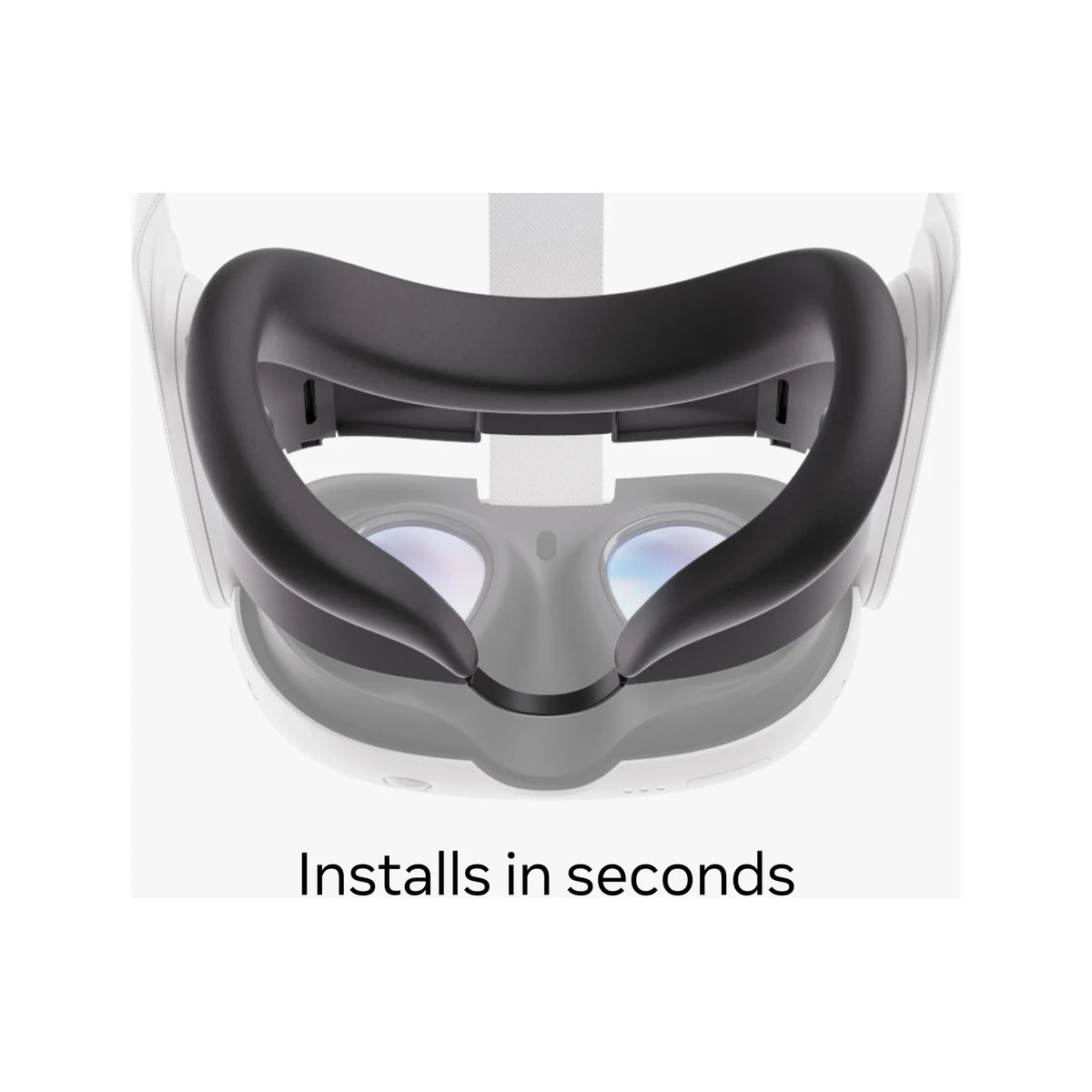
A: A premium head strap with battery pack, protective carrying case, and lens protectors significantly improve comfort and longevity.
Verdict
The Meta Quest 3 remains an outstanding choice in 2026 for gamers, creators, and tech enthusiasts seeking a versatile standalone headset that excels at both traditional VR and immersive mixed reality. Its combination of refined hardware, powerful performance, and extensive content library delivers exceptional value that higher-priced competitors struggle to match. If you want a capable, future-proof VR/MR device without spending thousands, the Quest 3 is still one of the smartest purchases available.
Pros
- ✓ Exceptional full-color mixed reality passthrough creates genuinely useful real-world integration.
- ✓ Powerful standalone performance handles demanding games without requiring a PC.
- ✓ Vast and continually growing library of VR and MR content keeps the platform fresh.
- ✓ Refined design and improved optics deliver clearer visuals than previous Quest models.
- ✓ Strong long-term software support ensures relevance well into 2026 and beyond.
Cons
- ✗ Battery life remains limited to roughly two hours during intensive gameplay or MR sessions.
- ✗ The headset requires a Meta account for full functionality, which may concern privacy-conscious users.
- ✗ Forward weight distribution can cause discomfort during extended use without aftermarket straps.
- ✗ Field of view, while improved, still feels narrower than premium PC-tethered VR headsets.
- ✗ Visual fidelity in standalone mode cannot match high-end PC VR rigs with dedicated graphics cards.