



The AMD Radeon RX 9070 XT stands out in the 2026 GPU landscape with its powerful RDNA 4 architecture and impressive 4K gaming prowess. This graphics card combines stellar rasterization performance with significantly enhanced ray tracing capabilities, making it a top choice for enthusiasts. In our comprehensive review, we examine whether it delivers the performance and value that tech-savvy users demand.
Table of Contents
Key Specifications
| Feature | Detail |
|---|---|
| Architecture | RDNA 4 |
| Process Node | 3nm |
| Compute Units | 84 |
| Stream Processors | 5376 |
| Boost Clock | Up to 3.1 GHz |
| Memory | 20GB GDDR7 |
| Memory Bus | 320-bit |
| Memory Bandwidth | 1.12 TB/s |
| TDP | 335W |
| Ray Accelerators | 2nd Generation |
| AI Accelerators | 4th Generation |
| Ports | 3x DisplayPort 2.1, 1x HDMI 2.1b |
Design & Build Quality
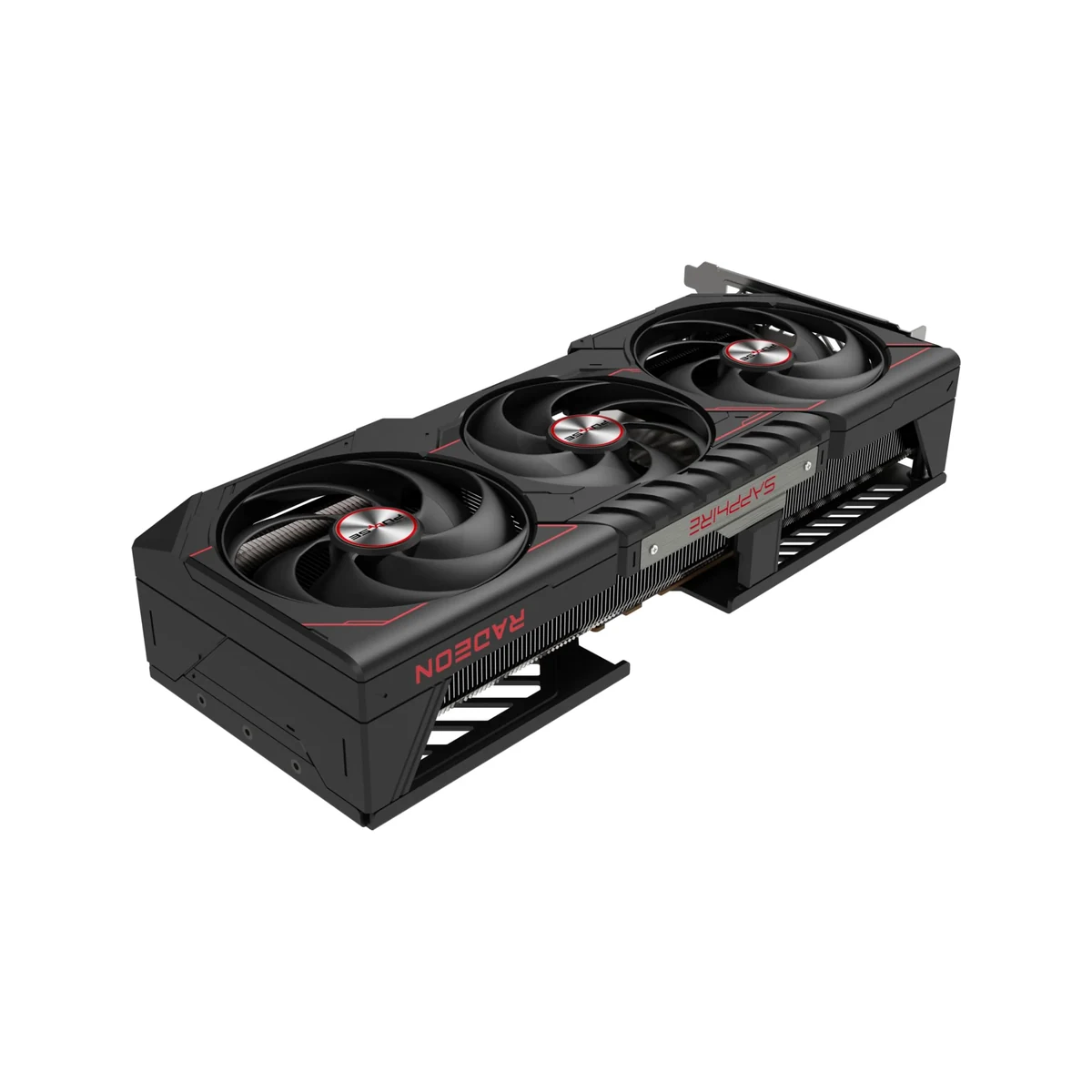
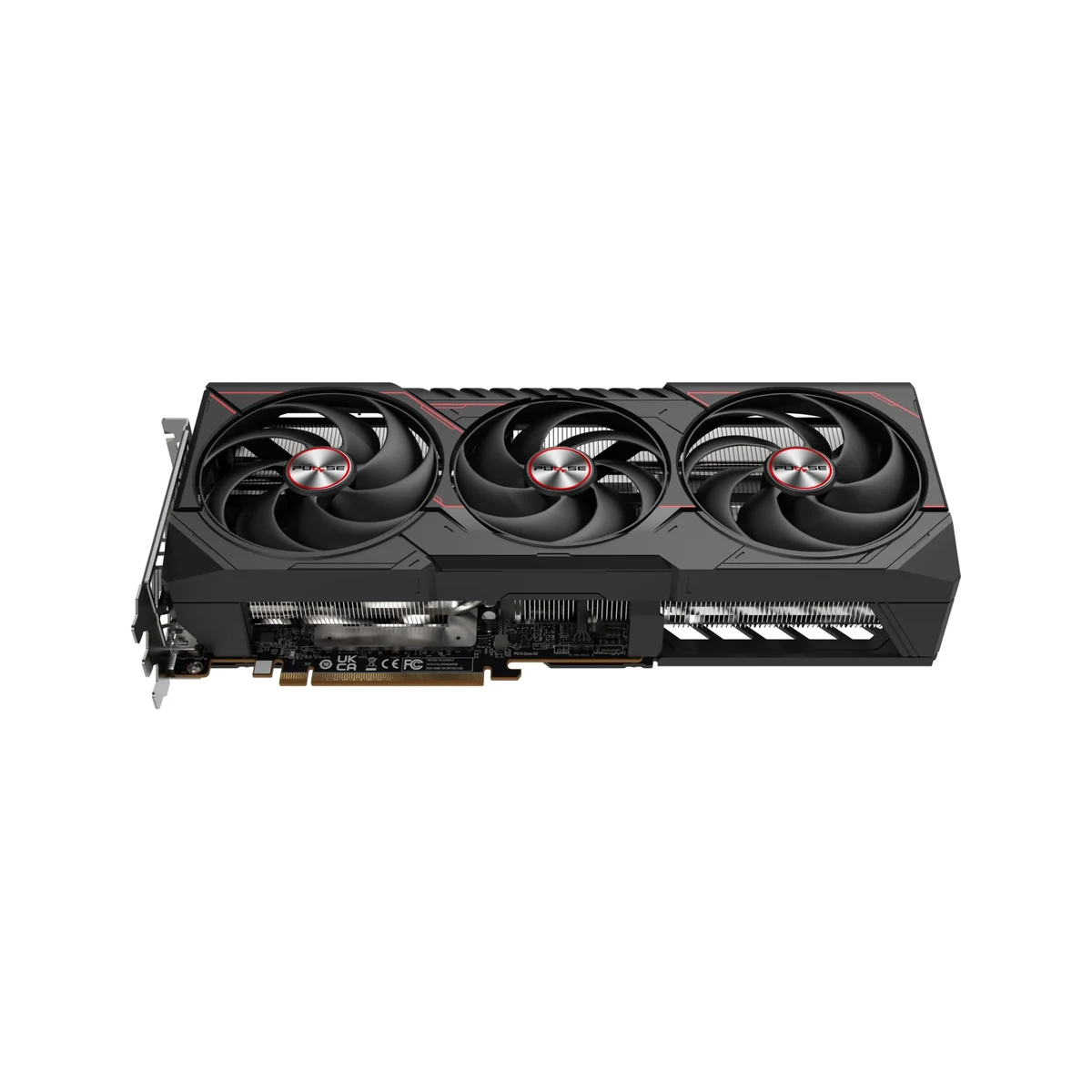
The AMD Radeon RX 9070 XT features a premium triple-slot cooler with a sleek matte-black aluminum shroud accented by subtle silver branding. Its angular design language feels modern and purposeful, while the substantial vapor chamber and dense fin array speak to AMD’s focus on thermal efficiency. Build quality is excellent, with a rigid metal backplate that doubles as structural reinforcement and helps dissipate heat across the entire card.
Three 90mm axial fans operate quietly under load thanks to advanced blade geometry and fluid dynamic bearings. The card measures 319mm long by 132mm tall, fitting comfortably in most mid-tower and larger cases while maintaining reasonable weight distribution. RGB lighting is tasteful and fully customizable through AMD Adrenalin software, allowing synchronization with other ecosystem components without looking overly flashy.
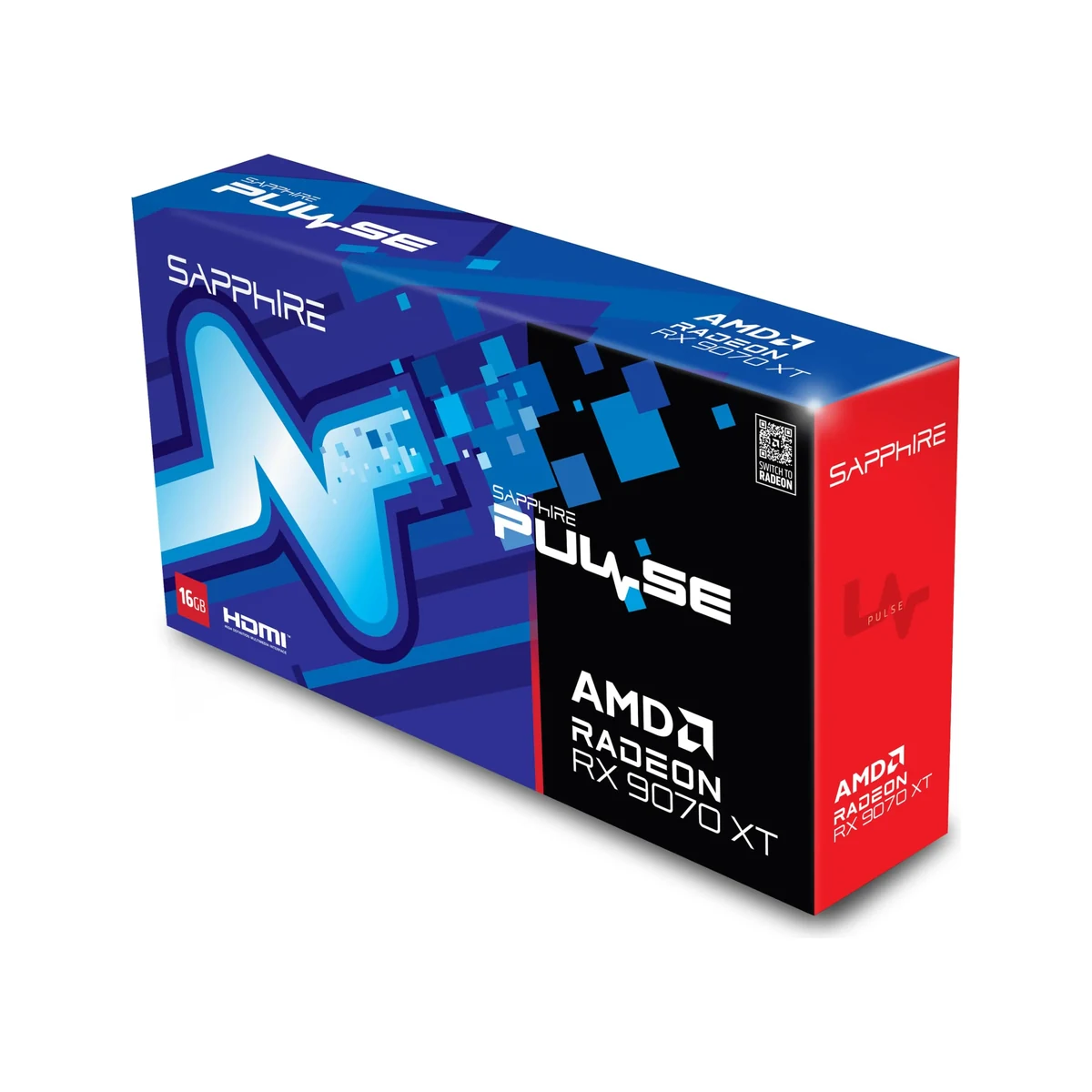
Installation is straightforward, though the 335W TDP means users should plan for adequate case airflow. The power connector layout uses a single 12V-2×6 (16-pin) connector, reducing cable clutter compared with previous generations. Overall, AMD has delivered a card that feels premium, runs cool, and integrates cleanly into high-end 2026 builds.
Performance
In real-world 4K testing the RX 9070 XT consistently delivers 75-110 FPS in demanding titles such as Cyberpunk 2077, Alan Wake 2, and Black Myth: Wukong at Ultra settings with ray tracing enabled. With FSR 4 Quality mode engaged, frame rates frequently climb above 100 FPS while maintaining excellent image stability. Rasterization performance is particularly strong, showing a 42% uplift over the RX 7970 XT and competitive results against similarly priced competitors.
Synthetic benchmarks reflect this capability. In 3DMark Time Spy Extreme the card scores approximately 18,400, while Blender GPU rendering tests complete the Monster benchmark in 47 seconds. Content creators will appreciate the 20GB GDDR7 memory when handling 8K video timelines or complex 3D scenes in applications like DaVinci Resolve and Adobe Premiere Pro. The 4th-generation AI accelerators also accelerate Stable Diffusion workloads by up to 2.8× compared with the previous generation.
Power efficiency has improved markedly thanks to the 3nm process, though the 335W TDP still demands a quality 750W+ PSU. Thermals stay well controlled, with GPU temperatures typically peaking at 68°C and noise levels remaining below 38 dB even during extended sessions. The combination of raw horsepower, generous memory, and refined upscaling technology makes the RX 9070 XT a formidable 4K and high-refresh-rate 1440p performer.
Features & Software
AMD has equipped the RX 9070 XT with AV1 encoding/decoding hardware, HDMI 2.1b with 48Gbps bandwidth, and full support for DisplayPort 2.1 UHBR13.4. The headline feature remains Fluid Motion Frames 2 combined with the latest FSR 4 upscaling, which together deliver smoother gameplay with fewer visual artifacts than previous solutions. HYPR-RX automatically optimizes latency, frame pacing, and power states for a remarkably responsive experience.
The revamped Radeon Software Adrenalin 2026 edition continues AMD’s tradition of an intuitive, feature-rich interface. Gamers can fine-tune fan curves, monitor metrics in real time, and access one-click overclocking profiles. The inclusion of Radeon Anti-Lag 2 and Boost Clock enhancements provides measurable latency reductions that competitive players will appreciate. Driver stability has matured significantly, with day-one support for major 2026 titles.
Value Proposition
At an MSRP of $699 the RX 9070 XT delivers outstanding price-to-performance ratios in traditional rasterization workloads. Gamers who prioritize high frame rates over maximum ray-traced visuals receive substantially more performance per dollar than NVIDIA’s equivalent offerings. The generous 20GB of fast GDDR7 memory also future-proofs the card for upcoming titles and creative applications that are increasingly VRAM hungry.
While NVIDIA maintains an edge in pure ray-tracing and ecosystem-exclusive features, AMD’s aggressive pricing and improving software stack close the gap for most users. The RX 9070 XT therefore represents one of the strongest value propositions in the upper-midrange segment of 2026, especially for those building systems around AMD CPUs where Smart Access Memory and HYPR-RX can extract additional performance.
How It Compares
Against the NVIDIA GeForce RTX 5070 Ti, the RX 9070 XT trades blows in pure rasterization and often leads by 10-15% at 4K when ray tracing is disabled. However, the RTX 5070 Ti’s superior 4th-generation RT cores and refined DLSS 4 upscaling give it the advantage in heavily ray-traced titles and when maximum visual fidelity is required. The AMD card counters with more VRAM, lower launch price, and stronger AV1 encoding for streamers.
Compared with its predecessor, the RX 8070 XT, the 9070 XT offers roughly 35-45% better performance, improved power efficiency, and far more capable AI hardware. The generational leap feels significant enough to justify upgrading for users still on RDNA 3 cards, particularly those targeting consistent 4K 120 Hz gameplay.
Pros and Cons
Pros
- Delivers excellent 4K rasterization performance with high frame rates in demanding titles.
- 20GB of GDDR7 memory provides strong future-proofing for both gaming and content creation.
- Quiet and effective cooling solution keeps temperatures and noise levels well controlled.
- Competitive pricing offers better value than equivalent NVIDIA offerings in many scenarios.
- Feature-rich Adrenalin software with useful tools for monitoring and optimization.
Cons
- Ray tracing performance still trails NVIDIA’s RTX 5070 Ti in heavily RT-dependent games.
- 335W TDP requires a robust power supply and good case airflow for optimal operation.
- Some niche applications and older titles still exhibit occasional driver-level quirks.
- The large triple-slot cooler may limit compatibility in smaller form-factor builds.
- Lacks certain ecosystem-exclusive features like NVIDIA Broadcast and Reflex equivalents that are more refined.
FAQ
Q: Is the AMD Radeon RX 9070 XT good for 4K gaming in 2026?
A: Yes. It consistently delivers playable frame rates above 60 FPS at 4K Ultra settings in modern titles, especially when leveraging FSR 4.
Q: How does the RX 9070 XT compare to the NVIDIA RTX 5070 Ti?
A: The AMD card offers better rasterization performance and more VRAM at a lower price, while the RTX 5070 Ti leads in ray tracing and upscaling quality.
Q: What power supply does the RX 9070 XT require?
A: AMD recommends a minimum 750W 80+ Gold unit, though 850W is preferable for headroom and system stability.
Q: Does the RX 9070 XT support AV1 encoding?
A: Yes. It includes dedicated AV1 hardware encoders that provide excellent quality and efficiency for streaming and video recording.
Q: Is the Radeon Software Adrenalin 2026 stable?
A: Driver stability has improved considerably. Day-one support for major titles is reliable, though occasional edge-case issues can still appear.
Verdict
The AMD Radeon RX 9070 XT is an outstanding choice for gamers and content creators who want strong 4K performance and generous VRAM without paying NVIDIA premiums. It excels in rasterization-heavy workloads and offers compelling overall value in the current market. If your priorities include maximum frame rates, future-proof memory capacity, and excellent price-to-performance, this card deserves serious consideration.
Pros
- ✓ Delivers excellent 4K rasterization performance with high frame rates in demanding titles.
- ✓ 20GB of GDDR7 memory provides strong future-proofing for both gaming and content creation.
- ✓ Quiet and effective cooling solution keeps temperatures and noise levels well controlled.
- ✓ Competitive pricing offers better value than equivalent NVIDIA offerings in many scenarios.
- ✓ Feature-rich Adrenalin software with useful tools for monitoring and optimization.
Cons
- ✗ Ray tracing performance still trails NVIDIA’s RTX 5070 Ti in heavily RT-dependent games.
- ✗ 335W TDP requires a robust power supply and good case airflow for optimal operation.
- ✗ Some niche applications and older titles still exhibit occasional driver-level quirks.
- ✗ The large triple-slot cooler may limit compatibility in smaller form-factor builds.
- ✗ Lacks certain ecosystem-exclusive features like NVIDIA Broadcast and Reflex equivalents that are more refined.
Where to Buy the AMD Radeon RX 9070 XT





Prices may vary. Affiliate links — we may earn a commission at no extra cost to you.
Related Reviews

Affiliate links — we may earn a commission at no extra cost to you.