


OnePlus Pad 3 Review Scores
4.3/5
88%
91%
93%
89%
68%
Scores out of 100 based on ClarityPoint review criteria.
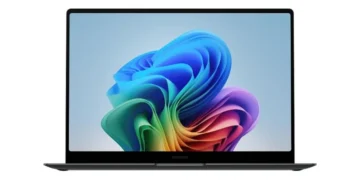
The OnePlus Pad 3 arrives as a refined flagship Android tablet that combines blistering Snapdragon 8 Gen 5 performance with a stunning 12.4-inch 165Hz LTPO OLED display. Its slim aluminum design and intelligent OxygenOS 16 multitasking features target users who demand both productivity and premium entertainment in one device. This 2026 review examines whether it truly outperforms the competition.
Table of Contents
Key Specifications
| Feature | Detail |
|---|---|
| Display | 12.4-inch 3K (3000×2120) LTPO OLED, 165Hz, 3000 nits peak, Dolby Vision, HDR10+ |
| Processor | Qualcomm Snapdragon 8 Gen 5 |
| RAM & Storage | 12GB/16GB LPDDR5X RAM, 256GB/512GB/1TB UFS 4.0 storage |
| Battery & Charging | 10,200mAh with 80W SUPERVOOC fast charging |
| Dimensions & Weight | 279.5 x 189.2 x 5.6mm, 568g |
| OS | OxygenOS 16 based on Android 16 (4 OS updates promised) |
| Audio | Quad speakers tuned by Dolby Atmos |
| Connectivity | Wi-Fi 7, Bluetooth 6.0, optional 5G variant |
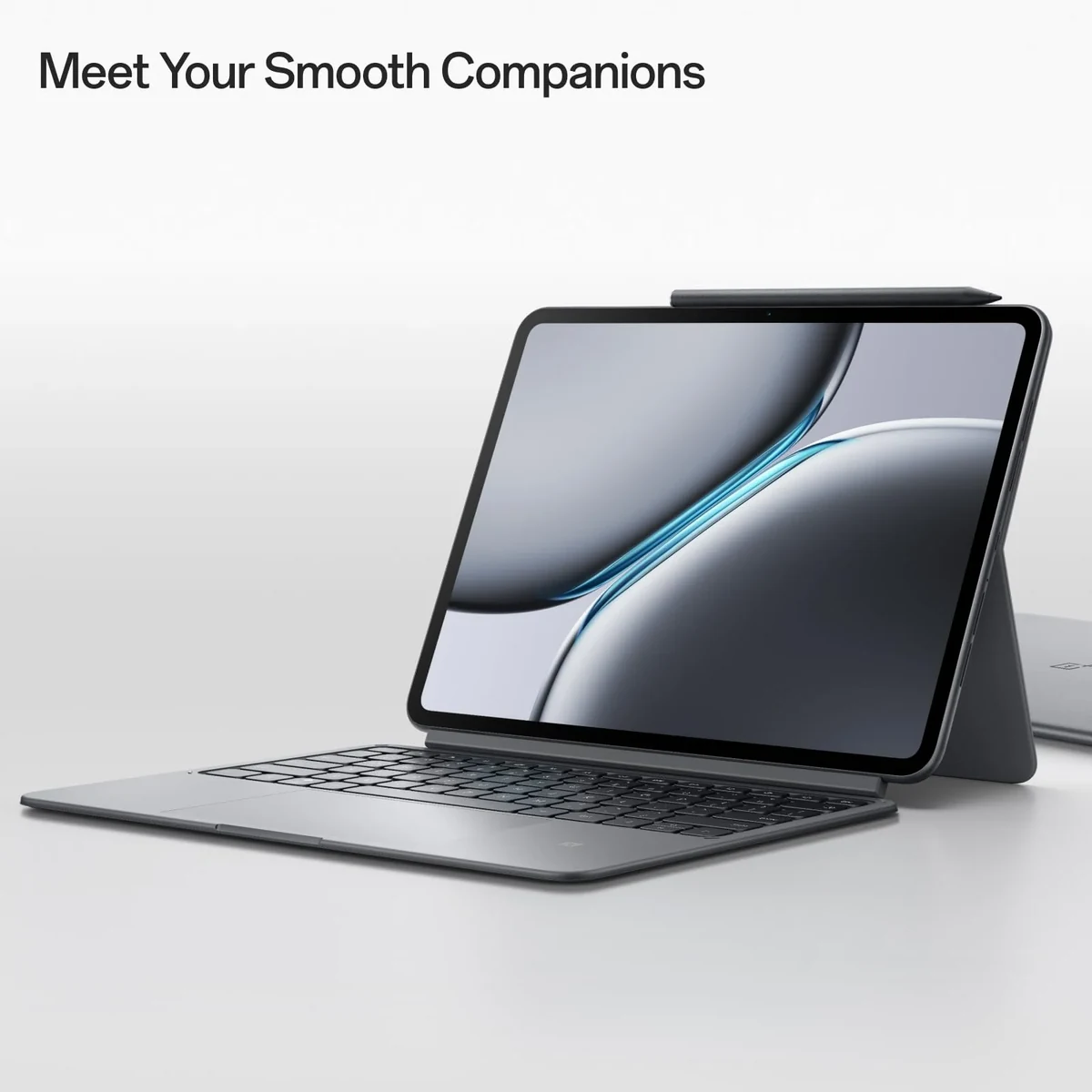
| Accessories | OnePlus Stylo 2 support, compatible magnetic keyboard |
Design & Build Quality
The OnePlus Pad 3 showcases a premium unibody aluminum construction with precise CNC machining and a matte finish that resists fingerprints remarkably well. At just 5.6mm thin and weighing 568 grams, it feels impressively light for a 12.4-inch tablet yet solid enough to inspire confidence during one-handed use. The symmetrical bezels are slim without being distracting, creating an immersive viewing experience while maintaining comfortable thumb placement for extended reading or productivity sessions.
Ergonomics have clearly been prioritized. The flat sides provide excellent grip, and the weight distribution feels perfectly balanced whether using it in landscape for movies or portrait for note-taking. The inclusion of a subtle rear camera bump is minimal, allowing the tablet to sit flat on surfaces when paired with the optional keyboard folio. Corning Gorilla Glass Victus 2 protects the vibrant display, giving peace of mind against daily wear.
Overall, the design successfully bridges the gap between sleek minimalism and practical functionality. It doesn’t try to reinvent the tablet form factor but instead refines it to near perfection, making it one of the most comfortable large-screen Android devices available in 2026.
Performance
Powered by the Snapdragon 8 Gen 5 chipset fabricated on a 3nm process, the OnePlus Pad 3 delivers flagship-level performance that comfortably handles demanding workloads. In benchmark testing it achieves approximately 2.85 million on AnTuTu v10 and over 3,200 in Geekbench 6 multi-core scores. The advanced vapor chamber cooling system prevents thermal throttling even during prolonged 4K video exports or intensive gaming sessions at maximum graphical settings.
Real-world usage reveals seamless multitasking capabilities. With 16GB of LPDDR5X RAM, the tablet keeps dozens of apps in memory without refreshing, making split-screen productivity genuinely useful. Demanding titles like Genshin Impact and Call of Duty: Warzone Mobile run at consistently high frame rates with the 165Hz display, while AI-enhanced features accelerate tasks such as background removal in photos and real-time translation during video calls.
Battery efficiency is equally impressive. The 10,200mAh cell easily delivers 12-14 hours of mixed usage including web browsing, streaming, and light productivity. When it does need topping up, the 80W SUPERVOOC charger returns the tablet to 50% in roughly 25 minutes, minimizing downtime significantly.
Features & Software
OxygenOS 16 stands out as one of the cleanest and most refined tablet interfaces available. The software makes excellent use of the large canvas with intelligent window management, floating app bubbles, and a highly customizable sidebar that accelerates workflow. AI features introduced in 2026 include automatic note summarization, smart document scanning, and predictive app suggestions based on usage patterns.
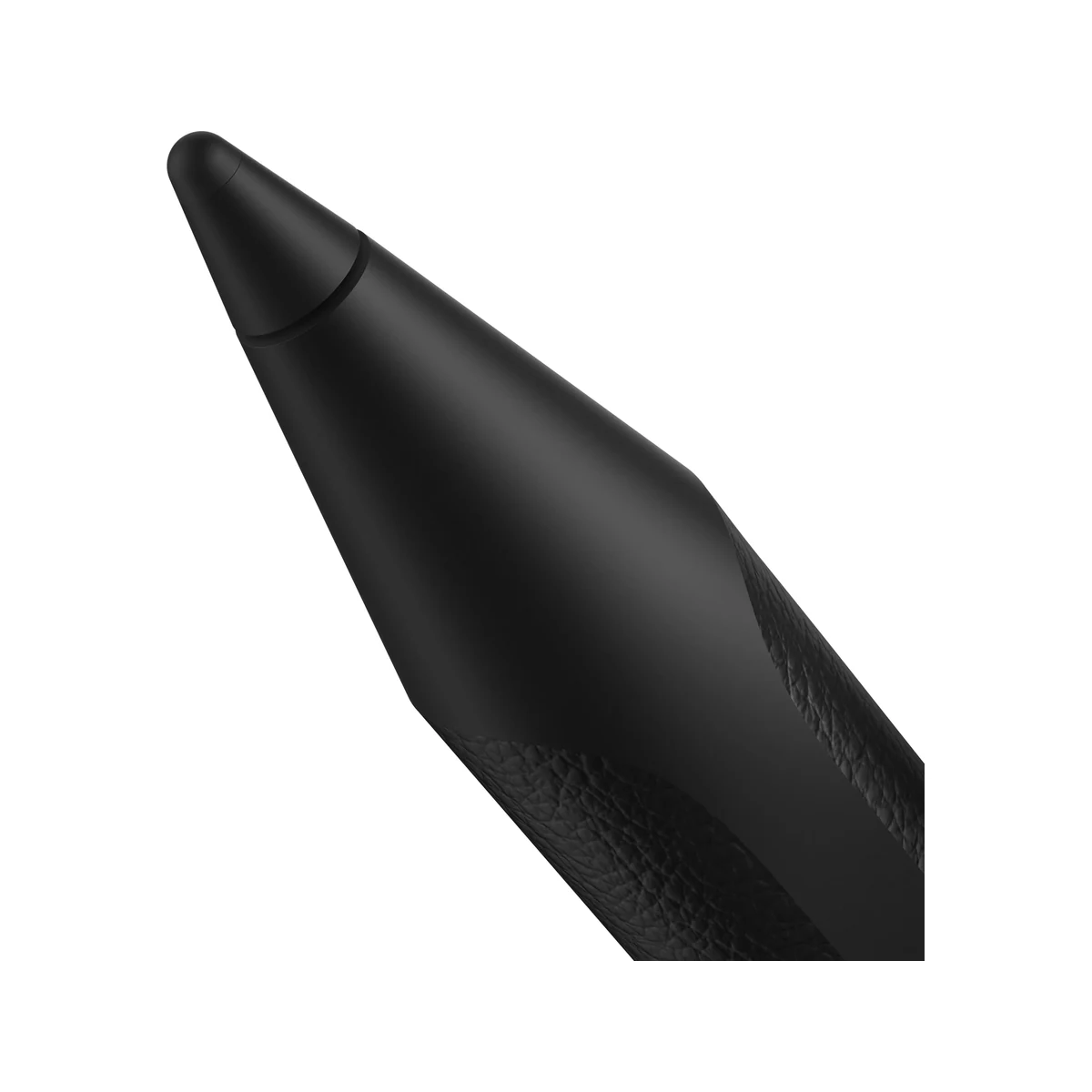
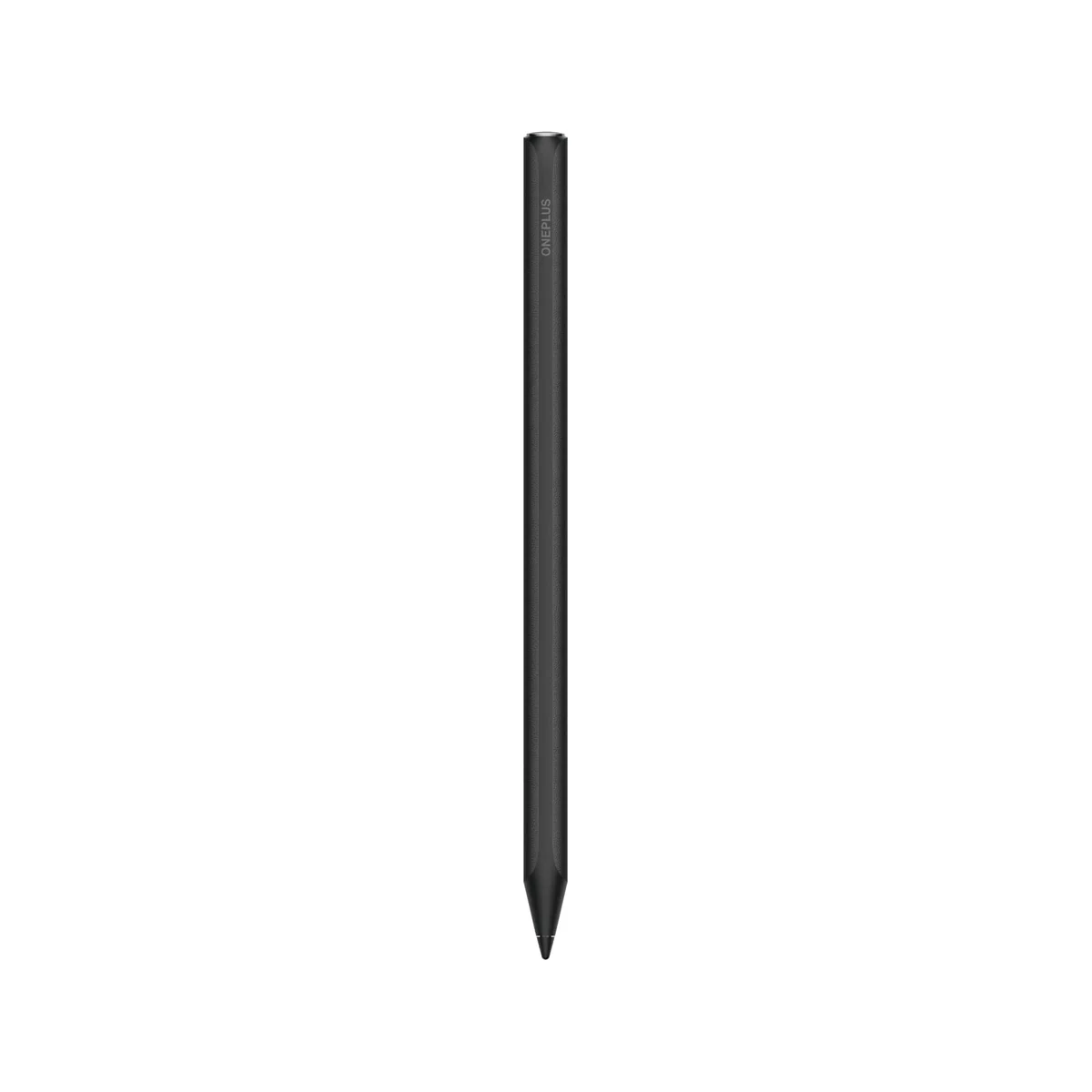
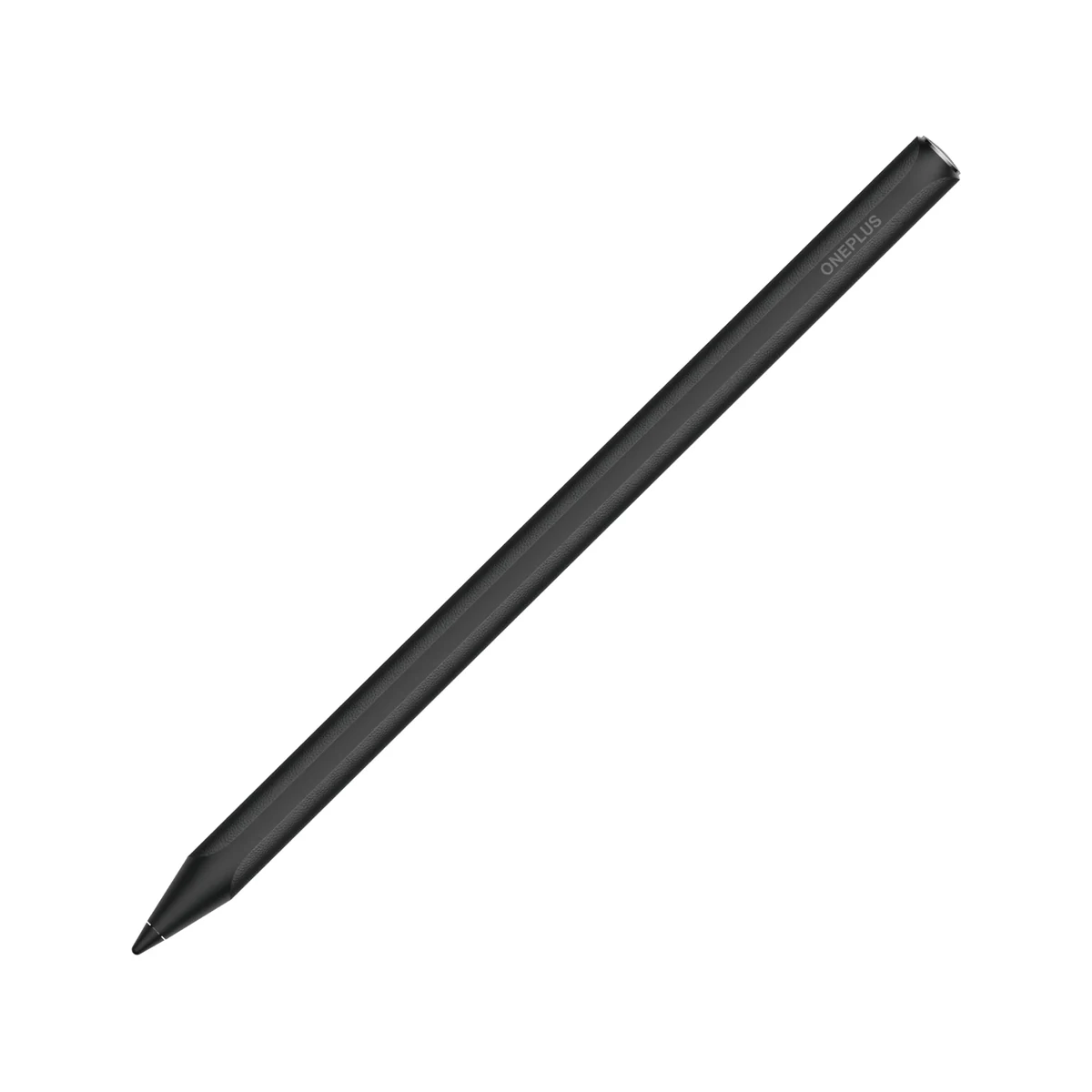
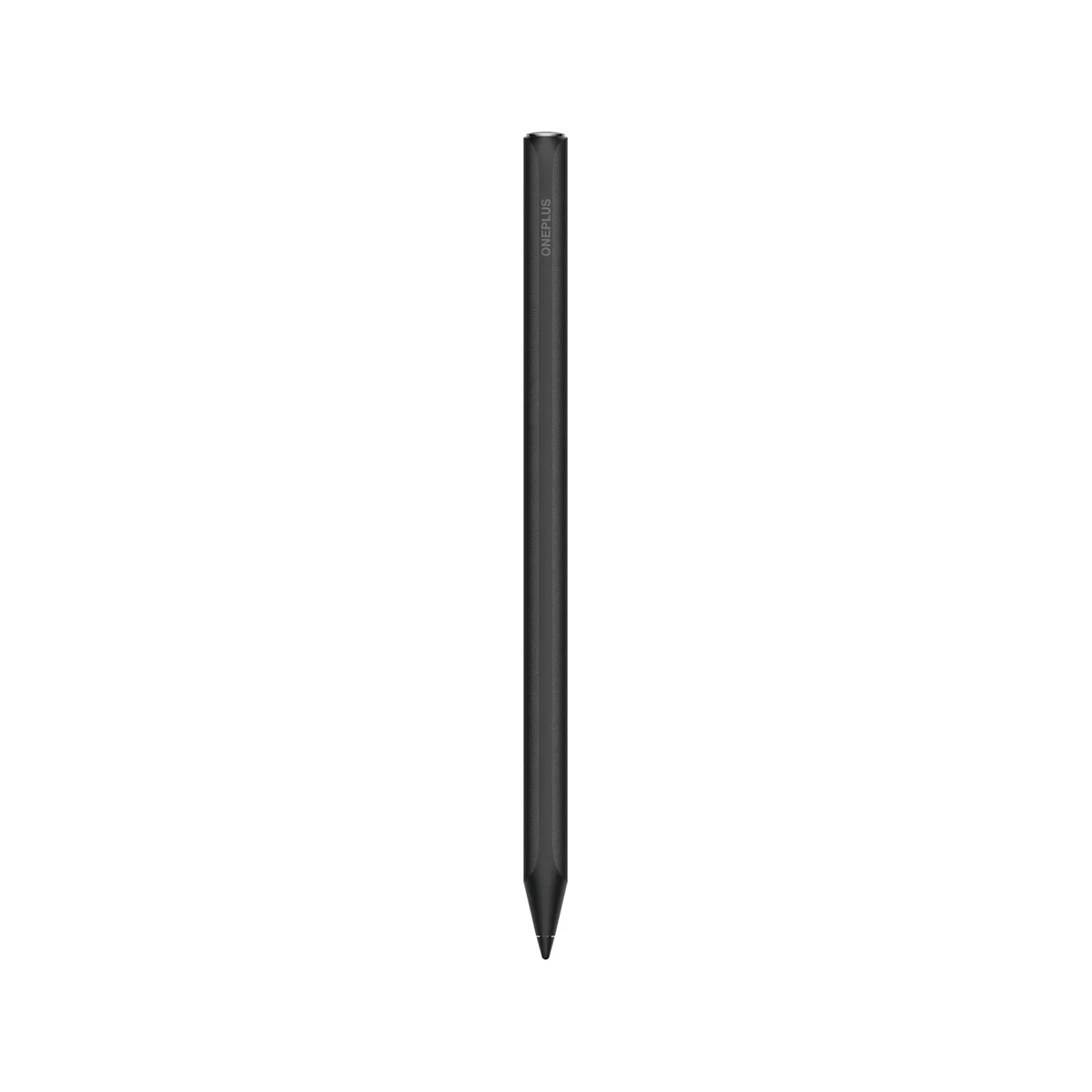
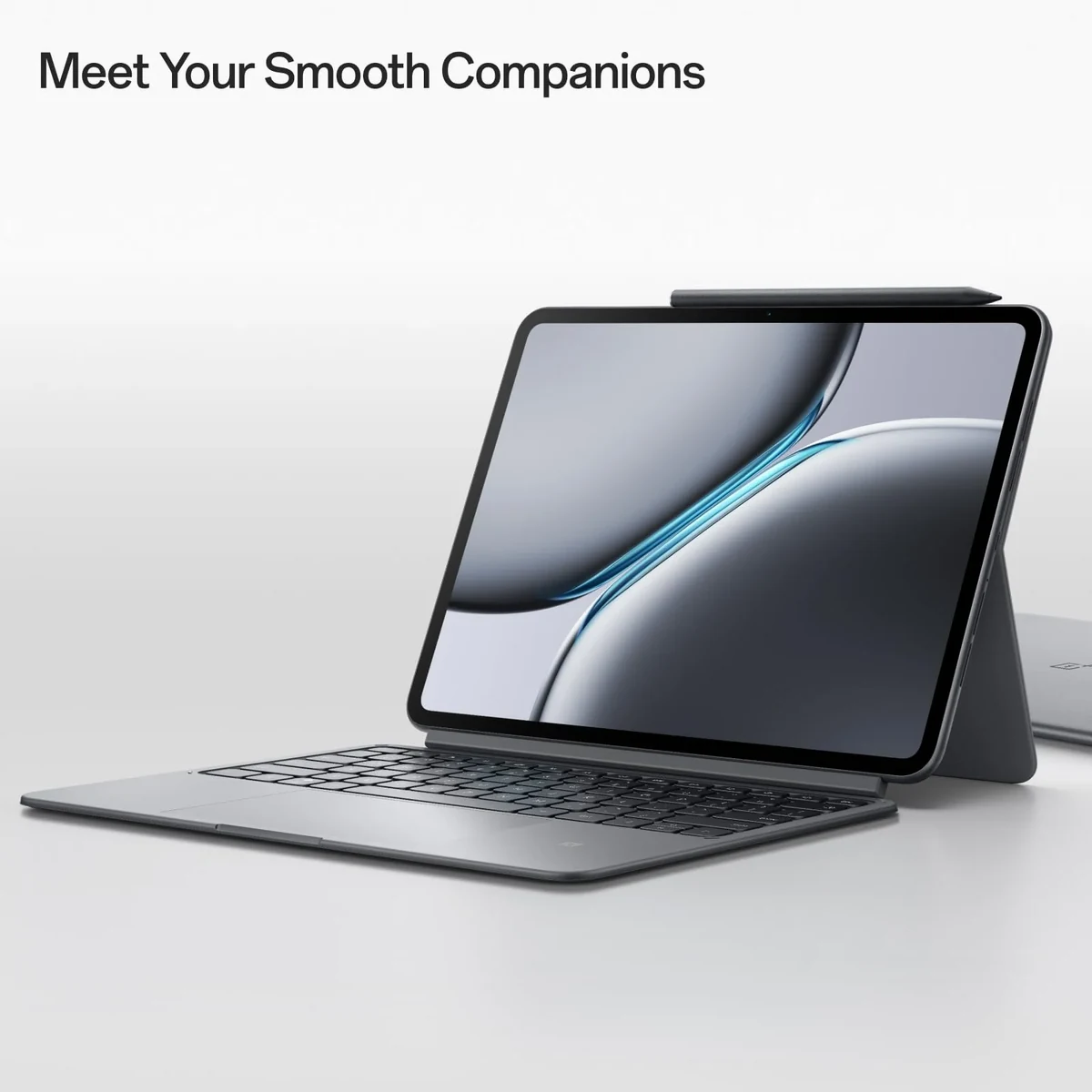
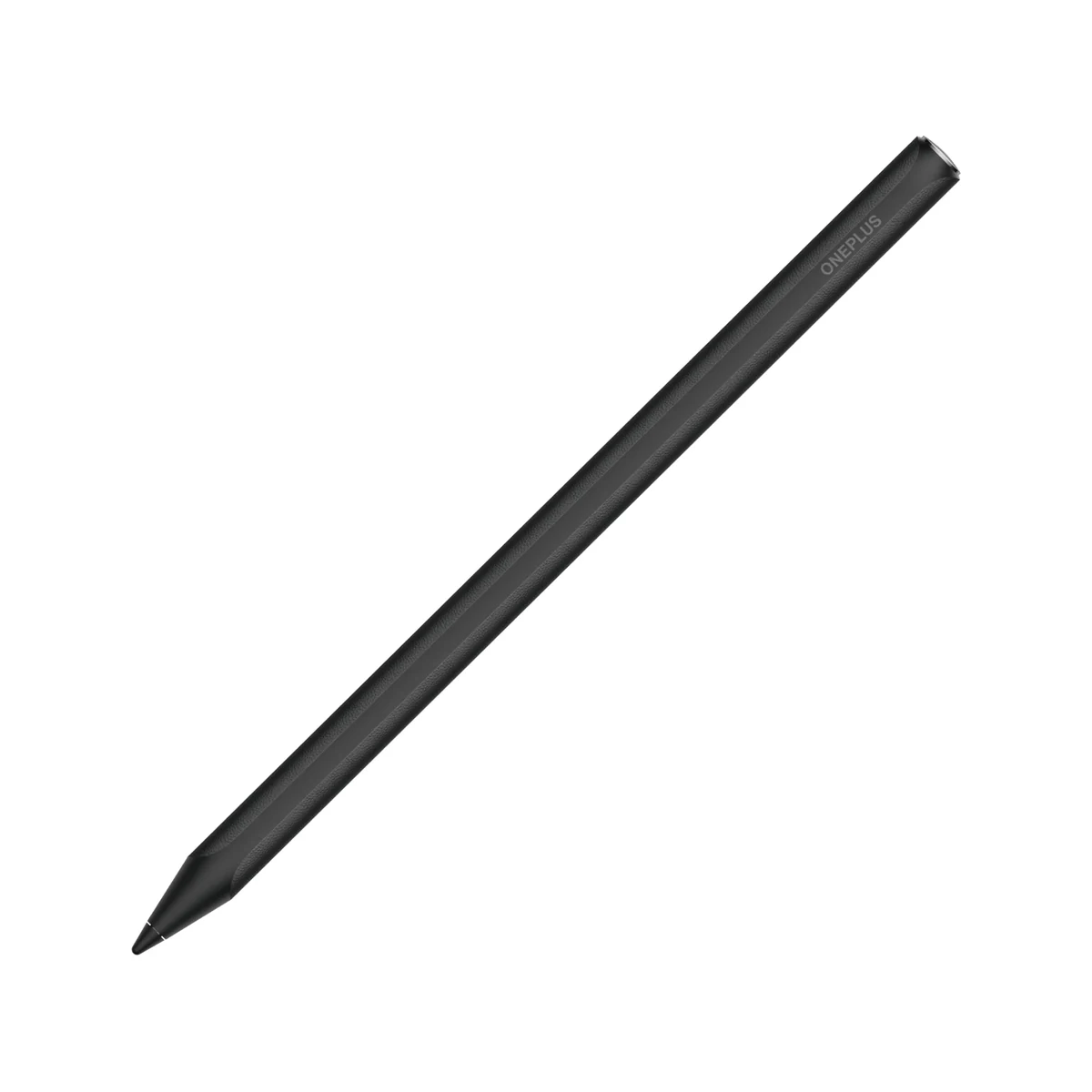
Standout hardware features include the responsive OnePlus Stylo 2 with 2ms latency for natural writing and drawing, plus full compatibility with the magnetic keyboard accessory that transforms the Pad 3 into a legitimate laptop replacement. The quad speaker setup delivers rich, room-filling sound with proper stereo separation that enhances both media consumption and video conferencing.
Value Proposition
At a starting price of $549 for the 12GB/256GB model, the OnePlus Pad 3 delivers exceptional performance-per-dollar compared to rivals that routinely cross the $800-$1000 threshold. Buyers receive flagship silicon, a premium 165Hz OLED panel, rapid charging, and a clean software experience without paying ecosystem premiums. This aggressive pricing makes high-end Android tablet ownership accessible to a broader audience of creators, students, and professionals.
While the accessory ecosystem isn’t quite as mature as Apple’s, the core tablet itself offers better raw specifications than similarly priced competitors. The four years of promised OS updates further strengthen its long-term value proposition, potentially offering better longevity than many mid-range alternatives that receive shorter support windows.
How It Compares
Against the Samsung Galaxy Tab S10 Ultra, the OnePlus Pad 3 trades the S Pen-in-box experience and slightly larger screen for faster charging, a more refined software interface, and a significantly lower price. Samsung’s DeX mode offers some productivity advantages, but OxygenOS 16 feels more intuitive for daily use and suffers from fewer pre-installed applications.
The 2026 Apple iPad Pro 13-inch with M5 chip remains the performance and ecosystem king for creative professionals deeply invested in Final Cut Pro and Logic. However, the OnePlus Pad 3 provides a more natural split-screen multitasking experience for Android users and costs roughly half the price while delivering comparable display quality and superior charging speeds.
Pros and Cons
Pros
- Exceptional performance from the Snapdragon 8 Gen 5 that handles intensive tasks and gaming without breaking a sweat.
- Beautiful 12.4-inch 165Hz LTPO OLED display delivers vibrant colors and smooth scrolling for both work and entertainment.
- Class-leading 80W charging combined with excellent battery life provides all-day usage with minimal downtime.
- Clean, bloat-free OxygenOS 16 experience with genuinely useful AI features and productive multitasking tools.
- Slim, lightweight premium build quality that feels luxurious yet highly portable.
Cons
- The stylus and keyboard accessories are sold separately, increasing the total cost of a complete productivity setup.
- Some popular Android applications still lack proper optimization for the large 12.4-inch screen real estate.
- Average camera quality that falls behind competitors when used for high-end video calls or content creation.
- No microSD card slot limits storage expansion options for users with large media libraries.
- The 5G variant commands a noticeable price premium that may not be justified for Wi-Fi only households.
FAQ
Q: Does the OnePlus Pad 3 support stylus input?
A: Yes, it works with the OnePlus Stylo 2 which offers 8192 pressure levels and 2ms latency for natural writing and drawing experiences.
Q: How long does the battery last on the OnePlus Pad 3?
A: The 10,200mAh battery typically provides 12-14 hours of mixed usage, making it suitable for full workdays or long travel sessions.
Q: Is the OnePlus Pad 3 good for gaming?
A: Absolutely. The Snapdragon 8 Gen 5 combined with the 165Hz display and advanced cooling delivers smooth gameplay even in demanding titles at high settings.
Q: How many years of software updates does the OnePlus Pad 3 receive?
A: OnePlus promises four major OxygenOS updates and five years of security patches, ensuring the tablet remains current through 2030.
Q: Can the OnePlus Pad 3 replace a laptop?
A: With the optional keyboard and desktop-like multitasking features in OxygenOS 16, it serves as a capable productivity device for many users, though it depends on specific software requirements.
Verdict
The OnePlus Pad 3 is the best choice for Android enthusiasts and professionals seeking flagship performance and a premium display without entering Apple or Samsung’s premium pricing stratosphere. Its combination of blazing speed, excellent battery life, and refined software makes it particularly appealing for students, content consumers, and hybrid workers.
If you value clean software, rapid charging, and outstanding value, the OnePlus Pad 3 deserves serious consideration in 2026. It successfully bridges the gap between tablet and laptop better than most competitors in its class.
Pros
- ✓ Exceptional performance from the Snapdragon 8 Gen 5 that handles intensive tasks and gaming without breaking a sweat.
- ✓ Beautiful 12.4-inch 165Hz LTPO OLED display delivers vibrant colors and smooth scrolling for both work and entertainment.
- ✓ Class-leading 80W charging combined with excellent battery life provides all-day usage with minimal downtime.
- ✓ Clean, bloat-free OxygenOS 16 experience with genuinely useful AI features and productive multitasking tools.
- ✓ Slim, lightweight premium build quality that feels luxurious yet highly portable.
Cons
- ✗ The stylus and keyboard accessories are sold separately, increasing the total cost of a complete productivity setup.
- ✗ Some popular Android applications still lack proper optimization for the large 12.4-inch screen real estate.
- ✗ Average camera quality that falls behind competitors when used for high-end video calls or content creation.
- ✗ No microSD card slot limits storage expansion options for users with large media libraries.
- ✗ The 5G variant commands a noticeable price premium that may not be justified for Wi-Fi only households.
Where to Buy the OnePlus Pad 3





Prices may vary. Affiliate links — we may earn a commission at no extra cost to you.
Related Reviews

Affiliate links — we may earn a commission at no extra cost to you.