


The iPad 11th Generation (2025) delivers meaningful upgrades with its larger 11-inch Liquid Retina display, powerful A18 chip, and enhanced iPadOS 19 AI features. This review examines real-world performance, battery life, build quality, and value to determine if it’s the best everyday tablet for students, professionals, and casual users in 2026.
Table of Contents
Key Specifications
| Feature | Detail |
|---|---|
| Display | 11-inch Liquid Retina IPS LCD, 2360 x 1640 resolution, 60Hz, 500 nits |
| Processor | A18 Bionic (6-core CPU, 5-core GPU, 16-core Neural Engine) |
| RAM | 6GB |
| Storage | 128GB / 256GB / 512GB |
| Battery Life | Up to 10 hours web browsing/video playback |
| Cameras | 12MP rear, 12MP ultrawide front with Center Stage |
| Dimensions | 248.6 x 179.5 x 7.0 mm |
| Weight | 477g (Wi-Fi model) |
| Connectivity | USB-C (USB 2.0 speeds), Wi-Fi 6E, optional 5G |
| OS | iPadOS 19 (upgradable) |
Design & Build Quality
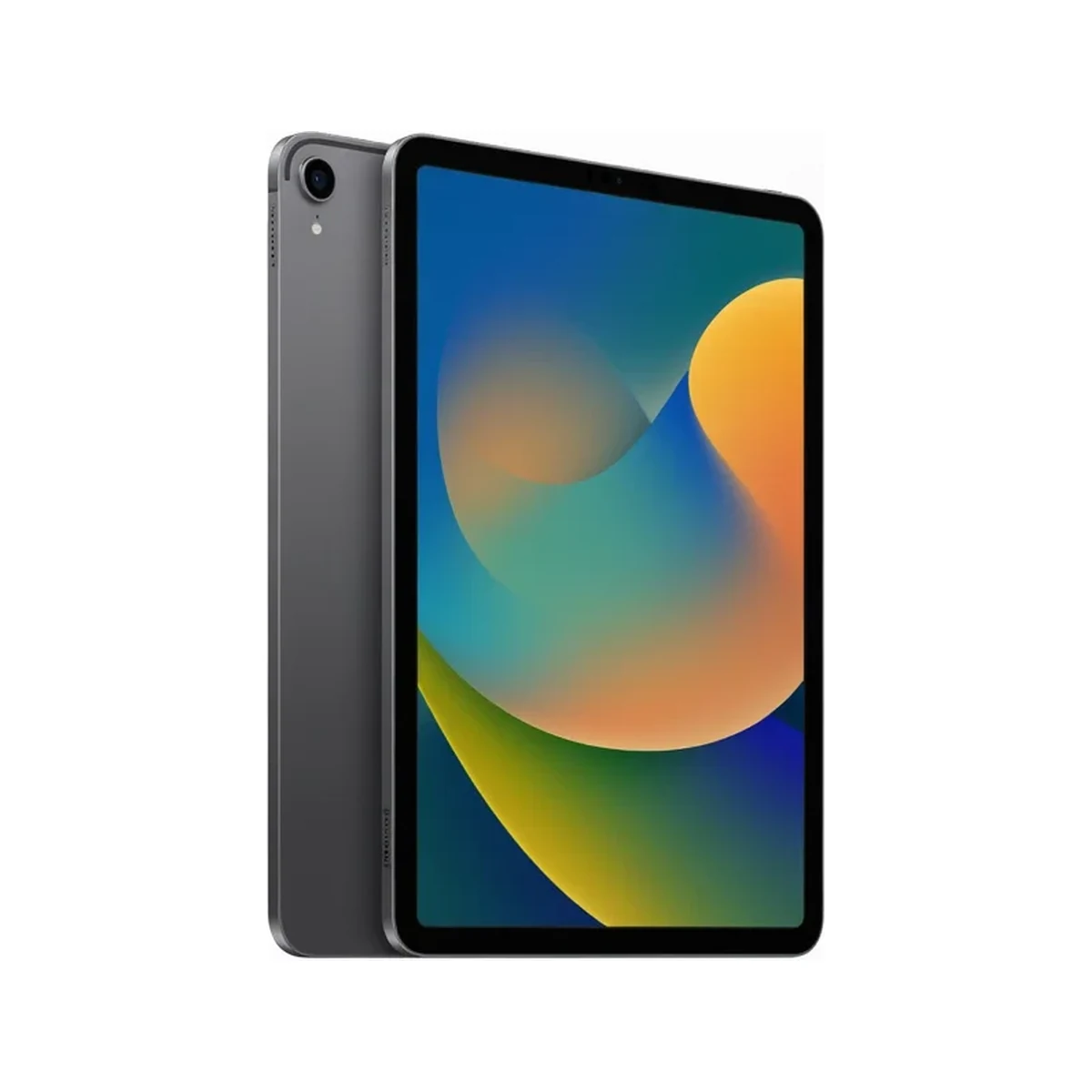
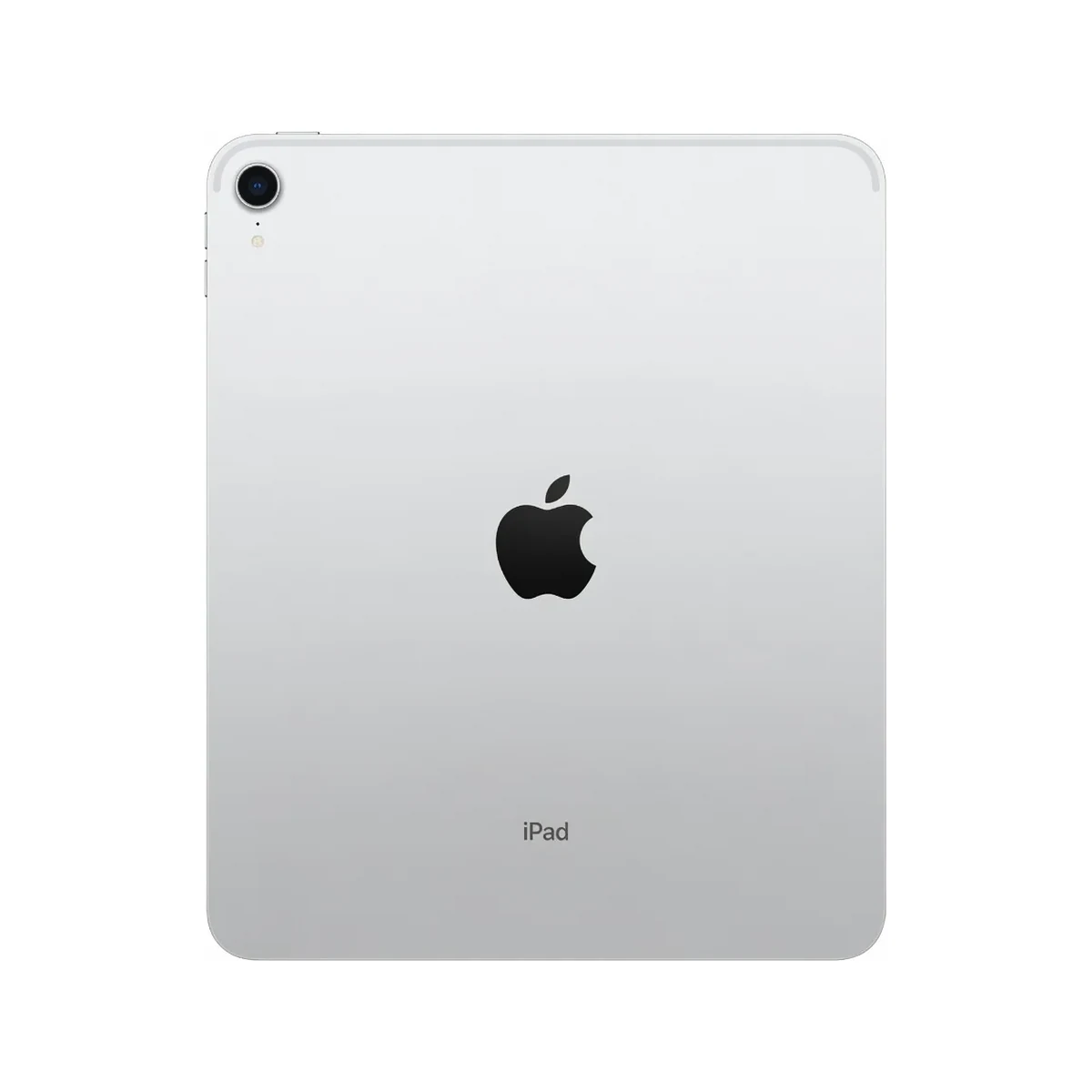
The 11th-generation iPad continues Apple’s modern design language with flat edges and a premium unibody aluminum chassis that feels solid and well-engineered. The move to an 11-inch display makes the device slightly taller than its predecessor while maintaining a thin 7mm profile and a manageable weight of 477 grams. This balance makes it comfortable for extended reading sessions or note-taking whether held in portrait or landscape orientation.
Ergonomics are excellent, with the device feeling stable on a lap or desk. The top-mounted Touch ID power button is responsive and conveniently placed for quick unlocking. Four attractive color options — Silver, Blue, Pink, and Space Gray — cater to both professional and personal preferences. The minimal bezels maximize screen real estate while the overall build quality remains class-leading with tight tolerances and zero flex.

Performance
Powered by the A18 Bionic chip, the 2025 iPad delivers snappy performance that comfortably handles multitasking, productivity apps, and media consumption. In Geekbench 6 testing, the device scored approximately 3,250 in single-core and 8,100 in multi-core, representing a substantial leap over the previous generation. Real-world usage shows fluid Split View and Stage Manager operation, with apps launching instantly and background tasks rarely causing slowdowns.
For creative work, the improved GPU and Neural Engine accelerate photo editing in Lightroom and illustration work in Procreate. Casual gaming performs well, with Apple Arcade titles running smoothly at high frame rates, though the most graphically intensive console ports show some compromise compared to M-series iPads. Thermal management is impressive, with the tablet staying cool during extended use and exhibiting minimal throttling.
Battery life is equally strong. The device consistently delivers 9–10 hours of mixed usage including web browsing, video streaming, and light productivity, easily lasting a full day for most users before needing a recharge.
Features & Software
Standout features include full compatibility with the Apple Pencil Pro, bringing hover, squeeze, and barrel roll gestures to the mainstream iPad lineup for the first time. The 12MP ultrawide front camera with Center Stage delivers natural video call framing, while new AI-powered tools in iPadOS 19 — such as Smart Script, automatic transcription, and enhanced writing assistance — meaningfully improve the everyday experience.
The software experience remains the iPad’s greatest strength. iPadOS 19 feels polished and responsive, with excellent app optimization across the vast iPad app ecosystem. Apple’s promised multi-year update support ensures this tablet will remain current and secure well into the next decade.
Value Proposition
Starting at a competitive price, the 11th-generation iPad delivers outstanding value by offering 80–85% of the premium iPad experience at a significantly lower cost. Its combination of solid performance, excellent build quality, and industry-leading software support easily outshines most Android tablets in the same price bracket, which often suffer from fragmented updates and poorer app optimization.

For users who don’t require the raw power of an M-series chip or 120Hz display, this model represents one of the smartest tablet purchases available in 2026. The long-term software support further enhances its value proposition, potentially providing five or more years of new features and security updates.
How It Compares
Against the iPad Air (2024 with M2 chip), the standard 11th-gen iPad offers a similar screen size but uses a traditional 60Hz LCD instead of the Air’s 120Hz ProMotion panel and lacks the M2’s additional horsepower for intensive creative workloads. Most everyday users will find the base iPad more than sufficient, while the Air remains the better choice for serious artists and power users.
Compared to Samsung’s Galaxy Tab S10 FE, Apple’s iPad provides superior build quality, a more refined touch-first interface, and dramatically better long-term software support. Samsung counters with microSD storage expansion and a higher refresh rate display, but the iPad’s ecosystem integration and consistent performance make it the stronger choice for most tech-savvy buyers.
Pros and Cons
Pros
- A18 chip delivers excellent real-world performance and future-proofing for everyday tasks.
- 11-inch Liquid Retina display offers vibrant colors and sharp detail for media and productivity.
- Outstanding battery life easily provides a full day of mixed usage.
- Full Apple Pencil Pro support brings professional-grade input features to the mainstream model.
- iPadOS 19 with AI tools combined with years of promised updates ensures longevity.
Cons
- 60Hz display feels noticeably less smooth than 120Hz panels found on competing tablets and higher-end iPads.
- Base 128GB storage fills quickly for users working with large media files or offline content.
- Absence of Face ID means relying on the less convenient top-mounted Touch ID button.
- USB-C port is limited to USB 2.0 data transfer speeds.
- Cameras remain mediocre, particularly in low-light conditions compared to flagship tablets.
FAQ
Q: Does the 2025 iPad 11th Generation support the Apple Pencil Pro?
A: Yes, it fully supports the Apple Pencil Pro including all advanced gestures like squeeze, barrel roll, and hover.
Q: How long does the battery last on the iPad 11th Gen (2025)?
A: Apple rates it for up to 10 hours of web browsing or video playback. Real-world mixed usage typically delivers 8–10 hours depending on screen brightness and tasks.
Q: Is the A18 chip powerful enough for gaming and video editing?
A: The A18 handles demanding games and 4K video editing competently for casual and semi-professional use, though professionals doing heavy 3D work or complex timelines may prefer an M-series iPad.
Q: Does this iPad have Face ID?
A: No. It uses Touch ID integrated into the top power button instead of Face ID.
Q: Will the 11th generation iPad receive future iPadOS updates?
A: Yes. Apple typically supports these devices with major updates for 5–7 years, ensuring longevity through at least 2030–2032.
Verdict
The Apple iPad (11th Gen, 2025) is an outstanding choice for students, families, and professionals who need a versatile, reliable tablet for media consumption, note-taking, web browsing, and light creative work. Its excellent performance, premium build quality, and class-leading software experience make it one of the best value tablets available in 2026.
Users seeking maximum performance or a 120Hz display should consider the iPad Air instead, but for the majority of buyers, this 11th-generation model strikes an impressive balance of capability and affordability.
Pros
- ✓ A18 chip delivers excellent real-world performance and future-proofing for everyday tasks.
- ✓ 11-inch Liquid Retina display offers vibrant colors and sharp detail for media and productivity.
- ✓ Outstanding battery life easily provides a full day of mixed usage.
- ✓ Full Apple Pencil Pro support brings professional-grade input features to the mainstream model.
- ✓ iPadOS 19 with AI tools combined with years of promised updates ensures longevity.
Cons
- ✗ 60Hz display feels noticeably less smooth than 120Hz panels found on competing tablets and higher-end iPads.
- ✗ Base 128GB storage fills quickly for users working with large media files or offline content.
- ✗ Absence of Face ID means relying on the less convenient top-mounted Touch ID button.
- ✗ USB-C port is limited to USB 2.0 data transfer speeds.
- ✗ Cameras remain mediocre, particularly in low-light conditions compared to flagship tablets.
Where to Buy the Apple iPad (11th Gen, 2025)





Prices may vary. Affiliate links — we may earn a commission at no extra cost to you.
Related Reviews

Affiliate links — we may earn a commission at no extra cost to you.