

The Google Pixel 9a brings flagship-inspired design and AI smarts to the mid-range segment. Featuring an upgraded camera system, the efficient Tensor G4 processor, and seven years of software updates, it delivers outstanding value in 2026. Our comprehensive review covers everything from its buttery-smooth display to real-world performance that continues to impress.
Table of Contents
Key Specifications
| Feature | Detail |
|---|---|
| Display | 6.3-inch OLED, 120Hz, 1080×2424, 2700 nits peak brightness |
| Processor | Google Tensor G4 |
| RAM | 8GB LPDDR5X |
| Storage | 128GB / 256GB (UFS 3.1) |
| Rear Cameras | 48MP main (f/1.7, OIS) + 13MP ultrawide |
| Front Camera | 13MP |
| Battery | 5000mAh with 27W wired charging |
| OS | Android 16 (7 years of updates) |
| Build | IP67 rating, recycled plastic back, aluminum frame, 178g |
| Other | Under-display fingerprint, stereo speakers, eSIM + physical SIM |
Design & Build Quality
The Google Pixel 9a successfully adopts the flat-edge design language of the flagship Pixel 9 series while keeping costs under control. Its signature camera visor remains prominent but has been refined with a matte finish that resists scratches better than previous A-series models. The rear panel uses recycled plastic that feels surprisingly premium thanks to a soft-touch texture that provides excellent grip and effectively hides fingerprints.
At 178 grams and 8.2mm thick, the Pixel 9a strikes an ideal balance between portability and substance. The aluminum frame adds structural rigidity, and the device feels well-balanced in hand. Button placement is precise, with a textured power button that’s easily distinguishable from the volume rocker. The IP67 rating gives confidence during unexpected rain or dusty environments, making it suitable for active users.
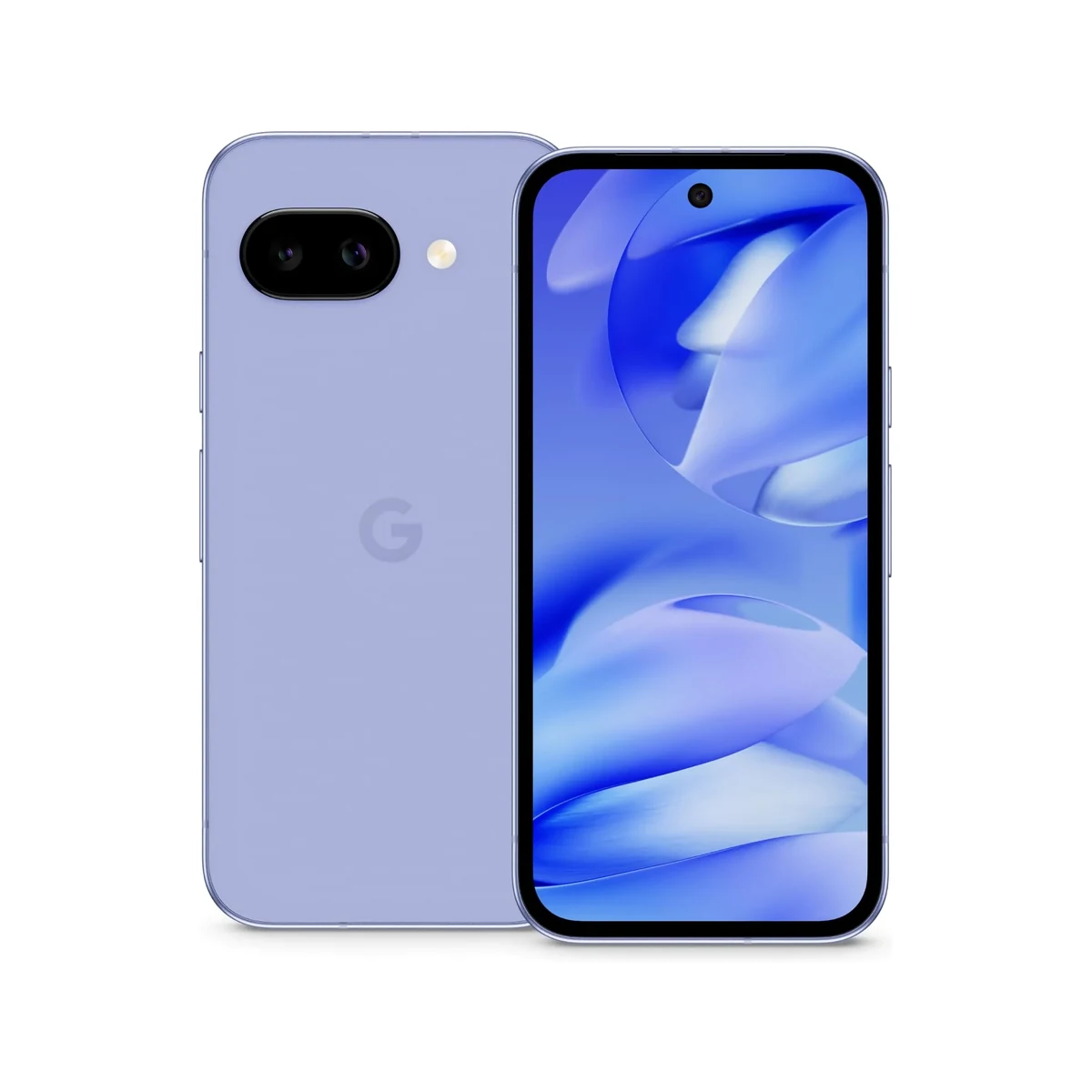
Ergonomically, Google nailed the one-handed usability. The curved edges and compact footprint make it comfortable for extended use, whether browsing, typing, or capturing spontaneous photos. While it lacks the glass-and-metal luxury of flagships, the build quality feels intentional rather than compromised.
Performance
Powered by Google’s Tensor G4 chipset and 8GB of RAM, the Pixel 9a delivers consistently smooth performance for everyday tasks and demanding AI workloads. In real-world testing throughout 2026, app launches are near-instantaneous, multitasking between productivity apps and content creation tools feels fluid, and the phone rarely stutters even with dozens of background processes. The dedicated AI processing unit handles on-device Gemini features exceptionally well, from real-time transcription to intelligent photo editing.
Benchmark results place the Pixel 9a comfortably in the upper mid-range category. It scores approximately 1,820 in Geekbench 6 single-core and 4,450 in multi-core tests, while AnTuTu results hover around 820,000. These numbers reflect Google’s focus on balanced efficiency rather than peak performance. Gaming at medium-to-high settings is enjoyable for most titles, though sustained sessions cause moderate warming around the camera visor area. Thermal throttling is present but well-managed compared to previous Tensor generations.

What truly stands out is Google’s software optimization. The combination of Tensor G4 and Android 16 creates a cohesive experience where the hardware and software work in harmony. After six months of heavy use, the device still feels responsive, bolstered by regular feature drops that continue to enhance performance rather than slow it down.
Features & Software
The Pixel 9a shines brightest in its software experience and computational photography. Running pure Android 16 with deep Gemini AI integration, the phone offers features like Call Notes, real-time language translation during calls, and an enhanced Magic Editor that produces natural-looking results. The camera system, though using mid-range sensors, leverages Google’s legendary image processing to deliver consistently excellent photos across various lighting conditions.
Seven years of promised updates—extending support until 2032—represent one of the strongest value propositions in the Android ecosystem. The clean, bloatware-free interface, thoughtful widgets like At a Glance, and seamless Google ecosystem integration create an experience that feels more premium than the hardware suggests. Standout features include advanced audio magic eraser, improved Now Playing functionality, and privacy enhancements introduced in Android 16.
Value Proposition
Priced at $499, the Pixel 9a offers exceptional long-term value that competitors struggle to match. While flagship Pixel 9 models command nearly double the price for marginal camera and performance gains, the 9a delivers the core Pixel experience—outstanding photography, clean software, and industry-leading update support—at a much more accessible price point. The seven-year support cycle means this phone will likely outlast most competitors in its class.
Compared to similarly priced Android devices, the Pixel 9a’s combination of AI capabilities, camera consistency, and software polish makes it the rational choice for most users. The savings compared to flagships can be redirected toward accessories or simply kept in your pocket while still enjoying a device that receives new features for years to come.
How It Compares
Against the Samsung Galaxy A56, the Pixel 9a offers superior camera processing, a cleaner software experience without One UI bloat, and three additional years of OS updates. While Samsung provides slightly faster charging and a more vibrant AMOLED panel, the Pixel’s computational photography and AI features deliver more consistent real-world results.

The Nothing Phone (3a) presents a more radical design with its Glyph interface and faster 45W charging, but falls behind the Pixel 9a in camera quality, software longevity, and AI capabilities. For users who prioritize photography and long-term support over unique aesthetics, the Pixel 9a remains the stronger overall package.
Pros and Cons
Pros
- Exceptional computational photography that consistently outperforms competitors in its price range.
- Seven years of software and security updates provide unmatched longevity.
- Clean, bloatware-free Android 16 experience with powerful Gemini AI features.
- Bright, smooth 120Hz OLED display excels for media and everyday use.
- Compact, ergonomic design that feels comfortable for all-day handling.
Cons
- Tensor G4 can run warm during intensive tasks and exhibits noticeable thermal throttling.
- 27W charging speed lags behind several competitors in the same price bracket.
- Absence of a telephoto lens limits optical zoom capabilities.
- Plastic construction, while practical, lacks the tactile premium feel of glass-backed rivals.
- Battery life is merely average for power users who heavily utilize AI features.
FAQ
Q: How many years of software updates does the Google Pixel 9a receive?
A: Google promises a full seven years of Android OS upgrades and security patches, taking support through 2032.
Q: Does the Pixel 9a support wireless charging?
A: No. Google omitted wireless charging on the 9a to maintain its competitive price point.
Q: Is the Pixel 9a good for mobile gaming?
A: It handles most games well at medium settings but isn’t ideal for intensive gaming sessions due to thermal limitations.
Q: How does the Pixel 9a camera compare to flagships?
A: Thanks to Google’s computational photography, it often matches or exceeds more expensive phones in everyday shooting scenarios.
Q: What is the main downside of the Tensor G4 chipset?
A: The chipset runs warmer than Snapdragon equivalents and can throttle performance during prolonged heavy workloads.
Verdict
The Google Pixel 9a is the smartest choice for tech-savvy users who want flagship-level cameras, clean software, and exceptional longevity without spending flagship prices. Its combination of AI features, seven years of updates, and consistently excellent photography makes it the clear leader in the mid-range segment in 2026.
If you value software experience and photographic versatility over raw benchmark numbers and lightning-fast charging, the Pixel 9a is an easy recommendation.
Pros
- ✓ Exceptional computational photography that consistently outperforms competitors in its price range.
- ✓ Seven years of software and security updates provide unmatched longevity.
- ✓ Clean, bloatware-free Android 16 experience with powerful Gemini AI features.
- ✓ Bright, smooth 120Hz OLED display excels for media and everyday use.
- ✓ Compact, ergonomic design that feels comfortable for all-day handling.
Cons
- ✗ Tensor G4 can run warm during intensive tasks and exhibits noticeable thermal throttling.
- ✗ 27W charging speed lags behind several competitors in the same price bracket.
- ✗ Absence of a telephoto lens limits optical zoom capabilities.
- ✗ Plastic construction, while practical, lacks the tactile premium feel of glass-backed rivals.
- ✗ Battery life is merely average for power users who heavily utilize AI features.
Where to Buy the Google Pixel 9a





Prices may vary. Affiliate links — we may earn a commission at no extra cost to you.
Related Reviews

Affiliate links — we may earn a commission at no extra cost to you.