





The Google Pixel 10 Pro delivers Google’s most advanced smartphone experience yet in 2026. Boasting an upgraded Tensor G5 processor, revolutionary AI tools, and a triple camera array that sets new standards for mobile photography, this device is a flagship worthy of attention. Our detailed review covers everything from its elegant design to real-world performance to help you decide if it’s the right choice.
Table of Contents
Key Specifications
| Feature | Detail |
|---|---|
| Display | 6.7-inch LTPO OLED, 120Hz, 1440×3120, 2000 nits peak |
| Processor | Google Tensor G5 with TPU |
| Memory | 16GB RAM, 128GB/256GB/512GB/1TB storage |
| Rear Cameras | 50MP main (f/1.7), 48MP ultrawide, 48MP 5x telephoto |
| Front Camera | 42MP |
| Battery | 5050mAh, 45W wired, 23W wireless charging |
| OS | Android 17 with 7 years of updates |
| Dimensions & Weight | 162.9 x 76.6 x 8.5 mm, 199 grams |
| Other | IP68 rating, ultrasonic fingerprint sensor, stereo speakers |
Design & Build Quality
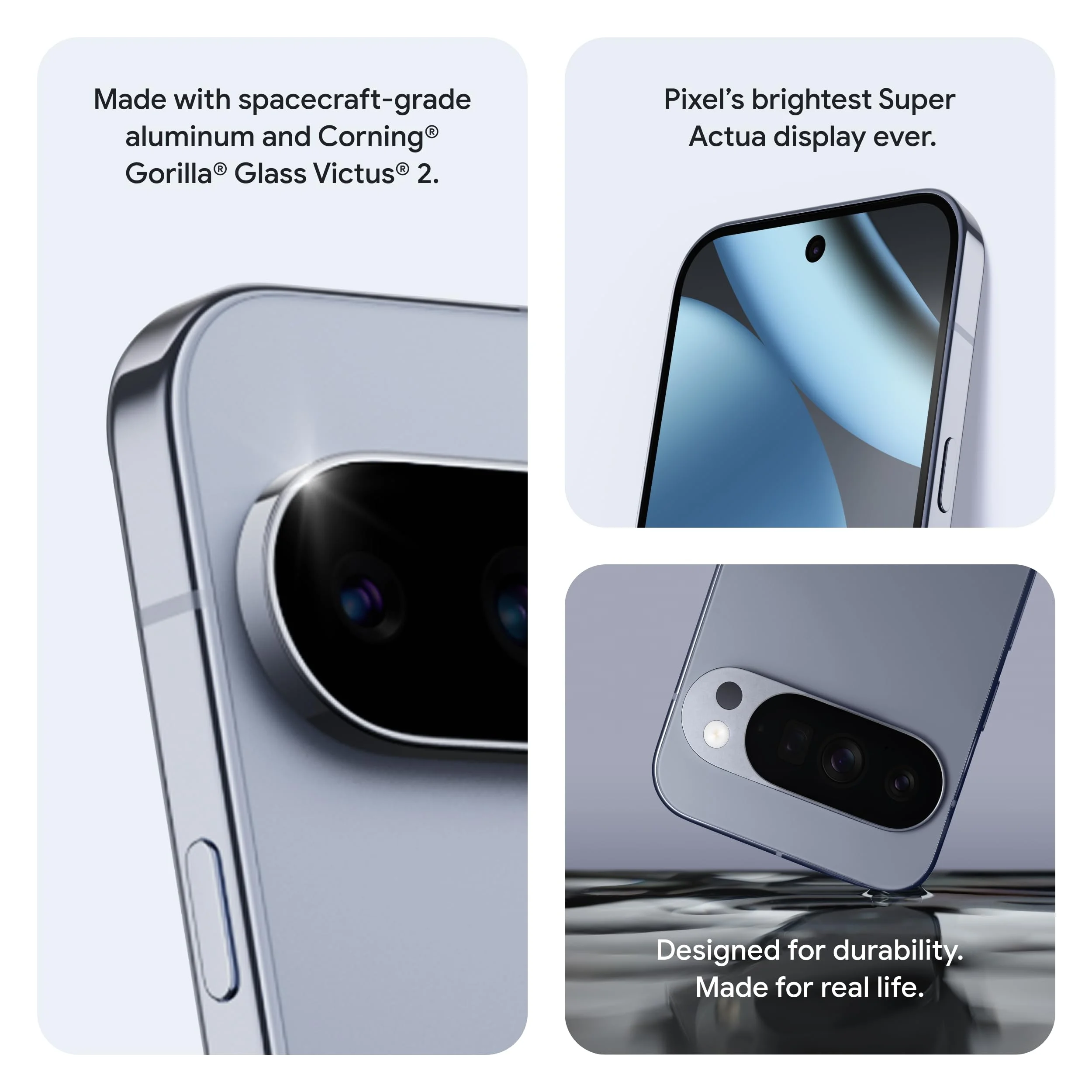
The Google Pixel 10 Pro refines Google’s signature design language with a premium titanium frame sandwiched between Gorilla Glass Victus 2 on the front and a matte-finish glass back. This combination delivers a sophisticated look while effectively resisting fingerprints and minor scratches. The iconic camera bar has been subtly streamlined, though it still creates a noticeable protrusion that some users may find divisive. At 199 grams and 8.5mm thick, the phone strikes an excellent balance between substantial feel and comfortable one-handed operation.
Ergonomics have been carefully considered, with gently curved edges and a slightly flattened side profile that provides secure grip without sharp corners digging into palms during extended use. The ultrasonic in-display fingerprint sensor is fast and reliable, a noticeable improvement over optical versions on earlier models. IP68 dust and water resistance gives peace of mind for real-world use, while the device maintains the minimalist aesthetic that Pixel fans have come to expect.
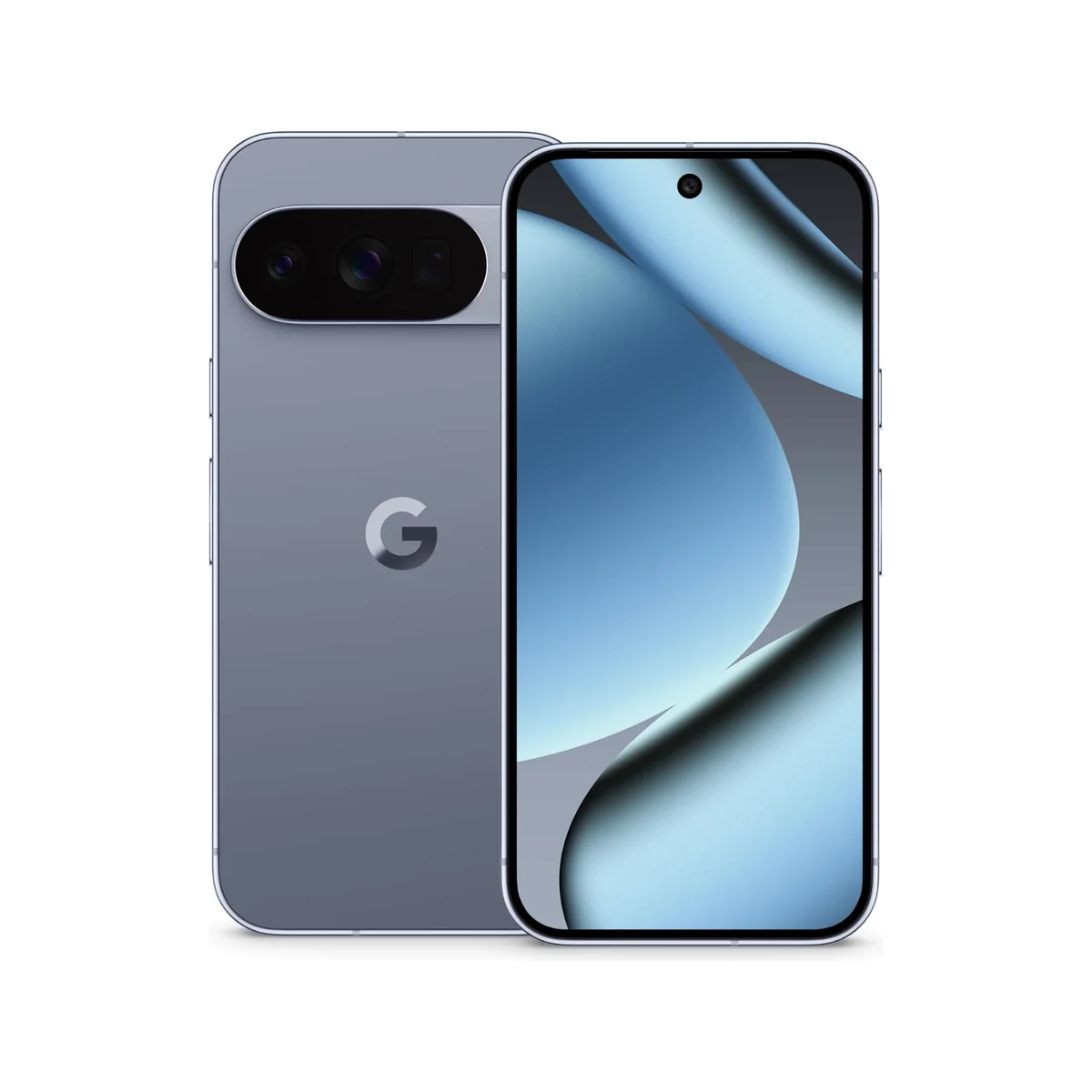
Available in refined 2026 colorways including Obsidian Black, Lunar Silver, and the striking Sage Green, the Pixel 10 Pro projects quiet confidence rather than flashy branding. The flat display with minimal bezels creates an immersive viewing experience that feels contemporary without adopting the overly curved edges found on some competitors.
Performance
In everyday use, the Tensor G5 chipset paired with 16GB of RAM delivers exceptionally smooth performance that prioritizes AI tasks and sustained efficiency over peak benchmark numbers. App launches are near-instantaneous, multitasking between productivity apps, photography tools, and streaming services feels effortless, and the phone rarely stutters even with dozens of background processes. Google’s custom silicon particularly excels at on-device machine learning operations, making features like real-time language translation and generative editing tools feel instantaneous rather than cloud-dependent.
Benchmark results place the Pixel 10 Pro in the upper tier but not at the absolute summit. Geekbench 6 scores hover around 2,920 single-core and 10,150 multi-core, while GPU performance in 3DMark Wild Life tests shows it’s capable but trails the latest Snapdragon and Apple chips in sustained gaming scenarios. For most users, these differences remain academic. The phone handles demanding titles like Call of Duty: Warzone Mobile at high settings with stable frame rates, though thermal management kicks in after 20-25 minutes of continuous play, causing minor throttling to maintain comfortable temperatures.

Battery efficiency stands out as a particular strength. The 5050mAh cell combined with Tensor G5’s improved power management routinely delivers 8-10 hours of screen-on time with mixed usage including photography, navigation, and social media. The 45W wired charging tops up the device from 0-50% in approximately 22 minutes, though wireless charging remains conservatively specced at 23W.
Features & Software
The Pixel 10 Pro’s standout features center on its deeply integrated Google AI capabilities. Gemini Nano runs advanced models entirely on-device, enabling sophisticated photo editing, intelligent call screening, and context-aware assistance without constant cloud dependency. The camera system benefits from new Video Boost features that leverage computational photography to deliver stunning stabilized footage and the ability to enhance recordings after capture. Magic Editor has evolved further, allowing remarkably natural object relocation and style transfers that preserve realistic lighting and shadows.
The software experience remains the purest expression of Android available. Running Android 17 at launch with a guaranteed seven years of updates, the Pixel 10 Pro will remain current until 2033. Google’s thoughtful additions like the At a Glance widget, enhanced Always On Display with useful information, and seamless integration with the broader Google ecosystem create a cohesive experience that feels both powerful and unobtrusive. Call screening, now enhanced with better natural language understanding, continues to be one of the most useful features on any smartphone.
Value Proposition
Priced from $999 for the base model, the Pixel 10 Pro delivers strong value for buyers who prioritize camera quality, software support, and AI innovation over raw processing power. When considering the seven years of promised updates, class-leading computational photography, and unique AI features that competitors are still attempting to match, the Pixel represents a more future-proof investment than many Android alternatives that may only receive four or five years of support.
Compared to flagships from Samsung and Apple that frequently command $200-400 premiums, the Pixel 10 Pro offers comparable or superior real-world performance in the areas that matter most to many users. The inclusion of advanced AI tools that don’t require subscriptions adds further value in an increasingly paywalled mobile landscape. For photography enthusiasts and those embedded in Google’s ecosystem, the value proposition is compelling.
How It Compares
Against the Samsung Galaxy S26 Ultra, the Pixel 10 Pro offers more natural color science and superior AI-driven photography features, while Samsung counters with higher maximum zoom capabilities, S Pen support, and slightly better gaming performance. The Pixel’s software feels noticeably cleaner and receives updates faster, though Samsung’s DeX functionality and brighter display may appeal to power users with specific workflow requirements.

The Apple iPhone 18 Pro remains the Pixel’s strongest competitor in the premium segment. While Apple leads in video recording quality and ecosystem integration for iOS users, the Pixel 10 Pro typically produces more pleasing still photographs with better dynamic range and color accuracy in challenging conditions. The Pixel’s AI features currently feel more practical and frequently used than Apple’s, though the iPhone maintains advantages in sustained performance and build refinement.
Pros and Cons
Pros
- Exceptional camera system that consistently delivers natural colors and impressive dynamic range across all three lenses.
- Cleanest Android experience available with seven years of guaranteed software and security updates.
- Innovative on-device AI features that meaningfully improve photography, productivity, and accessibility.
- Bright, color-accurate display with excellent HDR performance for media consumption.
- Strong all-day battery life with efficient power management tailored to real-world usage patterns.
Cons
- Tensor G5 processor still trails flagship Snapdragon and Apple chips in raw benchmark performance and sustained gaming.
- Camera bar design remains bulky and creates an uneven surface when placing the phone on flat surfaces.
- Wireless charging speeds lag behind several competitors in the same price range.
- Premium pricing represents a significant increase compared to earlier Pixel Pro models.
- Occasional warmth during intensive AI processing or extended gaming sessions.
FAQ
Q: How does the Google Pixel 10 Pro camera compare to previous generations?
A: The Pixel 10 Pro features significantly upgraded 48MP sensors across ultrawide and telephoto lenses, resulting in better detail, improved low-light performance, and more versatile zoom capabilities while maintaining Google’s signature natural color processing.
Q: Is the Tensor G5 powerful enough for gaming?
A: The Tensor G5 handles most modern games well at medium to high settings with stable frame rates for casual play. However, dedicated mobile gamers may notice thermal throttling during extended high-intensity sessions compared to Snapdragon-powered competitors.
Q: How many years of updates does the Pixel 10 Pro receive?
A: Google has committed to seven years of both feature and security updates, meaning the Pixel 10 Pro will receive Android updates through 2033 and remain secure well into the next decade.
Q: Does the Pixel 10 Pro support wireless charging?
A: Yes, it supports 23W Qi wireless charging and is compatible with Qi2 accessories. While functional, the wireless charging speed is slower than several competing Android flagships.
Q: Is the Google Pixel 10 Pro a good choice for photography enthusiasts?
A: Absolutely. The combination of hardware upgrades, computational photography advancements, and powerful on-device AI editing tools makes it one of the strongest camera phones available in 2026, particularly for those who value natural-looking results.
Verdict
The Google Pixel 10 Pro excels as a photography-first Android flagship that delivers Google’s purest software vision with genuinely useful AI features. It is the ideal choice for users who value exceptional cameras, long-term software support, and intelligent computational tools over benchmark dominance or gaming performance. For content creators, photography enthusiasts, and those deeply integrated into Google’s ecosystem, the Pixel 10 Pro stands as one of the most compelling smartphones of 2026.
Pros
- ✓ Exceptional camera system that consistently delivers natural colors and impressive dynamic range across all three lenses.
- ✓ Cleanest Android experience available with seven years of guaranteed software and security updates.
- ✓ Innovative on-device AI features that meaningfully improve photography, productivity, and accessibility.
- ✓ Bright, color-accurate display with excellent HDR performance for media consumption.
- ✓ Strong all-day battery life with efficient power management tailored to real-world usage patterns.
Cons
- ✗ Tensor G5 processor still trails flagship Snapdragon and Apple chips in raw benchmark performance and sustained gaming.
- ✗ Camera bar design remains bulky and creates an uneven surface when placing the phone on flat surfaces.
- ✗ Wireless charging speeds lag behind several competitors in the same price range.
- ✗ Premium pricing represents a significant increase compared to earlier Pixel Pro models.
- ✗ Occasional warmth during intensive AI processing or extended gaming sessions.
Where to Buy the Google Pixel 10 Pro





Prices may vary. Affiliate links — we may earn a commission at no extra cost to you.
Related Reviews

Affiliate links — we may earn a commission at no extra cost to you.