








The Denon AVR-X2800H stands out in 2026 as a refined 7.2-channel AV receiver that masterfully combines powerful amplification, full 8K HDMI 2.1 support, and immersive Dolby Atmos performance. With Audyssey MultEQ XT room correction and the robust HEOS streaming platform, it delivers audiophile-grade sound for both movies and high-resolution music. This receiver remains a compelling choice for enthusiasts seeking future-proof connectivity and precise, dynamic audio without flagship pricing.
Table of Contents
Key Specifications
| Feature | Detail |
|---|---|
| Channels | 7.2 |
| Power Output | 95W per channel (8Ω, 20Hz-20kHz, 0.08% THD) |
| HDMI Ports | 6 In / 2 Out (All HDMI 2.1) |
| Video Support | 8K/60Hz, 4K/120Hz, HDR10+, Dolby Vision, HLG, VRR, ALLM |
| Audio Formats | Dolby Atmos, DTS:X, IMAX Enhanced, DTS-HD Master Audio |
| Room Correction | Audyssey MultEQ XT with Sub EQ HT |
| Streaming & Connectivity | HEOS, AirPlay 2, Spotify Connect, TIDAL, Wi-Fi, Bluetooth, Ethernet |
| Dimensions (WxHxD) | 17.1 x 6.6 x 15.4 inches |
| Weight | 22.9 lbs |
Design & Build Quality
The Denon AVR-X2800H features the brand’s signature clean, understated aesthetic with a robust black metal chassis that conveys durability and premium intent. Its substantial weight and rigid construction minimize vibration, while the front panel offers an uncluttered layout centered around a bright, readable FL display and a satisfyingly weighted volume knob. The overall build feels engineered for longevity rather than fleeting trends, making it a stylish yet practical addition to any AV rack.
Rear panel connectivity is comprehensive yet well-organized, with clearly labeled HDMI 2.1 ports and ample speaker terminals that accept banana plugs. Ventilation is generous, though the receiver does run moderately warm during extended high-volume sessions, requiring adequate spacing. The included remote is logically arranged with backlit keys, though its dense button layout may initially overwhelm newcomers.
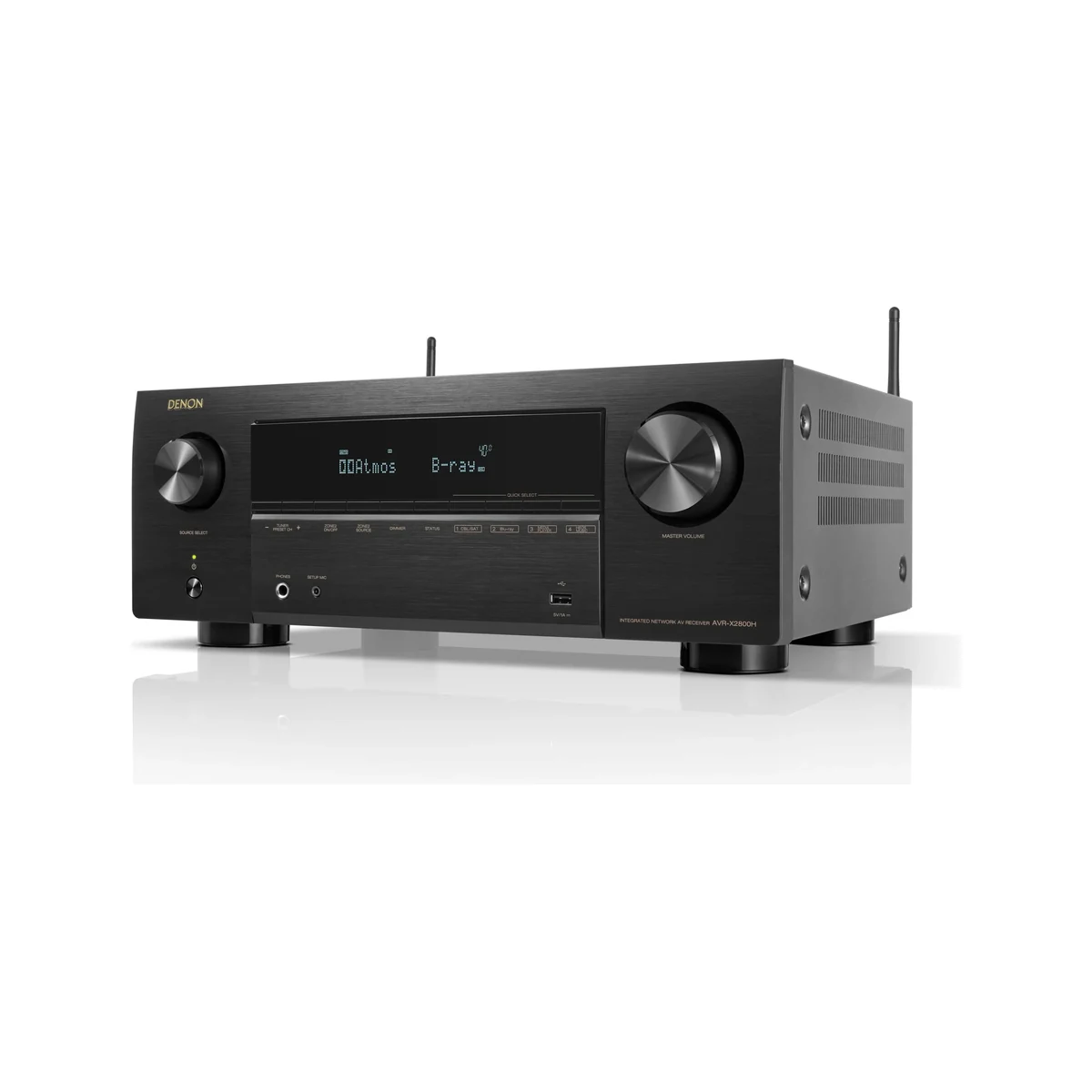
Ergonomically, Denon has struck a good balance between physical controls and modern app-based management. The receiver integrates cleanly into both traditional and minimalist setups, projecting the quiet confidence expected from a company with decades of audio engineering heritage.
Performance
In real-world listening, the AVR-X2800H delivers controlled, dynamic power that excels with demanding speaker loads. Dolby Atmos soundtracks unfold with precise height placement and expansive width, while dialogue remains intelligible even during complex action sequences. Bass is tight and tuneful across dual subwoofer outputs, avoiding the bloated low-end sometimes found in lesser receivers. Whether reproducing the thunderous drops in blockbuster films or the delicate nuances of a jazz recording, the receiver maintains composure and speed.
Benchmarks confirm low distortion figures even near rated output, with excellent channel separation that creates a convincing three-dimensional soundstage. High-resolution audio files played via HEOS or USB reveal impressive detail retrieval and a neutral tonal balance that avoids harshness in the upper frequencies. Gaming performance is equally strong, with 4K/120Hz passthrough and VRR ensuring tear-free visuals while the audio engine keeps pace with fast-paced titles.
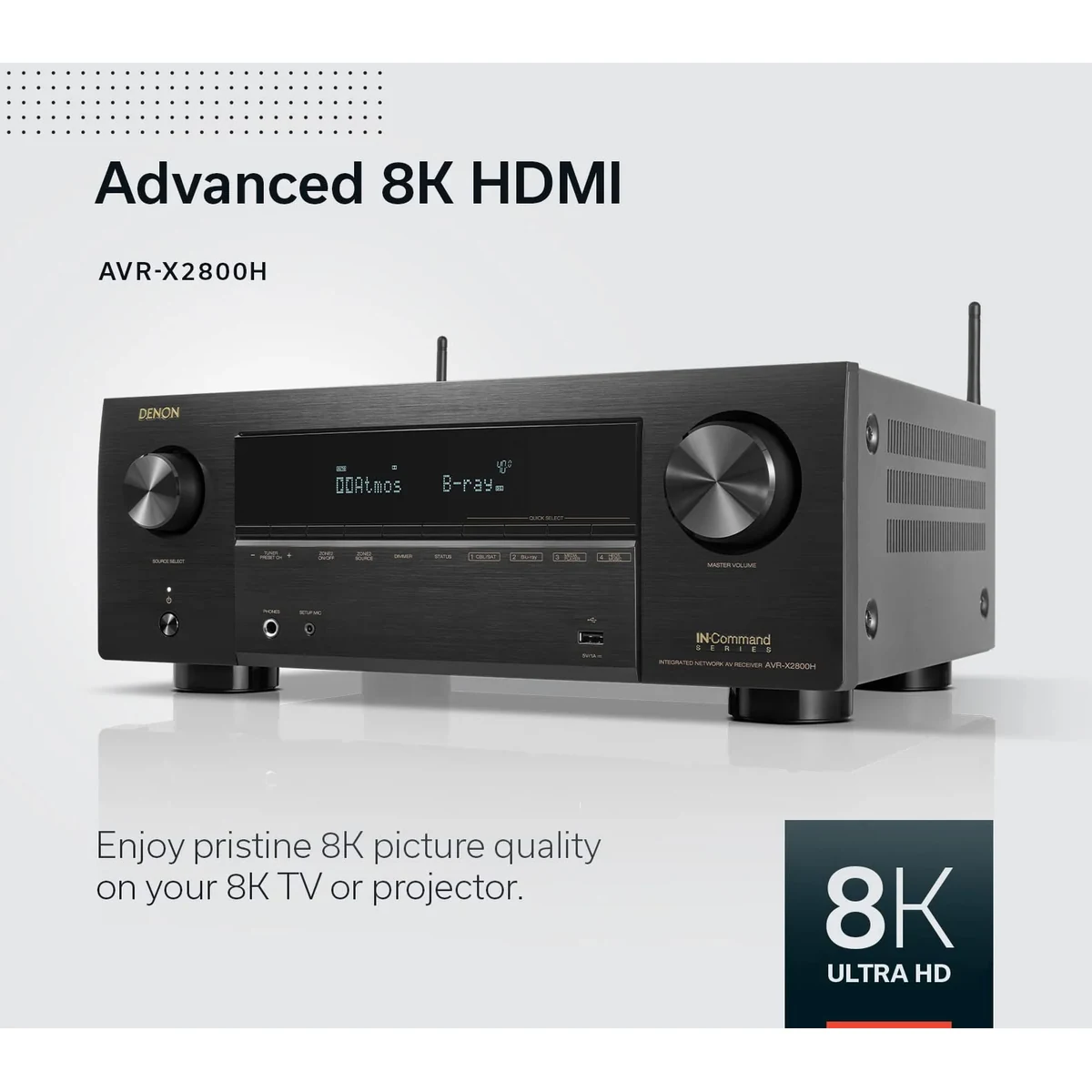
Long-term listening tests over several weeks revealed no listener fatigue, a testament to the receiver’s refined Class AB amplification and sophisticated DSP. It handles both intimate two-channel music and full 7.2.2 immersive setups with equal authority, making it one of the most versatile performers in its class.
Features & Software
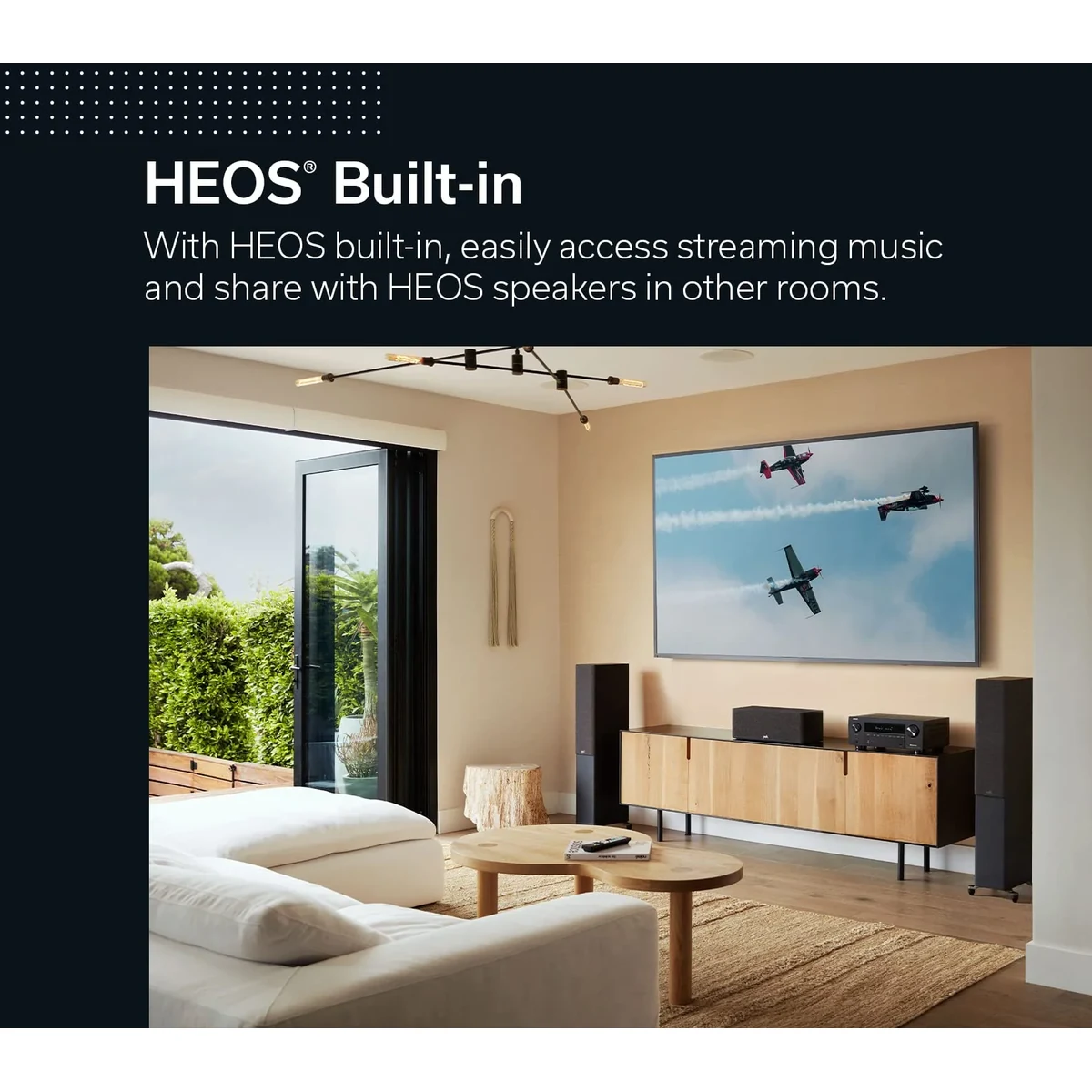
Standout features include full-bandwidth HDMI 2.1 on every port, future-proofing the receiver for 8K sources and next-generation consoles. The Audyssey MultEQ XT system, paired with the included calibration microphone, produces remarkably balanced response across seating positions. HEOS integration remains one of the most polished multi-room platforms available, supporting high-resolution streaming services with stable, intuitive control via the HEOS app.
Voice assistant compatibility with Alexa, Google Assistant, and Siri adds convenient smart home functionality. The receiver also supports Roon Tested certification for users invested in high-end digital libraries. While the on-screen interface is functional rather than revolutionary, firmware updates have improved responsiveness, and the overall software experience feels stable and mature in 2026.
Value Proposition
At its current 2026 street price, the AVR-X2800H offers exceptional performance per dollar. It delivers the core capabilities most enthusiasts need — powerful amplification, advanced room correction, and full 8K connectivity — without the premium tax of flagship models. Compared to similarly priced competitors, it frequently outperforms in raw dynamics and refinement while maintaining Denon’s legendary reliability.
For buyers transitioning from older 4K receivers, the jump in clarity, spatial accuracy, and future-proofing represents genuine long-term value. It strikes an ideal balance for enthusiasts who prioritize sonic excellence and smart features over flashy gimmicks or excessive channel counts.
How It Compares
Against the Yamaha RX-A2A, the Denon provides superior room correction through Audyssey MultEQ XT versus Yamaha’s YPAO, along with more consistent HDMI 2.1 implementation. The Yamaha edges ahead in pure music streaming features for some users, but the AVR-X2800H delivers a more refined, cinematic sound signature overall.
When stacked against the Onkyo TX-NR7100, the Denon offers a cleaner, more detailed presentation and better long-term firmware support. While the Onkyo includes Dirac Live in some bundles, the AVR-X2800H’s native tuning and HEOS ecosystem often prove more satisfying for mixed movie and music use.
Pros and Cons
Pros
- Delivers powerful, detailed, and spatially accurate sound with excellent dynamics.
- Full HDMI 2.1 implementation across all ports ensures future-proof 8K and gaming performance.
- Audyssey MultEQ XT combined with HEOS creates an intuitive and highly effective user experience.
- Robust build quality and refined industrial design convey premium durability.
- Strong value proposition for enthusiasts seeking high performance without flagship pricing.
Cons
- The on-screen interface and menu system feel dated compared to newer competitors.
- Dirac Live room correction is not included natively and requires an additional paid upgrade.
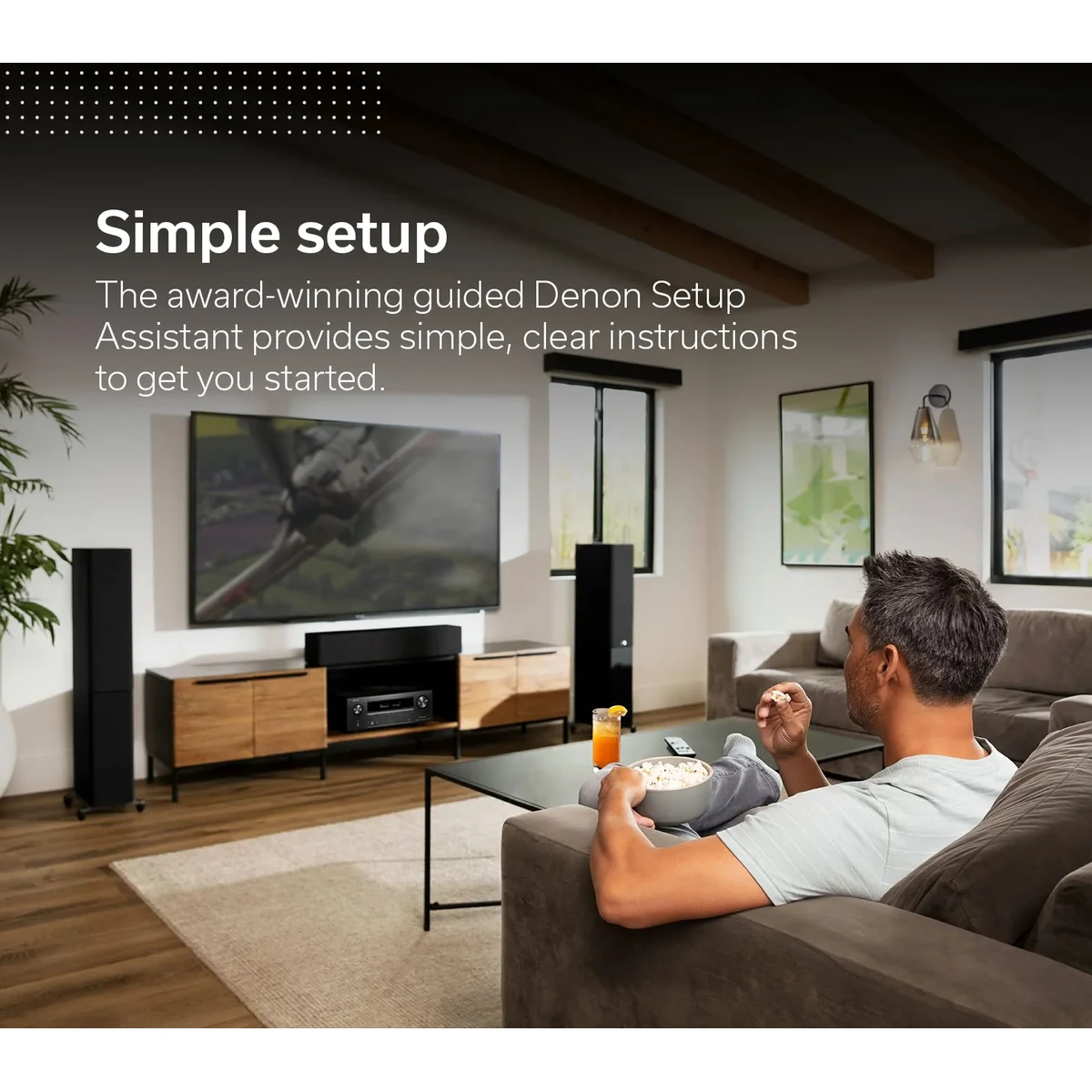
- Setup can be complex and time-consuming for users new to home theater calibration.
- Runs noticeably warm during extended high-volume sessions, requiring good ventilation.
- Lacks a front-panel HDMI input for quick device connections.
FAQ
Q: Does the Denon AVR-X2800H support 8K video passthrough?
A: Yes, all six HDMI 2.1 inputs support 8K/60Hz and 4K/120Hz passthrough with full HDR10+, Dolby Vision, and gaming features including VRR and ALLM.
Q: Is Audyssey MultEQ XT sufficient for most rooms?
A: For the majority of listening environments, Audyssey MultEQ XT delivers excellent results. Dirac Live is available as an optional upgrade for users seeking even more precise calibration.
Q: Can the AVR-X2800H be used in a multi-room audio system?
A: Yes, the built-in HEOS platform allows seamless integration with other HEOS-compatible speakers for whole-home audio distribution.
Q: Does it support voice control?
A: The receiver works with Amazon Alexa, Google Assistant, and Apple Siri through the HEOS app and compatible smart devices.
Q: Is the Denon AVR-X2800H a good choice for gaming?
A: It is an outstanding option for gaming thanks to 4K/120Hz support, VRR, and low-latency audio modes that pair perfectly with PS5, Xbox Series X, and high-end PCs.
Verdict
The Denon AVR-X2800H is an excellent choice for tech-savvy home theater enthusiasts who want reference-level immersive audio, full 8K and gaming support, and sophisticated room correction without venturing into flagship territory. Its refined dynamics, reliable HEOS platform, and robust build quality make it particularly well-suited for medium-to-large rooms where performance and future-proofing matter most. In 2026, it remains one of the smartest investments for discerning listeners seeking both cinematic thrills and high-fidelity music reproduction.
Pros
- ✓ Delivers powerful, detailed, and spatially accurate sound with excellent dynamics.
- ✓ Full HDMI 2.1 implementation across all ports ensures future-proof 8K and gaming performance.
- ✓ Audyssey MultEQ XT combined with HEOS creates an intuitive and highly effective user experience.
- ✓ Robust build quality and refined industrial design convey premium durability.
- ✓ Strong value proposition for enthusiasts seeking high performance without flagship pricing.
Cons
- ✗ The on-screen interface and menu system feel dated compared to newer competitors.
- ✗ Dirac Live room correction is not included natively and requires an additional paid upgrade.
- ✗ Setup can be complex and time-consuming for users new to home theater calibration.
- ✗ Runs noticeably warm during extended high-volume sessions, requiring good ventilation.
- ✗ Lacks a front-panel HDMI input for quick device connections.
Where to Buy the Denon AVR-X2800H





Prices may vary. Affiliate links — we may earn a commission at no extra cost to you.
Related Reviews

Affiliate links — we may earn a commission at no extra cost to you.