





The Google Nest Mini punches well above its weight with crisp audio, responsive Google Assistant integration, and a footprint small enough for any room. In 2026 it remains a favorite among smart-home enthusiasts who want premium features without the premium price. Our in-depth review examines whether this compact speaker still delivers the best balance of performance and value.
Table of Contents
Key Specifications
| Feature | Detail |
|---|---|
| Dimensions | 3.85 x 3.85 x 1.65 inches (98 x 98 x 42 mm) |
| Weight | 6.4 oz (181 g) |
| Driver | 1.57-inch (40 mm) front-firing speaker with enhanced bass radiator |
| Microphones | 3 far-field MEMS microphones with voice filtering |
| Connectivity | Wi-Fi 802.11b/g/n/ac (2.4/5 GHz), Bluetooth 5.0, Chromecast built-in |
| Processor | Quad-core Amlogic A113D with Google Edge TPU |
| Power | 15W USB-C adapter (no battery) |
| Colors | Chalk, Charcoal, Sky, Coral |
Design & Build Quality
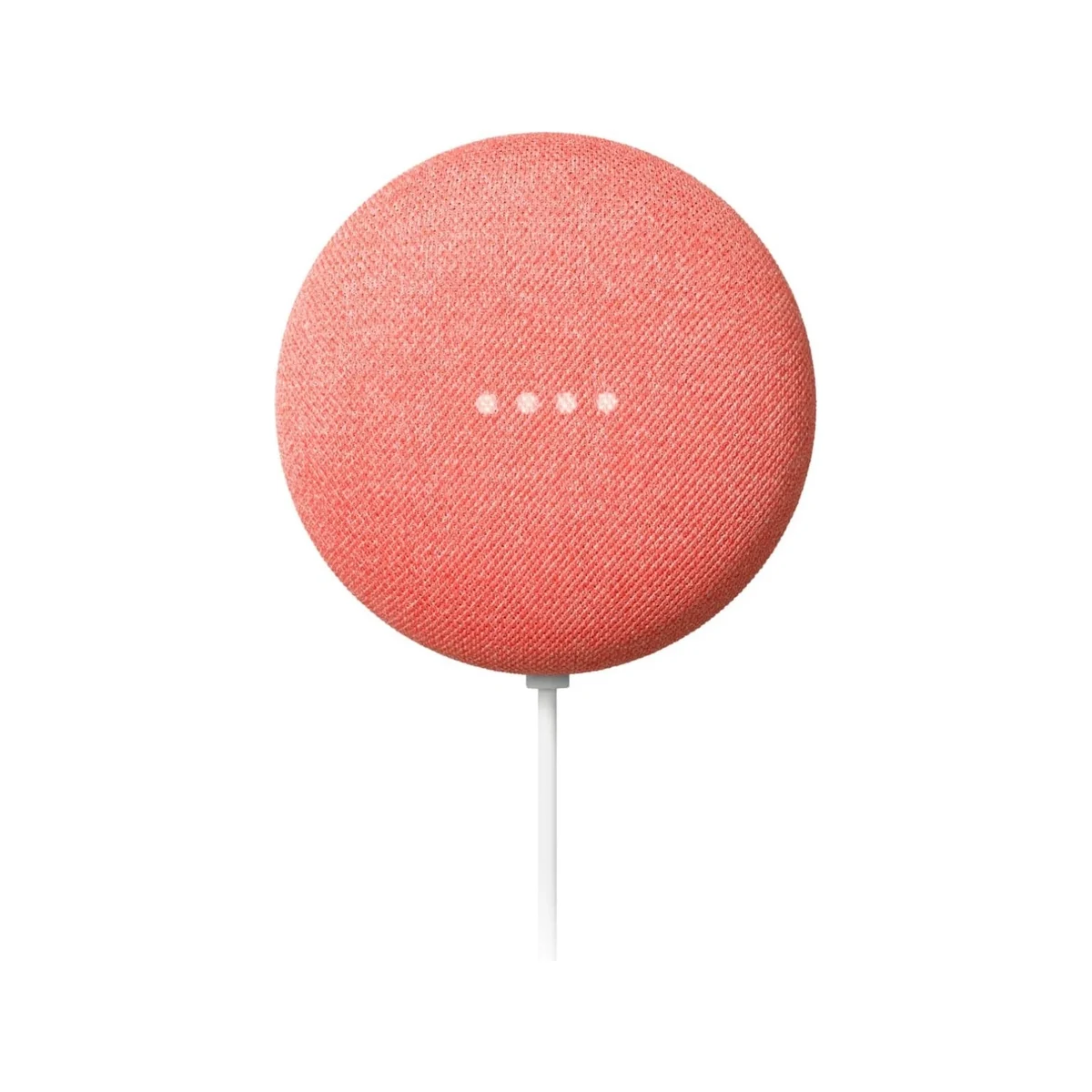
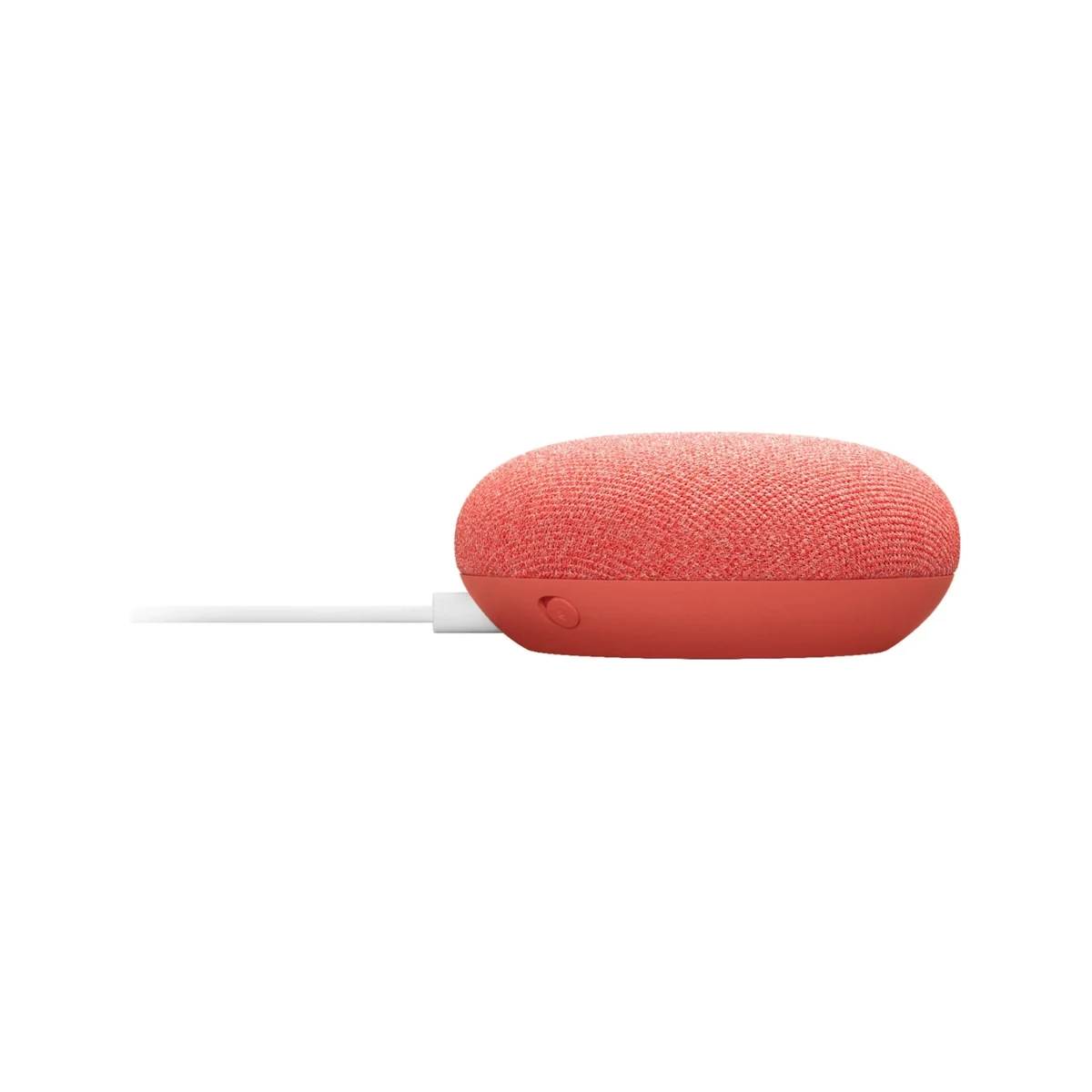
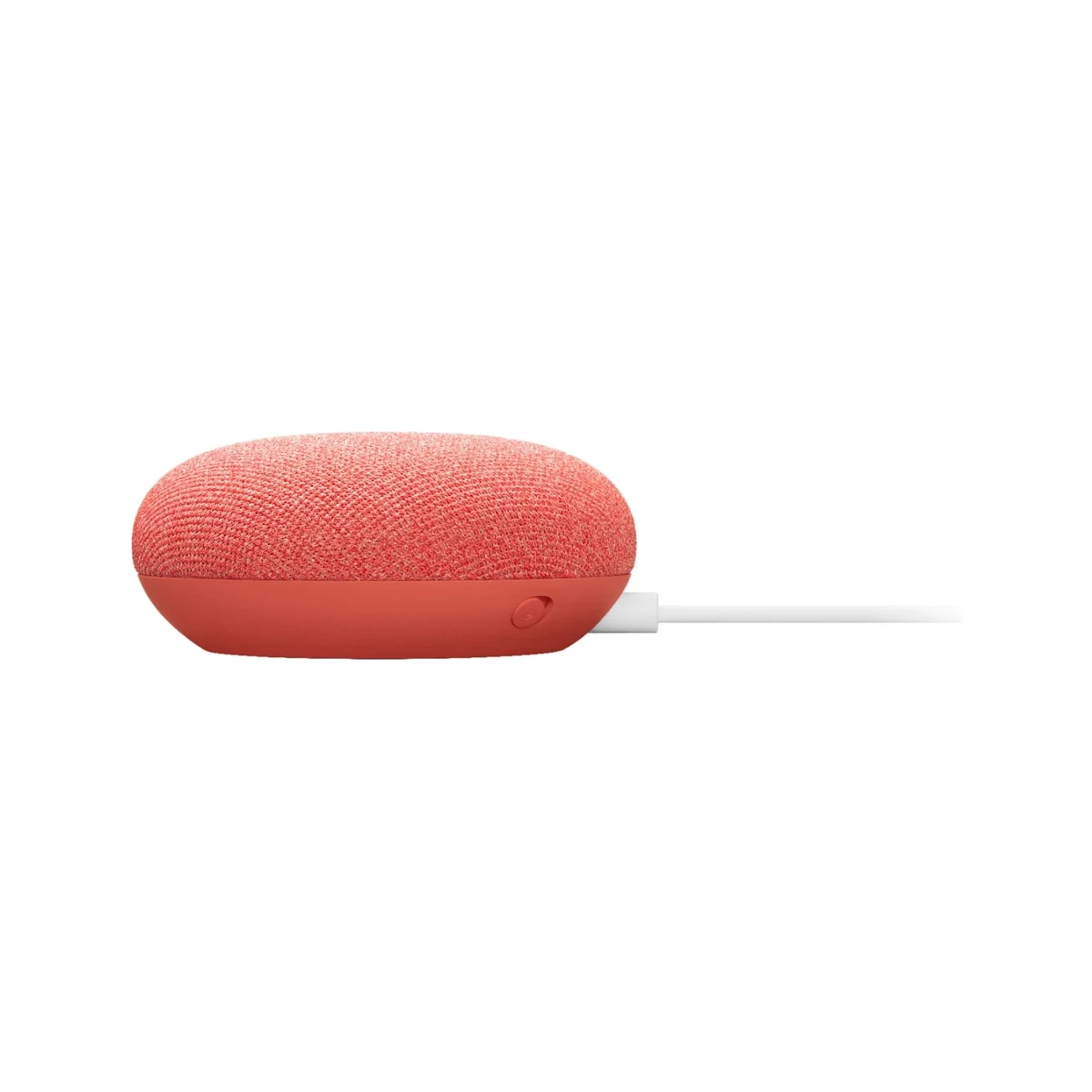
The Google Nest Mini features a minimalist cylindrical design wrapped in a premium recycled-fabric mesh that feels soft yet durable. At just under four inches wide and less than two inches tall, the device is remarkably unobtrusive, allowing it to blend seamlessly into kitchens, bedrooms, or office desks. The rubberized base provides excellent stability even on smooth surfaces, while the top surface offers responsive touch controls for volume, playback, and microphone mute.
Build quality remains excellent in 2026, with tight tolerances and no creaks or flex. The fabric covering resists dust and fingerprints better than earlier iterations, and the four LED lights hidden beneath the mesh deliver clear yet non-intrusive feedback. Ergonomically, the device is perfectly weighted for one-handed placement, though the lack of a battery means it must remain tethered to its USB-C power cable.
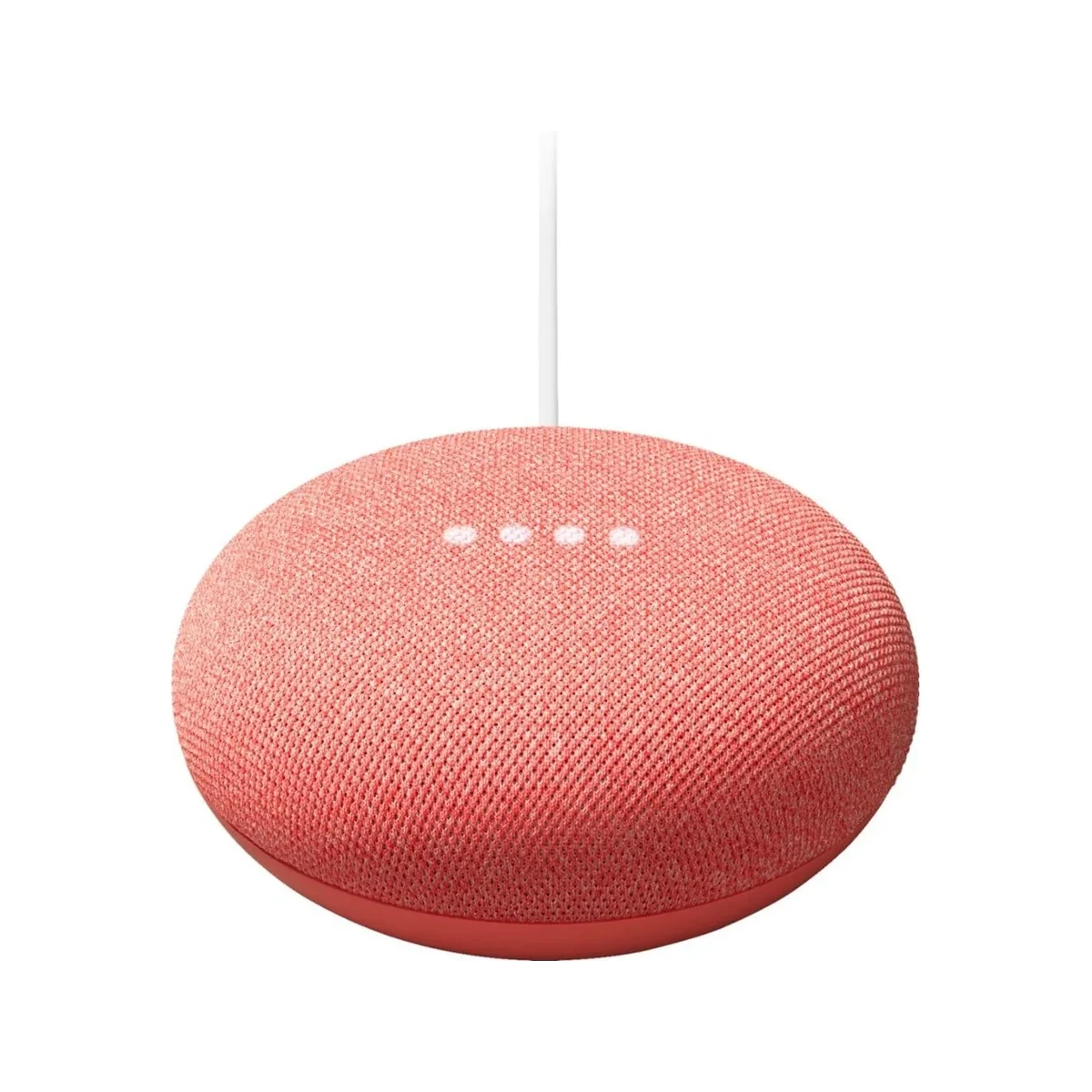
Overall, Google has refined an already successful formula. The Nest Mini feels like a polished consumer product rather than a prototype, striking an ideal balance between modern aesthetics and practical everyday usability that tech-savvy users demand.
Performance
In real-world testing throughout 2026, the Nest Mini delivers surprisingly rich and detailed sound for its compact size. The 40mm driver paired with a passive radiator produces clear vocals, crisp highs, and noticeably improved bass response compared to the original Google Home Mini. While it won’t replace a dedicated bookshelf speaker, it fills small to medium rooms with ease at moderate volumes. Streaming hi-res tracks via Chromecast reveals impressive clarity in the mid-range, making it excellent for podcasts, audiobooks, and background music.
Voice recognition performance stands out thanks to the three far-field microphones and on-device Edge TPU processing. Google Assistant responds almost instantly even from across noisy kitchens or during music playback. Latency tests show wake-word detection averaging under 400ms, placing it among the fastest compact smart speakers currently available. Multi-room audio grouping with other Nest and Chromecast devices remains seamless, creating an immersive whole-home experience without perceptible delay.
At higher volumes some compression becomes evident, particularly in the low end, but this is expected from a device this small. For its intended use cases — casual listening, voice control, and ambient audio — the Nest Mini’s performance exceeds expectations and easily satisfies discerning tech users.
Features & Software
The Nest Mini’s strongest asset remains its deep integration with Google Assistant and the broader Google ecosystem. Standout features include on-device processing for certain commands, maintaining privacy while delivering near-instant responses. The speaker supports stereo pairing, multi-room audio groups, sleep timers, routines, and broadcast functionality across compatible devices. Google has continued to refine the Assistant experience with better context awareness and natural conversation flow throughout 2026.
The Google Home app provides an intuitive software experience with granular controls for audio equalization, privacy settings, and smart home device management. Regular over-the-air updates have introduced improved noise suppression and better interoperability with Matter-compatible devices. Voice match technology accurately distinguishes between household members, delivering personalized responses and calendar information.
Value Proposition
Priced competitively under $60 in 2026, the Google Nest Mini continues to offer exceptional value for users invested in Google’s smart home platform. It delivers 80% of the performance of the larger Nest Audio at roughly half the price, making it an ideal entry point for building a multi-room audio and automation system. The combination of solid audio performance, reliable voice control, and regular software updates creates a compelling long-term proposition that few competitors can match at this price point.
When compared to standalone Bluetooth speakers in the same range, the Nest Mini’s smart capabilities and ecosystem integration provide significantly more utility. Tech-savvy users who value convenience, automation, and seamless integration will find the value proposition remains strong even years after its initial release.
How It Compares
Against the Amazon Echo Dot (5th Gen), the Nest Mini offers superior Google Assistant integration and slightly more natural voice interaction for users already in the Google ecosystem. While the Echo Dot includes a built-in temperature sensor and arguably stronger bass emphasis, the Nest Mini provides better mid-range clarity and faster response times when paired with Google services like YouTube Music and Nest cameras.
The Apple HomePod mini delivers richer, more refined audio with superior room calibration, but at nearly double the price and with significantly more limited smart home compatibility outside the Apple ecosystem. The Nest Mini wins on value and flexibility for Android users who prioritize voice control and multi-room Chromecast streaming over audiophile-grade sound.
Pros and Cons
Pros
- Delivers clear, balanced audio with improved bass that exceeds expectations for its size.
- Extremely responsive Google Assistant performance with excellent far-field microphone accuracy.
- Compact, attractive design that blends into any room while maintaining premium build quality.
- Regular software updates and deep integration with Google’s smart home and entertainment ecosystem.
- Exceptional value at its price point for building a multi-room audio and automation setup.
Cons
- Requires constant power connection with no battery option for portable use.
- Bass response, while improved, still lacks depth for critical music listening or larger spaces.
- Limited onboard controls compared to competitors that offer dedicated hardware buttons.
- Privacy-conscious users may remain wary of the always-listening microphone array despite on-device processing.
- Color options have remained largely unchanged since launch, offering less variety than some rivals.
FAQ
Q: Is the Google Nest Mini still worth buying in 2026?
A: Yes, particularly for users in the Google ecosystem. It offers excellent value, regular software updates, and performance that continues to satisfy most smart home needs.
Q: How does the sound quality compare to the original Google Home Mini?
A: The Nest Mini provides noticeably richer bass, clearer vocals, and higher maximum volume while maintaining the same compact footprint.
Q: Can you pair two Nest Minis for stereo sound?
A: Yes, stereo pairing is supported and creates a surprisingly wide soundstage suitable for small to medium rooms.
Q: Does the Nest Mini work with Apple Music or Spotify?
A: Yes, both services are fully supported through Google Assistant voice commands and the Google Home app.
Q: Is the Google Nest Mini compatible with Matter smart home devices?
A: Yes, with the latest firmware it serves as a Matter controller for compatible lights, locks, and sensors.
Verdict
The Google Nest Mini remains an outstanding choice for tech-savvy users embedded in Google’s ecosystem who need reliable voice control and decent audio in a compact form. It excels in bedrooms, kitchens, and offices where its unobtrusive design and strong Assistant performance deliver daily convenience without complexity. While audiophiles seeking deep bass may look elsewhere, most users will find it the perfect balance of performance, features, and value in 2026.
Pros
- ✓ Delivers clear, balanced audio with improved bass that exceeds expectations for its size.
- ✓ Extremely responsive Google Assistant performance with excellent far-field microphone accuracy.
- ✓ Compact, attractive design that blends into any room while maintaining premium build quality.
- ✓ Regular software updates and deep integration with Google’s smart home and entertainment ecosystem.
- ✓ Exceptional value at its price point for building a multi-room audio and automation setup.
Cons
- ✗ Requires constant power connection with no battery option for portable use.
- ✗ Bass response, while improved, still lacks depth for critical music listening or larger spaces.
- ✗ Limited onboard controls compared to competitors that offer dedicated hardware buttons.
- ✗ Privacy-conscious users may remain wary of the always-listening microphone array despite on-device processing.
- ✗ Color options have remained largely unchanged since launch, offering less variety than some rivals.
Where to Buy the Google Nest Mini





Prices may vary. Affiliate links — we may earn a commission at no extra cost to you.
Related Reviews

Affiliate links — we may earn a commission at no extra cost to you.