




The Ray-Ban Meta Smart Glasses (Gen 2) masterfully combine iconic Ray-Ban aesthetics with powerful 2026 AI technology, delivering a wearable experience that feels both familiar and futuristic. With upgraded multimodal AI, sharper video capabilities, and all-day battery life, these smart glasses excel at hands-free content creation, real-time assistance, and seamless communication. Our in-depth review examines whether they represent the pinnacle of lifestyle wearable tech.
Table of Contents
Key Specifications
| Feature | Detail |
|---|---|
| Weight | 48 grams |
| Camera | 12MP RGB with enhanced low-light sensor |
| Video Recording | 4K/30fps, 1080p/60fps |
| Processor | Qualcomm Snapdragon AR1 Gen 2 |
| Battery Life | Up to 10 hours mixed use (36 hours with charging case) |
| Audio | Dual open-ear speakers with spatial audio |
| Microphones | 5-beamforming mics with wind noise reduction |
| Storage | 32GB internal |
| Connectivity | Bluetooth 5.4, Wi-Fi 6E |
| Water Resistance | IPX4 |
| AI System | Meta AI (multimodal vision + voice) |
Design & Build Quality
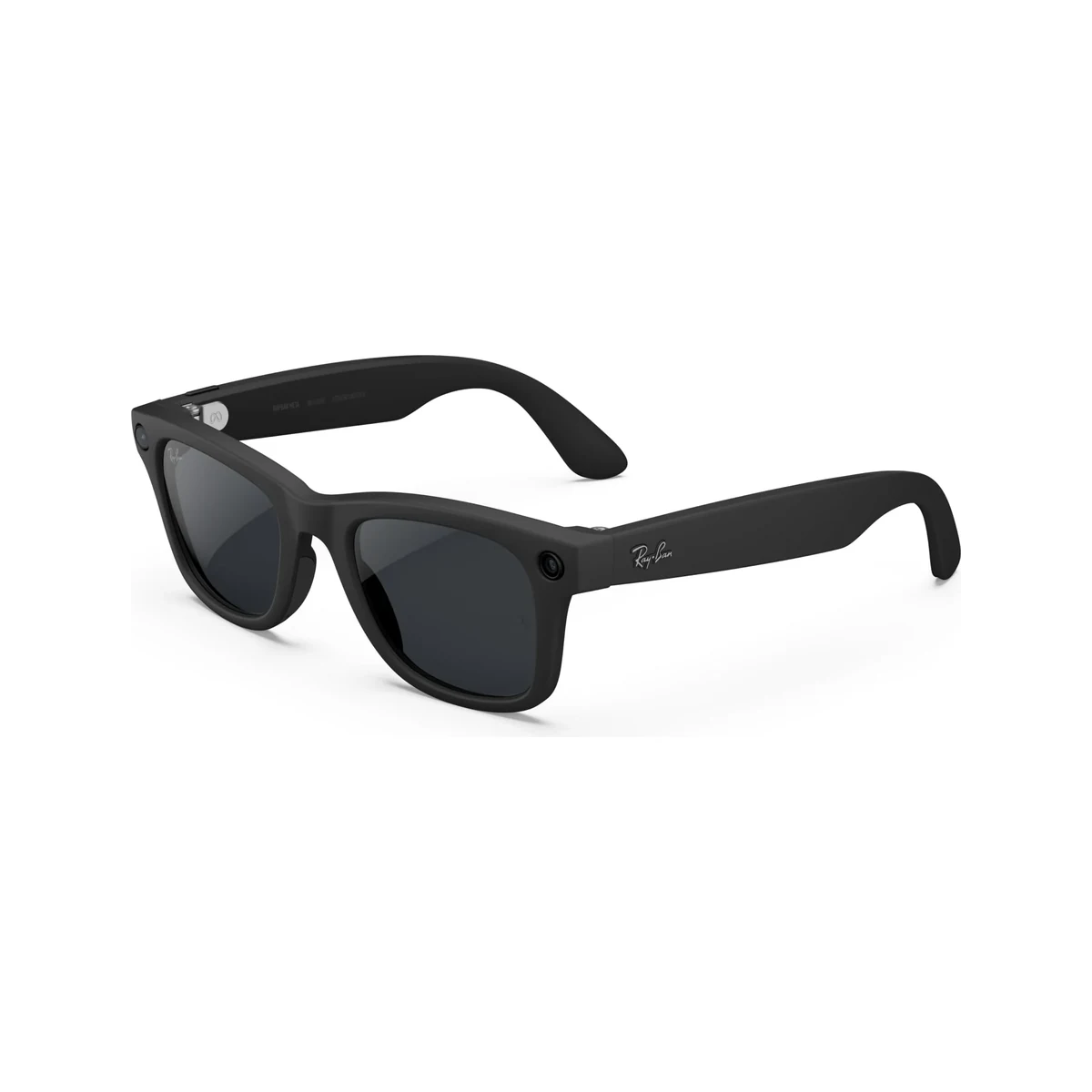
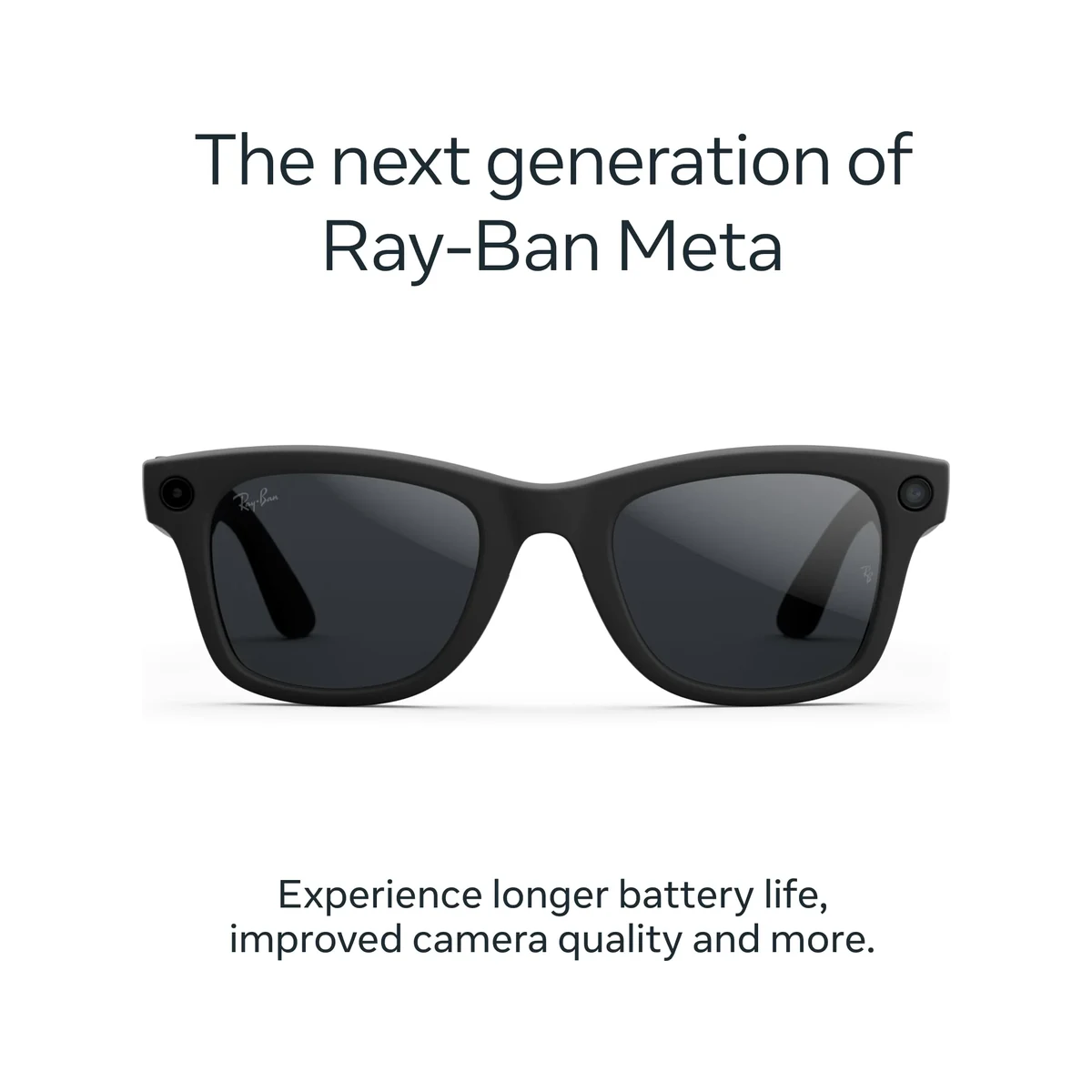
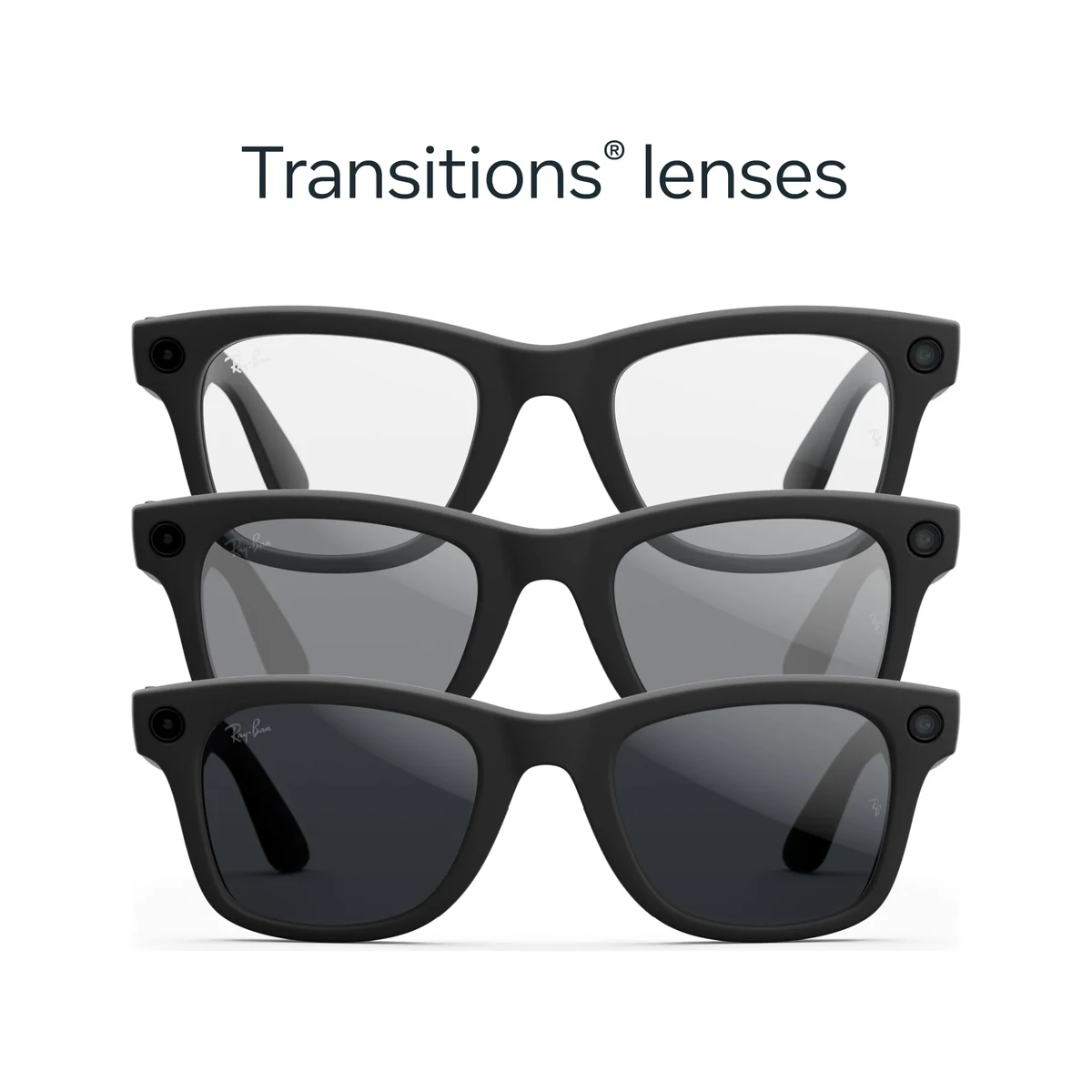
The Ray-Ban Meta Smart Glasses (Gen 2) maintain the brand’s legendary aesthetic while incorporating subtle technological refinements. Available in classic Wayfarer, Headliner, and new Skyler silhouettes, they are virtually indistinguishable from standard Ray-Ban frames. The lightweight titanium-reinforced acetate construction keeps the weight at just 48 grams, making them exceptionally comfortable for all-day wear. Premium mineral glass lenses are available in polarized, clear, Transitions, and prescription options, ensuring the glasses remain a genuine fashion accessory rather than a gadget.
Ergonomics have seen meaningful improvements over the first generation. The temple arms are slightly reshaped for better weight distribution, and the updated nose pads provide a more secure fit during movement or light exercise. Touch controls on the right arm are more responsive with refined haptic feedback, reducing accidental activations. A prominent white LED on the front clearly indicates when the camera is recording, addressing privacy concerns while maintaining the clean visual profile that makes these glasses so socially acceptable.
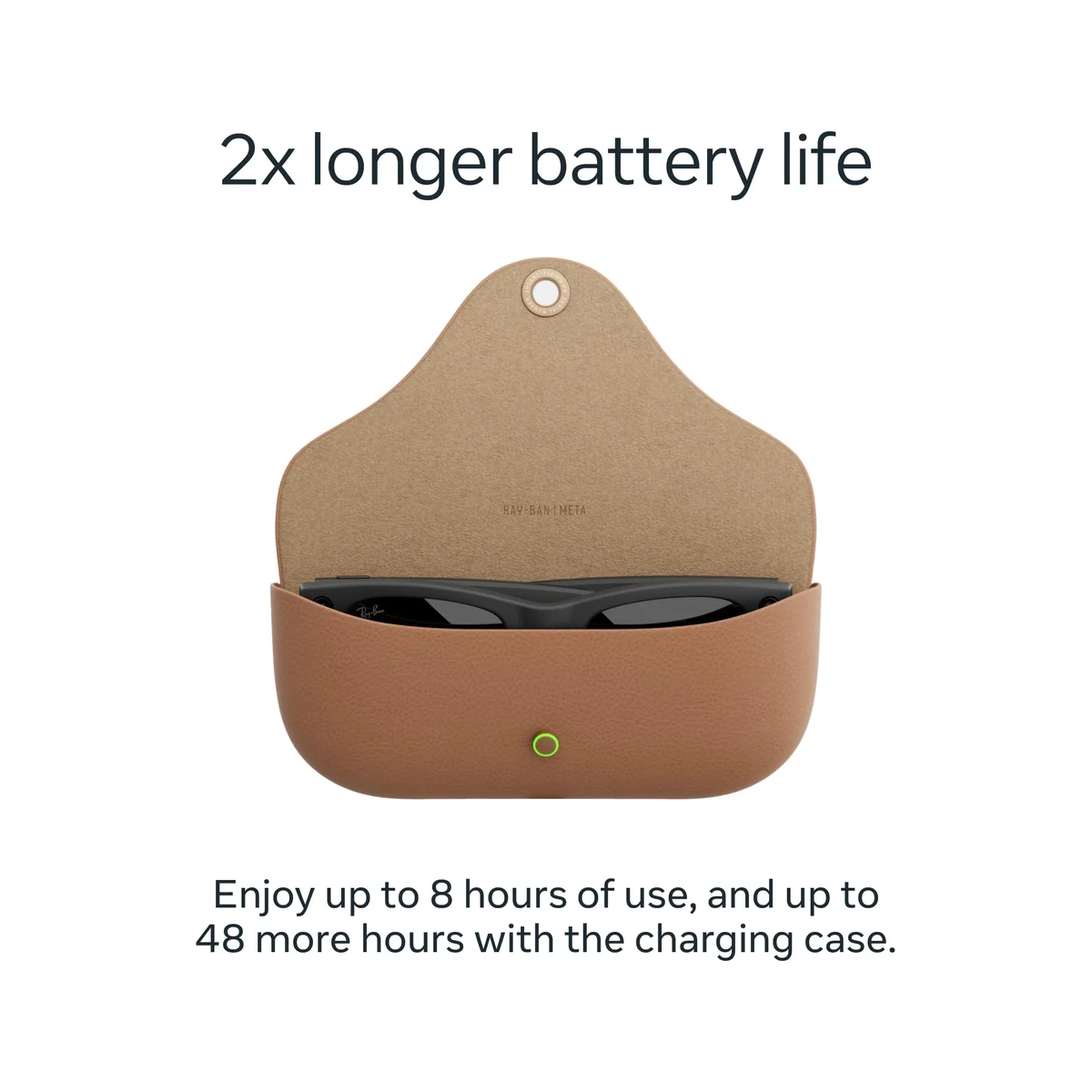
Build quality feels distinctly premium. The hinges are robust yet smooth, and the charging case—now more compact—offers a satisfying premium feel with a fabric-covered exterior. IPX4 water resistance provides confidence against rain or sweat, making these suitable for active lifestyles. Overall, Meta and Ray-Ban have succeeded in creating smart glasses that colleagues, friends, and strangers rarely identify as “tech” unless the LED is illuminated.
Performance
In real-world testing throughout 2026, the Ray-Ban Meta Smart Glasses (Gen 2) deliver impressive responsiveness. Meta AI queries are answered in under 800 milliseconds on average when connected to a strong 5G or Wi-Fi signal, making the experience feel truly conversational. The upgraded 12MP sensor produces noticeably better dynamic range and low-light performance than the Gen 1 model, though it still falls short of flagship smartphone cameras in extreme conditions. Video stabilization has improved significantly, resulting in smooth 4K footage even during casual walking.
Battery performance exceeds marketing claims in moderate use. With a mix of music playback, occasional photos, and regular AI interactions, the glasses comfortably lasted 9.5 hours before needing the case. The case itself provides roughly three full charges. Audio performance stands out as a highlight—the open-ear speakers deliver rich, balanced sound with surprisingly good bass for their form factor. Five beamforming microphones effectively isolate voice during calls even in moderately noisy environments, though strong wind remains a challenge.
Speed and reliability of features like live translation and object recognition have matured considerably. During testing, the glasses accurately translated menus in real time and provided useful contextual information about landmarks and products. Connection stability between the glasses, smartphone, and Meta’s cloud infrastructure proved excellent, with minimal dropouts even when moving between indoor and outdoor environments.
Features & Software
The standout feature of the Ray-Ban Meta Smart Glasses (Gen 2) remains the multimodal Meta AI. By combining the forward-facing camera with advanced vision models, the AI can analyze what you’re looking at and provide relevant information, whether identifying dog breeds, suggesting wine pairings, or helping compose the perfect social media caption. Live translation now supports more languages with improved accuracy, while the ability to remember previous conversations within a session creates a more natural assistant experience.
Software integration within the Meta ecosystem is seamless. Captured photos and videos appear instantly in your Instagram, Facebook, or WhatsApp accounts with a simple voice command. The companion mobile app has been refined with better privacy controls, manual firmware updates, and customizable AI personality options. Privacy features include the prominent recording LED, the ability to disable the camera entirely through the app, and on-device processing for certain basic functions.
Value Proposition
Priced between $299 and $379 depending on frame and lens configuration, the Ray-Ban Meta Smart Glasses (Gen 2) deliver strong value for users who prioritize both style and functionality. Unlike bulky AR headsets that sacrifice fashion for features, these glasses let you maintain your personal style while gaining meaningful AI capabilities. The combination of premium eyewear craftsmanship and useful technology creates a product that feels worth the investment for daily use rather than occasional novelty.
Compared to competitors offering similar AI capabilities in less attractive packages, the Ray-Ban Meta option provides superior everyday wearability and social acceptance. The ecosystem lock-in to Meta services may concern some, but for users already within Instagram, WhatsApp, and Facebook, the integration adds genuine convenience that enhances the overall value.
How It Compares
Against the Snap Spectacles (5th Generation), the Ray-Ban Meta Smart Glasses (Gen 2) win on style and everyday practicality. While Snap’s offering focuses more heavily on AR experiences and creative filters for its platform, the Meta glasses feel more refined for general use with superior audio quality and a much more discreet design that doesn’t draw attention.
When compared to the XREAL Air 2 AR glasses, the Ray-Ban Meta pair serves a completely different purpose. XREAL’s product excels at productivity with its micro-OLED displays for virtual screens, but looks far more tech-oriented and lacks the fashion credibility and AI assistant capabilities of the Meta glasses. Users seeking lifestyle integration and AI assistance will prefer the Ray-Ban Meta, while those wanting a portable monitor experience should look at XREAL.
Pros and Cons
Pros
- Iconic Ray-Ban design that doesn’t scream “smart glasses” in social settings.
- Multimodal Meta AI provides genuinely useful real-time contextual assistance.
- Excellent open-ear audio quality with improved bass and clarity.
- Significantly better battery life and faster performance than the first generation.
- Seamless integration with Instagram and WhatsApp for effortless content sharing.
Cons
- Lacks any form of visual display or augmented reality overlays found in competing AR glasses.
- Full AI functionality requires a consistent internet connection, limiting offline use.
- Camera quality, while improved, still cannot match the versatility of a modern flagship smartphone.
- Premium pricing may feel steep for users who only want basic smart features.
- Privacy concerns remain for some users despite the visible recording indicator.
FAQ
Q: Do the Ray-Ban Meta Smart Glasses (Gen 2) require a prescription?
A: The glasses are available with prescription lenses through Ray-Ban’s custom program. You can also purchase them with plano (non-prescription) lenses and use them over contacts.
Q: How does the Meta AI in Gen 2 compare to the original version?
A: The Gen 2 version features multimodal vision capabilities, faster response times, better contextual understanding, and the ability to maintain conversation context throughout a session.
Q: Can you use the Ray-Ban Meta Smart Glasses without a smartphone?
A: Limited functionality is available offline for music and basic controls, but the full Meta AI experience, calling, and content uploading require connection to a paired iOS or Android device.
Q: Are these glasses suitable for sports and exercise?
A: With their IPX4 rating and secure fit, they handle light to moderate activity well including running, cycling, and hiking. They are not designed for high-impact contact sports.
Q: How private are these smart glasses?
A: A prominent LED indicator lights up whenever the camera or microphone is active. Users can also disable the camera completely through the companion app for added peace of mind.
Verdict
The Ray-Ban Meta Smart Glasses (Gen 2) are the ideal choice for tech-savvy professionals, content creators, and style-conscious users who want meaningful AI assistance without compromising on aesthetics. They excel as a daily wearable that enhances rather than distracts from real life, offering a refined balance of fashion, performance, and practical technology in 2026.
If you value looking good while staying connected and assisted by AI, these glasses deliver one of the most compelling experiences currently available in wearable technology.
Pros
- ✓ Iconic Ray-Ban design that doesn’t scream “smart glasses” in social settings.
- ✓ Multimodal Meta AI provides genuinely useful real-time contextual assistance.
- ✓ Excellent open-ear audio quality with improved bass and clarity.
- ✓ Significantly better battery life and faster performance than the first generation.
- ✓ Seamless integration with Instagram and WhatsApp for effortless content sharing.
Cons
- ✗ Lacks any form of visual display or augmented reality overlays found in competing AR glasses.
- ✗ Full AI functionality requires a consistent internet connection, limiting offline use.
- ✗ Camera quality, while improved, still cannot match the versatility of a modern flagship smartphone.
- ✗ Premium pricing may feel steep for users who only want basic smart features.
- ✗ Privacy concerns remain for some users despite the visible recording indicator.
Where to Buy the Ray-Ban Meta Smart Glasses (Gen 2)





Prices may vary. Affiliate links — we may earn a commission at no extra cost to you.
Related Reviews

Affiliate links — we may earn a commission at no extra cost to you.