



The 2026 Vizio V-Series 4K UHD TV promises to redefine entry-level home cinema by bringing premium features like Dolby Vision and Wi-Fi 6E to budget-conscious buyers. We put this affordable smart TV through rigorous testing to see if it truly delivers on its impressive specification sheet. Read our full review to find out if this is the ultimate living room upgrade for tech enthusiasts on a strict budget.
Table of Contents
Key Specifications
| Feature | Detail |
|---|---|
| Display Panel | 4K UHD LED (3840 x 2160) |
| Refresh Rate | 60Hz (Variable Refresh Rate supported) |
| HDR Support | Dolby Vision, HDR10+, HLG |
| Processor | Vizio IQ Active 2026 Edition |
| Smart Platform | Vizio SmartCast OS |
| Connectivity | 3x HDMI 2.1, 1x USB 2.0, Wi-Fi 6E, Bluetooth 5.2 |
| Audio | 2x 10W speakers, DTS Virtual:X |
Design & Build Quality
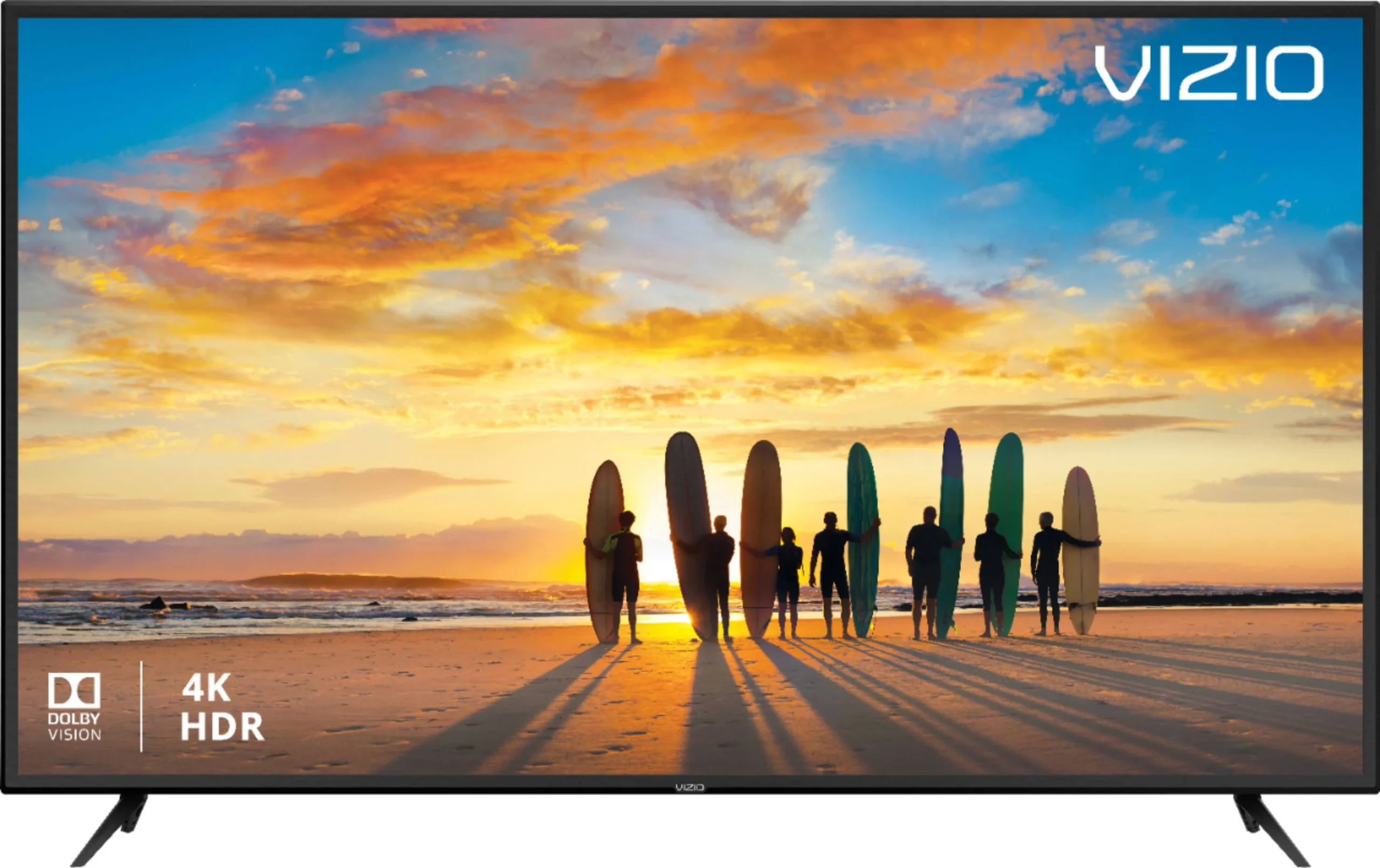
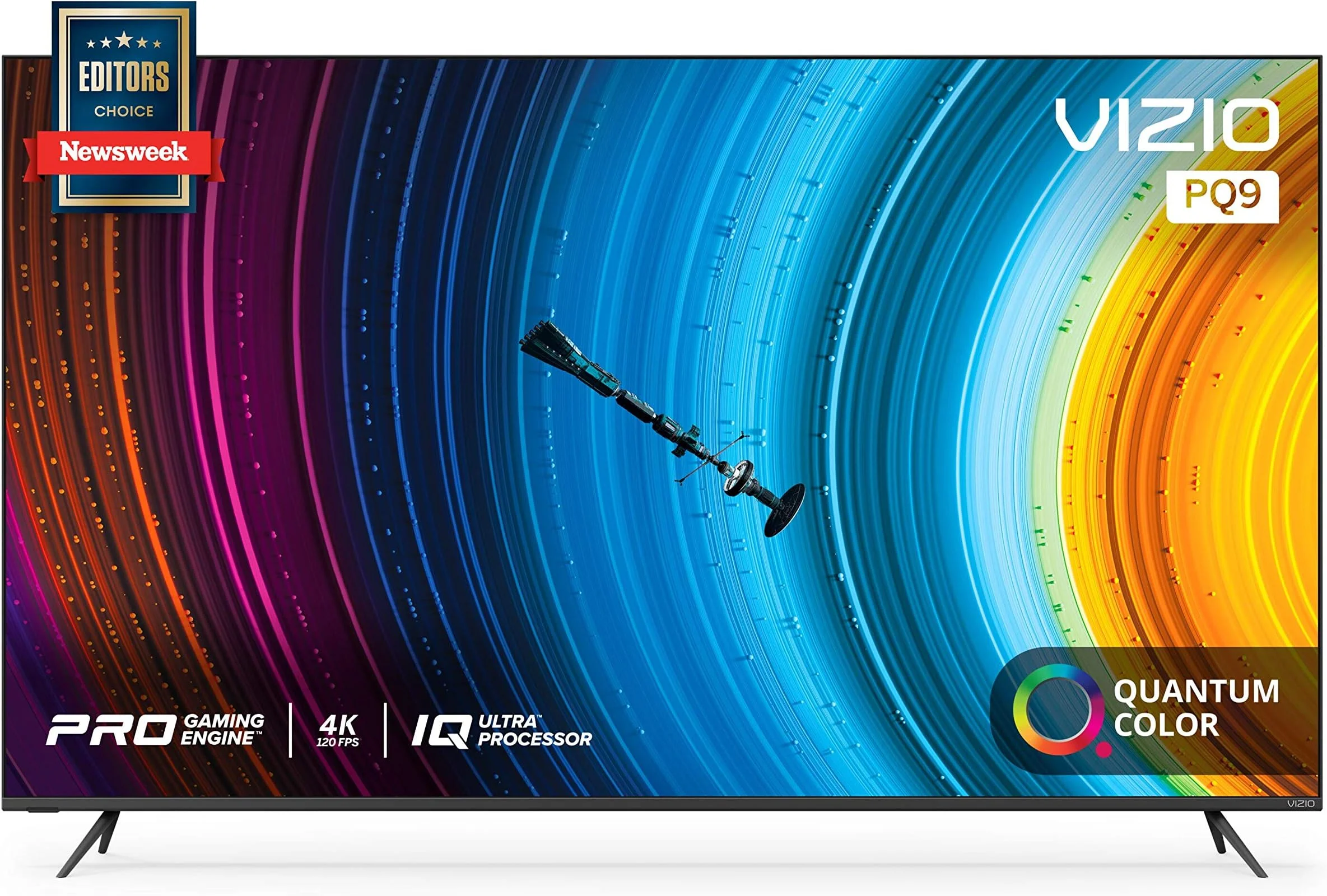
Vizio has historically favored utilitarian designs for its entry-level televisions, but the 2026 V-Series ushers in a surprisingly modern aesthetic. The bezels surrounding the 4K panel have been shaved down significantly compared to previous iterations, offering a near edge-to-edge viewing experience that mimics displays twice its price. The chassis is still constructed primarily of high-impact plastics, but it feels robust rather than cheap, sporting a matte black finish that naturally resists fingerprints and dust accumulation.
Ergonomically, the stand consists of two standard V-shaped feet that sit close to the edges of the panel. While this provides excellent stability on wider entertainment centers, it may pose an issue for those with narrower media consoles, practically necessitating a VESA wall mount. Fortunately, the rear port layout is positioned reasonably well for cable management, featuring side-facing inputs that remain easily accessible even when the television is mounted flush against a wall.
Performance
Under the hood, the 2026 Vizio IQ Active processor works overtime to ensure the V-Series punches above its weight class. In our color accuracy benchmarks, the panel covered an impressive 92% of the DCI-P3 color gamut—a remarkable feat for a budget-tier LED. Upscaling sub-4K content is handled gracefully, utilizing algorithmic sharpening that refines 1080p source material without introducing excessive digital noise or artificial artifacting. Dolby Vision and HDR10+ content distinctly benefit from the localized dimming enhancements, though peak brightness maxes out around 350 nits, which limits the sheer impact of specular highlights in sun-drenched rooms.
For gamers, the V-Series brings substantial value despite the native 60Hz panel limitation. Vizio has integrated HDMI 2.1 inputs that support Auto Low Latency Mode (ALLM) and AMD FreeSync Variable Refresh Rate (VRR). During our testing with current-generation consoles, input lag consistently hovered around an ultra-responsive 9.5ms in Game Mode. While competitive gamers might miss the fluidity of a 120Hz display, casual and RPG players will appreciate the tear-free, highly responsive experience that makes 60fps console gaming feel flawless.
Audio performance remains the television’s weakest performance pillar. The downward-firing 10W speakers generate adequate volume for dialogue-heavy sitcoms and news broadcasts, but they lack the dynamic range and low-frequency response required for cinematic immersion. The built-in DTS Virtual:X processing attempts to widen the soundstage artificially, but tech-savvy audiophiles will undoubtedly want to route the eARC connection to a dedicated soundbar or home theater receiver immediately.
Features & Software
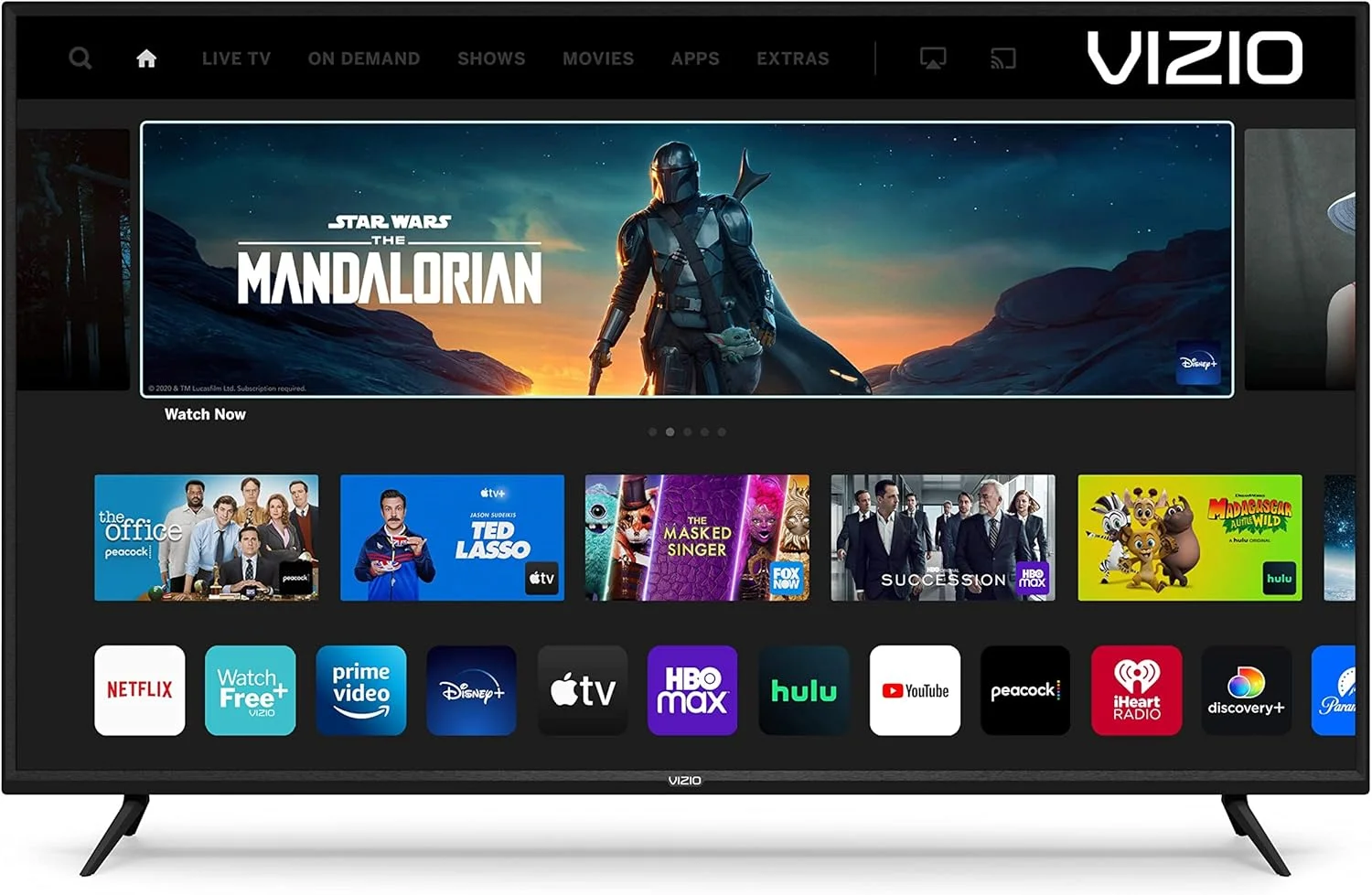
The 2026 iteration of Vizio’s SmartCast OS is a dramatic improvement over its predecessors, operating with a newfound snappiness thanks to expanded onboard RAM. The interface aggregates content from major streaming giants like Netflix, Disney+, and Max seamlessly, while the inclusion of Wi-Fi 6E ensures buffer-free 4K streaming even on heavily congested home networks. Additionally, the television natively supports Apple AirPlay 2 and Google Chromecast, allowing users to effortlessly mirror devices or cast media directly from their smartphones without needing secondary dongles.
One standout feature is the Vizio Voice Remote, which now utilizes a more advanced natural language processing algorithm. Searching for specific genres, actors, or even adjusting picture settings via voice commands works near-flawlessly. Integration with smart home ecosystems like Amazon Alexa and Google Assistant is baked right in, allowing the V-Series to act as a responsive node in your automated living room setup.
Value Proposition
The Vizio V-Series has always been a champion of the budget sector, but the 2026 model redefines what consumers should expect from an entry-level price point. By democratizing premium formats like Dolby Vision, HDR10+, and Wi-Fi 6E, Vizio effectively future-proofs the living room without requiring a second mortgage. You are getting core enthusiast features wrapped in a highly accessible package.
When analyzing the performance-to-dollar ratio, it becomes difficult to justify spending marginally more for mid-tier televisions that offer identical feature sets. While you do sacrifice blinding peak brightness and 120Hz refresh rates, the sheer amount of modern connectivity and format support packed into the V-Series makes it a masterclass in value engineering.
How It Compares
When pitted against the TCL 4-Series, the Vizio V-Series pulls ahead noticeably in color reproduction and HDR format support, as TCL typically reserves Dolby Vision for its more expensive 5-Series and 6-Series models. Conversely, compared to the Hisense A6 Series, the Vizio falls slightly behind in sheer out-of-the-box brightness but regains ground with a much smoother SmartCast software experience and superior Wi-Fi 6E networking reliability. Ultimately, the Vizio V-Series strikes the best balance of smart features and modern gaming compatibility among the sub-$400 4K heavyweights.
Pros and Cons
Pros
- Exceptional value for the price point, offering premium formats usually reserved for mid-tier TVs.
- Comprehensive HDR support including Dolby Vision, HDR10+, and HLG.
- Impressively low input lag with VRR support for responsive 60Hz console gaming.
- Wi-Fi 6E inclusion ensures highly stable, fast 4K streaming capabilities.
Cons
- Peak brightness is relatively low, limiting HDR impact in brightly lit rooms.
- The native 60Hz refresh rate will disappoint competitive gamers looking for 120fps gameplay.
- Built-in speakers lack bass and overall dynamic depth, making an external soundbar a necessity.
- The wide footprint of the stand requires a significantly wide media console if not wall-mounted.
FAQ
Q: Does the 2026 Vizio V-Series support 120Hz gaming on the PS5 or Xbox Series X?
A: No, the Vizio V-Series utilizes a native 60Hz panel. While it has HDMI 2.1 ports for ALLM and VRR, it cannot output 120 frames per second.
Q: Can I connect Bluetooth headphones directly to the TV?
A: Yes, the 2026 model includes Bluetooth 5.2 support, allowing you to easily pair wireless headphones or earbuds for private listening.
Q: Do I need to buy a separate Roku or Fire Stick with this TV?
A: It is not strictly necessary. The built-in SmartCast OS supports all major streaming apps, though you can still plug in a dedicated streaming stick via HDMI if you prefer a different interface.
Q: What is the distance between the stand feet on the 65-inch model?
A: The feet are positioned near the far edges of the panel, measuring approximately 52 inches apart on the 65-inch model, so you must plan your TV stand dimensions accordingly.
Verdict
The 2026 Vizio V-Series 4K UHD TV is the definitive choice for budget-conscious buyers and casual gamers who refuse to compromise on modern features like Dolby Vision and Wi-Fi 6E. While it won’t satisfy cinephiles seeking blinding peak brightness or competitive gamers demanding 120Hz, it delivers an unbeatable, feature-rich 4K experience for the price. If you want maximum smart functionality and solid upscaling without breaking the bank, this television is a remarkable investment.
Where to Buy
Pros
- ✓ Exceptional value for the price point, offering premium formats usually reserved for mid-tier TVs.
- ✓ Comprehensive HDR support including Dolby Vision, HDR10+, and HLG.
- ✓ Impressively low input lag with VRR support for responsive 60Hz console gaming.
- ✓ Wi-Fi 6E inclusion ensures highly stable, fast 4K streaming capabilities.
Cons
- ✗ Peak brightness is relatively low, limiting HDR impact in brightly lit rooms.
- ✗ The native 60Hz refresh rate will disappoint competitive gamers looking for 120fps gameplay.
- ✗ Built-in speakers lack bass and overall dynamic depth, making an external soundbar a necessity.
- ✗ The wide footprint of the stand requires a significantly wide media console if not wall-mounted.
Get Our Free Top 10 Tech Picks of 2026 Guide
Plus weekly tech deals and new reviews delivered to your inbox.
[cp_email_signup]
No spam. Unsubscribe anytime.
Ready to buy the Vizio V-Series 4K UHD TV?
Affiliate link — we may earn a commission at no extra cost to you.