



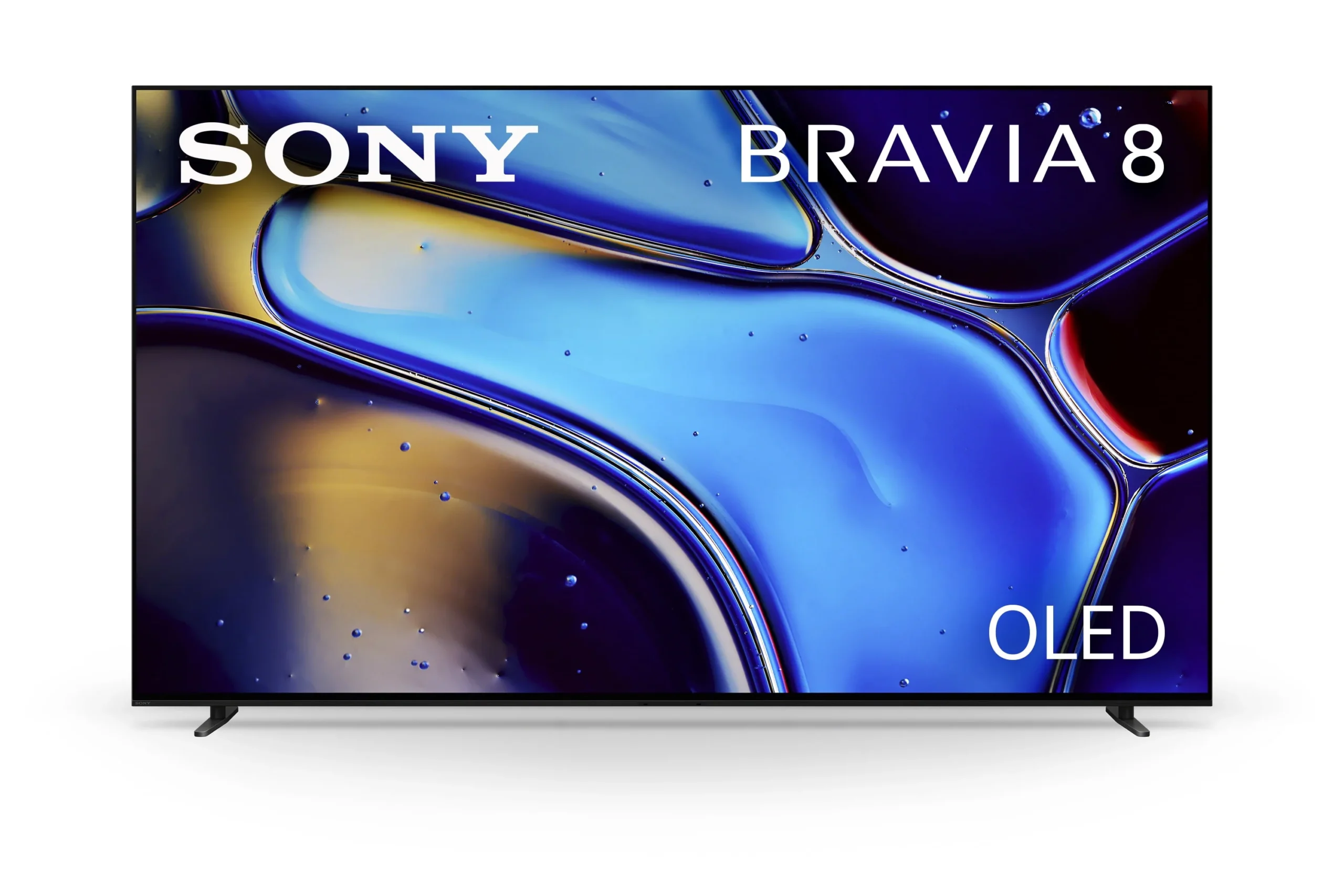
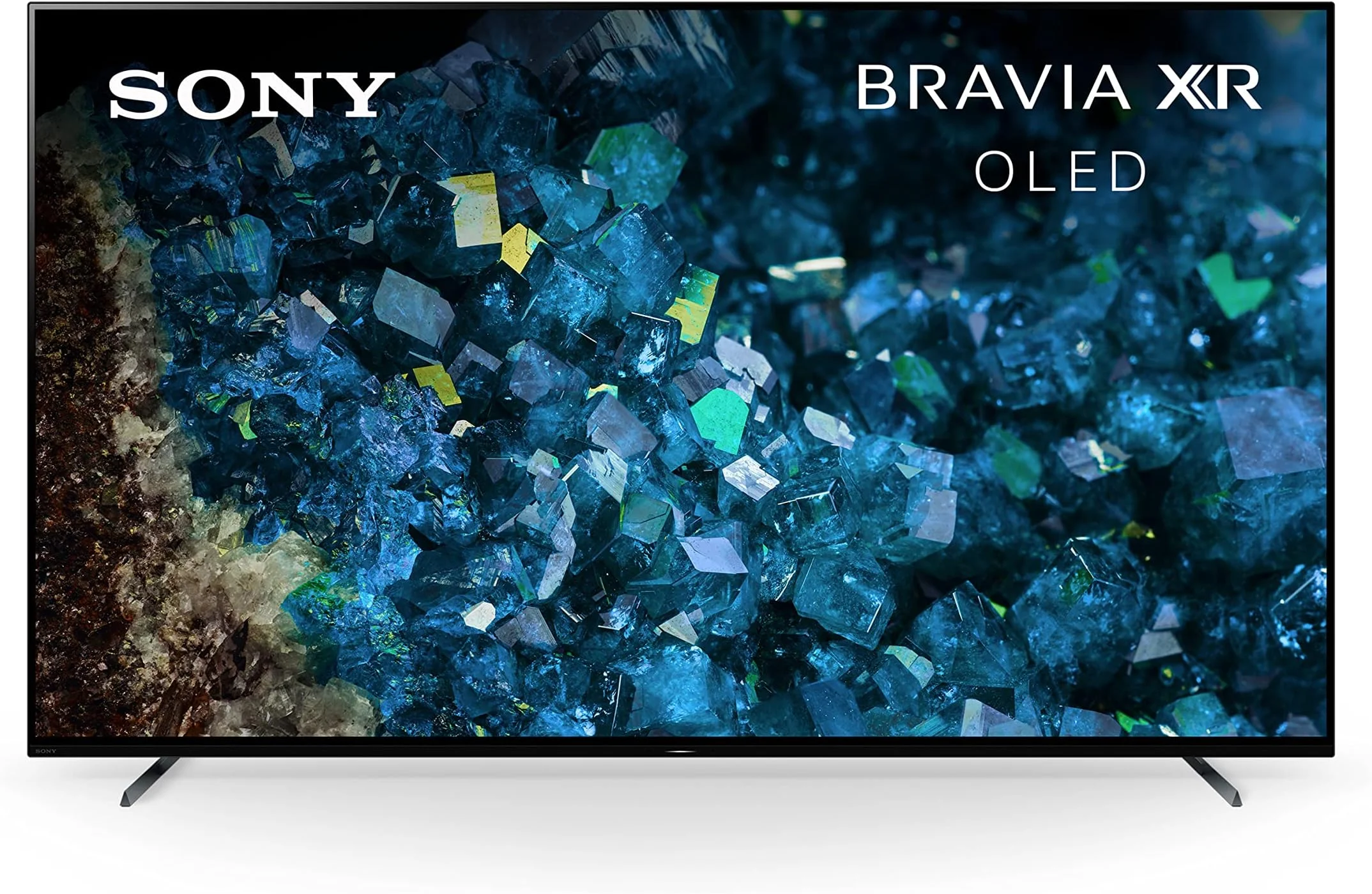
The Sony Bravia 8 OLED 4K TV emerges as a cinematic powerhouse in 2026, blending breathtaking color accuracy with pristine contrast. Driven by the formidable XR Processor, it promises an unparalleled home theater experience for cinephiles and gamers alike. Discover if this premium display truly justifies its flagship status in our comprehensive review.
Table of Contents
Key Specifications
| Feature | Detail |
|---|---|
| Display Technology | OLED (W-OLED panel) |
| Resolution | 4K UHD (3840 x 2160) |
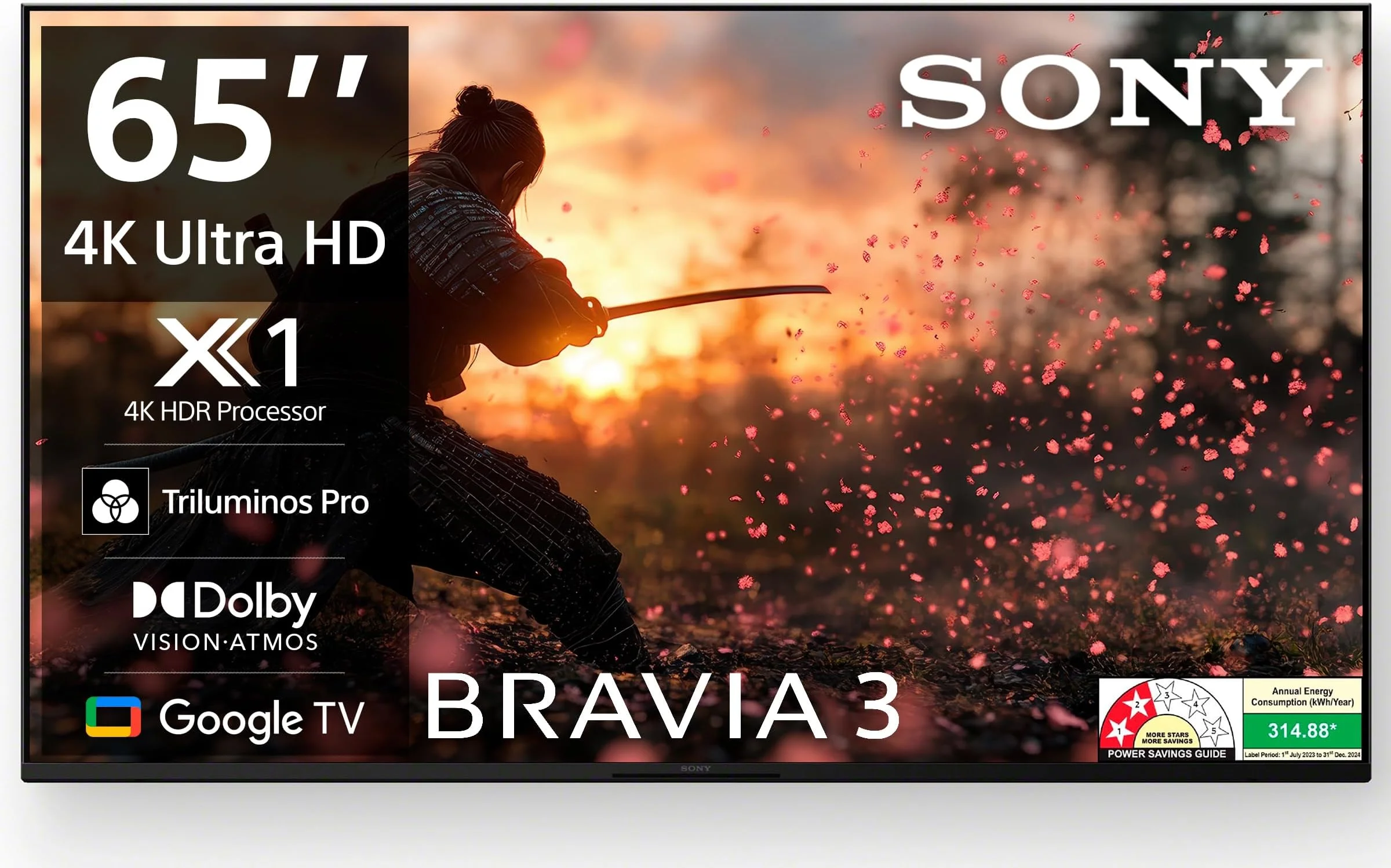
| Processor | Sony Cognitive Processor XR |
| Refresh Rate | 120Hz (Native) |
| HDR Support | Dolby Vision, HDR10, HLG |
| Audio | Acoustic Surface Audio+ (50W) |
| Smart Platform | Google TV |
| HDMI Ports | 4 total (2x HDMI 2.1, 2x HDMI 2.0) |
Design & Build Quality
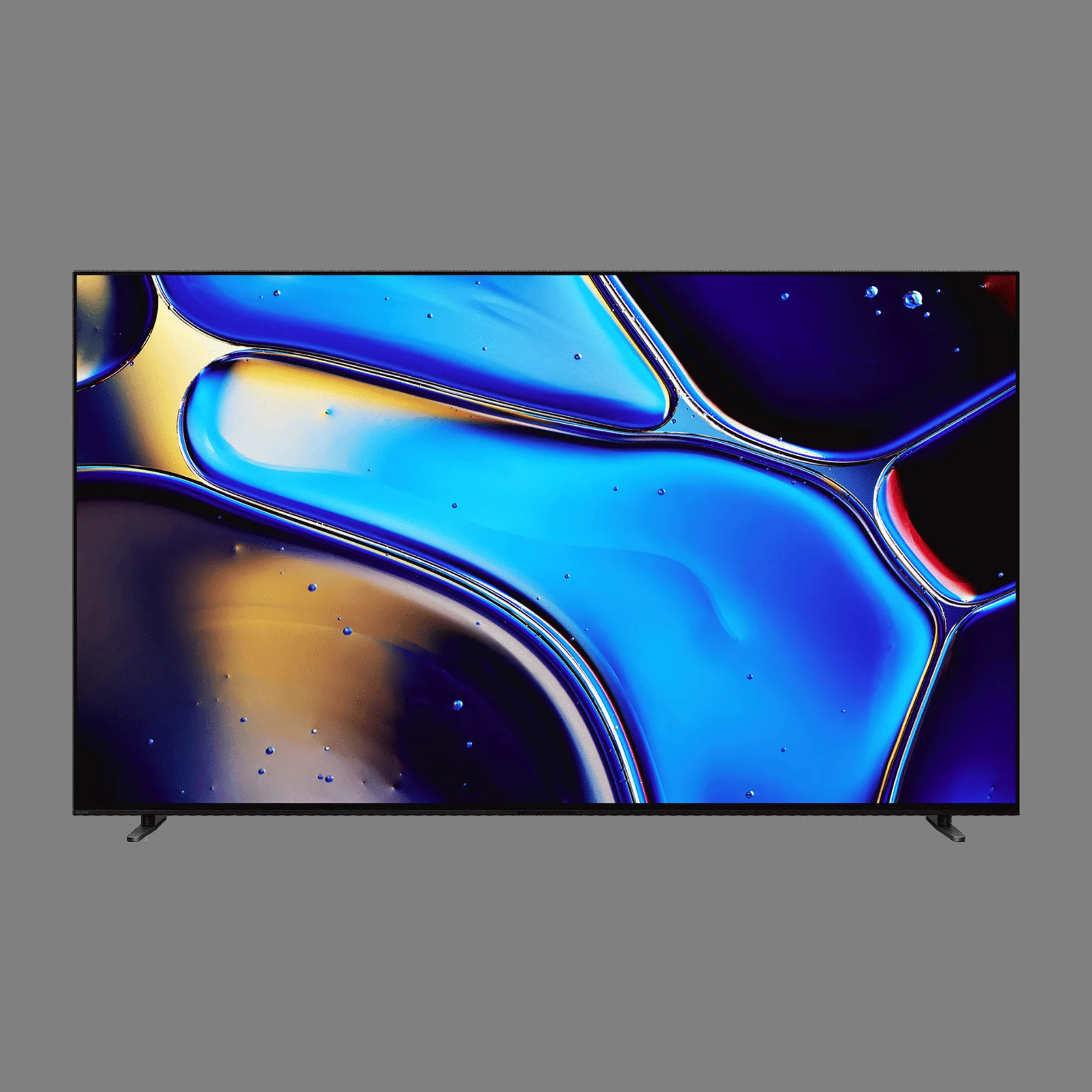
Sony has long been a champion of minimalist aesthetics, and the Bravia 8 continues this tradition with its sleek “One Slate” design. The screen is framed by virtually invisible bezels, allowing the picture to seamlessly blend into your living room. Constructed with premium, eco-friendly Sorplas recycled plastics and a sturdy metallic chassis, the TV feels remarkably robust despite its razor-thin profile.
Ergonomically, the Bravia 8 shines with its highly versatile 4-way multi-position stand. Users can adjust the feet to sit wide or narrow, accommodating different media consoles, or raise the display to perfectly clear a chunky soundbar without obstructing the screen. It is a thoughtful engineering choice that removes the headache of finding the perfect TV furniture.
The 2026 Eco Remote accompanies the TV, featuring a compact, backlit design that activates upon picking it up. It ditches the bloated numeric keypad for a streamlined layout focused on streaming shortcuts and voice control. USB-C charging finally comes standard on the remote, eliminating the need for disposable batteries and further cementing Sony’s commitment to sustainable tech.
Performance
When it comes to real-world performance, the Sony Bravia 8 is nothing short of spectacular. OLED technology naturally provides infinite contrast and perfect inky blacks, but it is Sony’s Cognitive Processor XR that elevates the image above its peers. By analyzing focus points exactly as the human eye does, the processor dynamically enhances depth and color via XR Triluminos Pro. In benchmark tests, the out-of-the-box color accuracy is reference-monitor grade, requiring almost zero calibration for a theater-accurate experience.
Motion handling and upscaling remain Sony’s strongest suits. Whether you are watching a 1080p Blu-ray or heavily compressed sports streams, the XR Clear Image processing cleans up artifacts and interpolates motion with zero “soap opera effect.” High dynamic range content pops brilliantly; while it doesn’t quite reach the blinding peak nits of some QD-OLED competitors, the localized contrast and shadow detail mapping in Dolby Vision make dark, moody scenes intensely immersive.
Gamers are also well catered to with 4K gaming at 120Hz, Variable Refresh Rate (VRR), and Auto Low Latency Mode (ALLM). Paired with a PlayStation 5, the Bravia 8 unlocks exclusive “Perfect for PS5” features, including Auto HDR Tone Mapping and Auto Genre Picture Mode. Input lag is exceptionally low, hovering around 8.5ms in Game Mode, ensuring twitch-reflex shooters and fast-paced racing games feel incredibly responsive.
Features & Software
Google TV remains the operating system of choice for the Bravia 8 in 2026, and it runs buttery smooth on the upgraded internal silicon. The OS offers a highly personalized home screen, aggregating content across all your subscriptions seamlessly. Google Assistant integration is lightning-fast, and the inclusion of Apple AirPlay 2 and built-in Chromecast makes casting from any device completely frictionless.
One of the standout proprietary features is Sony’s Acoustic Surface Audio+. Instead of relying on traditional down-firing speakers, the TV uses actuators behind the panel to vibrate the screen itself, turning the entire display into a speaker. Dialog emits precisely from where the actors are speaking on screen, creating an uncanny spatial audio effect. For those with Sony soundbars, the Acoustic Center Sync feature allows the TV to act as the center channel, creating a rich, unified soundstage.
Value Proposition
The Sony Bravia 8 commands a premium price tag, sitting comfortably in the upper echelon of the 2026 OLED market. For buyers strictly looking at a cost-per-spec sheet ratio, the initial investment might seem steep. However, the value here is hidden in the nuanced details: the reference-quality image processing, the superior built-in audio, and the premium build quality.
If you are a cinematic purist or a dedicated PS5 gamer who values accurate intent over hyper-saturated, artificially bright images, the Bravia 8 represents a sound, future-proof investment. It bridges the gap between commercial home entertainment and professional studio grading, making it well worth the premium for discerning enthusiasts.
How It Compares
When pitted against the LG C5 OLED, the Bravia 8 offers a slight edge in color volume upscaling and motion clarity, thanks to the XR Processor. Furthermore, Sony’s Acoustic Surface Audio+ dramatically outperforms LG’s standard internal speakers. However, the LG C5 boasts four full-bandwidth HDMI 2.1 ports, giving it an advantage for hardcore gamers with multiple high-end consoles and PCs.
Compared to the Samsung S95D QD-OLED, the Bravia 8 trades pure, blinding peak brightness for more refined shadow detail and better low-bitrate content handling. Samsung’s panel will cut through a sun-drenched living room better, but in a light-controlled environment, Sony’s Dolby Vision support and natural color palette offer a more authentic movie-watching experience.
Pros and Cons
Pros
- Exceptional color accuracy and class-leading XR Processor upscaling.
- Immersive Acoustic Surface Audio+ creates highly localized, clear sound.
- Versatile four-way adjustable stand accommodates almost any setup.
- Exclusive “Perfect for PS5” integration ensures an optimized gaming experience.
- Premium, eco-friendly backlit remote with convenient USB-C charging.
Cons
- Only two of the four HDMI ports support full HDMI 2.1 bandwidth for 4K/120Hz.
- Commands a premium price tag compared to mid-tier OLED rivals.
- Noticeably lacks support for the HDR10+ dynamic metadata format.
- Peak brightness falls slightly behind newer QD-OLED panels.
FAQ
Q: Does the Sony Bravia 8 suffer from OLED burn-in?
A: Like all OLED TVs, there is a minor risk of image retention, but Sony includes robust panel-refreshing technologies, automatic logo dimming, and pixel-shifting features to actively prevent burn-in under normal usage.
Q: Are all the HDMI ports HDMI 2.1 compatible?
A: No, only two of the four HDMI ports are HDMI 2.1 (supporting 4K at 120Hz). Additionally, one of those two ports doubles as the eARC connection, which may complicate setups with a soundbar and multiple next-gen consoles.
Q: What operating system does the TV use?
A: The Bravia 8 utilizes Google TV, offering a highly responsive, app-rich smart TV experience tailored for 2026, complete with hands-free Google Assistant voice controls.
Q: Can I use my own soundbar instead of the TV speakers?
A: Absolutely. While the built-in Acoustic Surface Audio+ is excellent, the TV supports eARC for lossless audio passthrough to external soundbars or AV receivers.
Verdict
The Sony Bravia 8 OLED 4K TV is a cinephile’s dream, offering unrivaled image processing, striking contrast, and an elegant, adaptable design. It is best suited for movie enthusiasts and PS5 gamers who prioritize picture accuracy and premium built-in audio over sheer spec-sheet dominance.
Where to Buy
Pros
- ✓ Exceptional color accuracy and class-leading XR Processor upscaling.
- ✓ Immersive Acoustic Surface Audio+ creates highly localized, clear sound.
- ✓ Versatile four-way adjustable stand accommodates almost any setup.
- ✓ Exclusive “Perfect for PS5” integration ensures an optimized gaming experience.
- ✓ Premium, eco-friendly backlit remote with convenient USB-C charging.
Cons
- ✗ Only two of the four HDMI ports support full HDMI 2.1 bandwidth for 4K/120Hz.
- ✗ Commands a premium price tag compared to mid-tier OLED rivals.
- ✗ Noticeably lacks support for the HDR10+ dynamic metadata format.
- ✗ Peak brightness falls slightly behind newer QD-OLED panels.
Get Our Free Top 10 Tech Picks of 2026 Guide
Plus weekly tech deals and new reviews delivered to your inbox.
[cp_email_signup]
No spam. Unsubscribe anytime.
Ready to buy the Sony Bravia 8 OLED 4K TV?
Affiliate link — we may earn a commission at no extra cost to you.