


The Google Pixel 10 refines Google’s smartphone formula with a cleaner design, smarter AI features, and the kind of camera consistency that keeps the Pixel line at the top of Android photography. It may not chase every spec-sheet headline, but in daily use it delivers a polished, intelligent flagship experience that feels distinctly Google. For buyers who value software, imaging, and long-term usability, the Pixel 10 makes a strong case in 2026.
Table of Contents
Key Specifications
| Feature | Detail |
|---|---|
| Display | 6.3-inch OLED, 120Hz refresh rate, high brightness, HDR support |
| Processor | Google Tensor G5 |
| RAM | 12GB |
| Storage | 128GB / 256GB / 512GB |
| Rear Cameras | 50MP main, 48MP ultrawide, telephoto varies by model/region |
| Front Camera | 10.5MP selfie camera |
| Battery | Approx. 4,800mAh with fast wired and wireless charging |
| Operating System | Android 16 with Pixel-exclusive features |
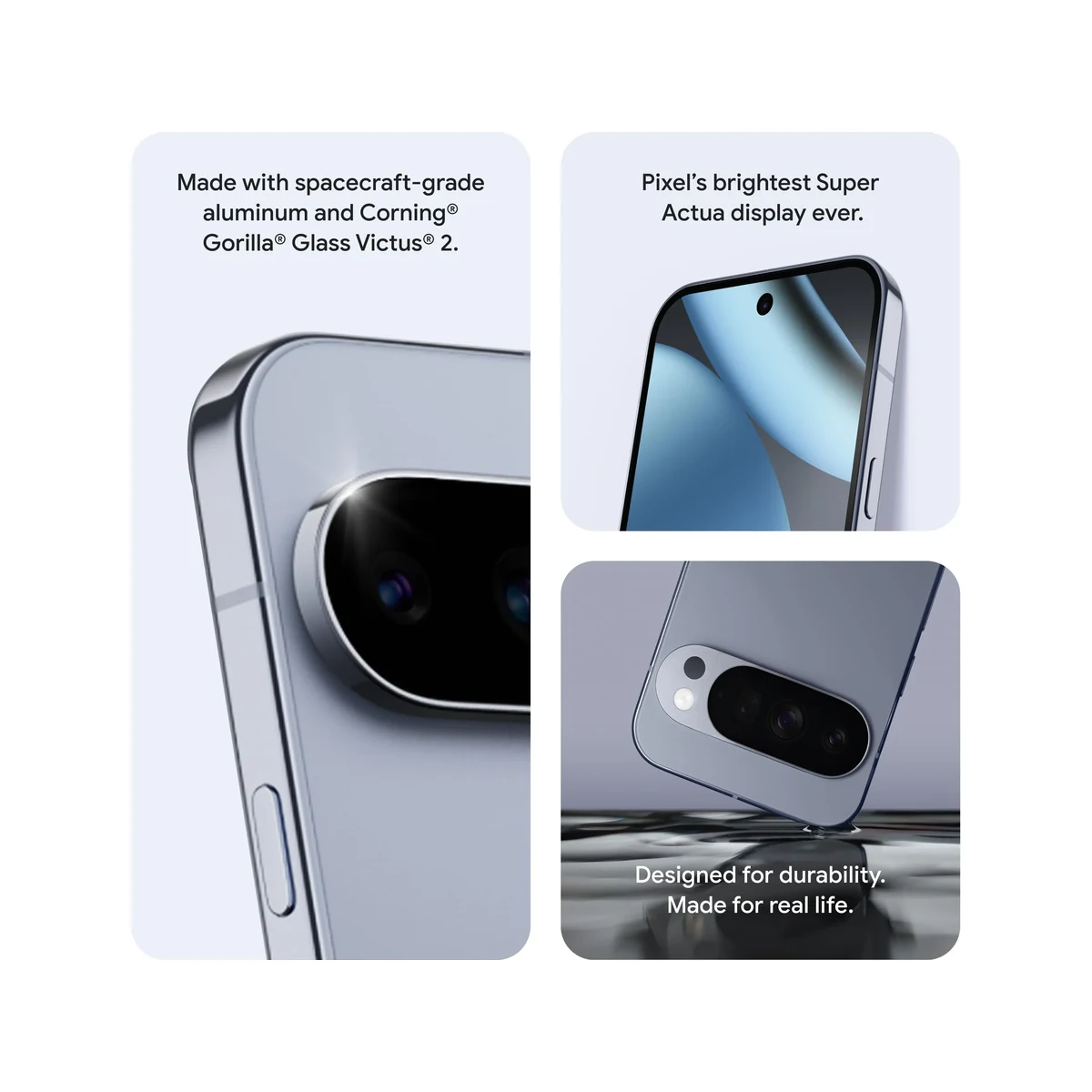
| Build | Aluminum frame, Gorilla Glass front/back, IP68 water and dust resistance |
| Connectivity | 5G, Wi‑Fi 7, Bluetooth 5.4, NFC, USB-C |
Design & Build Quality
The Google Pixel 10 continues the brand’s recognizable design language, but it feels more mature and cohesive than earlier generations. Google has refined the camera bar aesthetic into something sleeker and less visually divisive, while the flatter edges and tighter tolerances give the phone a more premium, modern look. It still stands out in a sea of generic glass slabs, which is increasingly rare in the flagship market.
In hand, the Pixel 10 strikes a strong balance between comfort and solidity. The aluminum frame feels rigid without being overly sharp, and the slightly curved transitions between frame and glass make long sessions of one-handed use more manageable. Weight distribution is also well judged, so the phone does not feel top-heavy despite its advanced camera hardware. The matte finish options do a good job of resisting fingerprints, adding to the everyday sense of quality.
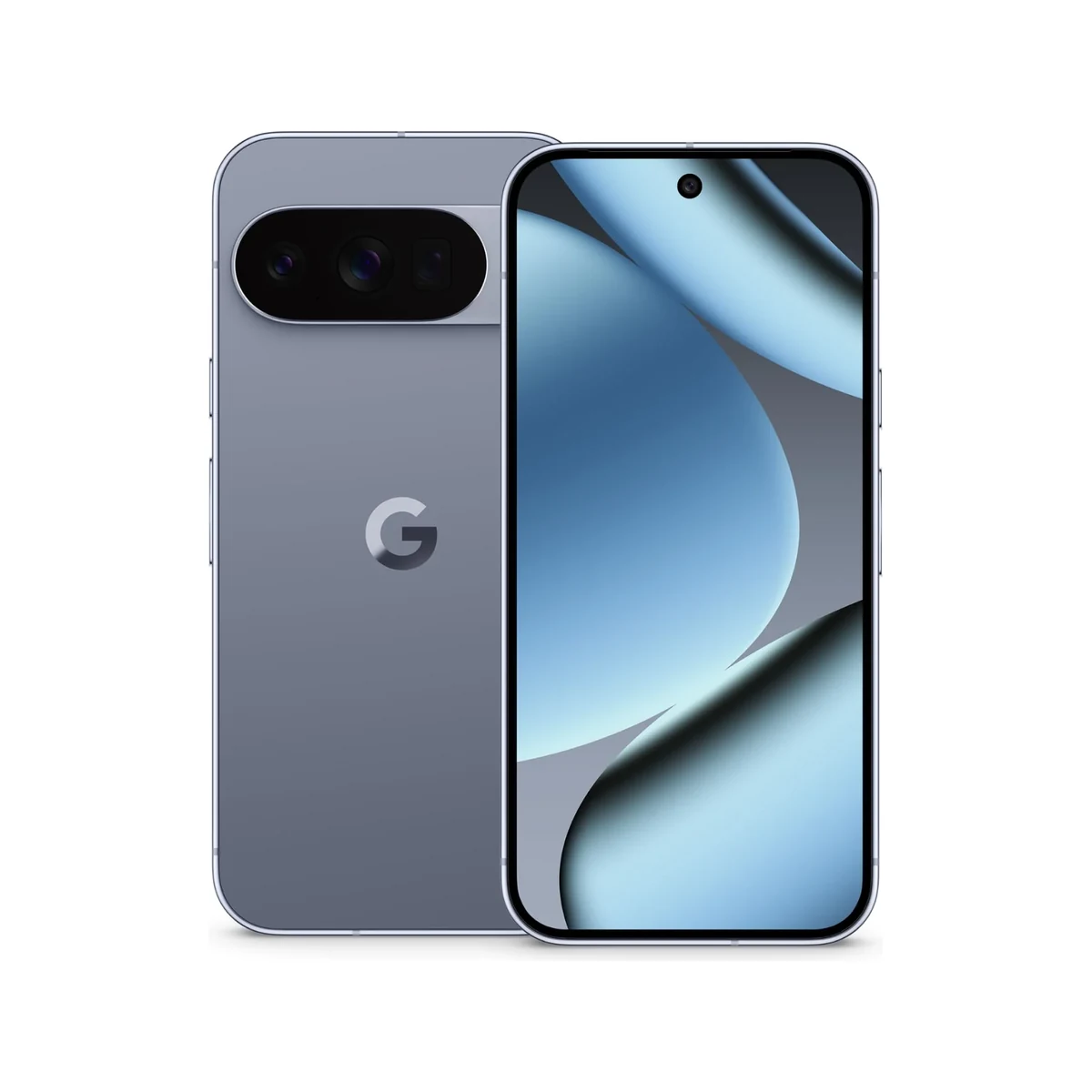
Durability is in line with what buyers expect from a premium 2026 handset. IP68 protection, sturdy glass, and a generally robust chassis make the Pixel 10 feel dependable, though it remains a device best paired with a case if you want to preserve that clean finish. Overall, this is one of the most polished Pixel designs yet, combining visual identity with practical ergonomics.
Performance
Powered by Google’s Tensor G5, the Pixel 10 delivers fast, fluid performance in the ways that matter most to everyday users. App launches are snappy, multitasking is smooth, and navigation through Android 16 feels highly responsive. Google continues to prioritize real-world intelligence and on-device AI processing over chasing the absolute highest synthetic benchmark numbers, and that philosophy is easy to see here. The phone feels optimized rather than overbuilt.
In benchmarking terms, the Pixel 10 is competitive within the flagship class, though it may still trail the very fastest Snapdragon and Apple silicon devices in raw GPU output. That matters most for users who spend hours in graphically demanding games or who want maximum sustained performance under heavy thermal load. For general productivity, photography, video capture, and AI-assisted tasks, however, the Pixel 10 performs with confidence and consistency.
Thermal management appears improved over older Tensor-powered phones. The Pixel 10 runs warm under prolonged camera use, gaming, or 5G-heavy workloads, but it avoids the more noticeable heat spikes that affected some previous Pixel models. Combined with 12GB of RAM and Google’s increasingly polished software optimization, the result is a flagship that feels quick and stable in daily use, even if it is not the outright benchmark champion.
Features & Software
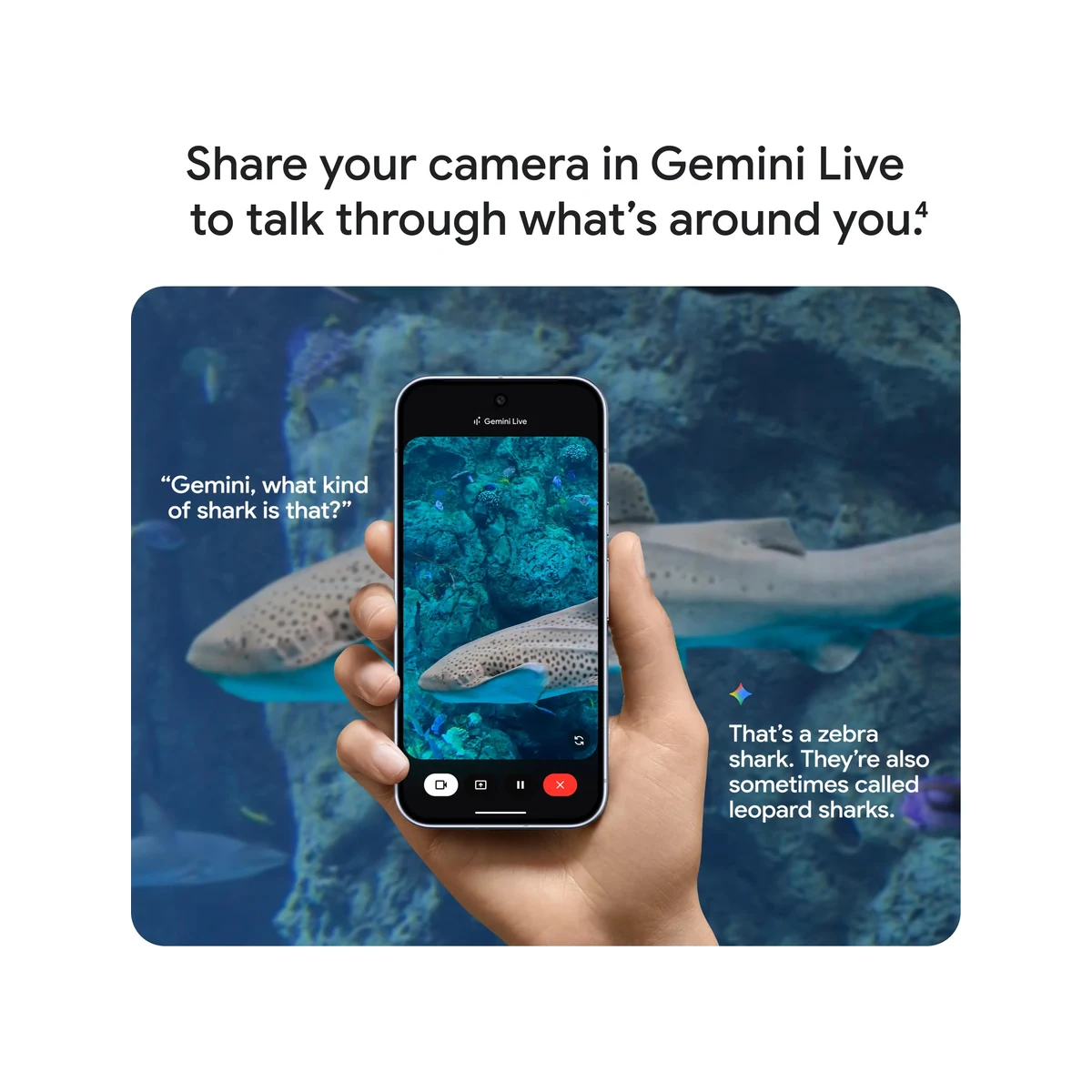
Software remains one of the Pixel 10’s biggest strengths. Android 16 on a Pixel is still the cleanest expression of Google’s mobile ecosystem, and the experience is packed with genuinely useful AI features rather than gimmicks. Call screening, voice transcription, smarter photo editing, contextual suggestions, and increasingly capable on-device assistant tools all contribute to a phone that feels proactive without becoming intrusive.
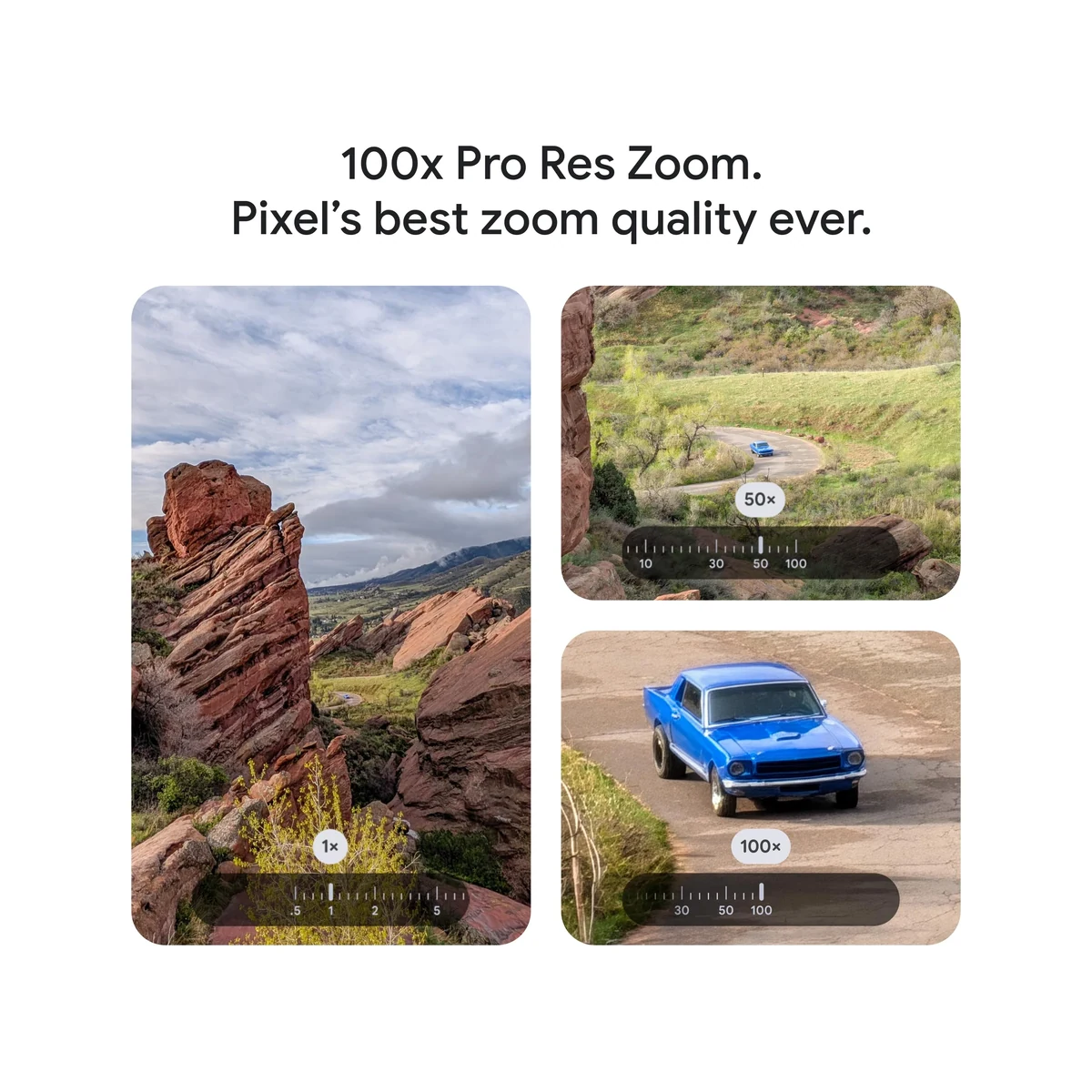
The camera software is especially impressive. Google’s computational photography continues to deliver excellent dynamic range, skin tones, and low-light consistency, often producing more reliable results than rivals with more aggressive hardware. Features like Magic Editor, Best Take, improved video enhancement, and AI-assisted search across screenshots and local content help the Pixel 10 feel like a smarter tool, not just another premium handset. Long-term software support also boosts its appeal, making it a practical buy for users who keep phones for several years.
Value Proposition
The Google Pixel 10 offers strong value for buyers who care more about experience than headline specs. It may not win every hardware contest on paper, but the combination of premium build quality, excellent cameras, clean Android software, and useful AI integration gives it a compelling edge. For many users, that translates into a better day-to-day phone than rivals that benchmark higher but feel less cohesive.
Against similarly priced flagships, the Pixel 10 stands out by delivering Google’s first-party Android vision with fewer compromises than before. If your priorities include photography, smart software features, and timely updates, it justifies its asking price well. Buyers focused purely on gaming power or ultra-fast charging may find better alternatives, but for a broad audience the Pixel 10 is one of the most balanced flagship phones available in 2026.
How It Compares
Compared with the Samsung Galaxy S26, the Pixel 10 offers a cleaner and more streamlined Android experience with less duplicate software and stronger computational photography in many everyday scenarios. Samsung still has the edge in display tuning, customization depth, and often raw performance, but Google’s software intelligence and camera consistency make the Pixel 10 more appealing for users who want simplicity and smarter automation.
Against the Apple iPhone 17, the Pixel 10 competes well on camera versatility, AI-powered editing tools, and Google service integration. The iPhone 17 generally delivers stronger video performance, tighter ecosystem integration for Apple users, and class-leading chip efficiency, but the Pixel 10 offers more flexibility, a more open software environment, and a distinct advantage for users deeply invested in Google’s apps and services.
Pros and Cons
Pros
- The camera system delivers consistently excellent photos with industry-leading computational photography.
- Android 16 feels clean, fast, and thoughtfully enhanced with useful Pixel-exclusive AI features.
- The design is more refined than previous generations while still retaining a unique Pixel identity.
- Day-to-day performance is smooth and dependable for productivity, media, and photography.
- Long software support improves long-term value and makes the phone easier to recommend.
Cons
- Raw gaming and GPU performance still lag behind some Snapdragon and Apple-powered rivals.
- Charging speeds are good rather than class-leading for a premium 2026 smartphone.
- The phone can still get warm during extended camera use or demanding workloads.
- Some advanced camera hardware features may vary by model or regional configuration.
- Base storage may feel limited for heavy video shooters if starting at 128GB.
FAQ
Q: Is the Google Pixel 10 good for photography?
A: Yes. The Pixel 10 is one of the best camera phones in its class, especially for point-and-shoot reliability, portrait shots, and low-light photography.
Q: Does the Pixel 10 have good battery life?
A: Battery life is solid for a full day of typical use, with efficiency improvements over earlier Pixel models, though some rivals still last longer under heavy gaming or video workloads.
Q: Is the Tensor G5 powerful enough for gaming?
A: It is powerful enough for most games and everyday flagship tasks, but it is not the top choice for users who want the absolute highest frame rates in demanding 3D titles.
Q: How many years of updates does the Pixel 10 get?
A: Google positions the Pixel line as a long-term software investment, and the Pixel 10 is designed to receive extended OS and security support compared with many Android competitors.
Q: Should I buy the Pixel 10 or the Galaxy S26?
A: Choose the Pixel 10 if you want a cleaner Android experience, smarter Google AI features, and excellent computational photography. Choose the Galaxy S26 if you prioritize customization, display tuning, and stronger raw performance.
Verdict
The Google Pixel 10 is best for users who want a premium Android flagship with outstanding cameras, smart software, and a polished Google-first experience. It is not the most aggressive phone on raw specs, but it is one of the most well-rounded and enjoyable smartphones to use in 2026. Buyers who value photography, AI features, and long-term software support should have it high on their shortlist.
Pros
- ✓ The camera system delivers consistently excellent photos with industry-leading computational photography.
- ✓ Android 16 feels clean, fast, and thoughtfully enhanced with useful Pixel-exclusive AI features.
- ✓ The design is more refined than previous generations while still retaining a unique Pixel identity.
- ✓ Day-to-day performance is smooth and dependable for productivity, media, and photography.
- ✓ Long software support improves long-term value and makes the phone easier to recommend.
Cons
- ✗ Raw gaming and GPU performance still lag behind some Snapdragon and Apple-powered rivals.
- ✗ Charging speeds are good rather than class-leading for a premium 2026 smartphone.
- ✗ The phone can still get warm during extended camera use or demanding workloads.
- ✗ Some advanced camera hardware features may vary by model or regional configuration.
- ✗ Base storage may feel limited for heavy video shooters if starting at 128GB.
Where to Buy the Google Pixel 10





Prices may vary. Affiliate links — we may earn a commission at no extra cost to you.
Related Reviews

Affiliate links — we may earn a commission at no extra cost to you.