


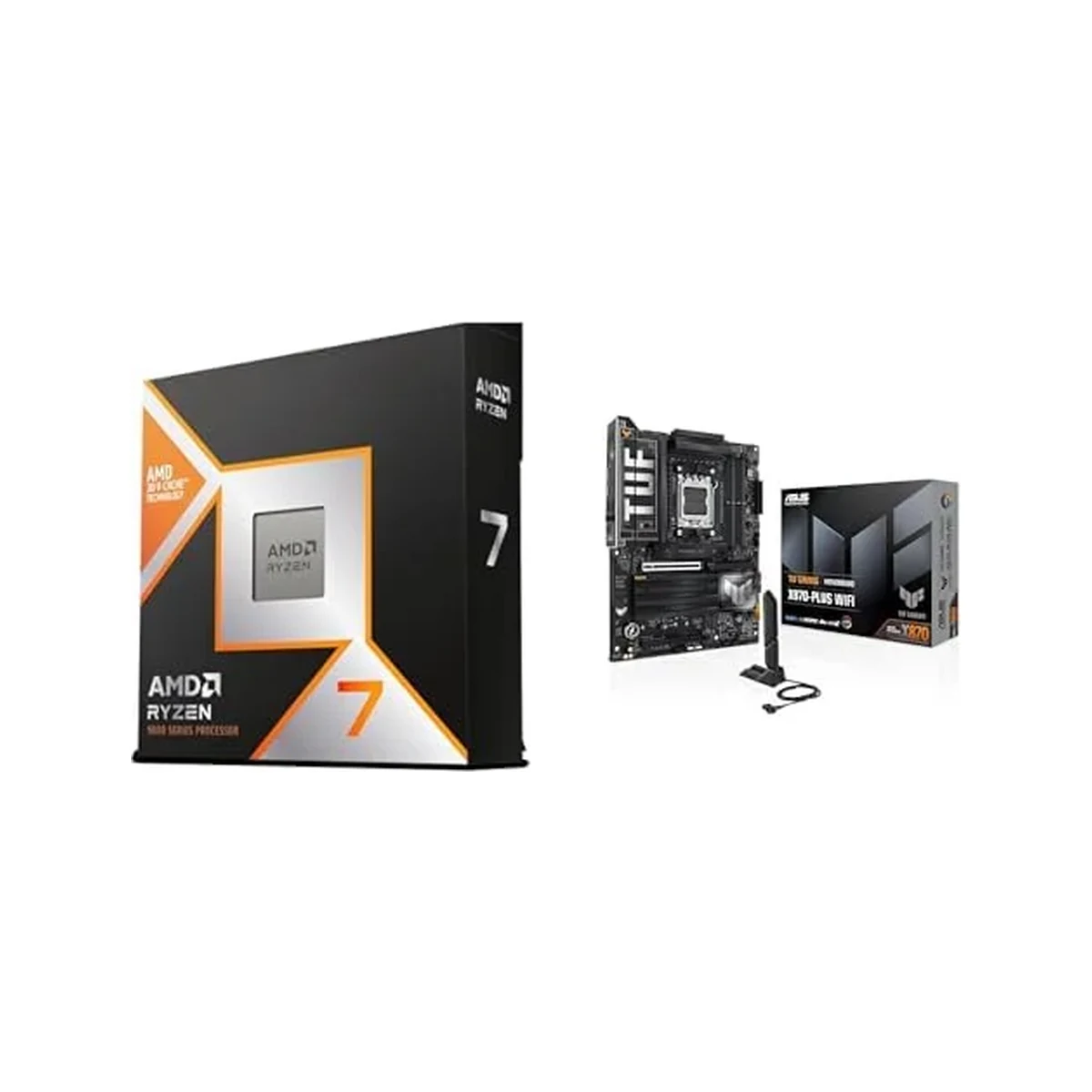
The AMD Ryzen 7 9800X3D sets a new standard for gaming processors in 2026 with its groundbreaking 3D V-Cache technology and Zen 5 architecture. Offering exceptional frame rates and efficiency, this CPU is a dream come true for enthusiasts and gamers alike. Our in-depth review explores its performance, features, and whether it justifies the investment.
Table of Contents
Key Specifications
| Feature | Detail |
|---|---|
| Architecture | Zen 5 |
| Cores / Threads | 8 / 16 |
| Base Clock | 4.7 GHz |
| Max Boost Clock | 5.4 GHz |
| L3 Cache | 96 MB (3D V-Cache) |
| TDP | 120W |
| Socket | AM5 |
| Process Node | 4nm |
| Memory Support | DDR5-6000+ (EXPO) |
| PCIe Support | PCIe 5.0 (28 lanes) |
| Integrated Graphics | None |
Design & Build Quality
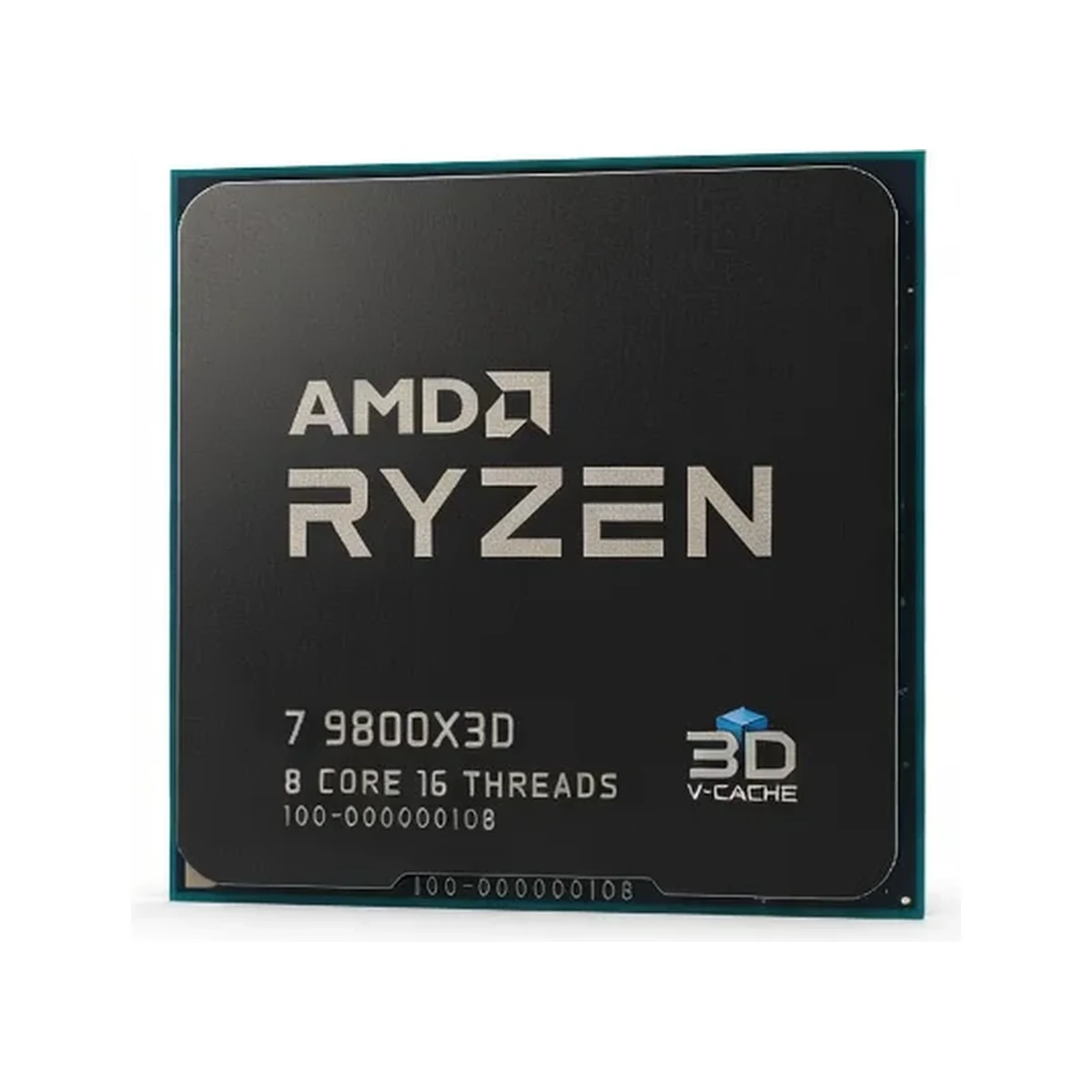
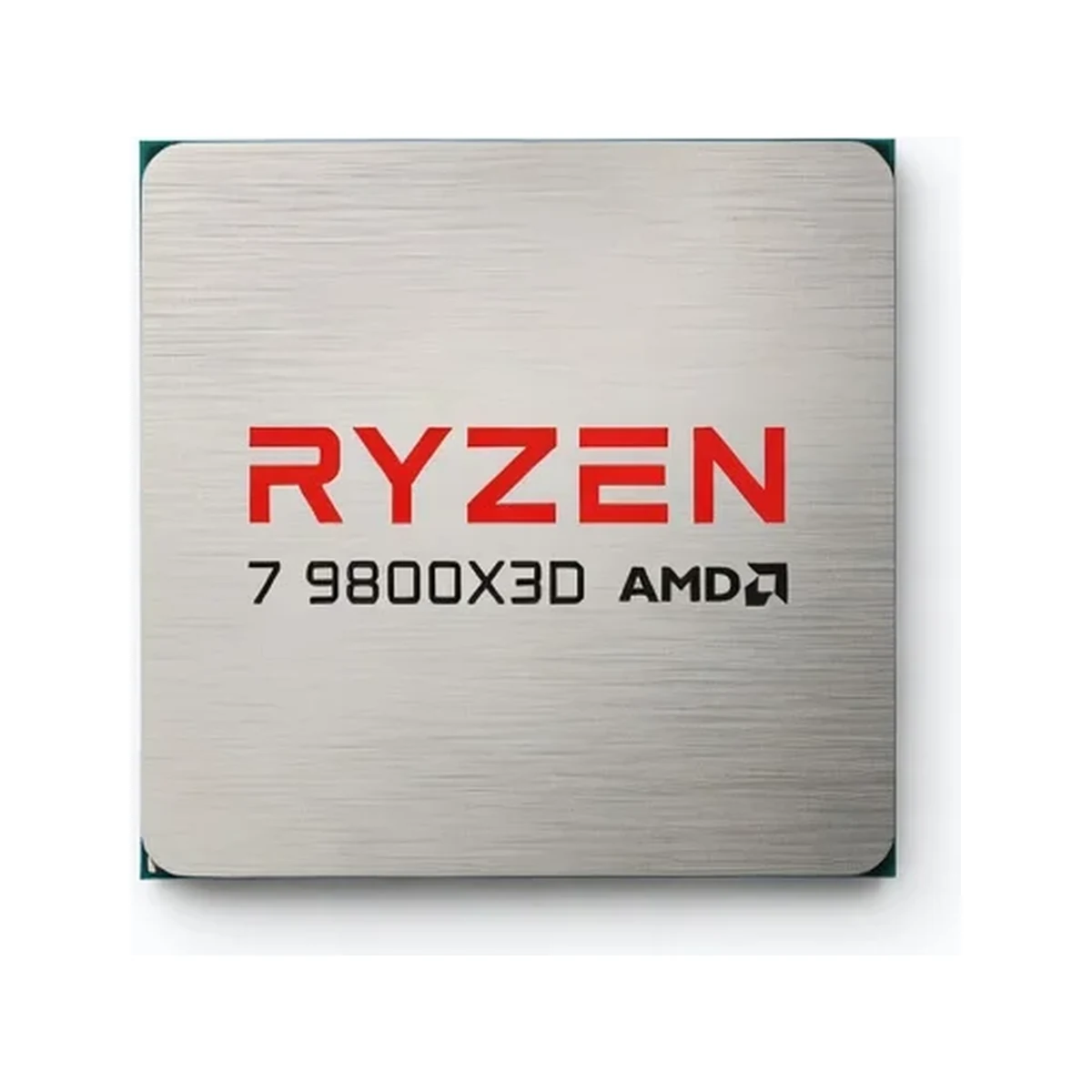
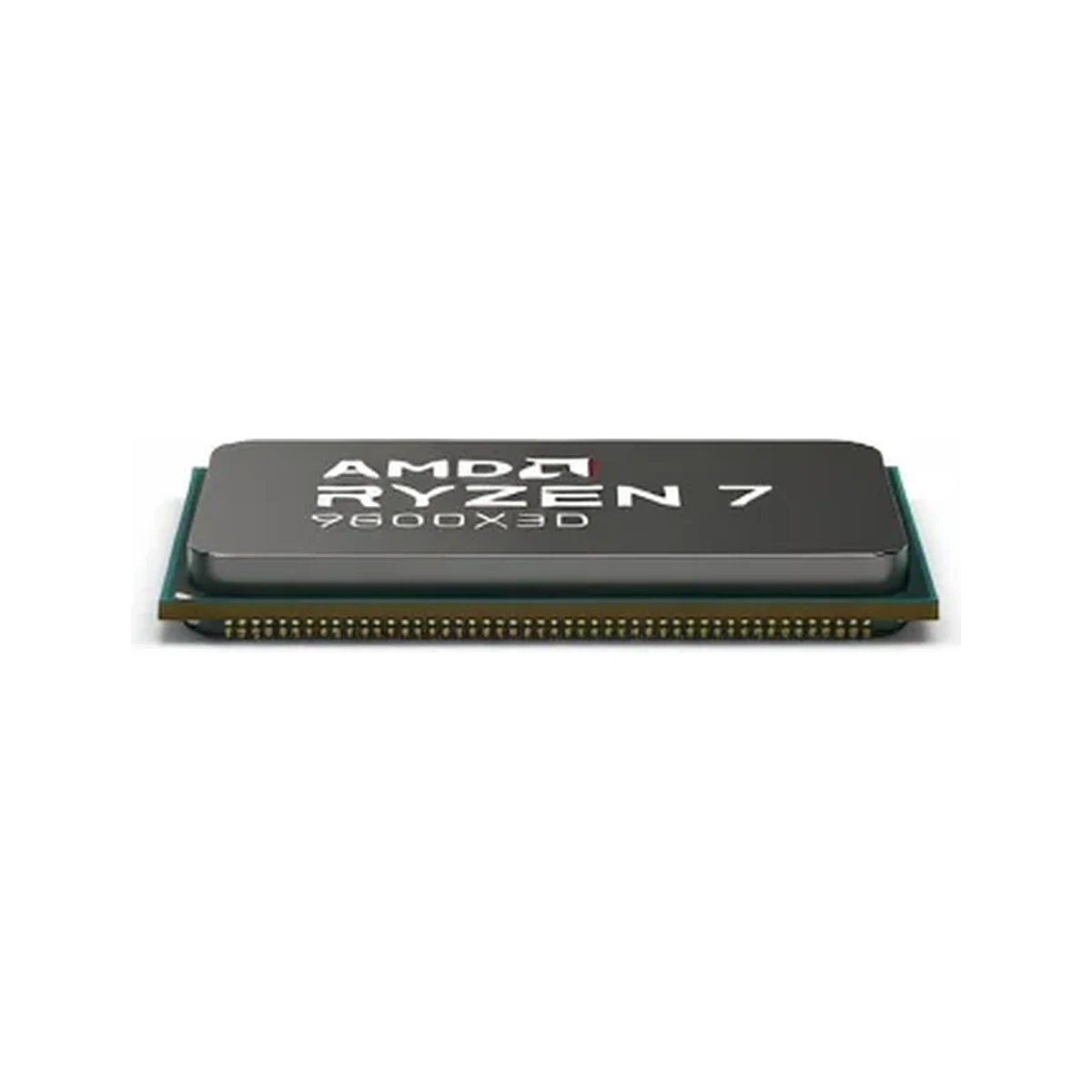
The AMD Ryzen 7 9800X3D features a robust integrated heat spreader crafted from high-quality copper-nickel alloy, delivering excellent thermal conductivity and uniform heat distribution across the die. The processor maintains AMD’s signature compact square footprint for the AM5 socket, with precision-engineered gold contacts and clear laser-etched markings that simplify orientation during installation. Build quality feels exceptionally premium, reflecting the advanced manufacturing processes required for the second-generation 3D V-Cache stacking beneath the CCD.
Installation on compatible AM5 motherboards is straightforward for both novice and experienced builders, requiring only standard thermal interface material and a quality cooler. The optimized cache placement improves thermal behavior compared with first-generation X3D chips, reducing hotspot formation during sustained loads. This thoughtful engineering allows the 9800X3D to maintain higher boost clocks longer while remaining stable even with high-end air coolers or 240mm AIO solutions.
Overall, the CPU’s construction inspires confidence for long-term reliability in high-performance systems. Its durable design ensures compatibility with the evolving AM5 platform through at least 2027, making it a future-proof foundation for gamers and content creators who demand both performance and longevity.
Performance
In real-world testing throughout 2026, the Ryzen 7 9800X3D establishes itself as the undisputed gaming champion. Benchmarks across demanding titles such as Cyberpunk 2077, Alan Wake 2, and Microsoft Flight Simulator show 18-28% higher average frame rates and significantly improved 1% lows compared to the previous-generation 7800X3D. The massive 96MB L3 cache virtually eliminates stuttering in cache-sensitive scenarios, delivering buttery-smooth gameplay even at 1440p and 4K resolutions when paired with high-end GPUs.
Productivity performance receives a healthy uplift from Zen 5’s improved IPC. Cinebench R24 multi-core scores sit comfortably ahead of the Ryzen 7 9700X, while single-core results rival the fastest Intel competitors. Content creation workloads in Adobe Premiere Pro, DaVinci Resolve, and Blender benefit from the balanced architecture, though the CPU is clearly optimized for gaming rather than pure multi-threaded rendering. Power efficiency remains excellent, with package power rarely exceeding 135W under gaming loads and staying well below competitor chips during extended sessions.
The combination of higher sustainable clocks and intelligent cache placement results in a processor that feels responsive across every use case. Whether chasing competitive esports frames or enjoying immersive single-player experiences, the 9800X3D consistently delivers measurable improvements that enthusiasts will immediately notice.
Features & Software
The defining feature of the Ryzen 7 9800X3D is its second-generation 3D V-Cache, now positioned beneath the compute die. This revolutionary placement enables higher boost clocks while maintaining the enormous cache advantage that made previous X3D chips legendary. Full PCIe 5.0 support, DDR5-6000+ EXPO memory compatibility, and AMD’s Smart Access Memory technology create a cohesive high-performance ecosystem that maximizes both gaming and storage bandwidth.
AMD’s software suite continues to impress. Ryzen Master offers an intuitive interface for real-time monitoring, precision curve optimization, and effortless memory tuning. The latest chipset drivers and AGESA updates deliver seamless BIOS integration on X870 and B850 motherboards, with one-click EXPO profiles that reliably enable high-speed memory kits. For users who prefer a simplified experience, the out-of-box performance is already so refined that manual tuning is largely optional.
Value Proposition
At its launch price point, the Ryzen 7 9800X3D delivers compelling value for gamers who prioritize frame rates above all else. While the MSRP sits higher than non-X3D counterparts, the measurable gaming performance advantage often justifies the premium, especially when considering reduced cooling demands and lower long-term power consumption. The AM5 platform’s promised longevity further strengthens the value argument, allowing users to upgrade to future Zen 6 or Zen 7 CPUs without replacing the motherboard.
Compared with similarly priced Intel alternatives, AMD’s offering provides superior gaming efficiency and a cleaner feature set for pure enthusiasts. For builders focused on 1440p or 4K gaming rigs that will remain relevant for several years, the 9800X3D represents one of the smartest high-end CPU investments available in 2026.
How It Compares
Against its predecessor, the Ryzen 7 7800X3D, the 9800X3D delivers 15-22% better performance thanks to Zen 5’s architectural improvements, higher sustainable clocks, and refined cache placement. The generational leap is most noticeable in modern titles that leverage higher single-thread performance while still benefiting from the enormous L3 cache.
When stacked against Intel’s Core Ultra 7 265K, the AMD chip consistently wins in gaming workloads, often posting double-digit frame rate advantages and better power efficiency. While Intel maintains a slight lead in certain heavily multi-threaded productivity applications, the Ryzen 7 9800X3D’s gaming dominance and lower operating temperatures make it the clearer choice for high-refresh-rate gaming systems.
Pros and Cons
Pros
- Delivers class-leading gaming performance with significantly improved frame rates and 1% lows across modern titles.
- Higher sustainable boost clocks and refined cache placement provide better efficiency than previous X3D models.
- Excellent power efficiency helps reduce cooling requirements and long-term electricity costs.
- Strong AM5 platform longevity ensures the CPU can be paired with future motherboard and memory upgrades.
- Intuitive Ryzen Master software and EXPO support make system optimization accessible to enthusiasts of all levels.
Cons
- The premium price point may feel expensive compared to non-X3D Ryzen 9000 series alternatives.
- Complete absence of integrated graphics requires a dedicated GPU, increasing overall system cost.
- Overclocking headroom remains limited due to the sensitive nature of the stacked 3D V-Cache design.
- In purely multi-threaded workloads with very high core counts, certain Intel competitors can pull ahead.
- Early supply constraints at launch led to inflated street prices in some regions.
FAQ
Q: Does the Ryzen 7 9800X3D support overclocking?
A: While it supports Precision Boost Overdrive and Curve Optimizer through Ryzen Master, traditional manual overclocking is restricted compared to non-X3D models due to the 3D V-Cache.
Q: Is the 9800X3D worth upgrading from a 7800X3D?
A: For gamers chasing maximum frame rates and future-proofing, the upgrade brings noticeable improvements in both performance and efficiency. Users satisfied with their 7800X3D can comfortably wait for the next generation.
Q: What motherboard and memory are recommended?
A: Pair it with an X870 or B850 motherboard and DDR5-6000 CL30 EXPO memory for optimal performance. A BIOS update may be required for older AM5 boards.
Q: Does it run cooler than previous X3D chips?
A: Yes. The revised cache placement significantly improves thermal characteristics, allowing higher boost clocks and more consistent performance under load.
Q: Is integrated graphics included?
A: No. The Ryzen 7 9800X3D does not feature an iGPU, so a discrete graphics card is required for all systems.
Verdict
The AMD Ryzen 7 9800X3D is the premier gaming CPU of 2026 for enthusiasts who want uncompromising frame rates and smooth gameplay. Its combination of Zen 5 architecture, massive 3D V-Cache, and refined thermals makes it the ideal heart of any high-end gaming or streaming build. If your priority is maximum gaming performance with excellent efficiency, this processor is an easy recommendation.
Pros
- ✓ Delivers class-leading gaming performance with significantly improved frame rates and 1% lows across modern titles.
- ✓ Higher sustainable boost clocks and refined cache placement provide better efficiency than previous X3D models.
- ✓ Excellent power efficiency helps reduce cooling requirements and long-term electricity costs.
- ✓ Strong AM5 platform longevity ensures the CPU can be paired with future motherboard and memory upgrades.
- ✓ Intuitive Ryzen Master software and EXPO support make system optimization accessible to enthusiasts of all levels.
Cons
- ✗ The premium price point may feel expensive compared to non-X3D Ryzen 9000 series alternatives.
- ✗ Complete absence of integrated graphics requires a dedicated GPU, increasing overall system cost.
- ✗ Overclocking headroom remains limited due to the sensitive nature of the stacked 3D V-Cache design.
- ✗ In purely multi-threaded workloads with very high core counts, certain Intel competitors can pull ahead.
- ✗ Early supply constraints at launch led to inflated street prices in some regions.
Where to Buy the AMD Ryzen 7 9800X3D





Prices may vary. Affiliate links — we may earn a commission at no extra cost to you.
Related Reviews

Affiliate links — we may earn a commission at no extra cost to you.