


The Nintendo Switch OLED model transforms portable gaming with its breathtaking 7-inch OLED screen that delivers deep blacks and vibrant colors. Even in 2026, this hybrid console stands out for its versatility, allowing seamless transitions between handheld, tabletop, and docked modes. Tech-savvy gamers will appreciate the refined ergonomics and access to Nintendo’s vast library of exclusive titles.
Table of Contents
Key Specifications
| Feature | Detail |
|---|---|
| Display | 7-inch OLED, 1280 × 720 resolution |
| Processor | NVIDIA Tegra X1 |
| Memory | 4 GB LPDDR4 |
| Storage | 64 GB internal (expandable via microSDXC up to 2 TB) |
| Battery Life | 4.5–9 hours depending on game and brightness |
| Weight | 420 g |
| Dimensions | 242 × 102 × 13.9 mm (handheld mode) |
| Connectivity | Wi-Fi 5, Bluetooth 4.1, USB-C, HDMI (docked) |
| Colors | White, Neon Red & Blue |
Design & Build Quality
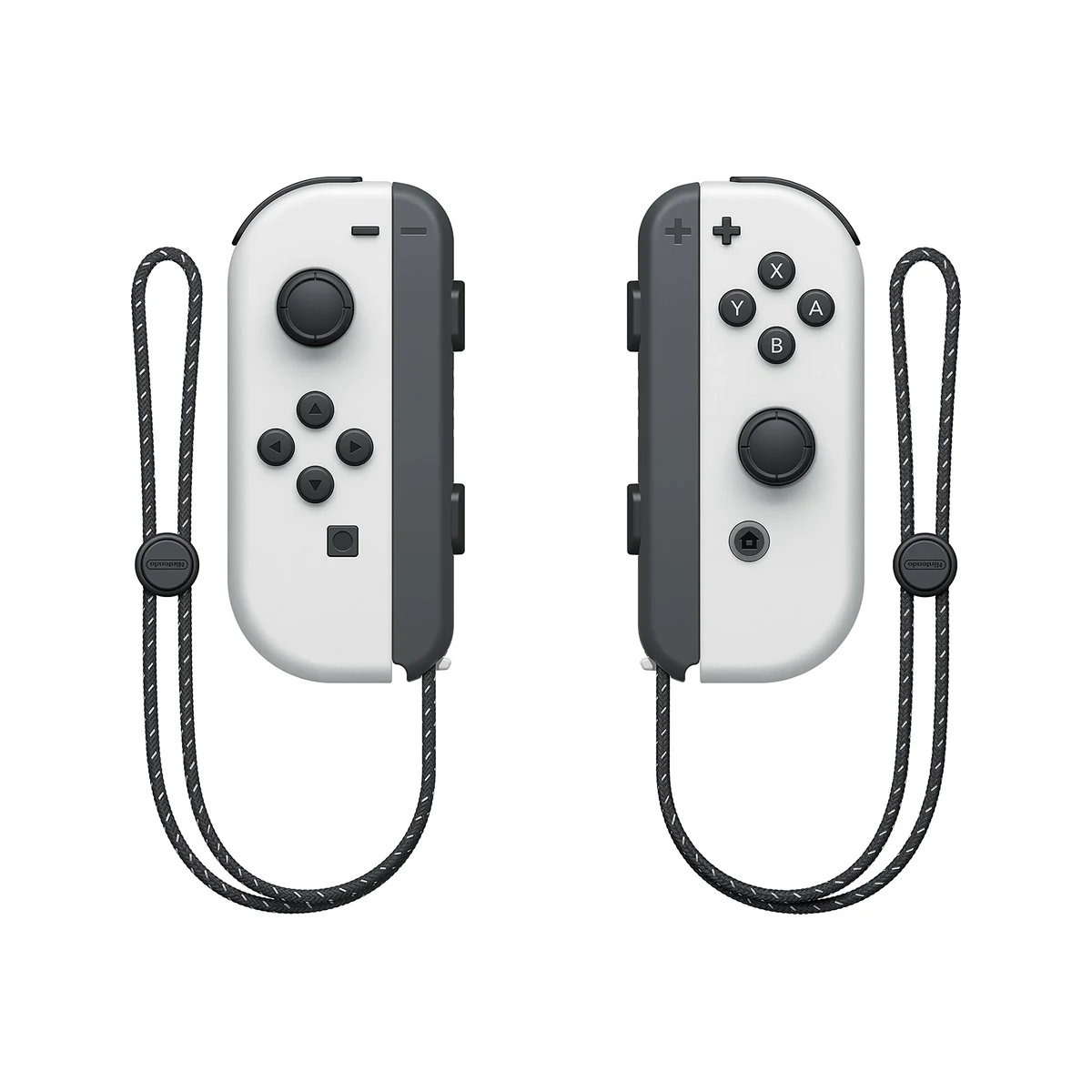
The Nintendo Switch OLED features a refined design with noticeably thinner bezels surrounding its 7-inch screen, creating a more immersive and premium aesthetic than its LCD predecessor. The body maintains the same lightweight plastic construction but feels more solid thanks to tighter tolerances and a redesigned rear chassis. Ergonomically, the Joy-Con controllers remain comfortable for extended play sessions, though the overall device strikes an excellent balance between portability and screen real estate that still feels relevant in 2026.
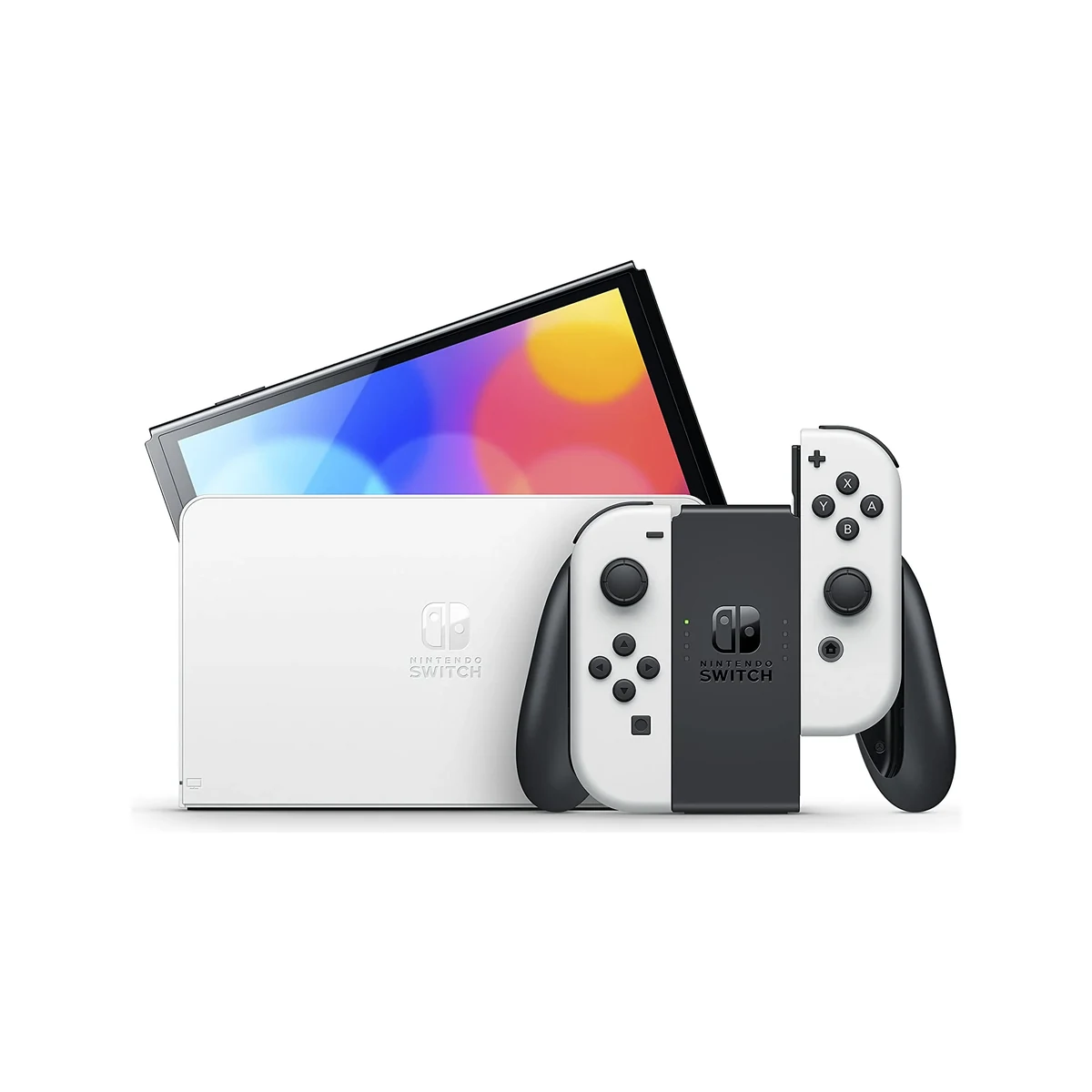
One of the most significant upgrades is the wide, adjustable kickstand that now spans nearly the entire back of the console. This provides stable tabletop gaming at virtually any angle, eliminating the wobble present in the original model. The repositioned stereo speakers fire directly toward the player, delivering clearer and richer audio without headphones. Build quality remains excellent after years on the market, with minimal flex, satisfying button clicks, and a hinge mechanism that continues to inspire confidence during handheld transitions.
Performance
The Switch OLED utilizes the same NVIDIA Tegra X1 chipset found in the original 2017 model, meaning raw performance metrics remain unchanged. In real-world testing, first-party titles such as The Legend of Zelda: Tears of the Kingdom and Super Mario Odyssey maintain stable frame rates whether played in handheld or docked configurations. Load times are snappy thanks to the internal NAND storage, and the system handles demanding open-world environments without thermal throttling under normal conditions.
While it cannot compete with 2026 PC handhelds in graphical fidelity or frame rates for multi-platform releases, Nintendo’s masterful optimization ensures consistently playable experiences. Docked output reaches 1080p for select titles, though most games target 720p for fluidity. The improved screen quality actually enhances perceived performance, as deeper blacks and higher contrast make motion appear smoother and visuals more vibrant than benchmark numbers alone would suggest.
Features & Software
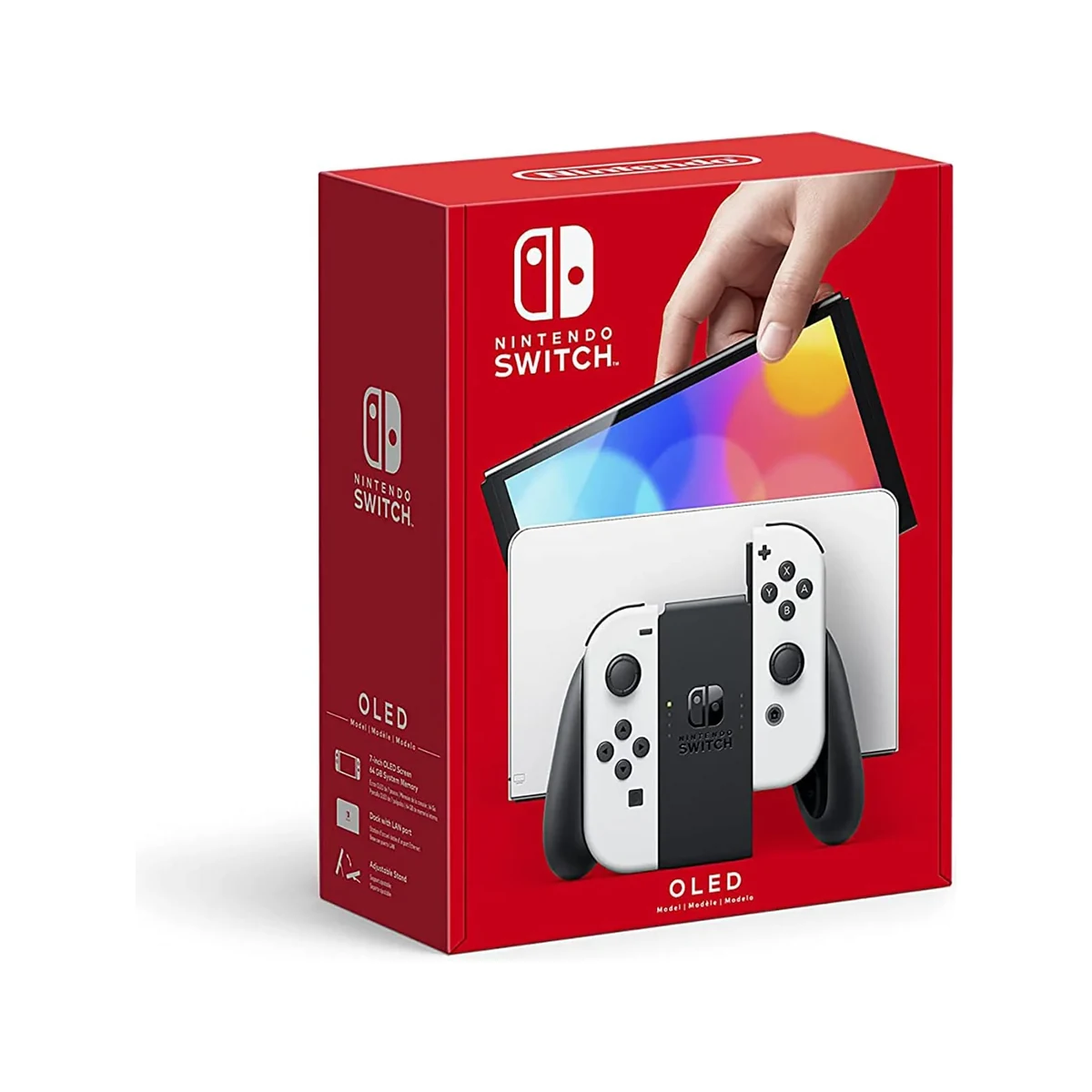
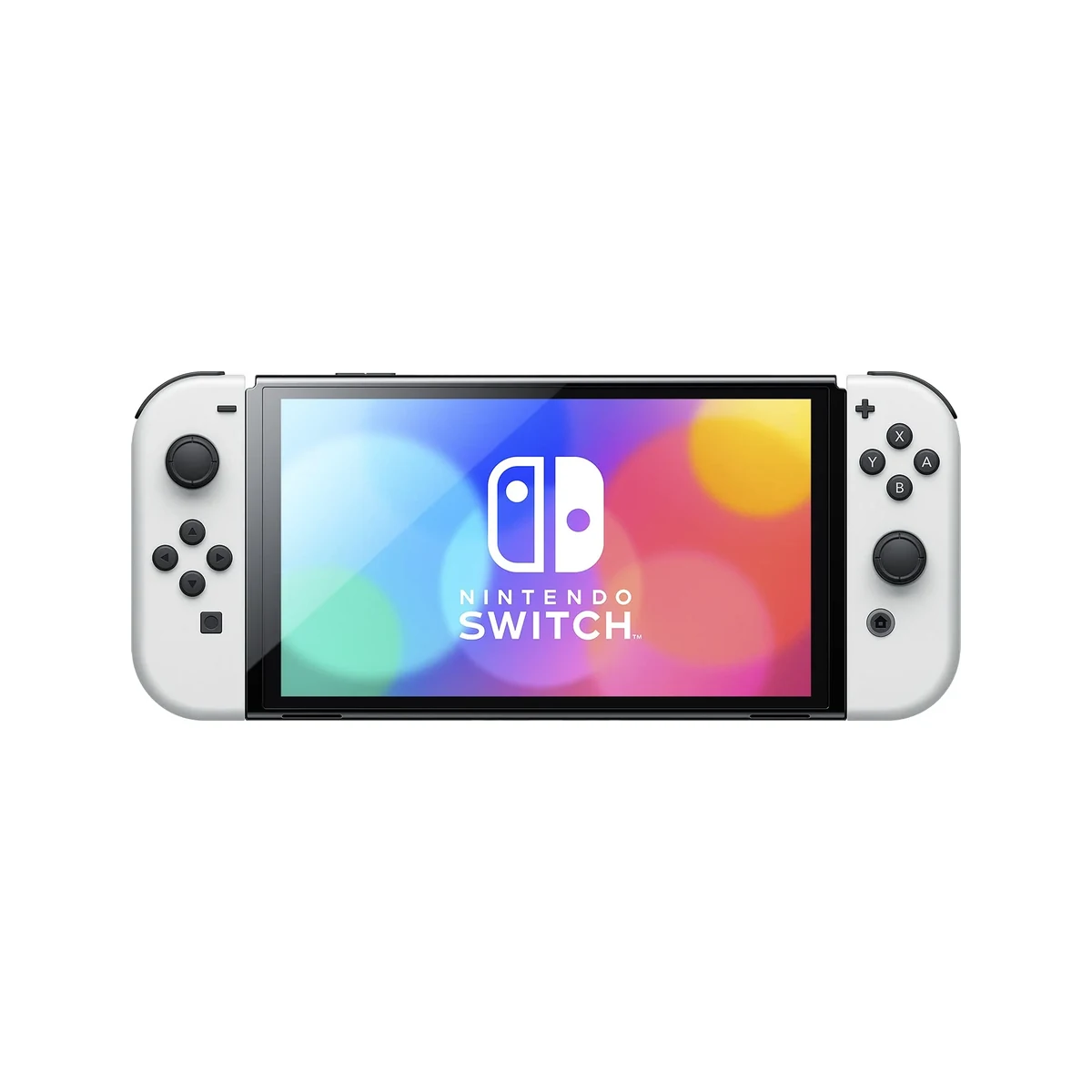
The standout feature remains the gorgeous 7-inch OLED panel, which offers infinite contrast, vibrant colors, and deep blacks that make every game look significantly better than on the standard LCD Switch. Additional refinements include enhanced speakers with improved bass response and the vastly superior kickstand for flexible play styles. The device supports all existing Switch games and accessories, ensuring a seamless upgrade path for existing owners.
Nintendo’s software ecosystem continues to provide a clean, intuitive user interface that prioritizes quick access to games over unnecessary complexity. The eShop remains well-stocked with both blockbuster exclusives and innovative indie titles, while online features like Nintendo Switch Online deliver reliable multiplayer and cloud saves. Though the OS lacks some modern customization options found on competing platforms, its simplicity and reliability make it a joy to use daily.
Value Proposition
In 2026, the Nintendo Switch OLED represents strong value at its current price point, particularly when considering the sheer volume and quality of Nintendo’s exclusive library. While newer PC handhelds offer superior raw power, they cannot match the polish, accessibility, and consistent performance of first-party Nintendo titles. The OLED model’s visual upgrades and design refinements justify its premium positioning over the standard Switch while remaining more affordable than most Windows-based competitors.
For families, casual gamers, and enthusiasts who value versatility over graphical horsepower, the Switch OLED delivers unmatched flexibility. It functions equally well as a home console, portable handheld, or tabletop device without requiring additional accessories or complex setup.
How It Compares
Compared to the Steam Deck OLED, the Nintendo Switch OLED trades raw computing power and access to PC game libraries for superior battery life, a more compact form factor, and Nintendo’s exceptional first-party exclusives. While the Steam Deck excels at demanding PC titles and offers greater customization, the Switch OLED provides a more refined, plug-and-play experience with significantly better color accuracy on its display.
Against the ASUS ROG Ally, the Switch OLED feels far more approachable and comfortable for extended handheld sessions. The ROG Ally’s superior performance comes at the cost of louder fans, shorter battery life in demanding games, and a higher price point, making the Nintendo device the clearer choice for gamers prioritizing Nintendo’s ecosystem over Windows gaming flexibility.
Pros and Cons
Pros
- The stunning OLED display delivers vibrant colors, infinite contrast, and deep blacks that dramatically improve every game.
- Truly versatile hybrid design excels in handheld, tabletop, and docked configurations without compromise.
- Improved speakers and wide adjustable stand significantly enhance the out-of-box experience.
- Access to Nintendo’s unmatched library of exclusive, family-friendly, and innovative titles.
- Excellent optimization ensures smooth performance despite aging hardware.
Cons
- The 2017-era Tegra X1 hardware shows its age in 2026 when compared to modern PC handhelds.
- Only 64 GB of internal storage fills quickly, requiring frequent microSD card management.
- Joy-Con drift remains a persistent issue that can affect long-term controller reliability.
- Battery life drops sharply below five hours when playing graphically intensive titles.
- Lacks modern features such as 4K output, advanced haptics, or ray tracing capabilities.
FAQ
Q: Is the Nintendo Switch OLED worth buying in 2026?
A: Yes, particularly if you value Nintendo’s exclusive games and a refined portable experience. The OLED screen remains a significant upgrade that continues to impress.
Q: Does the Switch OLED perform better than the original Switch?
A: Performance is identical as both use the same processor. Improvements are limited to the display, audio, stand, and overall build refinements.
Q: How much storage does the Nintendo Switch OLED have?
A: It comes with 64 GB of internal storage. Most users will want to add a high-speed microSD card immediately for additional game installations.
Q: Can you play PC games on the Nintendo Switch OLED?
A: No. The device is limited to the official Nintendo Switch game library, though homebrew solutions exist for advanced users (not recommended for most).
Q: Does the Switch OLED support 4K when docked?
A: No. Maximum output remains 1080p for supported games, consistent with the original Switch hardware.
Verdict
The Nintendo Switch OLED remains the best choice for gamers who want seamless hybrid functionality and access to Nintendo’s world-class exclusives. Its stunning display and thoughtful design refinements continue to deliver exceptional enjoyment in 2026, especially for those who play both at home and on the go. While it cannot match the raw power of PC handhelds, few devices offer the same level of consistent, polished fun across such a diverse and beloved game library.
Pros
- ✓ The stunning OLED display delivers vibrant colors, infinite contrast, and deep blacks that dramatically improve every game.
- ✓ Truly versatile hybrid design excels in handheld, tabletop, and docked configurations without compromise.
- ✓ Improved speakers and wide adjustable stand significantly enhance the out-of-box experience.
- ✓ Access to Nintendo’s unmatched library of exclusive, family-friendly, and innovative titles.
- ✓ Excellent optimization ensures smooth performance despite aging hardware.
Cons
- ✗ The 2017-era Tegra X1 hardware shows its age in 2026 when compared to modern PC handhelds.
- ✗ Only 64 GB of internal storage fills quickly, requiring frequent microSD card management.
- ✗ Joy-Con drift remains a persistent issue that can affect long-term controller reliability.
- ✗ Battery life drops sharply below five hours when playing graphically intensive titles.
- ✗ Lacks modern features such as 4K output, advanced haptics, or ray tracing capabilities.
Where to Buy the Nintendo Switch OLED





Prices may vary. Affiliate links — we may earn a commission at no extra cost to you.
Related Reviews

Affiliate links — we may earn a commission at no extra cost to you.