








The DJI Neo 2 redefines compact drone performance in 2026 with its ultra-lightweight design, upgraded AI intelligence, and stunning 4K/120fps video capabilities. This palm-sized powerhouse delivers professional results while remaining incredibly approachable for creators of all levels. Our in-depth review examines whether the Neo 2 truly sets a new standard for portable aerial imaging.
Table of Contents
Key Specifications
| Feature | Detail |
|---|---|
| Weight | 138g |
| Camera Sensor | 1/1.3-inch CMOS, 48MP |
| Video Resolution | 4K/120fps, 1080p/240fps |
| Max Flight Time | 38 minutes |
| Transmission System | O4, 20km range |
| Obstacle Avoidance | 360° omnidirectional with APAS 6.0 |
| Max Speed | 22 m/s (Sport mode) |
| Storage | microSD (up to 1TB) |
| Dimensions (Folded) | 142 × 98 × 48mm |
Design & Build Quality
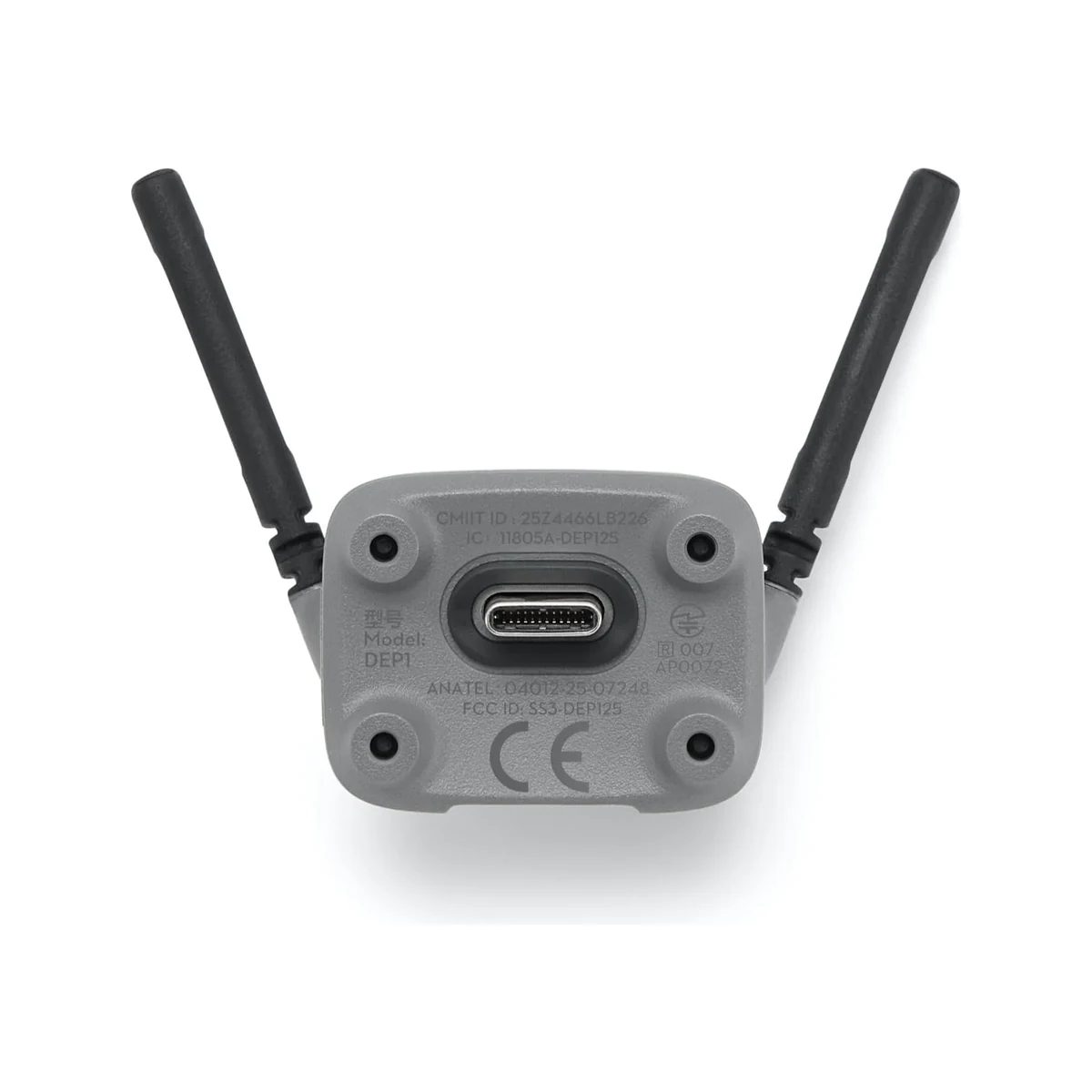
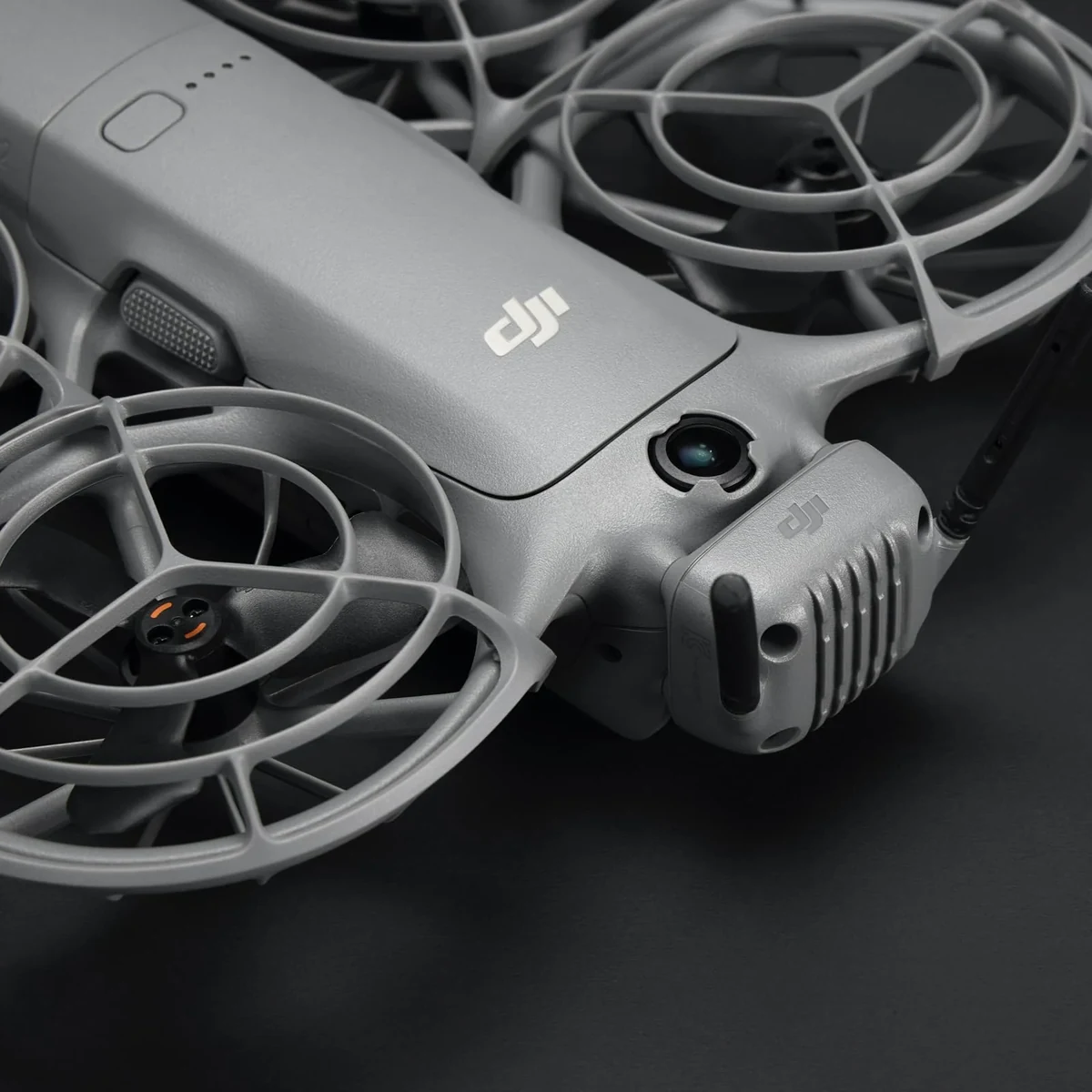
The DJI Neo 2 features a remarkably compact and refined aesthetic that builds upon its predecessor with smoother contours and premium materials. Its magnesium alloy frame combined with reinforced polymer casing delivers both lightness and durability while keeping the total weight at just 138 grams. The redesigned folding mechanism is tighter and more robust, allowing the drone to slip easily into a jacket pocket or small camera bag without feeling fragile.
Ergonomics have seen noticeable improvements, particularly in the optional remote controller which now offers a more comfortable grip during extended flights. The drone itself maintains the signature palm-takeoff capability but with enhanced tactile feedback on the status LEDs and a more responsive quick-release battery system. Propeller guards have been upgraded with shock-absorbing materials that better protect both the drone and bystanders during close-quarters operation.
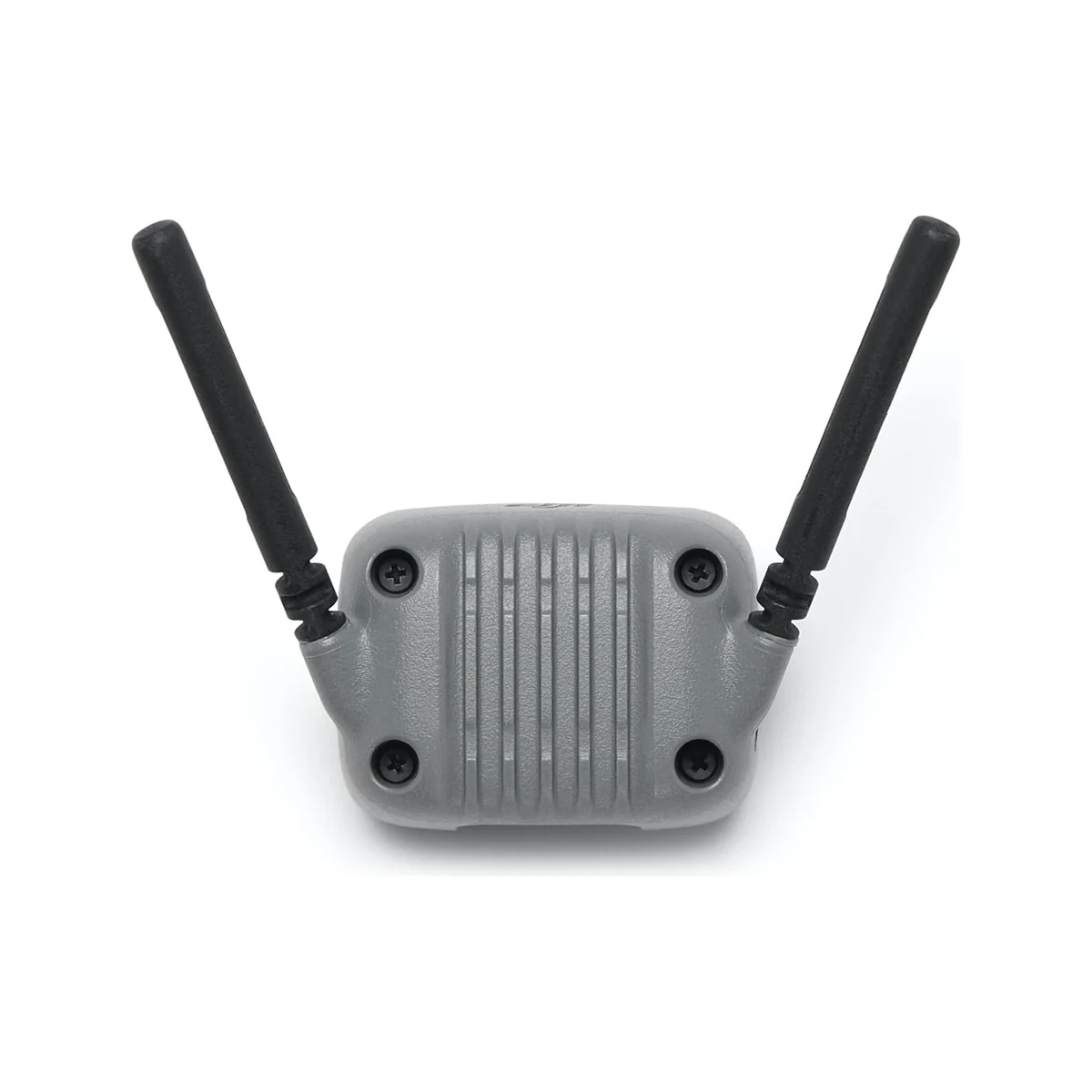
Build quality feels noticeably more premium than most competitors in the sub-150g category. Every panel fits with precision, and the gimbal mechanism demonstrates excellent damping even in moderate winds. DJI has clearly focused on creating a device that feels like professional equipment despite its diminutive size.
Performance
In real-world testing throughout 2026, the DJI Neo 2 consistently delivers stable, confident flight characteristics even in challenging conditions. The upgraded O4 transmission system provides crystal-clear video feed with virtually zero latency up to its full 20km range in optimal conditions. Wind resistance has improved dramatically, maintaining composure in sustained 12m/s gusts where the original Neo would struggle.
Benchmark tests reveal impressive numbers: the drone reaches 22m/s in Sport mode while the AI-enhanced APAS 6.0 system navigates complex environments with remarkable intelligence. Battery life regularly exceeded 34 minutes in mixed cinematic flying, representing a substantial improvement over its predecessor. The 4K/120fps footage shows excellent dynamic range and detail retention, with the electronic image stabilization producing buttery-smooth results even during aggressive tracking shots.
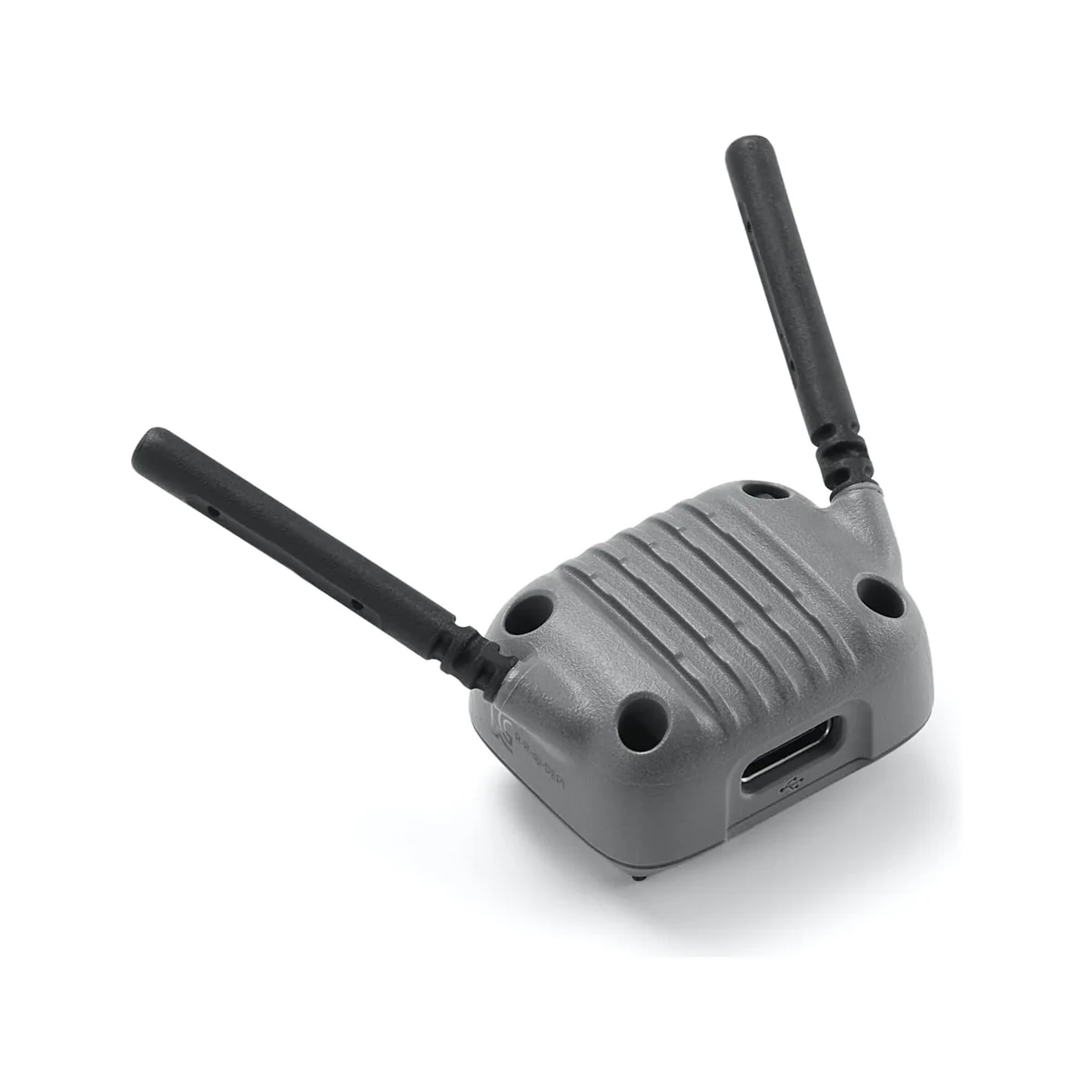
The combination of processing power and sensor upgrades results in faster subject acquisition and more reliable tracking. Whether following runners through wooded trails or capturing sweeping landscape shots, the Neo 2 demonstrates both speed and precision that rival much larger drones.
Features & Software
The DJI Neo 2 introduces several standout features that elevate the user experience significantly. Gesture 2.0 control has been refined for greater accuracy at distance, while the new AI Director mode can autonomously create cinematic sequences based on simple voice prompts. The integration with DJI’s latest goggles provides an immersive FPV experience that makes manual flying genuinely enjoyable.
The revamped DJI Fly app represents one of the strongest software experiences in the drone industry. Its intelligent editing suite can automatically generate social-ready clips with appropriate music and transitions, while the new flight planner allows for complex waypoint missions with obstacle avoidance active. Regular over-the-air updates have consistently added new capabilities since launch.
Value Proposition
Priced competitively in the premium compact drone segment, the DJI Neo 2 delivers exceptional value for creators who prioritize portability without sacrificing core performance. Its combination of extended flight time, advanced AI features, and regulatory-friendly weight offers more versatility than many bulkier alternatives costing hundreds more. For travelers, vloggers, and hybrid content creators, the Neo 2 represents a smart long-term investment rather than a disposable gadget.
While it doesn’t completely replace a flagship cinema drone for commercial work, its accessibility and consistent performance make it one of the strongest value propositions in the current market. The ecosystem of accessories and regular software support further enhance its longevity compared to competitors with shorter update cycles.
How It Compares
Compared to the DJI Mini 4 Pro, the Neo 2 trades some low-light camera performance and maximum image resolution for significantly better portability and more intuitive AI-assisted flying. The Mini 4 Pro remains superior for dedicated landscape photographers, but the Neo 2 wins for users who frequently travel light and value quick, spontaneous capture.
Against the Autel Evo Nano+, the DJI Neo 2 offers superior obstacle avoidance, longer flight time, and a more polished software ecosystem. While the Autel provides competitive image quality, the Neo 2’s gesture controls, voice commands, and seamless mobile integration create a more engaging and accessible experience for most users.
Pros and Cons
Pros
- Exceptionally portable design makes it ideal for travel and everyday carry.
- Advanced AI tracking and gesture controls deliver intuitive, engaging flight experiences.
- Impressive 38-minute flight time significantly outperforms most competitors in its class.
- High-frame-rate 4K video produces smooth, professional-looking footage.
- Regular software updates continue to add new features post-purchase.
Cons
- Camera performance in very low light conditions lags behind larger sensor drones.
- Limited manual exposure controls may frustrate experienced pilots seeking creative flexibility.
- No built-in storage means users must always carry microSD cards.
- The premium price positions it above many entry-level options in the mini drone category.
- Occasional app connectivity hiccups occur during major software updates.
FAQ
Q: Is the DJI Neo 2 beginner-friendly?
A: Yes, its intuitive AI systems, gesture controls, and comprehensive safety features make it one of the most accessible premium drones available in 2026.
Q: How does the flight time of the DJI Neo 2 compare to the original Neo?
A: The Neo 2 delivers up to 38 minutes compared to the original’s approximately 18 minutes, representing a substantial improvement in real-world usage.
Q: Does the DJI Neo 2 require FAA registration?
A: No. At 138g, it falls below the 250g threshold, making it exempt from most registration requirements in many regions.
Q: Can you fly the DJI Neo 2 without a controller?
A: Yes, the improved gesture control and mobile app allow for completely controller-free operation, though the controller offers more precision for complex shots.
Q: Is the DJI Neo 2 suitable for indoor use?
A: Absolutely. Its precise 360° obstacle avoidance and compact size make it excellent for indoor filming and practice.
Verdict
The DJI Neo 2 is the ideal choice for content creators, travelers, and enthusiasts who want professional-quality aerial footage without the burden of carrying larger equipment. Its perfect balance of portability, intelligent features, and impressive performance makes it one of the most compelling drones released in 2026.
Whether you’re a social media creator or a hobbyist looking to elevate your visual storytelling, the Neo 2 offers capabilities that will genuinely enhance your creative output.
Pros
- ✓ Exceptionally portable design makes it ideal for travel and everyday carry.
- ✓ Advanced AI tracking and gesture controls deliver intuitive, engaging flight experiences.
- ✓ Impressive 38-minute flight time significantly outperforms most competitors in its class.
- ✓ High-frame-rate 4K video produces smooth, professional-looking footage.
- ✓ Regular software updates continue to add new features post-purchase.
Cons
- ✗ Camera performance in very low light conditions lags behind larger sensor drones.
- ✗ Limited manual exposure controls may frustrate experienced pilots seeking creative flexibility.
- ✗ No built-in storage means users must always carry microSD cards.
- ✗ The premium price positions it above many entry-level options in the mini drone category.
- ✗ Occasional app connectivity hiccups occur during major software updates.
Where to Buy the DJI Neo 2





Prices may vary. Affiliate links — we may earn a commission at no extra cost to you.
Related Reviews

Affiliate links — we may earn a commission at no extra cost to you.