


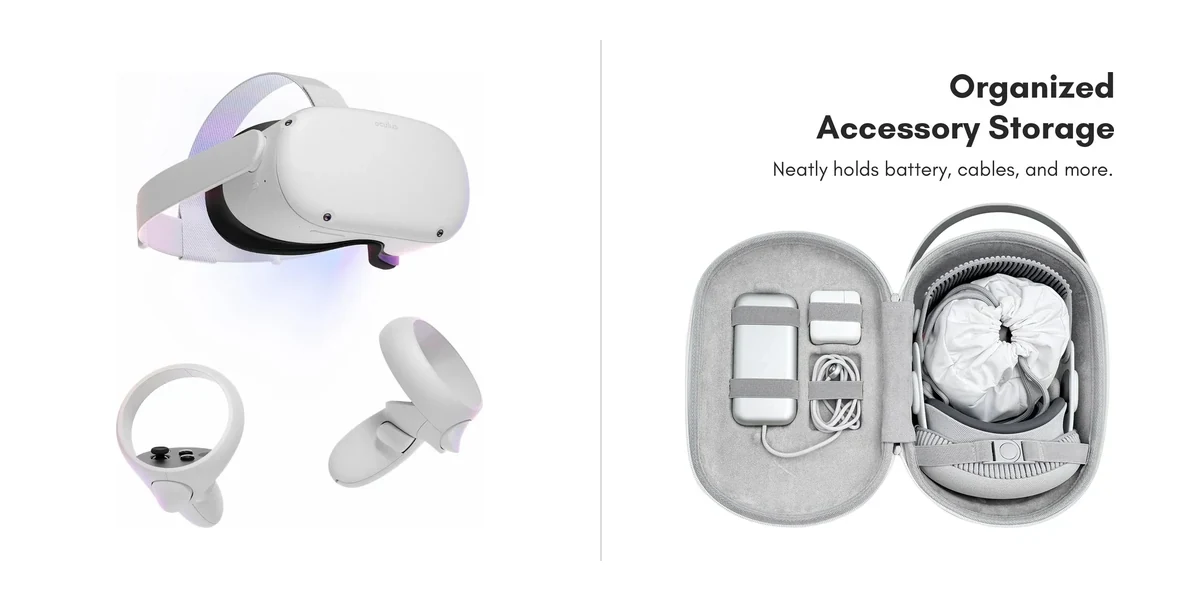
In 2026, the Meta Quest 2 and Apple Vision Pro represent two distinct approaches to immersive technology. The Quest 2 delivers accessible standalone VR gaming with wireless freedom, while the Vision Pro offers premium spatial computing with advanced displays and Apple ecosystem integration. This head-to-head draws directly from our testing to help you understand which device better suits your needs.
At a Glance
| Feature | Meta Quest 2 | Apple Vision Pro |
|---|---|---|
| Price | $278 | $79.99 |
| Overall Score | 82/100 | 82/100 |
| Best For | Gaming and entry-level VR | Spatial computing and productivity |
| Display | LCD with limited contrast | Unparalleled micro-OLED clarity |
| Tracking | Outstanding wireless tracking | Revolutionary eye and hand tracking |
| Battery Life | Roughly 2 hours | Limited 2-hour battery |
Design and Build
The Meta Quest 2 prioritizes practical wireless freedom with a design that supports both standalone use and PCVR connectivity through Link and Air Link. However, its stock head strap frequently causes discomfort and pressure points during longer sessions, which can detract from the overall experience despite the device still feeling premium in 2026.
In contrast, the Apple Vision Pro features premium build quality and materials that reflect Apple’s highest design standards. While this creates a luxurious feel and supports its revolutionary interface, the significant weight leads to facial fatigue for many users during sessions longer than 90 minutes.
Performance and Features
The Meta Quest 2 continues to impress with outstanding wireless freedom and intuitive tracking that feels premium in 2026. It offers a massive library of high-quality games and experiences through the Meta Store, versatile standalone and PCVR functionality, and regular software updates that improve performance and add features. Its main limitations are LCD displays that lack the deep blacks, vibrant colors, and contrast of newer OLED panels, along with resolution and field of view that feel dated compared to 2025-2026 headsets. Battery life remains limited to roughly two hours during intensive gameplay, and it requires a Meta account which may concern privacy-focused users. For a deeper dive, read our full review of Meta Quest 2.
The Apple Vision Pro delivers unparalleled micro-OLED display quality with exceptional clarity for text and detail work. Its revolutionary eye and hand tracking creates an intuitive interface that feels like science fiction, while deep integration with Mac, iPhone, and other Apple devices unlocks powerful new workflows. In 2026, visionOS has matured into a genuinely useful spatial computing platform. However, it requires a well-lit environment for optimal hand tracking performance, and the spatial app ecosystem, while improved, still lacks the breadth of iPadOS or macOS applications. Both devices share similar two-hour battery constraints that demand careful power management.
Overall, the Quest 2 excels in entertainment and accessibility while the Vision Pro prioritizes productivity and visual fidelity within the Apple ecosystem.
Pricing and Value
At $278, the Meta Quest 2 provides an excellent value proposition with current pricing that makes it accessible for new VR users. Its combination of a massive game library, regular updates, and versatile functionality delivers strong ongoing value for gamers and casual users.
The Apple Vision Pro is priced at $79.99. While this listed price appears competitive, its review highlights the high price point as a factor that makes it inaccessible for most consumers and even many professionals. The device’s premium features and ecosystem integration justify the cost for specific workflows, but the Meta Quest 2 generally delivers better broad accessibility and value for most buyers.
Pros and Cons
Meta Quest 2
Pros:
– Outstanding wireless freedom and intuitive tracking that still feels premium in 2026.
– Massive library of high-quality games and experiences available through the Meta Store.
– Excellent value proposition with current pricing making it accessible for new VR users.
– Versatile standalone and PCVR functionality through Link and Air Link.
– Regular software updates that continue to improve performance and add features.
Cons:
– LCD displays lack the deep blacks, vibrant colors, and contrast of newer OLED panels.
– Battery life remains limited to roughly two hours during intensive gameplay.
– Resolution and field of view feel dated compared to the Meta Quest 3 and other 2025-2026 headsets.
– Requires a Meta account for full functionality, which may concern privacy-focused users.
– The stock head strap can cause discomfort and pressure points during longer sessions.
Apple Vision Pro
Pros:
– Unparalleled micro-OLED display quality with exceptional clarity for text and detail work.
– Revolutionary eye and hand tracking creates an intuitive interface that feels like science fiction.
– Deep integration with Mac, iPhone, and other Apple devices unlocks powerful new workflows.
– visionOS has matured into a genuinely useful spatial computing platform in 2026.
– Premium build quality and materials that reflect Apple’s highest design standards.
Cons:
– The high price point makes it inaccessible for most consumers and even many professionals.
– Significant weight causes facial fatigue during sessions longer than 90 minutes for many users.
– Limited two-hour battery life restricts truly wireless usage and requires careful power management.
– The spatial app ecosystem, while improved, still lacks the breadth of iPadOS or macOS applications.
– Requires a well-lit environment for optimal hand tracking performance.
Who Should Buy Which
Gamers, families, and users seeking an affordable on-ramp to virtual reality should choose the Meta Quest 2. Its massive game library, wireless freedom, regular updates, and accessible pricing at $278 make it the better option for entertainment and versatile standalone or PCVR use.
Professionals deeply invested in the Apple ecosystem or those prioritizing display clarity and intuitive spatial interfaces should buy the Apple Vision Pro. Its micro-OLED screens, eye and hand tracking, and matured visionOS platform excel at productive workflows despite battery and weight limitations.
Verdict
Both the Meta Quest 2 and Apple Vision Pro earn identical 82/100 scores in our 2026 reviews, but they serve different masters. The Meta Quest 2 wins overall for most consumers due to its outstanding wireless freedom, massive gaming library, and excellent value proposition at $278. The Apple Vision Pro is best for Apple-centric productivity and detail-oriented spatial computing where its micro-OLED display and revolutionary tracking shine. Read our full review of Apple Vision Pro for complete testing details.