

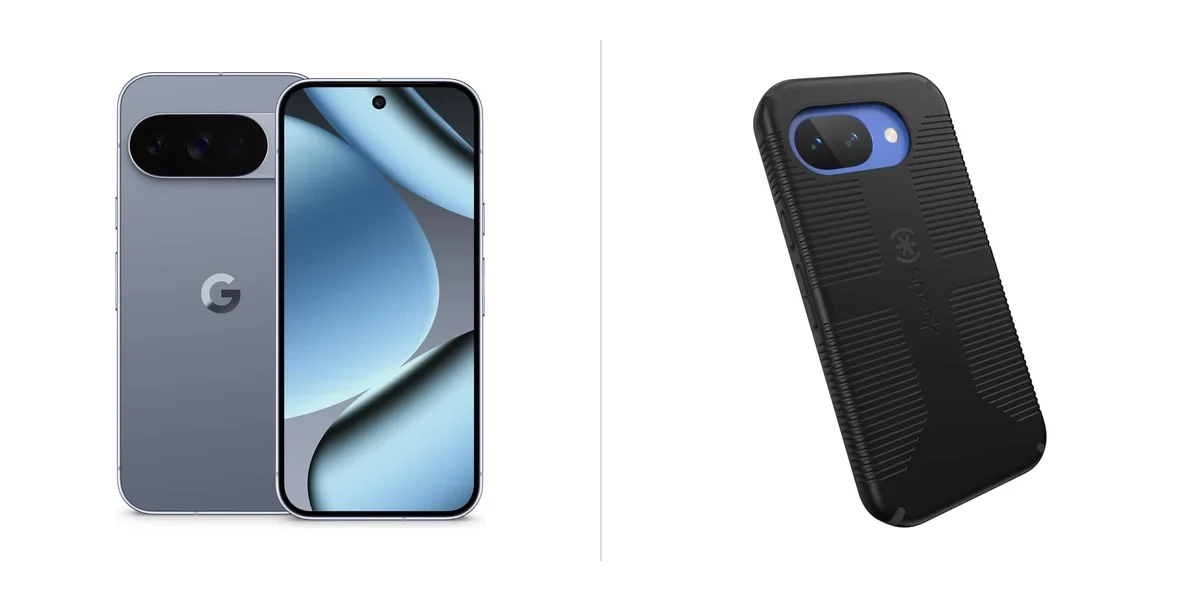
In the 2026 smartphone market, Google’s Pixel 10 Pro and Pixel 10a offer two distinct takes on the Android experience, sharing the same Tensor G5 chipset and seven years of software updates while diverging in camera hardware, design refinement, and price. The Pro pushes flagship photography and display quality, whereas the 10a focuses on comfortable daily use and exceptional value. This head-to-head weighs their real-world strengths to determine which device makes more sense for different buyers.
At a Glance
| Feature | Google Pixel 10 Pro | Google Pixel 10a |
|---|---|---|
| Price | $604.82 | $28.79 |
| Overall Score | 90/100 | 89/100 |
| Best For | Premium photography and media consumption | Value-conscious buyers seeking longevity |
| Camera | Three-lens system with natural colors and impressive dynamic range | Flagship-caliber photography but no dedicated telephoto |
| Design | Bulky camera bar creates uneven surface | Compact, ergonomic and comfortable daily driver |
| Display | Bright, color-accurate with excellent HDR | Adequate indoors but struggles in direct sunlight |
Design and Build
The Google Pixel 10 Pro features a design highlighted by its distinctive camera bar, which remains bulky and creates an uneven surface when the phone is placed on flat surfaces. By comparison, the Pixel 10a delivers a compact, ergonomic design combined with smooth software that creates an exceptionally comfortable daily driving experience.
The Pixel 10a’s plastic rear panel, while practical, lacks the tactile premium feel of glass-backed competitors in the same price bracket. The Pro’s more upscale positioning comes with its own ergonomic trade-offs due to the protruding camera array, making the 10a the more pocket-friendly option for users who prioritize comfort over material luxury.
Performance and Features
Both devices utilize Google’s Tensor G5 processor, which provides capable real-world performance but still trails flagship Snapdragon and Apple chips in raw benchmark performance and sustained gaming. Users may notice occasional warmth during intensive AI processing or extended gaming sessions on the Pro, while the 10a exhibits noticeable thermal throttling during prolonged gaming compared to Snapdragon-equipped rivals. Camera performance is a major differentiator: the Pixel 10 Pro’s exceptional camera system consistently delivers natural colors and impressive dynamic range across all three lenses, whereas the Pixel 10a achieves flagship-caliber photography that outperforms competitors in its price range but sees quality deteriorate quickly without a dedicated telephoto lens when using digital zoom beyond 2x.
Display and battery experiences also vary. The Pixel 10 Pro offers a bright, color-accurate display with excellent HDR performance ideal for media consumption and strong all-day battery life with efficient power management. The Pixel 10a’s battery easily stretches through a full day of mixed usage including photography and streaming, though its peak display brightness struggles in direct sunlight compared to some alternatives. Both phones deliver the cleanest Android experience with seven years of guaranteed software and security updates plus thoughtfully implemented on-device AI features that meaningfully improve photography, productivity, and accessibility. For complete test data and examples, read our full review of Google Pixel 10 Pro and full review of Google Pixel 10a.
Charging remains a weak point for both. The Pro’s wireless charging speeds lag behind several competitors in the same price range, while the 10a’s 27W charging speed feels dated and requires over an hour for a full charge.
Pricing and Value
At $604.82, the Google Pixel 10 Pro carries premium pricing that represents a significant increase compared to earlier Pixel Pro models. While it justifies some of this cost with superior camera hardware, display quality, and refined AI implementation, the overall package feels expensive given the shared Tensor G5 platform and remaining performance limitations.
In stark contrast, the Google Pixel 10a at $28.79 delivers dramatically better value. It provides flagship-caliber photography, seven years of Android updates, useful on-device AI, and comfortable ergonomics that make it a smarter long-term investment than most mid-range phones. The massive price gap means the 10a offers nearly equivalent daily performance and longevity at a fraction of the cost, making it the clear value winner for the majority of buyers.
Pros and Cons
Google Pixel 10 Pro
Pros:
– Exceptional camera system that consistently delivers natural colors and impressive dynamic range across all three lenses.
– Cleanest Android experience available with seven years of guaranteed software and security updates.
– Innovative on-device AI features that meaningfully improve photography, productivity, and accessibility.
– Bright, color-accurate display with excellent HDR performance for media consumption.
– Strong all-day battery life with efficient power management tailored to real-world usage patterns.
Cons:
– Tensor G5 processor still trails flagship Snapdragon and Apple chips in raw benchmark performance and sustained gaming.
– Camera bar design remains bulky and creates an uneven surface when placing the phone on flat surfaces.
– Wireless charging speeds lag behind several competitors in the same price range.
– Premium pricing represents a significant increase compared to earlier Pixel Pro models.
– Occasional warmth during intensive AI processing or extended gaming sessions.
Google Pixel 10a
Pros:
– The Pixel 10a delivers flagship-caliber photography that consistently outperforms competitors in its price range across various lighting conditions.
– Seven years of Android updates provide unmatched longevity and security, making this a smarter long-term investment than most mid-range phones.
– The compact, ergonomic design combined with smooth software creates an exceptionally comfortable daily driving experience.
– On-device AI features are thoughtfully implemented and genuinely useful rather than marketing bullet points.
– Battery life easily stretches through a full day of mixed usage including photography and streaming.
Cons:
– Tensor G5 performance shows limitations during sustained gaming sessions with noticeable thermal throttling compared to Snapdragon-equipped rivals.
– The 27W charging speed feels dated, requiring over an hour for a full charge while competitors offer 45W or faster options.
– Without a dedicated telephoto lens, quality deteriorates quickly when using digital zoom beyond 2x magnification.
– The plastic rear panel, while practical, lacks the tactile premium feel of glass-backed competitors in the same price bracket.
– Peak display brightness, while adequate indoors, struggles in direct sunlight compared to some Samsung and Nothing alternatives.
Who Should Buy Which
Buy the Google Pixel 10 Pro if you prioritize the absolute best camera system with natural colors across three lenses, a bright HDR display for media, and are willing to pay premium pricing for those refinements. It suits photography enthusiasts and users who want every on-device AI advantage without compromise on image quality or screen performance.
Choose the Google Pixel 10a if you want flagship-level photography, seven years of updates, and a comfortable daily driver at an unbeatable price. It is the ideal pick for budget-conscious buyers, students, or anyone seeking maximum long-term value and practicality over marginal flagship upgrades.
Verdict
The Google Pixel 10 Pro wins for users who specifically need its exceptional three-lens camera system with superior dynamic range and color accuracy plus the best HDR display, making it the clear choice for serious photographers and media consumers. However, the Google Pixel 10a is the overall winner for most people in 2026 because it delivers 89/100 performance nearly matching the Pro’s 90/100 while costing a fraction of the price at $28.79 versus $604.82. With comparable AI features, battery life, and seven years of updates, the 10a’s unmatched value makes it the smarter purchase unless you explicitly require the Pro’s telephoto lens and premium screen.